How to Choose a Long Shell Necklace: The Ultimate Buying Guide
Discover how to choose the perfect long shell necklace. Learn about shell types, cord durability, knotting techniques, and styling tips in our expert guide.

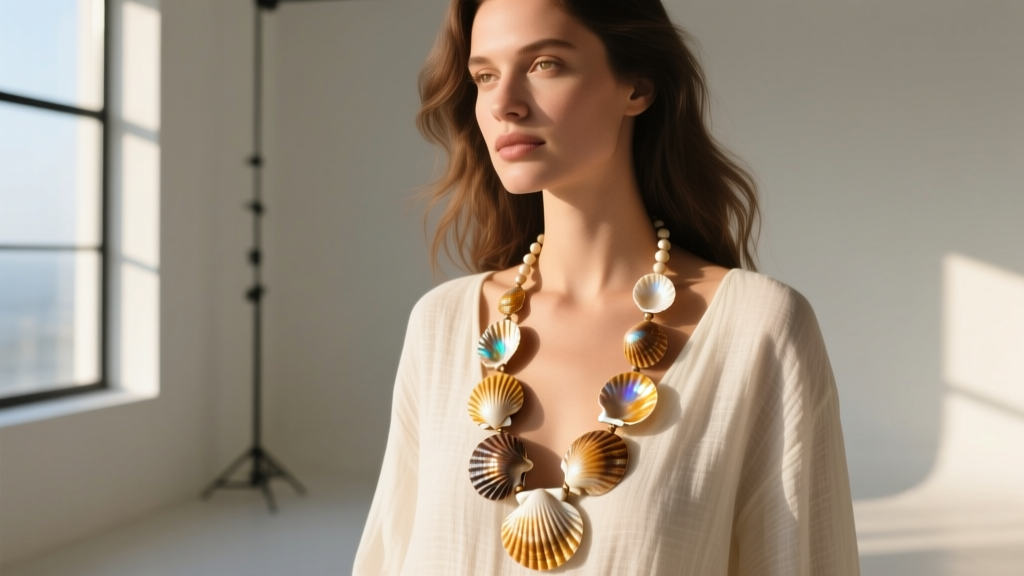
The Resurgence of Coastal Elegance
The long shell necklace has transcended its mid-century surf-culture roots to become a staple of sophisticated, layered jewelry wardrobes. Whether you are drawn to the bohemian drape of a 34-inch opera-length strand or the bold, sweeping statement of a 40-inch rope, selecting the right piece requires looking past the aesthetic. Shells are organic gem materials composed primarily of calcium carbonate, making them inherently more vulnerable to environmental stressors than mined stones. This comprehensive buying guide will equip you with the material science, construction metrics, and styling frameworks necessary to invest in a piece that endures.
Decoding Shell Varieties: Beyond the Basic Puka
Not all shells possess the same structural integrity or visual weight. According to the Gemological Institute of America (GIA), organic gems like shell, coral, and pearl require specific care due to their porous nature and relatively low hardness. Most jewelry-grade shells sit between 3.5 and 4.0 on the Mohs hardness scale, meaning they can be easily scratched by quartz (sand) or harder metals.
Puka, Cowrie, and Mother of Pearl
- Puka Shells: Traditionally sourced from the cone snail, genuine puka beads are naturally rolled by the ocean, featuring a distinct, asymmetrical hole. They are highly durable but prone to absorbing oils, which can darken them over time.
- Cowrie Shells: Historically used as currency and deeply significant in global adornment, cowrie shells offer a high-gloss, porcelain-like finish. Their domed shape adds significant visual volume, making them ideal for spaced-out stations on a long chain rather than densely packed strands.
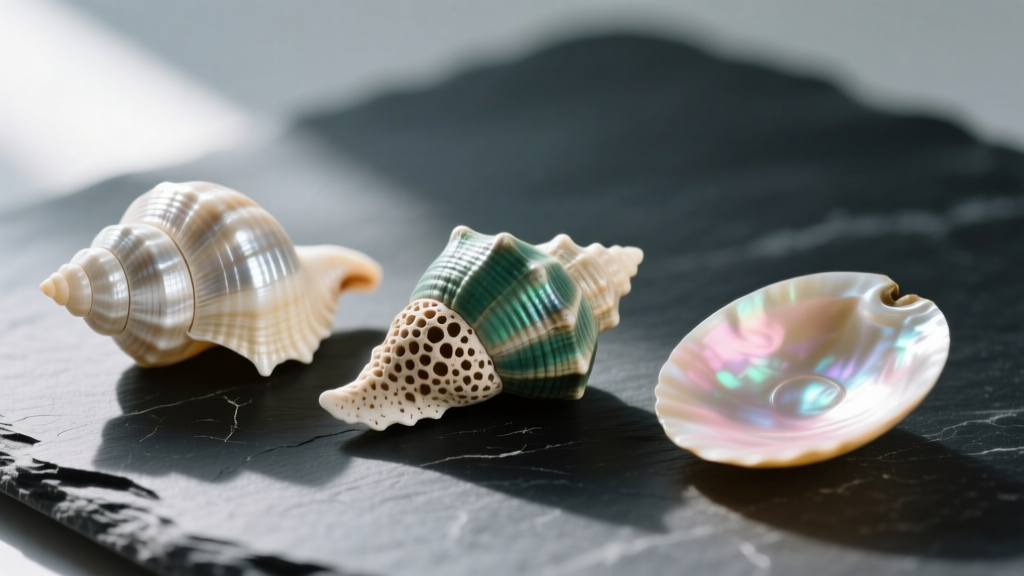
- Mother of Pearl (Nacre): The iridescent inner layer of mollusk shells. When carved into elongated tubes or teardrops for long necklaces, nacre provides a luxurious, light-catching effect. However, it is highly susceptible to acid erosion from perspiration.
The Backbone: Stringing Materials and Hardware
The most common point of failure in a long shell necklace is not the shell itself, but the stringing material degrading under the weight of the strand and the acidity of the wearer's skin. A 32-inch strand of densely packed heishi or puka shells can easily weigh between 60 and 90 grams. This requires high-tensile materials.
| Cord Material | Tensile Strength | Water/Sweat Resistance | Best Use Case |
|---|---|---|---|
| Waxed Cotton (0.8mm) | Moderate | Low (Degrades with moisture) | Lightweight, spaced shell stations |
| Braided Nylon (1.0mm) | Very High | Excellent | Heavy, densely packed puka strands |
| Silk Thread (Size F) | Low | Poor (Stretches and rots) | Pearls; avoid for heavy shells |
| Stainless Steel Cable (0.5mm) | Extreme | Excellent | Modern, industrial shell designs |
Critical Hardware and Knotting Techniques
For strands exceeding 60 grams, avoid magnetic clasps entirely; the sheer pendulum weight of a long necklace will pull a magnetic clasp apart during normal movement. Opt for a 12mm or 14mm stainless steel or 14k gold lobster clasp with a reinforced soldered jump ring. Furthermore, insist on hand-knotted construction. A micro-knot placed between every 5 to 10 shells not only prevents the total loss of your necklace if the cord snaps, but it also prevents the calcium carbonate edges from grinding against one another, which causes micro-fractures and premature chipping.
Sizing, Proportions, and Layering Frameworks
When shopping for a long shell necklace, understanding standard jewelry lengths is crucial for achieving the desired drape over various necklines.
- Opera Length (28 to 34 inches): Falls below the bust line. This is the sweet spot for layering. Pair a 30-inch matte puka strand with a 16-inch gold figaro chain and a 20-inch pendant necklace to create a multi-textured, coastal-luxe aesthetic.
- Rope Length (35 to 45+ inches): Falls at or below the navel. These are highly versatile and can be doubled or tripled around the neck. However, rope-length shell necklaces are heavy; ensure the cord is thick (minimum 1.2mm) to prevent it from cutting into the back of your neck.
Authenticity Checks: Spotting Resin Fakes
The market is flooded with cast resin and dyed howlite masquerading as natural shell. Because organic gems are increasingly regulated to protect marine ecosystems, synthetic alternatives are common. Here is how to verify authenticity before purchasing:
The Temperature Test: Genuine shell is dense and thermally conductive. It will feel distinctly cool to the touch when first picked up, whereas resin and plastic will immediately feel room temperature.
The Visual Imperfection Test: Real puka and cone shells are asymmetrical. If every bead in a long strand is perfectly uniform in diameter, thickness, and hole placement, you are likely looking at machine-cut howlite or molded resin.
Real-World Pricing Tiers
Pricing for a high-quality long shell necklace varies wildly based on the sourcing ethics, the rarity of the shell, and the hardware used.
- Entry-Level ($25 - $60): Mass-produced, commercially bleached puka shells on basic nylon cords. Often feature glued, non-soldered jump rings that fail quickly.
- Mid-Tier & Artisan ($80 - $180): Ethically sourced, unbleached shells with natural color gradients. Features hand-knotting, high-quality waxed linen or braided nylon cords, and sterling silver or gold-filled hardware.
- Designer & Fine Jewelry ($250 - $800+): Rare shells (like ethically harvested conch or black-lip oyster) interspersed with 14k or 18k solid gold beads, diamonds, or gemstone accents, finished with custom-machined clasps.
Care and Maintenance for Calcium Carbonate
Shells are highly reactive to acids. The natural pH of human sweat, combined with chlorine from pools and chemicals in sunscreens, will slowly eat away at the nacreous layer, leaving your shells dull, chalky, and brittle. To preserve your long shell necklace, always put it on after applying lotions, perfumes, and SPF. After wearing, gently wipe the shells with a damp, lint-free microfiber cloth to remove acidic residue. Never use ultrasonic cleaners or commercial silver dips, as the harsh chemicals will permanently etch the organic surface. Store the necklace flat or hanging in a climate-controlled environment; prolonged UV exposure will cause white shells to yellow and become brittle over time.
By prioritizing structural integrity, ethical sourcing, and proper hardware, your long shell necklace will remain a versatile, enduring anchor in your jewelry collection for years to come.


