Expert Care and Cleaning for Your Long Wrap Necklace
Master the care, cleaning, and storage of your long wrap necklace. Prevent tangling, bead stretching, and tarnish with our expert maintenance guide.

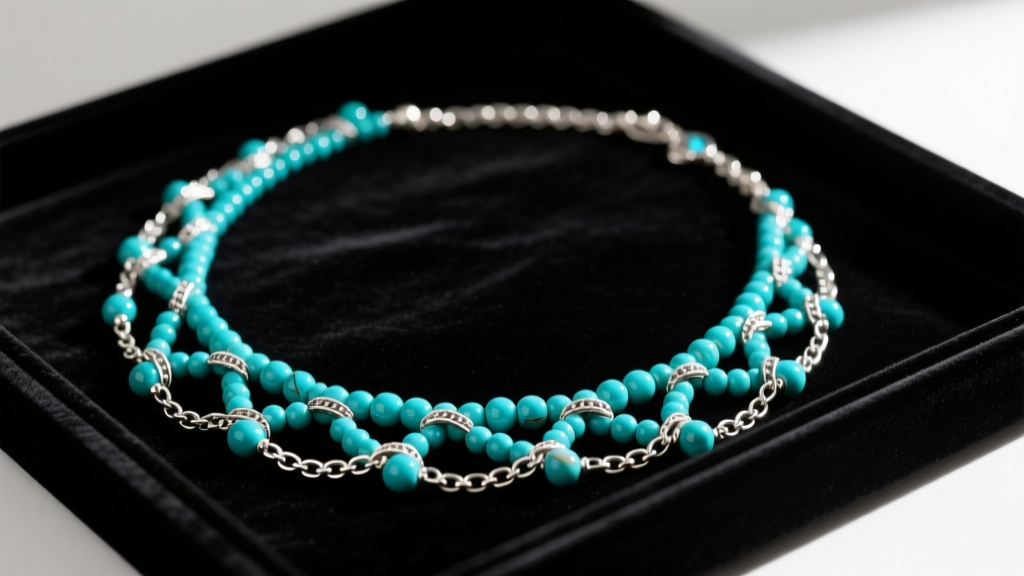
A long wrap necklace is a versatile staple in any jewelry collection, capable of transforming a simple outfit into a layered, bohemian, or elegant ensemble. However, the very features that make these pieces unique—their extended length, intricate beadwork, and multiple looping capabilities—also make them highly susceptible to tangling, thread stretching, and material degradation. Unlike a standard 16-inch choker, a 60-inch wrap necklace possesses significantly more surface area to collect skin oils, cosmetics, and environmental dust.
Proper maintenance is not merely about keeping the piece shiny; it is about preserving the structural integrity of the stringing materials and the gemstones themselves. In this comprehensive guide, we explore the exact protocols for cleaning, detangling, and storing your long wrap necklace to ensure it remains a lasting heirloom.
The Anatomy of a Long Wrap Necklace: Why Special Care is Needed
To understand how to care for a long wrap necklace, you must first understand its structural vulnerabilities. Most high-quality beaded wrap necklaces are strung on natural silk thread or synthetic nylon (such as Griffin or PowerPro). While silk offers a beautiful drape, it is highly sensitive to moisture, body oils, and stretching. A 60-inch necklace can easily stretch up to two inches over a few years if subjected to the constant pull of heavy gemstone beads.
Furthermore, the clasps on wrap necklaces often endure excessive friction. When you wrap a necklace multiple times around your neck, the clasp is frequently pulled through the loops, causing micro-abrasions on the stringing material. Master jewelers mitigate this by using French wire (also known as gimp)—a tiny coil of fine metal that acts as a protective barrier between the silk thread and the metal clasp ring. Checking this component is a critical part of your annual maintenance routine.
Step-by-Step Cleaning Protocols by Material
Never submerge an entire long wrap necklace in water without first identifying the gemstones and the stringing medium. According to the Gemological Institute of America (GIA), porous gemstones require drastically different cleaning methods than hard, non-porous crystals.
Protocol A: Porous Gemstones and Pearls
If your wrap necklace features turquoise, lapis lazuli, malachite, or freshwater pearls, water is your enemy. These materials can absorb liquids, leading to discoloration, warping, or the deterioration of the adhesive used in bead caps.
- The Wipe-Down Method: Use a lint-free microfiber cloth slightly dampened with distilled water to gently wipe each bead.
- Detailing: Dip a soft, clean makeup brush (like a fluffy eyeshadow brush) into a tiny amount of mild, phosphate-free dish soap. Gently brush the crevices around the bead caps, then immediately wipe away the suds with a damp cloth.
- Drying: Lay the necklace flat on a dry towel. Never hang a wet silk-strung necklace, as the weight of the water will permanently stretch the thread.
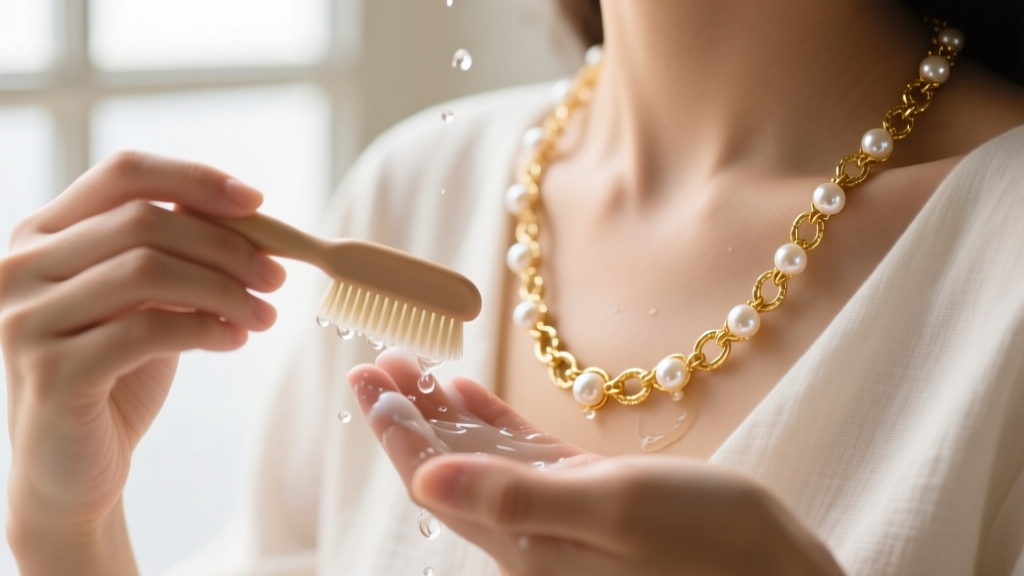
Protocol B: Hard Gemstones and Metallic Chains
For wrap necklaces featuring quartz, onyx, agate, or pure metallic chains (like sterling silver or 14k gold), a more thorough cleaning is safe and effective.
- Fill a glass bowl with lukewarm water and add two drops of gentle dish detergent.
- Submerge the necklace and let it soak for exactly 5 to 10 minutes. Do not exceed this time, especially if the piece contains any glued components.
- Use a baby toothbrush with ultra-soft bristles to gently scrub the chain links and stone settings.
- Rinse thoroughly under a gentle stream of lukewarm water, ensuring the drain is securely plugged.
- Pat dry with a microfiber cloth and allow it to air dry completely flat before storing.
Expert Warning: Never use ultrasonic cleaners or steamers on long wrap necklaces. The high-frequency vibrations can shatter internally fractured stones (like emeralds or opals) and will violently whip delicate chains, causing irreversible kinks and knotting.
The Tangling Crisis: Prevention and Detangling Hacks
The most common point of failure for a long wrap necklace is the 'bird's nest' tangle. Because these necklaces are designed to be looped and knotted, the chains or bead strands frequently catch on one another. When a severe tangle occurs, pulling the ends will only tighten the central knot, potentially snapping the stringing wire or chain links.
The Mineral Oil and Pin Technique
For severe metallic chain tangles, professional jewelers rely on a simple friction-reducing hack:
- Lay the tangled portion flat on a hard, well-lit surface (a glass table or ceramic plate works best).
- Apply a single drop of mineral oil or baby oil directly to the center of the knot. Avoid using olive oil or cooking oils, as they can turn rancid and attract dust.
- Take two straight sewing pins and insert the tips into the center of the knot.
- Gently wiggle the pins in opposite directions to loosen the core of the tangle. The oil reduces the metal-on-metal friction, allowing the microscopic links to slide apart.
- Once loosened, use your fingers to pull the outer loops free, then wash the necklace using Protocol B to remove the oil.
Storage Solutions to Prevent Stretching and Warping
How you store your long wrap necklace is just as important as how you clean it. Hanging a heavy, beaded 60-inch necklace on a standard jewelry hook subjects the bottom curve to continuous gravitational pull, guaranteeing that the silk or nylon thread will stretch and the beads will eventually gap.
| Storage Method | Best For | Pros & Cons |
|---|---|---|
| Hanging on a Hook | Lightweight metallic lariats | Pros: Prevents chain kinks. Cons: Stretches heavy beaded strands. |
| The Over-Under Coil | All chain and beaded wraps | Pros: Eliminates memory kinks. Cons: Requires practice to master. |
| Flat Lay in a Pouch | Pearl and porous stone wraps | Pros: Zero gravitational tension. Cons: Takes up more drawer space. |
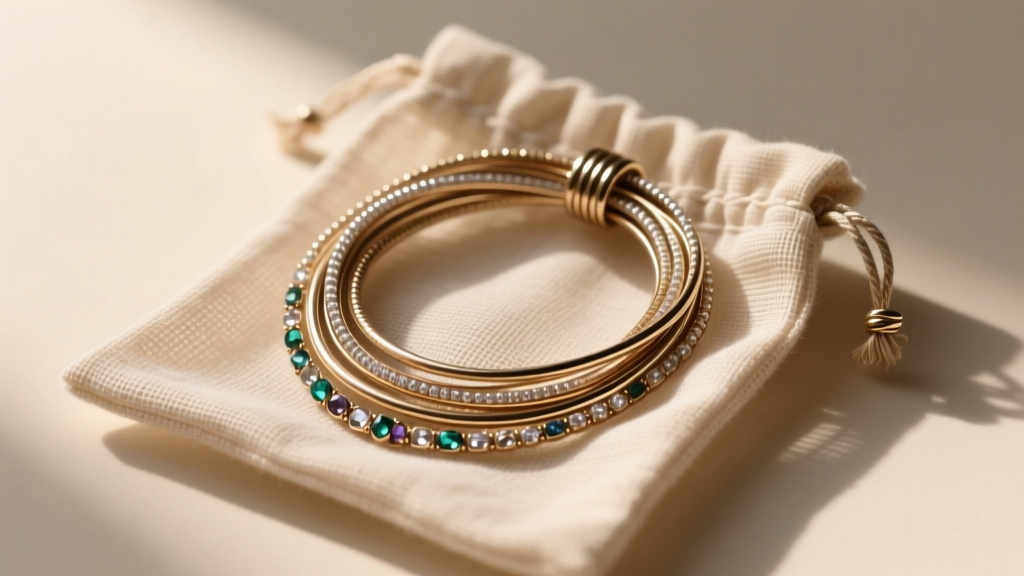
For the Over-Under Coil method, hold the necklace in one hand and use the other to form loops, alternating the direction of the twist with each loop. This technique, borrowed from professional audio cable management, neutralizes the torsional stress on the metal or thread, ensuring the necklace lays perfectly flat when uncoiled.
When to Seek Professional Restringing and Repair
Even with meticulous care, the stringing materials on a beaded long wrap necklace will eventually degrade. The Jewelers of America recommends having heavily worn beaded pieces inspected annually. You should take your necklace to a professional bench jeweler for restringing if you notice any of the following warning signs:
- Visible Gapping: When you lay the necklace flat, you can see the stringing material between the beads. This indicates severe thread stretching.
- Fraying at the Clasp: The thread near the clasp ring looks fuzzy, discolored, or thin. This means the French wire has failed and the metal is actively cutting through the silk.
- Stiff Drape: The necklace no longer drapes fluidly but instead holds rigid, angular shapes. This is a sign that the silk has absorbed oils and dirt, effectively cementing the knots in place.
When commissioning a restring, always request that the jeweler use knotting between every bead. While this is more labor-intensive and costly (typically ranging from $4 to $8 per inch), it ensures that if the necklace ever snaps, you will only lose a single bead rather than watching a 60-inch cascade of gemstones scatter across the floor.
By treating your long wrap necklace with the specialized care it demands, you protect not only your financial investment but also the artistry of its construction. Implement these cleaning, detangling, and storage protocols, and your favorite wrap piece will remain a flawless, versatile staple for decades to come.


