Is a Love Chain Necklace Worth the Price? 2026 Value Guide
Discover if a love chain necklace is a worthy investment in 2026. We analyze material grades, pricing tiers, and long-term value retention.

The Anatomy of a Love Chain Necklace: What Are You Paying For?
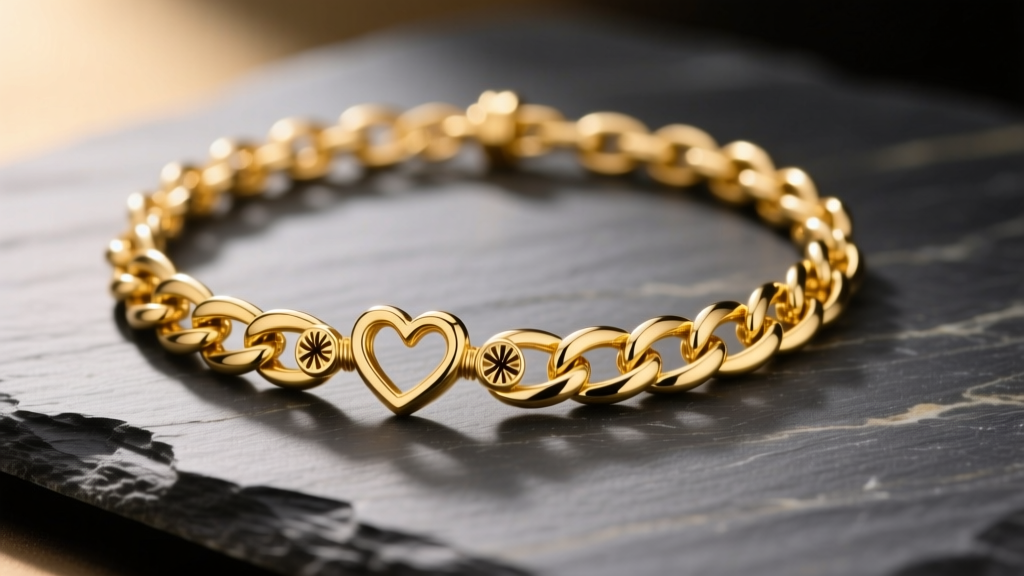
When consumers search for a love chain necklace, they are typically looking for one of two distinct designs: the iconic screw-motif chain popularized by luxury heritage houses, or the interlocking heart-link chains favored by contemporary jewelers. In 2026, the market is saturated with options ranging from $50 fast-fashion replicas to $8,000 solid gold designer pieces. But how do you separate genuine horological and jewelry craftsmanship from overpriced marketing?
To assess the true budget and value of these necklaces, we must first look at the engineering. A high-quality screw-motif love chain requires precise CNC (Computer Numerical Control) machining to ensure the faux screw heads are perfectly centered and beveled. In contrast, interlocking heart chains rely on complex micro-soldering at every single junction. When you pay a premium, you are paying for the structural integrity of these micro-welds and the purity of the alloy, not just the brand stamp on the clasp.
Material Grades & The 2026 Pricing Matrix
Understanding metallurgy is the cornerstone of jewelry value assessment. According to the Gemological Institute of America (GIA), the durability and color of gold jewelry are dictated by its alloy composition. An 18k gold love chain necklace contains 75% pure gold, offering a rich, warm hue but remaining relatively soft and prone to micro-scratches. A 14k gold alternative (58.3% pure gold) is significantly more durable, making it the superior choice for daily-wear chains that endure friction against the collarbone and clothing.
Below is our 2026 market breakdown to help you contextualize pricing based on material and manufacturing origin:
| Market Tier | Material Standard | 2026 Price Range | Expected Lifespan | Resale Value Retention |
|---|---|---|---|---|
| Heritage Luxury | Solid 18k Gold, Hand-Finished | $3,500 - $8,500+ | Lifetime (Generational) | 60% - 85% |
| Mid-Tier Independent | Solid 14k Gold, Machine-Cast | $450 - $1,200 | 15 - 30 Years | 30% - 50% |
| Premium Demi-Fine | Gold Vermeil (Sterling Base) | $120 - $280 | 3 - 7 Years | 0% - 10% |
| Fast Fashion | Gold-Plated Brass/Zinc | $30 - $85 | 6 - 18 Months | 0% |
Failure Modes: Where Budget Love Chains Fall Short
If you are opting for the demi-fine or budget tiers, you must be aware of the specific mechanical failure modes inherent to love chain designs. The interlocking links and screw motifs create unique stress points that cheaper manufacturing processes fail to reinforce.
1. Jump Ring Soldering Failures
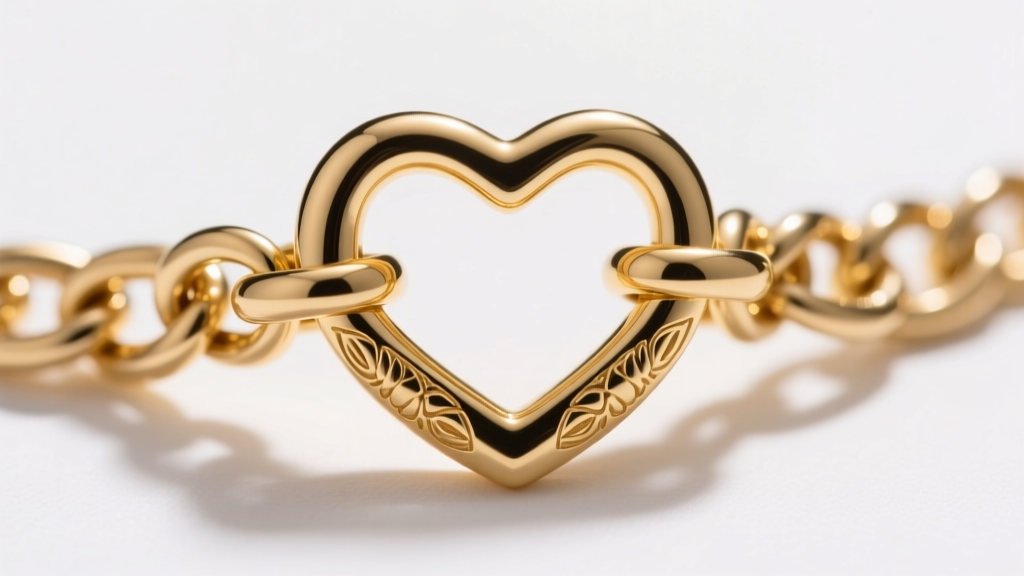
In budget chains, jump rings (the small circles connecting the clasp to the chain) are often 'flash soldered' or merely pinched shut. Over time, the natural tension of a love chain necklace resting on the chest will pull these unsoldered rings apart. A high-value piece will feature laser-welded or seamlessly soldered jump rings that require a jeweler's saw to open.
2. Vermeil Degradation on Friction Points
The Federal Trade Commission (FTC) mandates that gold vermeil must have a sterling silver base and a gold layer of at least 2.5 microns. However, the screw motifs on a love chain act as microscopic abrasives. As the chain moves against your skin and clothing, these raised motifs experience high friction, wearing through the 2.5-micron plating in less than a year, exposing the oxidizing silver beneath.
3. Clasp Mechanism Stripping
Some designer love chains feature functional screw-in clasps rather than standard lobster claws. In mid-tier reproductions, the internal threading of these screw clasps is often cut with low-tolerance taps. After a year of daily screwing and unscrewing, the threads strip, rendering the clasp useless and requiring a complete replacement by a bench jeweler.
Value Retention: Do Designer Love Chains Hold Their Worth?
A critical component of budget assessment is calculating the cost-per-wear and potential secondary market recovery. As noted in recent secondary market analyses by JCK Online, heritage jewelry pieces with recognizable motifs have shown remarkable resilience in the pre-owned market, even amid fluctuating gold spot prices.
"In 2026, iconic motif jewelry—specifically those with instantly recognizable hardware like the love screw or interlocking links—continues to outperform generic gold chains in the secondary market, often retaining up to 80% of their retail value if accompanied by original documentation."
However, this value retention is strictly reserved for heritage houses (e.g., Cartier, Tiffany & Co.). If you purchase a $900 solid 14k love chain from a trendy Instagram brand, you are paying for brand marketing, not horological prestige. The moment you walk out of the virtual checkout, its resale value drops to its intrinsic melt weight (approximately 40% of the retail price). Therefore, if your goal is asset retention, the budget must stretch to the heritage tier. If your goal is purely aesthetic, the mid-tier solid 14k option offers the best mathematical value.
The Verdict: How to Maximize Your Budget in 2026
So, is a love chain necklace worth the investment? The answer depends entirely on your financial strategy and wearability requirements. Here is our expert decision framework for allocating your jewelry budget this year:
- The $50 - $150 Budget: Avoid gold-plated brass entirely. The zinc and copper alloys will react with your skin's pH, turning your neck green and causing contact dermatitis. Instead, seek out surgical-grade stainless steel (316L) with PVD (Physical Vapor Deposition) gold coating. PVD bonding is exponentially more durable than electroplating and will survive years of friction from the chain's motifs.
- The $400 - $900 Budget: This is the 'sweet spot' for value. Focus on independent jewelers using solid 14k gold. Ensure the product description explicitly states 'solid' and not 'gold filled.' 14k gold provides the perfect balance of tensile strength to support the weight of heavy screw or heart motifs without stretching the links over time.
- The $3,000+ Budget: At this tier, you are buying into the secondary market ecosystem. Ensure the necklace comes with a serial number, original box, and certificate of authenticity. Without these, the resale value of even a heritage love chain drops by 30% to 40% on platforms like The RealReal or Rebag.
Ultimately, a love chain necklace is a masterclass in jewelry engineering when executed correctly. By understanding the metallurgy, recognizing the structural weak points, and aligning your purchase with your long-term value goals, you can navigate the 2026 market with confidence and secure a piece that truly warrants its price tag.


