The Ultimate Love Necklaces Buying Guide: What to Look For
Discover what to look for when buying love necklaces. Our expert guide covers metal grades, chain thickness, clasp types, and pricing for romantic pendants.

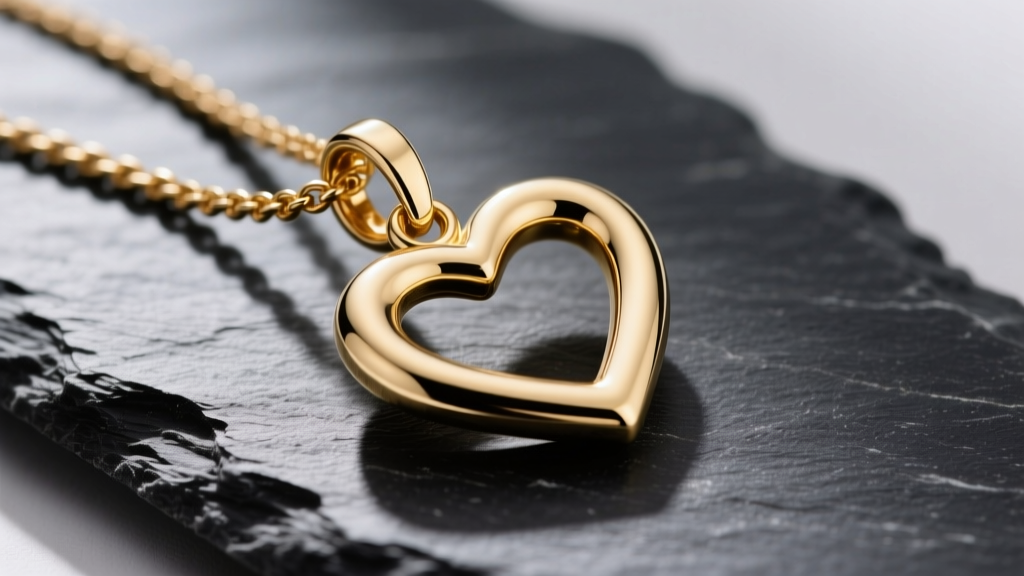
When it comes to romantic jewelry, few pieces carry the emotional weight and enduring appeal of love necklaces. Whether you are shopping for an anniversary gift, a promise piece, or a personal talisman, selecting the right pendant requires looking past the initial sparkle. In 2026, the market is saturated with everything from mass-produced base-metal trinkets to heirloom-quality fine jewelry. As a buyer, understanding the metallurgy, chain engineering, and structural integrity of these pieces is the difference between a necklace that tarnishes in a month and one that lasts a lifetime.
This comprehensive buying guide will walk you through the exact specifications, material grades, and structural details you need to evaluate before purchasing love necklaces. We will decode the symbolism, analyze metal alloys, and provide a practical framework for assessing chain durability and clasp mechanics.
Decoding the Symbolism: Core Styles of Love Necklaces
Love necklaces are not a monolith; they span several distinct design categories, each with its own structural considerations. Understanding the style you are purchasing helps dictate the metal weight and chain type required to support it.
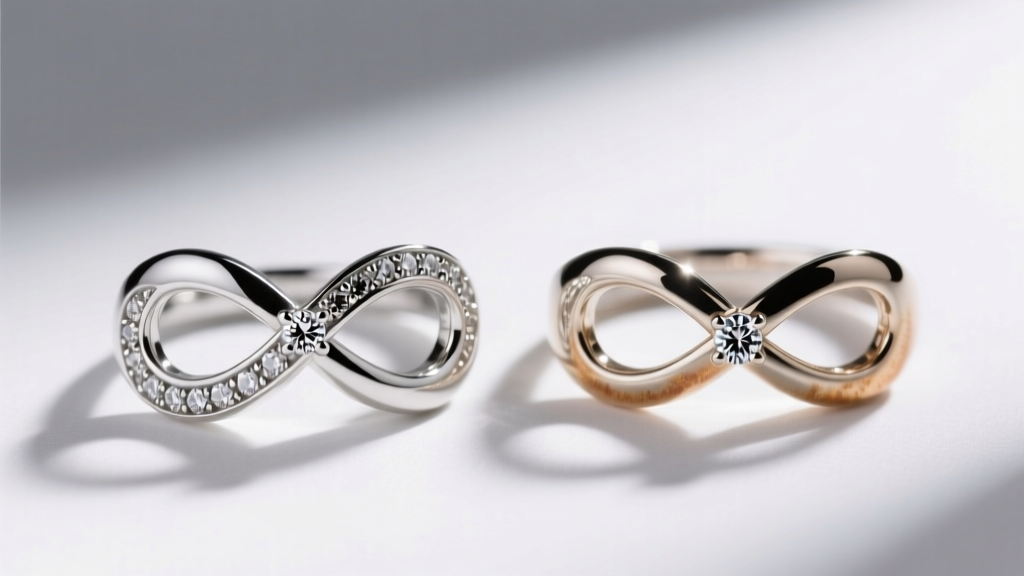
- Interlocking Hearts & Infinity Knots: These rely on complex metal weaving. Look for pieces where the loops are soldered shut or seamlessly cast, rather than merely bent into place, which can snag and pull apart over time.
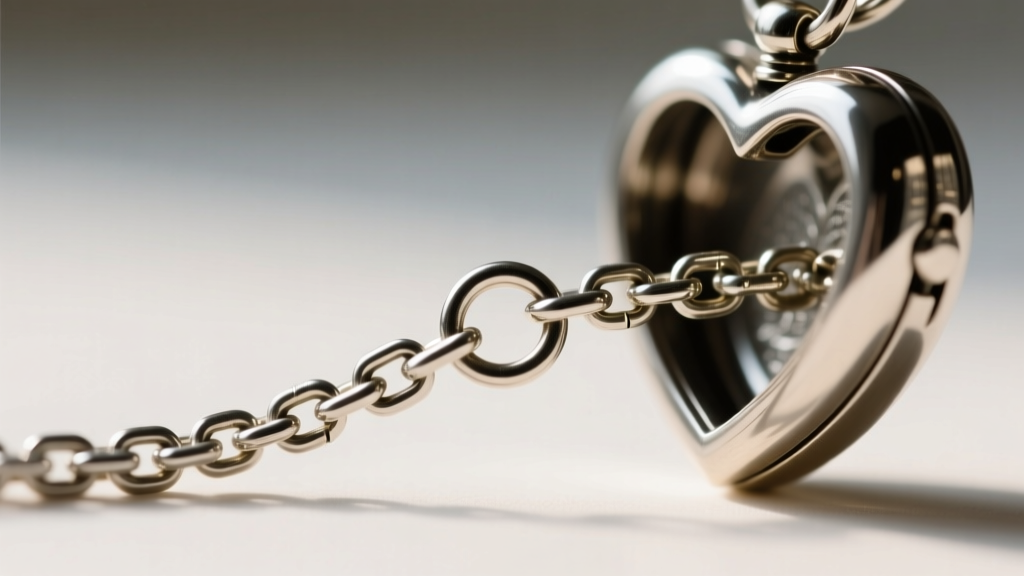
- Hidden Message Lockets: Modern lockets often feature GPS coordinates or soundwave engravings. Ensure the hinge mechanism is reinforced with a secondary pin, and that the clasp closure has a satisfying, audible click to prevent accidental opening.
- Birthstone & Initial Accents: Personalized pendants often incorporate small gemstones. For daily wear, bezel settings are vastly superior to prong settings, as they protect the stone's girdle from impact and prevent snagging on knitwear.
Metal Metallurgy: Choosing the Right Alloy for Daily Wear
Love necklaces are frequently worn 24/7, meaning they are exposed to sweat, friction, and environmental pollutants. The metal you choose dictates the piece's longevity. According to the Gemological Institute of America (GIA), understanding gold alloys is critical for balancing color richness with tensile strength.
| Metal Alloy | Purity Stamp | Durability & Hardness | Best Use Case | Price Tier |
|---|---|---|---|---|
| 14k Yellow/White Gold | 585 or 14k | High (Approx. 140-160 HV) | Everyday wear, active lifestyles, thin chains | Mid-Range |
| 18k Yellow/White Gold | 750 or 18k | Medium (Approx. 120-130 HV) | Heirloom pieces, rich color preference | Premium |
| Platinum | PT950 | High Tensile Strength (Scratches but won't snap) | Hypoallergenic needs, heavy pendants | Luxury |
| Sterling Silver | 925 | Low-Medium (Prone to oxidation/tarnish) | Budget-friendly, occasional wear | Entry-Level |
Expert Insight on White Gold: If you opt for 14k or 18k white gold, remember that it is naturally yellowish and plated with rhodium. This plating will wear off in 6 to 12 months with daily friction, requiring professional re-dipping. If you want a zero-maintenance white metal, choose platinum.
Chain Engineering: Thickness, Length, and Clasp Mechanics
The most common failure point in love necklaces is not the pendant itself, but the chain. A heavy gold heart pendant suspended on a delicate 0.5mm chain is a structural disaster waiting to happen. The pendulum motion of walking creates micro-stresses that will eventually snap thin links.
The Golden Ratio of Chain Thickness
As a general rule, your chain width should be at least one-third the width of the pendant's bail (the loop connecting the pendant to the chain). For most standard love pendants weighing between 3 and 8 grams, a chain thickness of 0.9mm to 1.2mm is the sweet spot. Box chains and rope chains offer superior tensile strength compared to delicate cable or snake chains, which are prone to kinking and crushing.
Clasp and Jump Ring Security
Inspect the jump ring (the small circular ring that attaches the pendant to the chain). It must be soldered shut or thick enough (at least 0.8mm wire gauge) to resist pulling apart. For the clasp, always opt for a lobster claw clasp over a spring ring. Spring rings are notoriously fragile, and their internal springs frequently fail, leading to lost pendants.
Gemstone and Enamel Accents: What to Inspect
Many love necklaces incorporate accents to add color and meaning. If the piece features diamonds or colored gemstones, inspect the setting under magnification. Prong settings should have smooth, rounded tips that do not catch on fabric. For colored stones like rubies or sapphires, ensure the metal backing is open (allowing light to enter) rather than closed, which can trap moisture and degrade the stone over time.
If the necklace features enamel (often used in heart motifs), ask the jeweler if it is vitreous enamel or cold enamel. Vitreous enamel is fired glass, fused to the metal at high temperatures; it is incredibly durable and will not yellow. Cold enamel is essentially an epoxy resin; it is cheaper to produce but will scratch easily and discolor after a few years of exposure to UV light and skin oils.
Pricing Tiers and Authenticity Markers
Navigating the pricing of love necklaces requires an understanding of what drives the cost. Here is a realistic breakdown of what to expect in the current market:
- Entry-Level ($50 - $150): Sterling silver, cold enamel, and cubic zirconia. Expect lightweight chains (0.6mm) and spring ring clasps.
- Mid-Range ($200 - $800): Solid 14k gold, lab-grown diamond accents, and vitreous enamel. Chains will be sturdier (0.9mm+), featuring lobster clasps and soldered jump rings.
- Luxury ($1,000+): 18k gold or platinum, natural earth-mined diamonds, and intricate mechanical elements (like working combination lockets).
Always verify the hallmark. The Federal Trade Commission (FTC) Jewelry Guides mandate that precious metals be stamped with their purity (e.g., 585 for 14k gold, PT950 for platinum). According to Jewelers of America, a reputable piece will also feature a maker's mark or trademark alongside the purity stamp, ensuring traceability and accountability.
Bail Mechanics and Failure Modes
The bail is the unsung hero of any pendant necklace. There are three main types you will encounter:
- Cast Bails: Formed as a single piece with the pendant. These are the strongest but offer less movement.
- Soldered Bails: A separate loop soldered onto the pendant. Ensure the solder joint is smooth and fully sealed.
- Pinch Bails: Often used on gemstone drops, these rely on tension and prongs. Avoid pinch bails for heavy metal love pendants, as the pendulum swing will eventually loosen the grip, causing the pendant to slide off the chain.
Final Pre-Purchase Checklist
Before you finalize your purchase, run the necklace through this rapid diagnostic checklist:
- Is the metal stamped with a recognized purity hallmark (e.g., 14k, 585, PT950)?
- Is the chain thickness at least 0.9mm to support the pendant's weight?
- Does the necklace feature a secure lobster claw clasp rather than a spring ring?
- Is the jump ring connecting the pendant soldered shut or sufficiently thick?
- If enameled, is it vitreous (fired glass) rather than cold (epoxy) enamel?
- Are any gemstones set in snag-free bezel or low-profile prong settings?
By prioritizing structural integrity and material science over fleeting aesthetic trends, you ensure that your love necklaces remain a durable, beautiful symbol of affection for decades to come. Whether you choose a minimalist 14k gold knot or a diamond-studded platinum heart, buying with an expert eye guarantees your investment is built to last.


