Versace Man Necklace Repair: Fixing Clasps, Tarnish & Snags
Expert troubleshooting for your Versace man necklace. Learn how to fix tarnished brass, repair heavy chain clasps, and protect the Medusa bail.

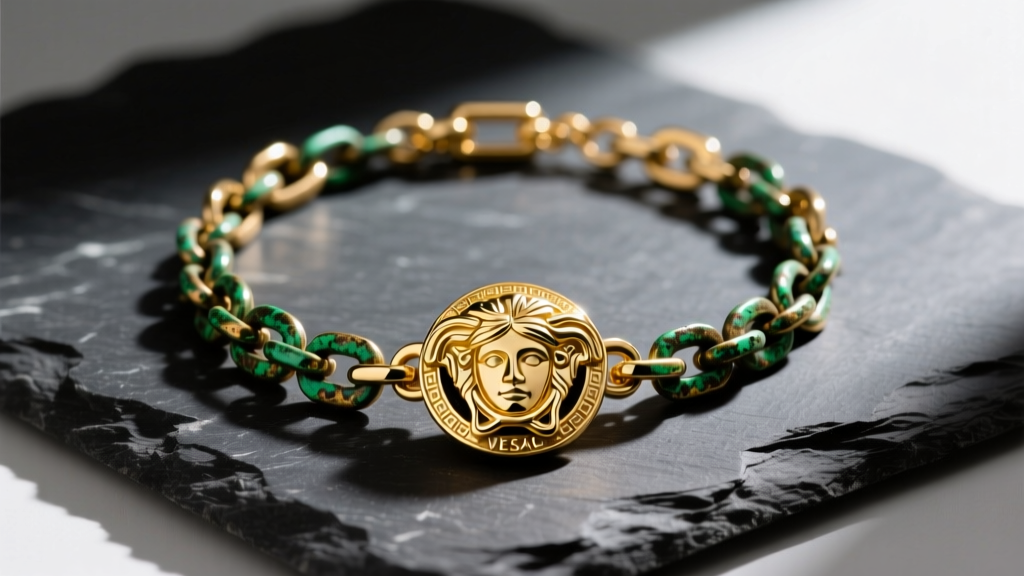
Owning a luxury fashion piece like a Versace man necklace is a statement of bold style, but the iconic Medusa head pendants and heavy Cuban link chains come with unique metallurgical challenges. Unlike fine jewelry crafted from solid 18k gold or platinum, Versace's men's fashion jewelry often relies on gold-plated brass or Ion-Plated (IP) stainless steel. While these materials offer stunning aesthetics and substantial weight, they are highly susceptible to specific failure modes ranging from severe oxidation to clasp fatigue.
If your chain is leaving a green residue on your skin, the lobster clasp is failing to close, or the Medusa pendant feels loose, you are dealing with common structural issues inherent to luxury fashion jewelry. This comprehensive troubleshooting guide will help you diagnose, repair, and maintain your Versace necklace using professional jewelry repair techniques.
The Metallurgy of Versace Men's Chains: Know Your Base Metal
Before attempting any repairs or cleaning, you must identify the base metal of your specific Versace model. The brand primarily uses two distinct manufacturing processes for their men's necklaces:
- Gold-Plated Brass: Common in entry-level and seasonal runway pieces. Brass (an alloy of copper and zinc) provides excellent weight and casting detail for the Medusa motifs but is highly reactive to moisture and skin pH.
- 316L Stainless Steel with IP Plating: Used in premium lines (like the Medusa Power or Iconic collections). Ion Plating (IP) is a vacuum deposition process that makes the gold or black PVD finish up to 10 times more durable than traditional wet electroplating.
Applying the wrong cleaning chemical or polishing technique can permanently strip the finish off an IP-plated chain or accelerate the corrosion of a brass base. Always check the authenticity card or the microscopic stamping near the clasp to determine your metal type.
Troubleshooting the 'Green Neck' Oxidation Issue
The most frequent complaint among owners of gold-plated brass Versace necklaces is the dreaded 'green neck' effect. This is not a sign of a counterfeit piece; rather, it is a basic chemical reaction. The copper in the brass alloy reacts with lactic acid, chlorides, and sulfur compounds present in human sweat, creating copper chloride—a green salt that transfers to the skin.
Immediate Fixes and Preventative Barriers
If your necklace has already started to oxidize, traditional silver dips or harsh ultrasonic cleaners will strip the remaining gold plating. Instead, follow this stabilization protocol:
- Neutralize the Corrosion: Mix a solution of warm distilled water and a few drops of ammonia-free dish soap. Gently agitate the chain with a soft-bristled baby toothbrush to remove built-up sebum and copper salts.
- Apply a Polymer Barrier: For brass chains that you wear daily, apply a micro-thin layer of clear polyurethane nail polish or a specialized jewelry shield (like Jeweler's Skin) to the back of the Medusa pendant and the inner links that touch your skin. This creates an invisible, waterproof barrier between the copper alloy and your skin's pH.
- Professional Rhodium Flashing: If the gold plating has entirely worn off the brass, take the piece to a master jeweler for a 'rhodium flash.' This electroplating process coats the brass in a microscopic layer of rhodium, permanently sealing the copper and preventing future oxidation while restoring a brilliant shine.
For authoritative guidelines on cleaning and preserving plated metals, refer to the Gemological Institute of America (GIA) care protocols, which emphasize avoiding abrasive pastes on plated fashion jewelry.
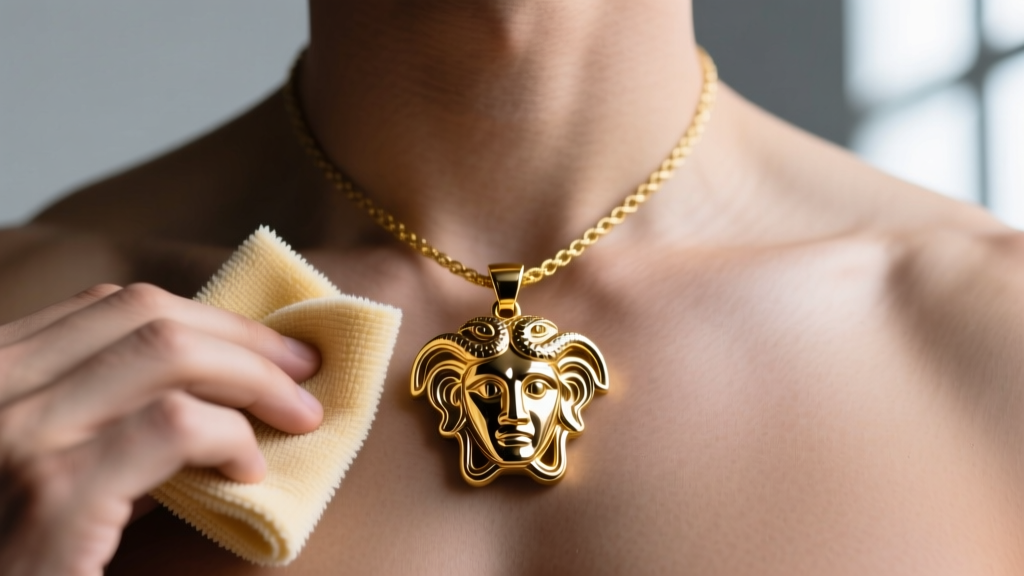
Heavy Chain Clasp Failures and Shear Stress
Versace's signature Cuban and Mariner link chains are intentionally heavy, often weighing between 80 and 140 grams. This massive weight places immense shear stress on the clasp mechanism, particularly the standard lobster clasp. Over time, the internal tension spring weakens, or the lever arm bends, causing the clasp to pop open unexpectedly or fail to engage with the jump ring.
Diagnostic Table: Clasp Failure Modes and Upgrades
| Chain Weight | Standard Clasp Type | Common Failure Mode | Recommended Upgrade |
|---|---|---|---|
| Under 50g | 12mm Lobster Clasp | Spring fatigue; lever sticks open | Replace with heavy-duty 15mm stainless lobster |
| 50g - 90g | 15mm Lobster Clasp | Jump ring deformation; clasp slips off | Upgrade to a locking box clasp with safety latch |
| 90g - 140g+ | Standard Box Clasp | Internal tongue bends under lateral torque | Install a dual-safety figure-8 latch and 10mm steel rings |
Pro-Tip: If your lobster clasp is sticking, do not use WD-40 or petroleum-based lubricants, as they attract dust and degrade plating. Instead, use a microscopic drop of synthetic watch oil applied with a needle tip directly to the hinge pin.
Medusa Bail Friction and Snap Risks
The 'bail' is the loop that connects the heavy Medusa head pendant to the chain. Because Versace pendants are solid and dense, the bail experiences constant kinetic friction as it slides back and forth across the chain links. On gold-plated brass models, this friction acts like a slow-moving saw, gradually thinning the metal at the top curve of the bail.
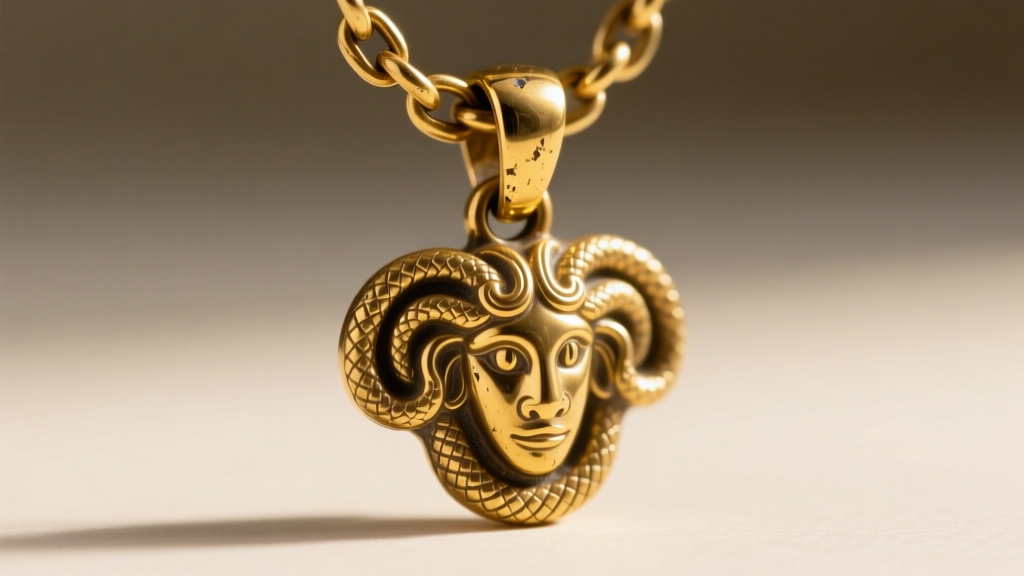
How to Inspect Your Bail for Structural Integrity
A snapped bail means a lost pendant, often without the wearer realizing it until it is too late. Perform this bi-annual inspection:
- The Caliper Test: Use digital calipers to measure the thickness of the bail at its highest wear point (the inside curve where the chain rests). If the metal has worn down to less than 1.2mm, the bail is at critical risk of snapping.
- The Flex Test: Gently try to wiggle the bail side-to-side. There should be zero lateral give. If the bail feels loose or wobbles at the solder joint where it meets the Medusa head, the solder has fractured.
If you detect deep friction grooves or thinning, a jeweler can perform a 'bail wrap'—soldering a new, thicker sterling silver or steel loop inside the existing bail to reinforce it without altering the exterior aesthetic. For complex structural repairs on luxury branded items, always seek out a certified bench jeweler affiliated with organizations like Jewelers of America to ensure the piece is handled with appropriate thermal control.
The Safe Cleaning Protocol for IP-Plated vs. Brass
Troubleshooting a dull or cloudy Versace necklace requires knowing what not to do. Many owners ruin their pieces by tossing them into ultrasonic cleaners. The high-frequency cavitation bubbles in an ultrasonic bath can literally shake the IP plating off stainless steel and shatter any pavé-set crystals or enamel details on the Medusa head.
Step-by-Step Manual Restoration
- Prep the Bath: Fill a glass bowl with lukewarm distilled water (tap water contains chlorine and fluoride which can spot the finish). Add two drops of mild, lotion-free dish detergent.
- Targeted Agitation: Submerge the necklace for no more than 3 minutes. Use a makeup brush (which has softer, denser bristles than a toothbrush) to gently sweep the crevices of the Medusa's hair and the Greek key engravings.
- The Rinse and Dry: Rinse under a gentle stream of distilled water. Immediately pat dry with a lint-free microfiber cloth. Do not air dry, as water spots will etch into the brass if the plating is compromised.
- Final Polish: Use a dry, untreated jewelry polishing cloth to buff the high-relief areas of the Medusa face. Avoid cloths treated with rouge or silver polish, as these abrasives will strip the gold tone.
When to Seek Professional Jewelry Repair
While at-home troubleshooting can resolve oxidation, sticky clasps, and surface dirt, certain issues require professional bench work. If your Versace man necklace suffers from a broken chain link, a completely detached Medusa head, or severe base-metal pitting (where the brass has corroded into deep craters), DIY fixes will only cause further damage. Laser welding is often required to repair broken links on IP-plated steel without burning the surrounding finish, a technique only available at specialized jewelry repair facilities.
By understanding the specific metallurgy and stress points of your Versace necklace, you can proactively troubleshoot common issues, ensuring your luxury chain remains a flawless, heavy-hitting staple in your wardrobe for years to come.


