The Perfect Necklace Wedding Guide: What to Buy in 2026
Discover how to choose the perfect necklace wedding piece for your gown's neckline. Expert tips on metals, lengths, and 2026 bridal trends.

The Anatomy of a Bridal Necklace: Metals and Gemstones
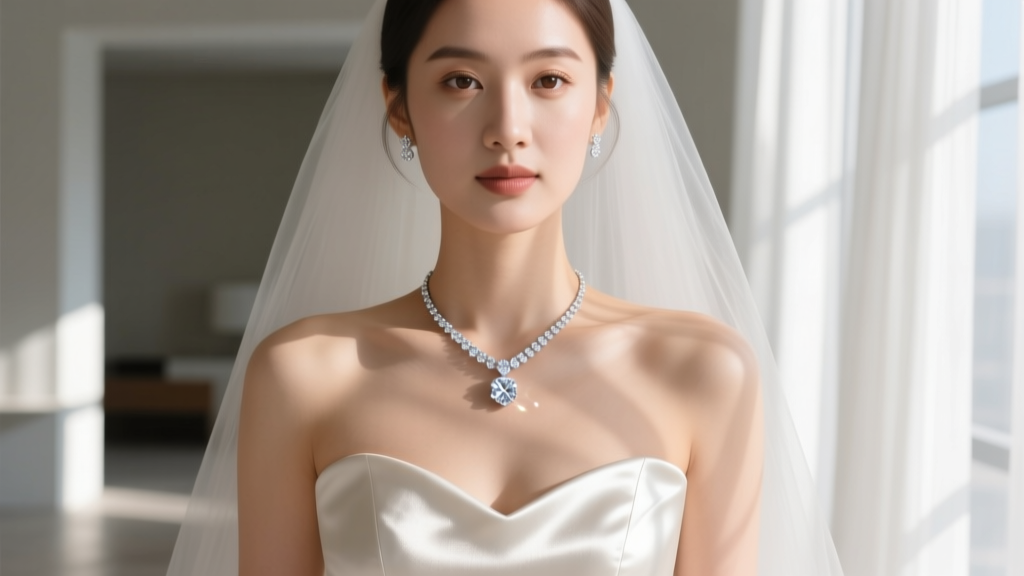
When embarking on your necklace wedding journey, the metallurgical composition of your jewelry is just as critical as its visual appeal. A wedding day involves 12 to 16 hours of continuous wear, temperature fluctuations, and physical movement. Understanding metal grades ensures your piece survives the day without bending, snapping, or causing contact dermatitis.
Precious Metal Grades for All-Day Wear
- Platinum (950 Grade): The undisputed king of bridal metals. Composed of 95% pure platinum and 5% ruthenium or iridium, it is hypoallergenic and incredibly dense. Unlike gold, platinum does not lose metal when scratched; it merely displaces, developing a soft patina over time. It is the safest choice for securing high-value diamond pendants.
- 18k Gold (75% Pure): Offers a rich, warm hue (in yellow or rose gold) and excellent tarnish resistance. However, its higher gold content makes it softer. An 18k chain is beautiful but may stretch over time if paired with a heavy gemstone pendant.
- 14k Gold (58.3% Pure): The pragmatic choice for heavier pendants. The higher alloy content (usually copper, zinc, or silver) increases tensile strength, making 14k chains less prone to snapping under the weight of a substantial bridal pendant.
Gemstone Durability and the Mohs Scale
Not all gemstones are created equal for a high-stress environment like a wedding reception. According to the Gemological Institute of America (GIA), the Mohs scale of mineral hardness is crucial for bridal jewelry. Diamonds (10) and sapphires (9) are impervious to accidental knocks against champagne flutes or seating. Conversely, pearls (2.5 to 4.5) and opals (5.5 to 6.5) require meticulous care. If you choose a pearl necklace wedding piece, apply all perfumes, hairsprays, and makeup at least 30 minutes before putting the necklace on, as the alcohol and chemicals in cosmetics will permanently dull the pearl's nacre.
Matching Your Necklace Wedding Piece to the Gown Neckline
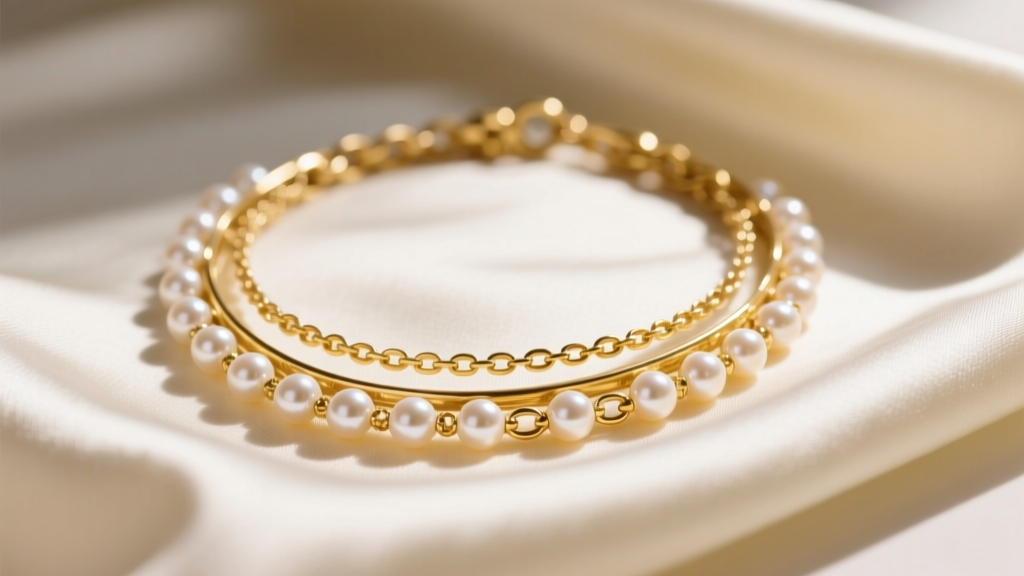
The most common mistake brides make is selecting a necklace in isolation, rather than in dialogue with the dress's architecture. The neckline dictates the optimal chain length and pendant drop. As highlighted by bridal experts at The Knot, balancing negative space is the key to elegant bridal styling.
| Gown Neckline | Ideal Necklace Length | Recommended Style | What to Avoid |
|---|---|---|---|
| Sweetheart | Princess (17-19 inches) | Solitaire pendant or delicate Y-drop | Chokers that cut off the bustline flow |
| V-Neck | Princess or Matinee (18-22 inches) | Pendant that mirrors the V angle | Collars or horizontal bar necklaces |
| Halter / High Neck | N/A (Skip the necklace) | Statement earrings instead | Any necklace; it competes with the fabric |
| Illusion / Bateau | Collar or Choker (12-15 inches) | Delicate diamond tennis or pearl collar | Long pendants that tangle in lace or illusion netting |
| Scoop | Choker or Princess (15-18 inches) | Layered chains or curved collar | Pendants that fall exactly on the dress seam |
2026 Bridal Trends: What's In and What's Out
The bridal jewelry landscape for 2026 has shifted away from the heavy, ostentatious statement pieces of the early 2020s toward hyper-personalized, architectural minimalism. If you are shopping for a necklace wedding collection this year, keep these trend forecasts in mind:
- In: Asymmetrical Layering. Instead of uniform layered chains, 2026 brides are mixing a delicate 14-inch choker with an offset 20-inch lariat. This creates a bespoke, organic look that feels less manufactured.
- In: Colored Gemstone Accents. While diamonds remain the primary focus, subtle accents of Montana sapphires, salt-and-pepper diamonds, or pale morganite are being used in pendants to introduce a something blue or personalized color narrative.
- Out: Overly Thick Chains. Heavy Cuban links or thick rope chains are being relegated to the reception party or after-party. The ceremony calls for chains under 2mm in width to maintain a delicate, timeless silhouette in photographs.
- Out: Matchy-Matchy Sets. Buying a pre-packaged necklace and earring suite is considered dated. Modern styling encourages mixing metals or pairing a diamond pendant with pearl drop earrings for visual texture.
Sizing, Clasps, and Comfort Considerations
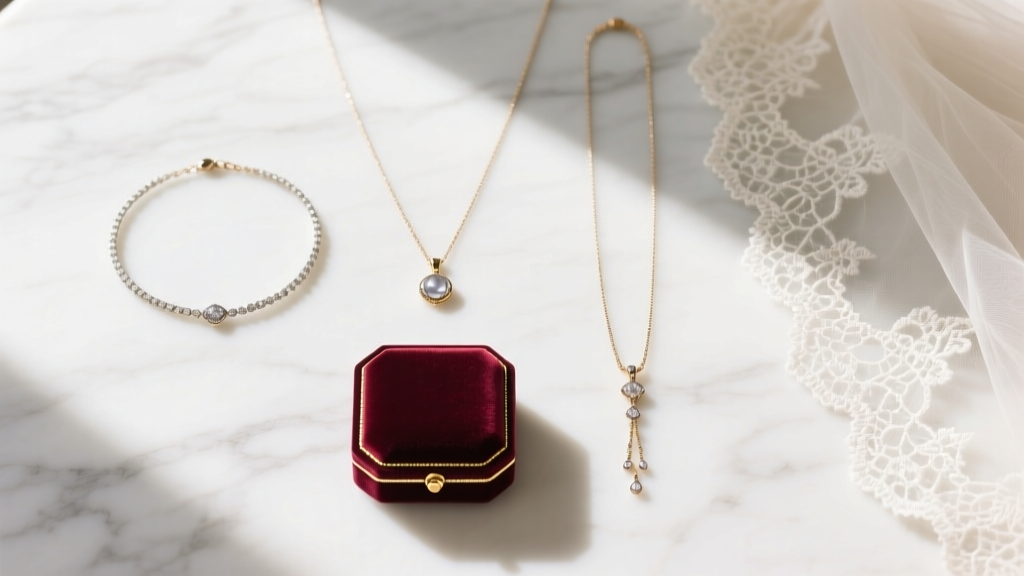
A necklace wedding piece must not only look exquisite but also remain comfortable through hours of hugging, dancing, and dining. The hardware of your necklace is where many budget and mid-tier brands cut corners.
The Extender Chain Rule
Always opt for a necklace with a 2-inch extender chain. A bride's neck can swell slightly due to hydration, heat, and nervousness. An extender allows you or your maid of honor to adjust the fit in seconds without needing a jeweler's pliers. Furthermore, if you plan to wear the necklace with a different outfit for the rehearsal dinner or honeymoon, the extender provides crucial styling versatility.
Clasp Mechanics
Avoid standard spring-ring clasps for any bridal pendant weighing over 3 grams; the internal tension spring is prone to failure and difficult to operate with manicured nails. Instead, look for a lobster clasp for chains under 1.5mm, or a box clasp with a figure-eight safety catch for heavier, multi-carat diamond tennis necklaces. The safety catch ensures that if the primary clasp fails, the necklace remains tethered to your neck.
Budgeting: Real Pricing Tiers for Bridal Necklaces
Understanding the market tiers prevents overpaying for brand names or underpaying for questionable metallurgy. Here is what you can expect to pay in the current market:
- Fashion / Bridge ($80 - $250): Brands like Kendra Scott or BaubleBar. Typically gold vermeil (a thick layer of gold over sterling silver) or gold-filled. Excellent for a single-day wear or budget-conscious brides, but vermeil will eventually wear down to the silver base with daily post-wedding use.
- Demi-Fine ($300 - $900): Brands like Mejuri or Gorjana. Solid 14k gold chains with small, ethically sourced diamond chips or lab-grown sapphire accents. This is the sweet spot for brides who want solid gold that will last a lifetime without the fine jewelry markup.
- Fine / Luxury ($1,500 - $10,000+): Brands like Tiffany & Co., Cartier, or independent high jewelers. Features 18k gold or platinum, natural or high-grade lab diamonds, and exceptional clasp engineering. You are paying for the brand heritage, the gemological certification, and the resale value.
Expert Insight: If your budget is limited, invest 80% of your funds into the chain's metal quality (solid 14k or 18k gold) and 20% into a small, high-clarity diamond pendant. A high-quality chain will elevate even a modest pendant, whereas a cheap chain will tarnish and ruin the look of a beautiful diamond.
Final Checklist Before Checkout
Before you finalize your necklace wedding purchase, run through this quick quality assurance checklist:
- Verify the metal hallmark (e.g., 750 for 18k, 585 for 14k, PT950 for platinum) is stamped on the clasp or end tag.
- Check the return policy. Ensure you have at least 30 days to return the piece in case it clashes with the dress's lace or beading during the final fitting.
- Confirm the pendant bail (the loop connecting the stone to the chain) is soldered shut, not just pinched closed, to prevent the stone from slipping off.
- Order at least 8 weeks before the wedding to allow time for custom sizing or potential repairs.
Choosing the right necklace wedding piece is about harmonizing durability, aesthetics, and the structural lines of your gown. By prioritizing metal integrity, matching lengths to necklines, and understanding modern bridal trends, you will secure a piece that looks as breathtaking in your 50th-anniversary photos as it did walking down the aisle.


