Lucifer Sigil Necklace Guide: Meanings, Metals, and Styling
Discover the history, metal choices, and styling tips for your first lucifer sigil necklace. A beginner-friendly guide to esoteric jewelry.

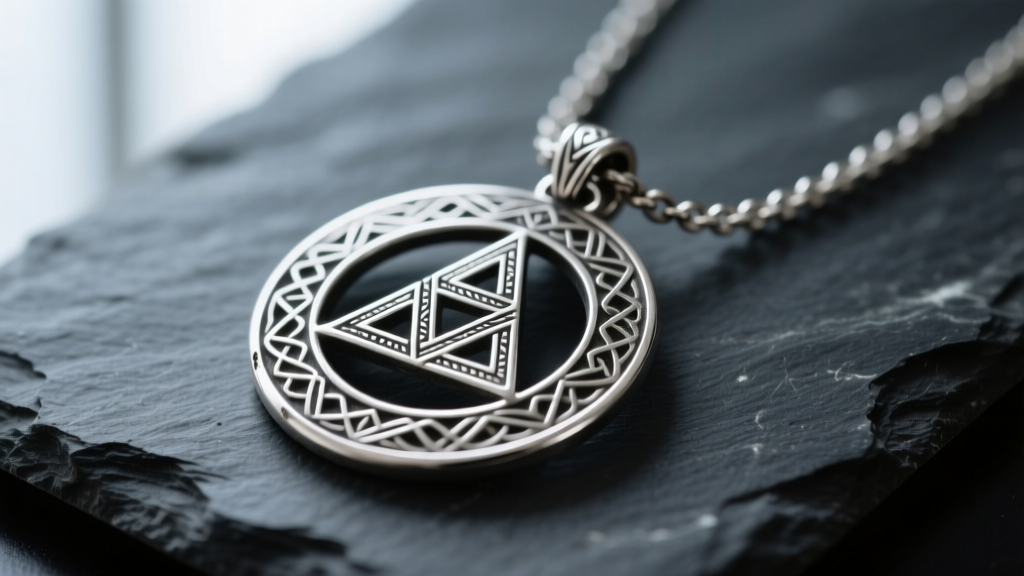
The Esoteric Origins: Decoding the Sigil
When exploring occult and esoteric jewelry, the lucifer sigil necklace stands out as a piece rich in historical complexity and geometric intrigue. For beginners, it is crucial to distinguish between authentic historical sigils and modern pop-culture interpretations. The true Lucifer sigil originates from the Grimorium Verum, a notorious 17th-century grimoire that cataloged various seals and signatures used in ceremonial magic. Unlike the widely recognized 'Morning Star' hexagram or generic pentagrams often sold in mall kiosks, the authentic Grimorium Verum sigil is a highly specific, asymmetrical glyph featuring intersecting lines, distinct loops, and cross-terminations.
Understanding this historical context elevates your jewelry from a mere edgy accessory to a wearable piece of esoteric antiquity. According to occult historians and archives documented by the Public Domain Review, these grimoires were meticulously hand-drawn, meaning the exact angles and proportions of the sigil were considered vital to its symbolic function. When sourcing your necklace, look for artisans who reference the original 1612 manuscript plates rather than simplified, mass-produced vector graphics.
Material Matters: Choosing the Right Metal for Daily Wear
The most common point of failure for beginner occult jewelry buyers is ignoring metallurgy. Many inexpensive sigil pendants are cast from 'pot metal' or raw brass. While brass offers a beautiful, heavy, antique-gold appearance, it contains high levels of copper. When copper reacts with the natural acids, sweat, and lotions on your skin, it oxidizes rapidly, leaving a stubborn green or black stain on your chest.
To ensure your necklace is comfortable for daily wear, you must select biocompatible metals. Here is a breakdown of the best materials for an esoteric pendant:
| Metal Grade | Pros | Cons | Best For |
|---|---|---|---|
| ASTM F136 Titanium | 100% hypoallergenic, lightweight, highly durable | Difficult to cast with ultra-fine detail, limited patina options | Sensitive skin, 24/7 wear |
| .925 Sterling Silver | Excellent detail in lost-wax casting, takes oxidation well | Requires occasional polishing, can tarnish | High-end artisan pieces, heirlooms |
| 316L Surgical Steel | Affordable, highly resistant to rust and tarnish | Heavier on the neck, difficult to resize or repair | Budget-conscious buyers, streetwear |
| Solid 14k Gold | Prestigious, will never tarnish or turn skin green | Very expensive, soft metal can bend if the pendant is heavy | Luxury collectors, fine jewelry stacks |
The Importance of the Lost-Wax Casting Method
If you opt for sterling silver or gold, ensure the jeweler uses the lost-wax casting method. This ancient technique involves carving the intricate sigil into a wax model, encasing it in a plaster investment, and burning the wax out before injecting molten metal. This captures the sharpest geometric corners of the sigil, whereas cheap stamping or die-casting results in rounded, muddy edges that ruin the glyph's precision.

Chain Mechanics: Why Pendant Weight Dictates Your Choice
A solid, well-cast sigil pendant measuring roughly 25mm to 35mm in diameter will typically weigh between 10 and 18 grams. Pairing a heavy pendant with a flimsy 1mm cable chain is a recipe for disaster; the chain will stretch, kink, and eventually snap at the clasp or the jump ring.
Furthermore, you must check the bail inner diameter. The bail is the loop at the top of the pendant through which the chain threads. A heavy sigil pendant usually features a reinforced 5mm to 6mm bail. If you purchase a thick rope chain but the clasp is too bulky to pass through the bail, you will need to rely on a jeweler to add a heavy-duty jump ring.
- Wheat Chains (2.5mm - 3.5mm): The absolute best choice for heavy pendants. The interlocking, braided links distribute weight evenly and offer immense tensile strength.
- Rolo Chains (3.0mm+): A classic, robust choice. Ensure the links are soldered (closed with a tiny weld) rather than just butted together, preventing them from pulling apart under the pendant's weight.
- Box Chains (2.0mm+): Offer a sleek, modern, geometric look that complements the sharp lines of the sigil, though they can kink if bent sharply.
Styling an Occult Pendant for Everyday Wear
The beauty of a lucifer sigil necklace lies in its versatility. While it naturally leans into dark academia, gothic, or alternative aesthetics, it can easily be integrated into a refined, everyday wardrobe through strategic layering and neckline pairing.
The Rule of Thirds in Layering
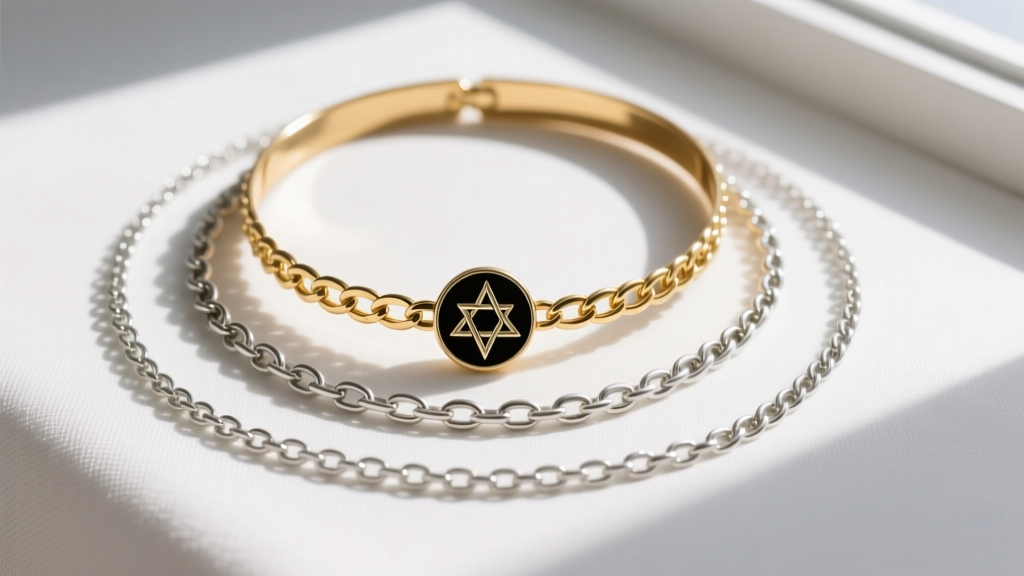
To prevent your necklaces from tangling and to create a visually pleasing cascade, follow the 'rule of thirds' for chain lengths. Start with a delicate 16-inch choker or collar chain (perhaps a simple gold or silver bead chain). Next, place your sigil pendant on a 20-inch chain, allowing it to rest squarely on the sternum. Finally, anchor the stack with a 24-inch or 28-inch plain chain or a simple bar pendant. This creates distinct visual tiers and ensures the intricate geometry of the sigil is not obscured by other charms.
Pairing with Necklines
For crew necks and high collars, opt for a longer chain (22 to 24 inches) so the pendant rests visibly below the fabric line. For V-necks and open button-downs, an 18 to 20-inch chain perfectly frames the collarbone and draws the eye inward. Avoid wearing highly detailed, antiqued sigils over busy, patterned fabrics; the intricate black-and-silver contrast of the pendant needs a solid, neutral canvas like black, charcoal, or cream to truly pop.
Sourcing Authentic and High-Quality Pieces
When shopping for your first piece, avoid mass-market dropshipping sites that use generic, AI-generated renderings of occult symbols. Instead, seek out independent artisan jewelers on platforms like Etsy or specialized occult boutiques. Look for sellers who provide exact weight specifications, metal hallmarks (such as '925' stamped directly into the bail), and clear macro photography of the pendant's reverse side. A high-quality caster will also finish the back of the pendant, ensuring it is smooth against the skin rather than leaving raw, pitted casting marks.
'True esoteric jewelry is not just about the symbol you wear, but the intention and craftsmanship forged into the metal. A well-cast sigil feels like an artifact, not an accessory.'
Care and Maintenance for Antiqued Metals
Most high-end sigil necklaces feature an 'antiqued' or 'oxidized' finish. This is achieved by exposing the silver or copper to Liver of Sulfur, a chemical compound that rapidly darkens the metal. The jeweler then polishes the high points, leaving the deep, recessed lines of the sigil pitch black. This high-contrast finish is what makes the complex geometry of the Lucifer sigil legible.
According to the Gemological Institute of America (GIA), improper cleaning can ruin this delicate patina. Never use liquid silver dips or ultrasonic cleaners on an antiqued pendant. These harsh chemicals will strip the oxidation from the crevices, leaving you with a flat, gray, lifeless piece of metal.
Instead, maintain your necklace by gently buffing only the raised, high-polish edges with a dry, treated silver polishing cloth. Store the piece in an anti-tarnish flannel bag or a sealed silicone pouch when not in wear to slow down natural environmental oxidation. With proper metallurgical choices and careful maintenance, your lucifer sigil necklace will remain a striking, deeply personal talisman for decades to come.


