Luck Necklace Guide: Metallurgy, Gemstone Hardness & Chain Tech
Discover the technical anatomy of a luck necklace. We analyze gemstone hardness, chain mechanics, and metal grades to ensure your talisman lasts.

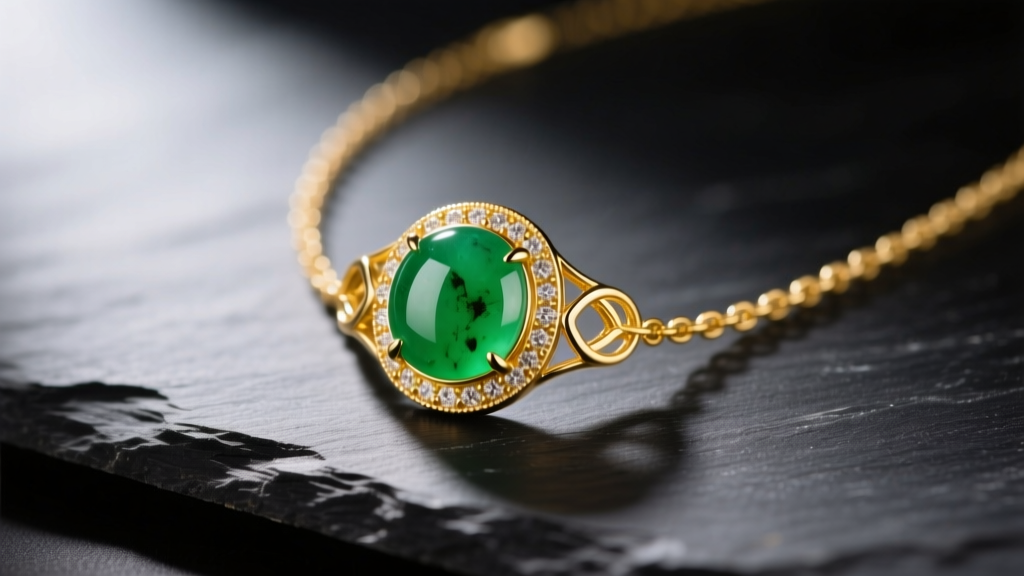
When consumers search for a luck necklace, they are usually focused on the symbolism of the pendant—an evil eye to ward off negativity, a horseshoe for prosperity, or a four-leaf clover for serendipity. However, from a metallurgical and gemological perspective, the true 'magic' of a daily-wear talisman lies in its structural engineering. A lucky charm that loses its stone, snaps at the clasp, or corrodes against the skin loses its functional integrity and, arguably, its mystique.
This expert deep dive bypasses the superstition to examine the material science, tensile strength, and gemological realities of luck necklaces. Whether you are sourcing a piece for a client or investing in a personal heirloom, understanding these technical specifications will ensure your talisman survives the rigors of daily wear.
The Metallurgy of Fortune: Base Metals and Alloy Integrity
The foundation of any luck necklace is its chain and pendant bail. The metal must resist galvanic corrosion, tensile fatigue, and chemical degradation from human sebum and environmental pollutants.
14k vs. 18k Gold: The Tensile Sweet Spot
While 18k gold (75% pure gold) offers a richer, warmer hue, it is inherently softer due to the higher concentration of malleable pure gold. For a luck necklace intended for 24/7 wear, 14k gold (58.5% pure gold) is the superior engineering choice. The remaining 41.5% consists of alloying metals like copper, silver, and zinc, which drastically increase the alloy's yield strength and scratch resistance. A 1.2mm 14k gold cable chain can withstand approximately 4 to 6 pounds of tensile force before link deformation, whereas an identical 18k chain may yield at just 2.5 to 3 pounds.
Sterling Silver (925) and the Tarnish Variable
Sterling silver is 92.5% silver and 7.5% copper. That copper content is the Achilles' heel of silver luck necklaces, as it readily reacts with sulfur compounds in the air and human sweat to form silver sulfide (tarnish). If you are designing or purchasing a silver talisman, look for pieces that have been rhodium-plated. However, be aware that standard rhodium flash plating is incredibly thin (0.1 to 0.5 microns) and will wear off the high-friction areas of the chain within 6 to 12 months, requiring re-plating.
Gemstone Hardness & Toughness: Will Your Lucky Stone Survive?
Many traditional 'lucky' stones are notoriously fragile or porous. Confusing hardness (resistance to scratching) with toughness (resistance to breaking or chipping) is the most common error in talisman jewelry design.
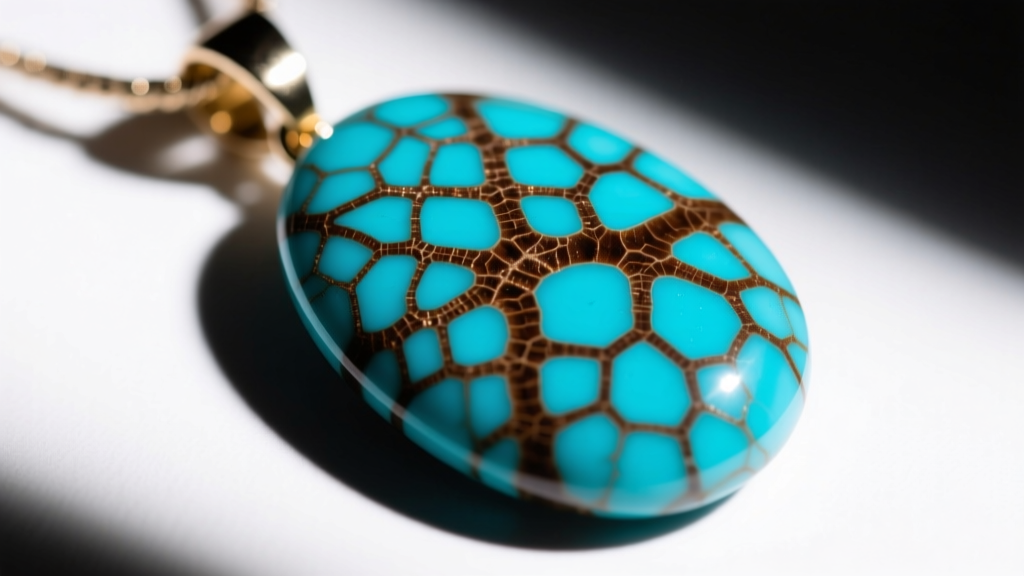
According to the GIA Gem Encyclopedia, evaluating a stone requires looking at both its Mohs hardness and its cleavage/fracture properties. Below is a technical breakdown of common lucky stones and their structural vulnerabilities.
| Lucky Stone | Mohs Hardness | Toughness & Structure | Technical Vulnerability & Required Treatment |
|---|---|---|---|
| Jade (Nephrite) | 6.0 - 6.5 | Exceptional (Fibrous interlocking crystals) | Highly resistant to chipping. Can withstand severe impacts. Requires no structural treatment. |
| Jade (Jadeite) | 6.5 - 7.0 | Good (Granular structure) | Harder than Nephrite but more brittle. Prone to chipping on sharp edges if dropped on tile. |
| Turquoise | 5.0 - 6.0 | Poor to Fair (Porous, cryptocrystalline) | Absorbs skin oils and cosmetics, causing color shifts. Must be stabilized with epoxy resin or undergo the Zachery treatment for daily wear. |
| Malachite | 3.5 - 4.0 | Fair (Banded copper carbonate) | Highly sensitive to acids and ammonia. Will dissolve and release toxic copper salts if exposed to heavy, acidic sweat over time. |
| Tiger's Eye | 7.0 | Good (Fibrous asbestos replaced by silica) | Excellent durability. Resists scratching from everyday dust (which is mostly quartz, Mohs 7). |
Notice the distinction between Nephrite and Jadeite. While Jadeite scores slightly higher on the Mohs scale, Nephrite's interlocking fibrous crystal structure makes it one of the toughest natural gemstones on earth, making it the ultimate technical choice for a high-impact luck necklace.
Chain Mechanics: Tensile Strength and Clasp Engineering
The chain is the structural suspension system of your pendant. Choosing the wrong chain profile or clasp mechanism is the leading cause of lost jewelry.
Chain Link Profiles and Wire Gauge
For a standard luck pendant weighing between 3 and 8 grams, a 20-gauge (0.8mm) to 18-gauge (1.0mm) chain is required. However, the link profile dictates how the chain handles multi-directional stress:
- Cable Chains: The links are uniform and lie flat. They are highly flexible but prone to kinking if twisted, which weakens the solder points.
- Box Chains: Composed of square, interlocking links. They offer superior tensile strength and resist kinking, making them the most reliable choice for heavier, solid-stone talismans.
- Rope Chains: While visually complex, the twisted links create multiple friction points. If one link fails, the entire chain can unravel rapidly.
The Hidden Failure Point: Clasp Springs
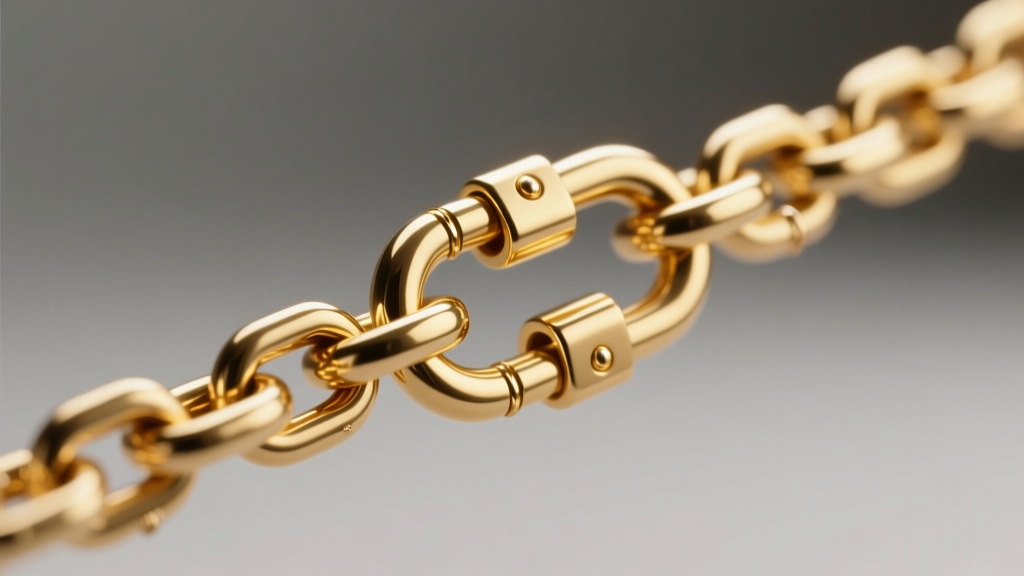
The most catastrophic failure point on a luck necklace is the clasp. Standard spring ring clasps contain a tiny internal steel spring. When exposed to saltwater, sweat, or high humidity, this steel spring will inevitably oxidize and rust, causing the clasp to jam in the open or closed position. For a piece meant to be worn daily, always upgrade to a solid gold or platinum lobster clasp, which utilizes a larger, more robust internal mechanism and eliminates the risk of galvanic corrosion from mixed metals.
Setting Techniques: Protecting the Talisman
How the lucky stone is secured into the metal pendant dictates its lifespan. Soft, porous stones like turquoise and malachite should never be set in traditional prong settings. Prongs exert localized point-pressure on the stone's girdle, which can easily fracture a brittle or stabilized stone upon impact.
Expert Rule of Thumb: Any gemstone below a 6.5 on the Mohs scale intended for daily neck wear must be set in a full bezel or half-bezel setting. The metal rim absorbs the kinetic energy of accidental impacts, shielding the stone's vulnerable edges.
Furthermore, bezel settings prevent the accumulation of sebum, lotions, and dirt underneath the stone, which is particularly critical for porous materials like turquoise that can permanently stain from trapped cosmetics.
Maintenance and Chemical Exposure Protocols
Even the most expertly engineered luck necklace requires technical maintenance. According to jewelry conservation guidelines outlined by institutions like Rio Grande's metallurgical guides, the pH level of human sweat (typically between 4.5 and 7.0) is enough to slowly degrade polished surfaces and damage acid-sensitive stones.
To maintain the structural and aesthetic integrity of your talisman:
- Ultrasonic Warning: Never place turquoise, malachite, or dyed jade in an ultrasonic cleaner. The high-frequency vibrations will shatter stabilized resins and strip dyes.
- Chemical Isolation: Apply all perfumes, aerosols, and chemical sunscreens at least 10 minutes before putting on the necklace. The alcohol and volatile organic compounds (VOCs) in these products can degrade the epoxy used in stone stabilization.
- Mechanical Polishing: Use a treated, anti-tarnish polishing cloth for silver chains. Avoid liquid silver dips, as they strip the rhodium plating and can leave microscopic chemical residues that accelerate future tarnishing.
By prioritizing metallurgical stability, gemstone toughness, and mechanical engineering over mere aesthetics, you ensure that your luck necklace remains a permanent, resilient fixture in your wardrobe rather than a fragile, temporary novelty.


