2026 Lunula Necklace Gift Guide: Meanings & Occasions
Discover the perfect lunula necklace for every occasion. Our 2026 gift guide covers crescent moon meanings, precious metals, and styling tips.

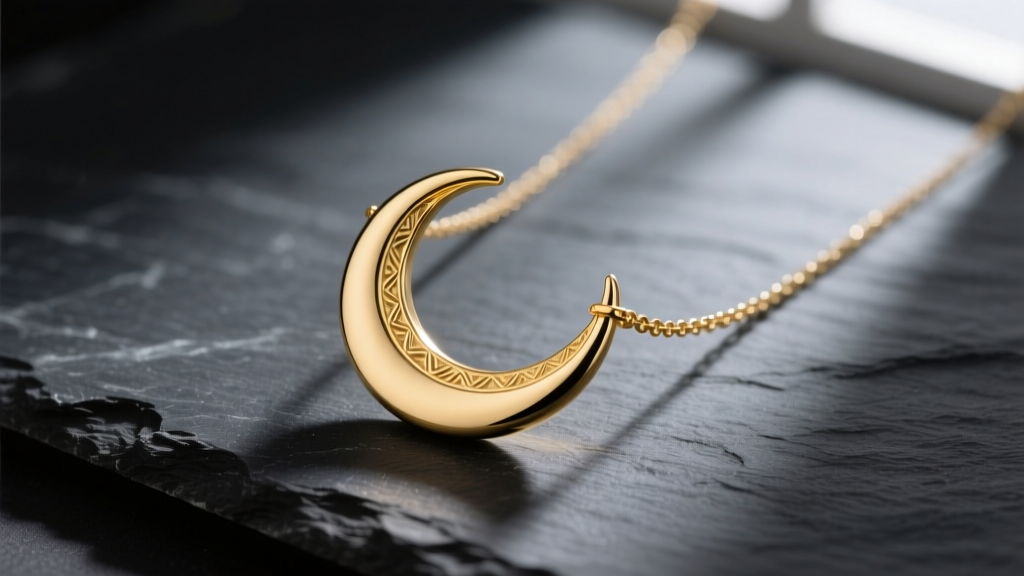
The Ancient Roots and Modern Meaning of the Lunula
Long before it became a staple of contemporary jewelry boxes, the crescent moon motif held profound significance in ancient civilizations. The term 'lunula' is Latin for 'little moon,' but its history stretches back much further. According to the British Museum's extensive collection, the earliest gold lunulae date back to the Irish Bronze Age (c. 2400–2000 BC). These were not delicate pendants, but rather broad, hammered gold collars worn by high-status individuals. Later, in ancient Rome, the lunula took the form of an amulet (the lunula bulla) worn by young girls to ward off the evil eye and protect their purity until marriage.
Today, the lunula necklace has evolved into a powerful symbol of the divine feminine, lunar cycles, intuition, and new beginnings. Because the moon waxes and wanes, gifting a crescent moon pendant is a deeply personal gesture. It acknowledges the recipient's natural rhythms, celebrates their resilience through life's phases, and serves as a modern talisman for protection and guidance. Whether you are shopping for a minimalist micro-lunula or a diamond-encrusted statement piece, understanding the symbolism elevates the gift from a simple accessory to a meaningful heirloom.
Matching the Lunula to the Occasion: A Gifting Framework
To gift a lunula necklace is to offer a symbol of continuity and protection. However, the style, metal, and scale of the pendant should be carefully matched to the recipient's lifestyle and the specific milestone being celebrated. Below is a structured decision matrix to help you select the ideal piece for 2026's most common gifting occasions.
| Occasion | Recipient Profile | Ideal Lunula Style | Metal & Price Range |
|---|---|---|---|
| 21st Birthday / Graduation | Young adult, trend-conscious, everyday wearer | Minimalist micro-lunula (12mm-15mm) on a 16-inch cable chain | 925 Sterling Silver or Vermeil ($45 - $95) |
| New Mother / Maternity | Embracing life cycles, nurturing, sentimental | Engraved lunula with a flush-set birthstone accent | 14k Solid Yellow Gold ($350 - $650) |
| Anniversary / Milestone | Romantic, elegant, prefers fine jewelry | Diamond-pavé crescent (20mm-25mm) on an 18-inch box chain | 18k Gold or Platinum ($800 - $1,800+) |
| Spiritual / Astrological | Yogi, astrology enthusiast, bohemian style | Textured or hammered lunula with raw moonstone inlay | Oxidized Sterling Silver ($120 - $280) |

Material Grades and Pricing Tiers for 2026
When investing in a crescent moon pendant, understanding metallurgy is crucial for ensuring the piece lasts a lifetime. The Gemological Institute of America (GIA) outlines strict standards for precious metals, and knowing the difference between plating, vermeil, and solid gold will save you from buyer's remorse.
925 Sterling Silver
Composed of 92.5% pure silver and 7.5% copper alloy, sterling silver is an excellent choice for accessible gifting. The copper adds necessary tensile strength, but it also makes the metal prone to oxidation. If gifting sterling silver, include a treated anti-tarnish polishing cloth and advise the recipient to store the necklace in an airtight pouch when not in use.
Gold Vermeil vs. Standard Plating
Vermeil (pronounced ver-may) is a premium alternative to solid gold. According to GIA's silver and metal guidelines, true vermeil must consist of a sterling silver base coated with a minimum of 2.5 microns of 10k, 14k, or 18k gold. Standard gold-plated jewelry often uses a brass base and a microscopic gold layer (under 0.5 microns) that wears off within months. Always verify the micron thickness when purchasing vermeil lunulae to ensure longevity.
14k vs. 18k Solid Gold
For heirloom-quality gifts, solid gold is unmatched. 14k gold (58.5% pure gold) is highly durable and resistant to scratching, making it ideal for everyday wear. 18k gold (75% pure gold) offers a richer, deeper yellow hue but is slightly softer. If the lunula features intricate filigree or delicate prongs holding gemstones, 14k gold provides better structural security.
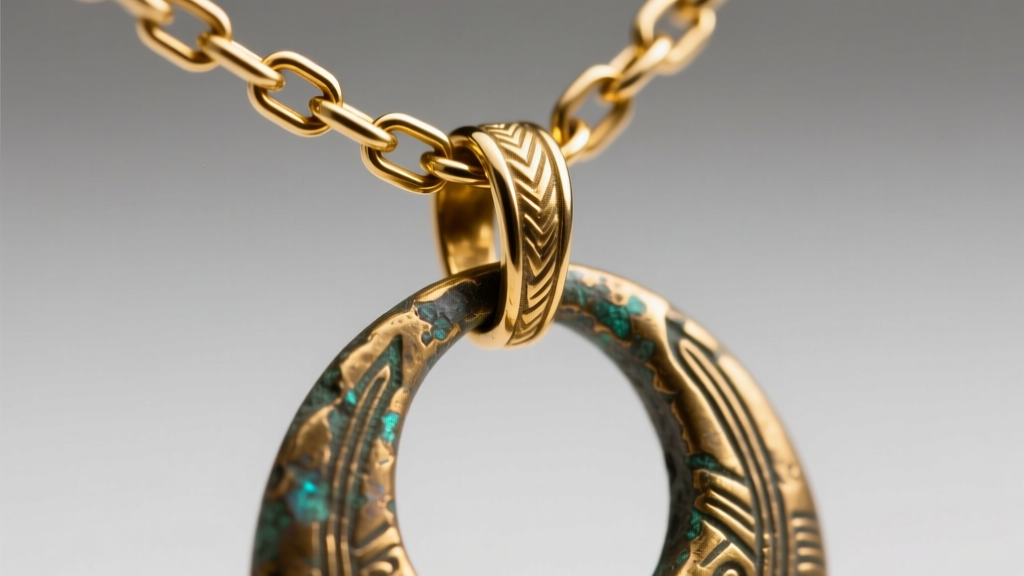
Chain Engineering: Selecting the Right Gauge and Length
A common mistake when gifting necklaces is overlooking the chain. The chain must not only complement the pendant aesthetically but also support its weight without risking breakage. The structural integrity of the necklace relies heavily on the relationship between the pendant's bail (the loop it hangs from) and the chain's gauge (thickness).
- Delicate Lunulae (Under 5 grams): Pair with 0.8mm to 1.0mm cable or rolo chains. These fine chains disappear against the skin, allowing a minimalist crescent to float elegantly on the collarbone.
- Medium Statement Pieces (5 to 15 grams): A 1.2mm to 1.5mm box chain or wheat chain provides excellent tensile strength while maintaining a refined look. Box chains are particularly recommended as their interlocking square links resist kinking.
- Heavy Cast or Gemstone Lunulae (15+ grams): Require a robust 2.0mm+ rope or curb chain. Ensure the bail dimensions are at least 4mm x 5mm to accommodate these thicker chains without friction.
Furthermore, pay attention to the clasp. Spring ring clasps are standard on delicate chains but can be frustrating to fasten. Upgrading to a lobster clasp or a magnetic slider clasp adds a premium, user-friendly touch that the recipient will appreciate daily.
Mastering the Layered Lunar Look
In 2026, necklace layering remains a dominant styling technique, and the lunula is the perfect anchor piece. To achieve a balanced, tangle-free layered look, follow the 'Rule of Thirds' for necklace lengths:
- The Anchor (14 to 15 inches): Start with a small, delicate lunula choker that sits high on the collarbone.
- The Bridge (16 to 18 inches): Add a secondary piece, such as a simple solitaire gemstone or a small bezel-set diamond, to bridge the visual gap.
- The Statement (20 to 24 inches): Finish with a heavier, longer piece, such as a large medallion, a lariat, or a second, larger oxidized lunula.
When gifting a layering set, ensure all chains are made of the same metal color to maintain a cohesive aesthetic, and vary the chain textures (e.g., a rolo chain paired with a smooth cable chain) to prevent the links from catching and tangling on one another.
Expert Care and Presentation Tips
How you present and advise on the care of a lunula necklace can significantly enhance the gifting experience. If the pendant features porous gemstones like moonstone, opal, or turquoise, explicitly warn the recipient against using ultrasonic cleaners or harsh chemical dips, which can fracture the stone or strip its natural adularescence (the milky, moon-like glow). Instead, recommend a gentle cleaning method: a few drops of mild dish soap in lukewarm water, gently agitated with a baby-soft toothbrush, and dried with a microfiber cloth.
Expert Insight: When presenting a lunula necklace, include a handwritten note explaining the specific historical or personal meaning behind the crescent moon. Connecting the ancient symbolism of protection and cycles to the recipient's current life chapter transforms a beautiful object into a deeply emotional keepsake.
By carefully considering the historical weight, metallurgical quality, and structural engineering of the piece, you ensure that your lunula necklace gift is not just a fleeting trend, but a timeless artifact meant to be worn, cherished, and eventually passed down.


