Luther Rose Necklace Trends 2026: Style & Symbolism Guide
Discover 2026 Luther rose necklace trends, from champlevé enamel techniques to chain pairings. Explore material grades, pricing, and styling guides.

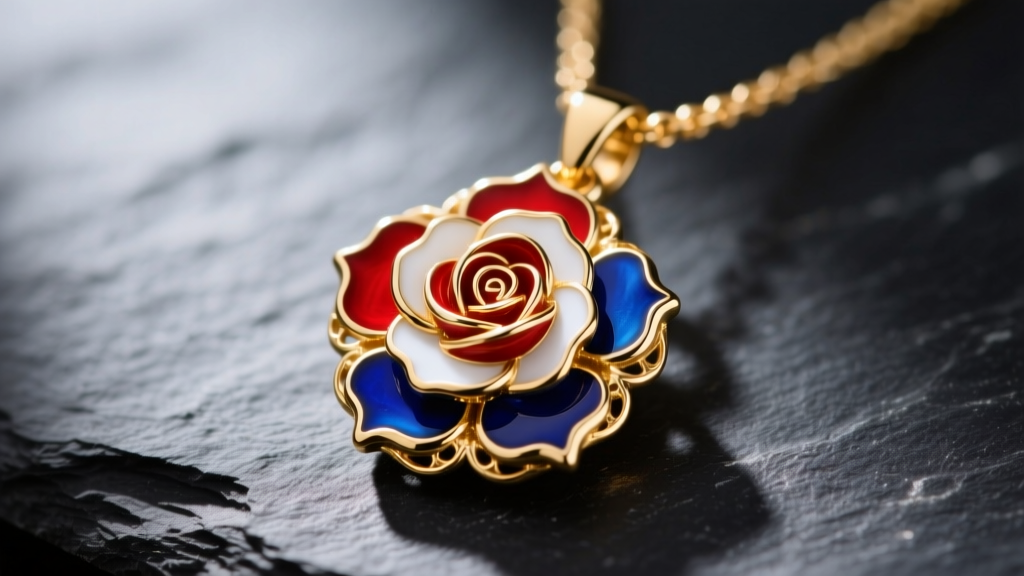
The Evolution of the Luther Seal in Modern Jewelry
The Luther Rose, originally designed in 1530 as a personal seal for Martin Luther, has transcended its historical and theological roots to become a profound statement piece in contemporary faith-based jewelry. As we navigate the 2026 jewelry landscape, the luther rose necklace has experienced a significant renaissance. No longer confined to traditional, heavy gold medallions, today's iterations blend heritage symbolism with modern metallurgical techniques, appealing to theological students, Lutheran clergy, and collectors of symbolic antiquities alike.
Understanding the modern appeal of this motif requires a look at its foundational anatomy. According to historical archives detailed in the Luther Seal Historical Context, the design is a masterclass in theological color theory. A black cross sits within a red heart, which is centered in a white rose, all set against a sky-blue background and encircled by a gold ring. Translating this intricate, multi-colored geometry into a wearable pendant requires exceptional craftsmanship, particularly when balancing the physical weight of the metal with the fragility of colored inlays.
"There is a black cross in a heart, which retains its natural color, so that I myself would be reminded that faith in the Crucified saves us." — Martin Luther's 1530 Letter to Lazarus Spengler
Metallurgy and Enamel Techniques: Crafting the Colors
The most critical differentiator in the quality of a luther rose necklace is how the jeweler achieves the five distinct colors: black, red, white, blue, and gold. In 2026, the market is sharply divided between traditional vitreous enamel and modern cold enamel (epoxy resin) techniques. For heirloom-quality pieces, vitreous enamel remains the undisputed standard.
Vitreous vs. Cold Enamel
Vitreous enamel involves fusing powdered glass to a metal substrate (usually 14k or 18k gold) at extreme temperatures ranging from 1,380°F to 1,560°F (750°C to 850°C). This process, specifically the champlevé method where troughs are carved into the gold and filled with enamel, results in a scratch-resistant, luminous finish that will not yellow or degrade over decades. Conversely, cold enamel is essentially a hardened epoxy resin. While it allows for vibrant, opaque colors at a fraction of the cost, it is highly susceptible to UV degradation, micro-scratches, and chemical damage from perfumes or lotions.
For a comprehensive breakdown of material durability, the GIA Gem Encyclopedia notes that vitreous enamel possesses a Mohs hardness of 5 to 6, making it significantly more resilient to daily wear than resin alternatives, which sit around a 2 to 3 on the Mohs scale.
| Technique | Material Base | Durability (Mohs) | UV Resistance | Typical Price Tier |
|---|---|---|---|---|
| Champlevé (Vitreous) | 14k/18k Gold, Platinum | 5.0 - 6.0 | Excellent | $400 - $2,500+ |
| Cloisonné (Vitreous) | 18k Gold, Sterling Silver | 5.0 - 6.0 | Excellent | $600 - $3,000+ |
| Cold Enamel (Epoxy) | Sterling Silver, Brass | 2.0 - 3.0 | Poor (Yellows) | $40 - $150 |
| Guilloché (Vitreous) | 18k Gold, Palladium | 5.0 - 6.0 | Excellent | $1,200 - $5,000+ |
2026 Aesthetic Trends: Minimalism vs. Heritage Revival
The styling of the luther rose necklace in 2026 is defined by a bifurcation in consumer taste: the rise of "Quiet Luxury" minimalism and the continued demand for "Heritage Revival" pieces.
The Minimalist Interpretation
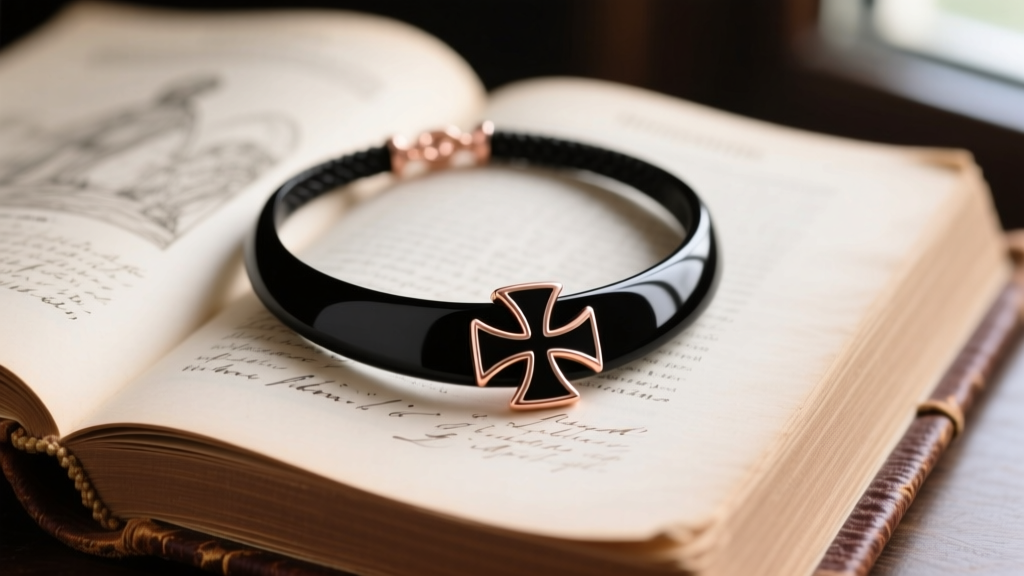
For everyday wear, particularly among younger demographics and seminary students, the minimalist approach strips away the vibrant vitreous colors in favor of tonal metalwork. These designs utilize 14k white gold or rhodium-plated sterling silver, employing deep oxidation (blackening) to create the cross and recessed matte brushing to differentiate the rose petals from the heart. By relying on light and shadow rather than pigment, these monochromatic pendants (typically measuring a discreet 14mm to 16mm in diameter) offer a subtle, sophisticated nod to the wearer's faith without the visual weight of traditional enameled medallions.
The Heritage Revival
On the opposite end of the spectrum, high-end jewelers are reviving the opulent, multi-colored enameled seals of the 19th century. These heritage pieces often feature 18k yellow gold (which provides a richer, warmer canvas for the blue and red enamels) and incorporate micro-pave diamond halos around the outer gold ring to represent eternal bliss. These pendants are larger, usually 22mm to 28mm, and serve as bold, conversational centerpieces intended for formal occasions or liturgical vestment layering.
Sizing, Proportions, and Chain Pairings
A common failure point in religious pendant jewelry is the mismatch between the pendant's weight and the chain's tensile strength. The Luther Rose, particularly when cast in solid gold and filled with glass enamel, is surprisingly dense. A standard 20mm solid 14k gold enameled pendant can easily weigh between 8 and 14 grams. Pairing this with a delicate 0.9mm chain is a structural error that will inevitably lead to chain stretch, clasp failure, or loss of the pendant.
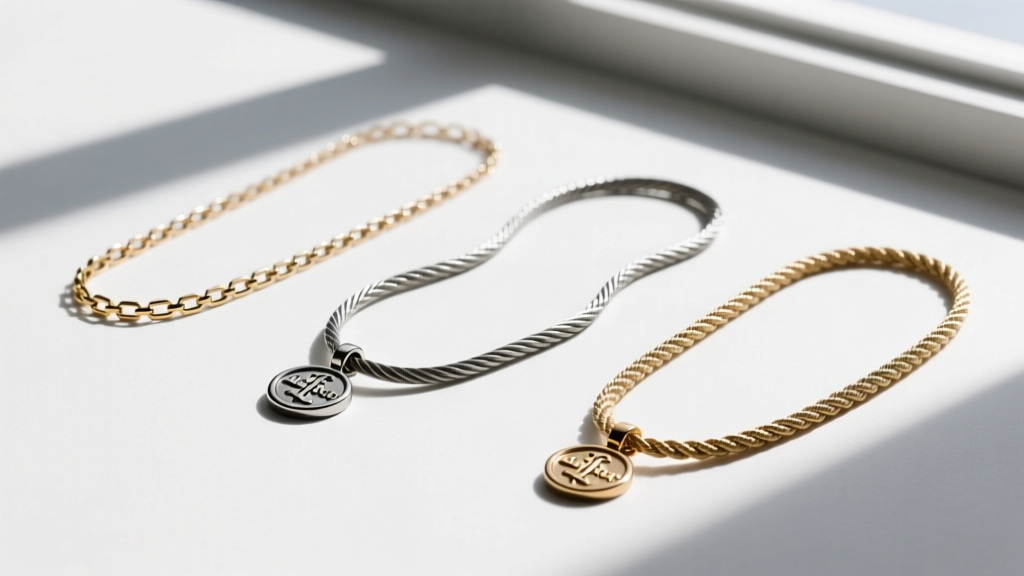
When selecting a chain for your luther rose necklace, you must account for both the aesthetic proportion and the physical load-bearing requirements. Box chains and wheat chains are highly recommended for their interlocking link structures, which distribute weight evenly and resist kinking.
| Chain Style | Recommended Width | Max Pendant Weight | Best Clasp Type | Aesthetic Vibe |
|---|---|---|---|---|
| Box Chain | 1.5mm - 2.0mm | Up to 18 grams | Lobster Claw (14k) | Modern, Geometric, Sturdy |
| Wheat (Spiga) Chain | 1.8mm - 2.5mm | Up to 25 grams | Lobster Claw (14k) | Textured, Heritage, Classic |
| Cable Chain | 1.2mm - 1.5mm | Up to 8 grams | Spring Ring or Lobster | Minimalist, Delicate |
| Rope Chain | 2.0mm - 3.0mm | Up to 30 grams | Heavy Lobster Claw | Bold, Masculine, Statement |
Length Considerations for Necklines
- 18-Inch Collarbone Length: Ideal for minimalist, monochromatic Luther seals (14mm-16mm). Sits perfectly above the crew neck of a sweater or t-shirt.
- 20-to-22-Inch Chest Length: The standard for traditional 20mm+ enameled pendants. Allows the heavy medallion to rest on the sternum, making it visible over button-down shirts and clerical collars.
- 24-to-30-Inch Opera/Rope Length: Reserved for large, oversized heritage pieces worn over liturgical vestments or heavy winter outerwear.
Price Tiers and Sourcing Authentic Pieces
When shopping for a luther rose necklace in 2026, buyers should be highly critical of material disclosures. Many mass-market retailers use misleading terms like "gold-tone" or "enamel" without specifying the base metal or the enamel type. Here is a realistic pricing framework to guide your investment:
Entry-Level ($40 – $120)
At this tier, expect sterling silver bases with cold enamel (epoxy) or simple black-oxidized silver minimalist designs. The chains will likely be lightweight (under 1.0mm) with spring-ring clasps. These are suitable for teenagers or as temporary placeholders, but the epoxy colors will likely fade or chip within 3 to 5 years of daily wear.
Mid-Tier Artisan ($150 – $600)
This is the sweet spot for high-quality daily wear. You will find solid 14k yellow or white gold pendants utilizing genuine vitreous champlevé enamel. The craftsmanship will feature clean gold separations (cloisons) between the colors, and the pendant will be paired with a durable 1.5mm box or wheat chain. Look for independent liturgical jewelers or specialized religious artifact silversmiths who provide certificates of material authenticity.
Heirloom & Haute Couture ($800 – $3,000+)
Reserved for 18k gold, platinum, and palladium pieces featuring advanced techniques like guilloché enamel (where the gold beneath the translucent blue enamel is engine-turned to create a rippling light effect). These pieces often incorporate accent diamonds or sapphires and are crafted by master goldsmiths. They are designed to be passed down through generations as family heirlooms or ordained clergy gifts.
Ultimately, the luther rose necklace remains a powerful convergence of deep theological history and fine jewelry craftsmanship. By prioritizing vitreous enamel, selecting the correct chain gauge for the pendant's weight, and understanding the nuances of gold karats, you can secure a piece that honors its 16th-century origins while standing the test of time in the modern era.


