Orange Jade Necklace Value: 2026 Pricing & Budget Guide
Discover the true value of an orange jade necklace in 2026. Learn to navigate Type A, B, and C jade pricing, spot treatments, and budget smartly.

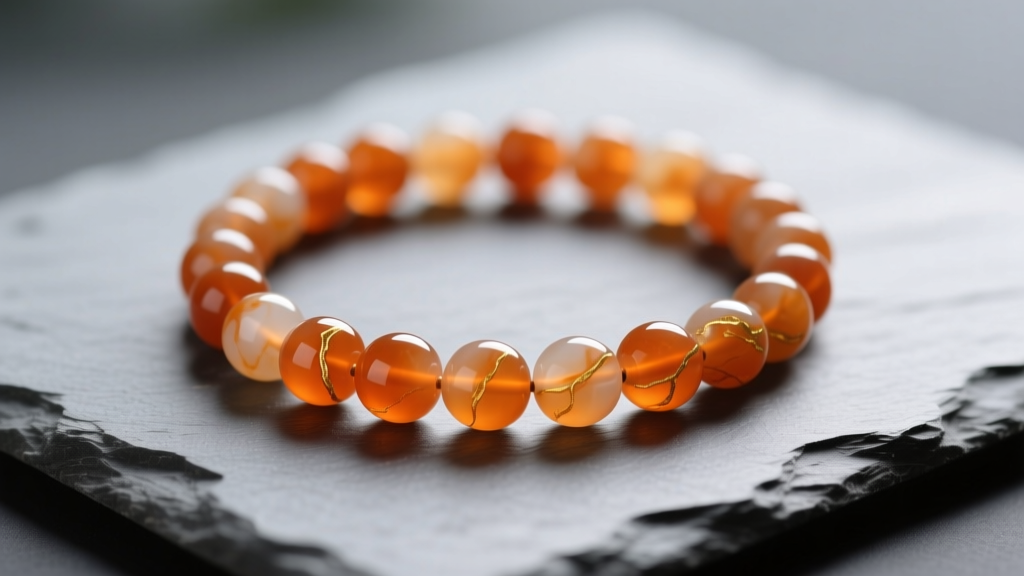
The Allure and Gemological Reality of Orange Jade
The market for colored gemstones has seen a massive shift toward sunset hues, making the orange jade necklace a highly sought-after piece in 2026. However, navigating the financial and gemological landscape of orange jade requires a skeptical eye and a solid understanding of mineralogy. Unlike the classic emerald-green jadeite or the creamy white nephrite, natural orange jade is a geological anomaly that presents unique budget and value assessment challenges.
According to the Gemological Institute of America (GIA), jade is actually an umbrella term for two distinct minerals: jadeite and nephrite. When shopping for an orange jade necklace, you are almost exclusively looking at jadeite. Nephrite rarely achieves a true orange hue, usually maxing out at a muddy yellow-brown. Jadeite, on the other hand, can exhibit vibrant orange tones, but the origin of that color is the single most critical factor in determining the necklace's financial value.
Natural orange jadeite derives its color from iron oxide inclusions—specifically limonite and hematite—that permeate the stone's crystalline structure. Because these inclusions occur organically and unevenly, natural orange jade is almost always mottled, featuring streaks of brown, yellow, and rust. A necklace featuring perfectly uniform, vivid, translucent orange beads is a massive red flag for artificial treatment. Understanding this baseline reality is the first step in protecting your budget.
Decoding the Treatment Spectrum: Type A, B, and C
To accurately assess the value of an orange jade necklace, you must categorize it within the industry-standard treatment spectrum. The price difference between these categories is not marginal; it is exponential.
Type A: 100% Natural and Untreated
Type A jadeite has undergone no chemical treatment, bleaching, or dyeing. It may be cut, polished, and lightly waxed (a traditional, acceptable practice). Natural orange Type A jade with high translucency (often called "ice" or "glassy" jade) is exceptionally rare. Most natural orange Type A necklaces on the market are opaque to semi-translucent with earthy, mottled color zoning.
Type B: Bleached and Polymer-Impregnated
Type B jade is soaked in harsh hydrochloric acid to dissolve brown and yellow iron impurities, leaving a porous, bleached skeleton. It is then vacuum-injected with polymer resin to restore structural integrity and translucency. While a Type B orange necklace might look stunning initially, the polymer degrades. Within 5 to 10 years of exposure to UV light and skin oils, the resin will yellow, craze, and become brittle, effectively destroying the necklace's value and physical integrity.
Type C: Chemically Dyed
Type C jade is artificially dyed to achieve vivid, uniform colors. The vast majority of cheap, bright orange jade necklaces sold in tourist markets and online bargain bins are Type C. The organic dyes used are notoriously unstable. If worn frequently, a Type C orange jade necklace will fade to a sickly pale yellow or brownish-gray within 12 to 24 months. From an investment standpoint, Type C jade is considered virtually worthless.
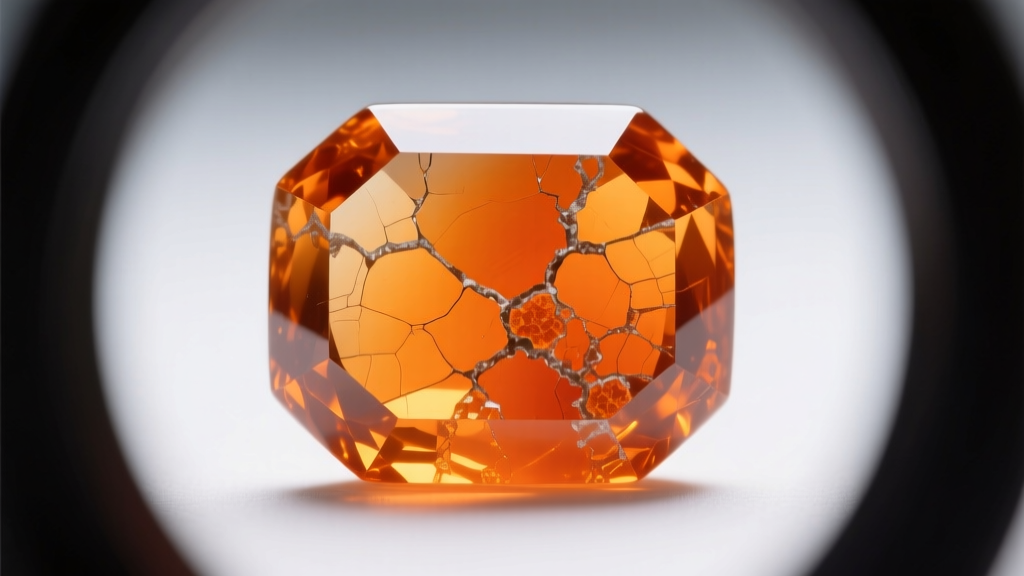
2026 Market Pricing Matrix: What Should You Pay?
Budgeting for an orange jade necklace requires aligning your expectations with current market realities. The following pricing matrix reflects 2026 retail valuations for a standard 18-inch princess-length beaded necklace (8mm to 10mm beads).
| Jade Category | Visual Characteristics | Estimated Price Range (18" Necklace) | Long-Term Value Retention |
|---|---|---|---|
| Type C (Dyed) | Vivid, uniform orange; high translucency; no color zoning. | $25 – $120 | 0% (Fades rapidly, zero resale value) |
| Type B (Polymer) | Bright orange, slightly waxy luster; uniform but lacks depth. | $150 – $600 | Low (Degrades over 5-10 years) |
| Type A (Opaque/Mottled) | Earthy orange, brown streaks, opaque to semi-translucent. | $400 – $1,800 | Medium (Stable, but limited collector demand) |
| Type A (Translucent) | Rare mottled sunset hues, high translucency, glassy luster. | $3,500 – $15,000+ | High (Investment grade, appreciates over time) |
If a vendor is offering a perfectly uniform, highly translucent 10mm orange jadeite bead necklace for under $500, you are unequivocally looking at a Type C or Type B stone. True investment-grade Type A orange jade commands premium pricing due to its scarcity, as noted in mineralogical databases like Mindat's Jadeite records.
Hardware and Stringing: The Hidden Value Indicators
When assessing the budget and value of a jade necklace, amateur buyers focus solely on the stones. Expert buyers inspect the hardware and stringing materials, which serve as proxy indicators for the jade's authenticity and the jeweler's craftsmanship.
- Stringing Material: High-end Type A jade is traditionally strung on high-tensile silk or modern Kevlar threads, knotted between every single bead to prevent loss if the strand breaks. Cheap Type C jade is frequently strung on elastic cord or unknotted nylon.
- Clasps and Findings: A genuine, high-value orange jade necklace will feature 14k or 18k gold clasps, often with safety catches. If the necklace features a base-metal lobster clasp or magnetic closure, the stones are almost certainly treated or dyed.
- Bead Drilling: Inspect the drill holes. In dyed (Type C) jade, dye often pools and concentrates around the drill holes, creating dark orange rings. In natural Type A jade, the color around the drill hole will match the surrounding bead evenly.
Field Testing: How to Spot Dyed Orange Jade
You do not need a multi-thousand-dollar spectrometer to perform preliminary value assessments on an orange jade necklace. Armed with a few inexpensive tools, you can protect your budget from common scams.
The Chelsea Filter Test
The Chelsea color filter was originally designed to separate emeralds from green simulants, but it is highly effective for detecting certain dyes in jade. When viewed under strong incandescent light through a Chelsea filter, natural green and some natural orange jadeites will appear dull or slightly greenish. However, many synthetic orange dyes (particularly those containing chromium or specific organic compounds) will fluoresce a bright, unnatural pink or red. If the beads glow angry red through the filter, walk away.
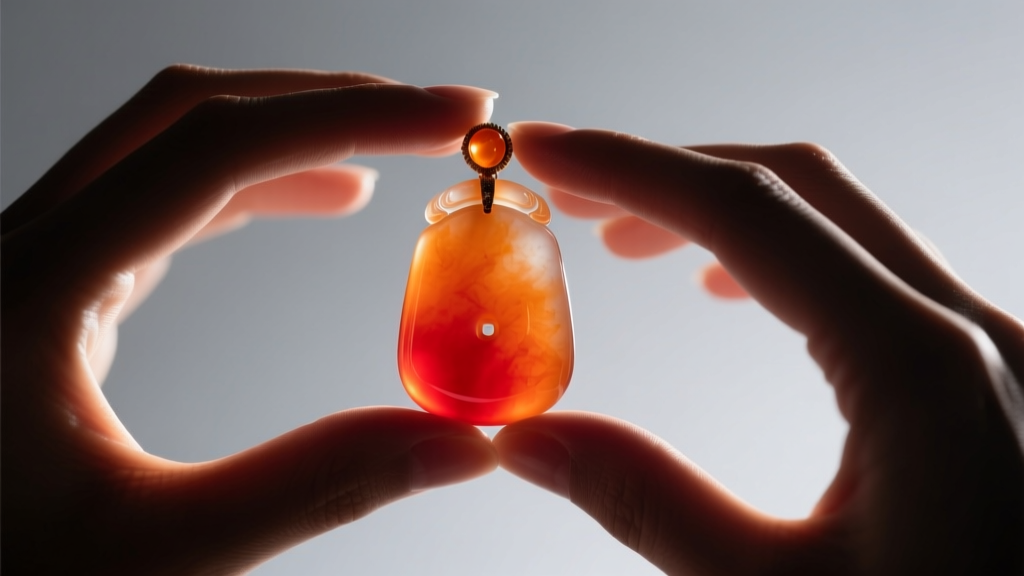
Fracture Mapping with a 10x Loupe
Natural jadeite is a polycrystalline aggregate, meaning it is made of millions of interlocking microscopic crystals. When dyed, the liquid pigment cannot penetrate the solid crystals; it can only seep into the microscopic gaps and fractures between them. Using a 10x triplet gem loupe, examine the surface of the beads. If you see spiderweb-like networks of concentrated orange pigment trapped in tiny surface fractures (often called "veining"), the stone has been artificially dyed. Natural orange coloration will appear soft, diffuse, and integrated into the stone's matrix.
Strategic Buying Framework for 2026
To maximize your budget when purchasing an orange jade necklace, adopt a strategic buying framework based on your end goal:
- The Fashion Buyer (Budget: Under $100): If you simply want the aesthetic of an orange jade necklace for seasonal fashion and do not care about longevity or resale value, buy Type C. Treat it as costume jewelry. Keep it out of direct sunlight and remove it before swimming or showering to prolong the dye's lifespan.
- The Mindful Collector (Budget: $500 - $2,000): Target Type A jadeite with opaque, earthy orange tones. Look for carved pendants (like discs or bi discs) set in 14k gold rather than full bead necklaces. Carved pendants require less raw material, allowing you to secure guaranteed natural, untreated jade within a moderate budget.
- The Investment Buyer (Budget: $5,000+): Demand a recent, verifiable laboratory report from a top-tier institution like the GIA, SSEF, or Gübelin. The report must explicitly state "No indications of treatment" or "Natural Jadeite." Never rely on a vendor's in-house certificate of authenticity.
Expert Insight: When negotiating the price of a high-end Type A orange jade necklace, use the stone's mottling as leverage. While collectors pay premiums for uniformity in green jade, natural orange jade is expected to have color zoning. If a vendor is pricing an opaque, heavily mottled Type A orange necklace as if it were gem-grade, use the visual inclusions to negotiate the price down by 20% to 30%.
Final Verdict: Is Orange Jade Worth the Investment?
An orange jade necklace can be a breathtaking, culturally rich, and financially sound addition to your jewelry collection—provided you know exactly what you are buying. The market is heavily saturated with chemically altered stones designed to trap uninformed buyers. By understanding the ABC treatment spectrum, scrutinizing the necklace's hardware, and utilizing basic field tests, you can confidently assess value and allocate your budget toward a piece that will retain its beauty and financial worth for generations.


