The Pearl Necklace for Dogs Trend: 2026 Style & Safety Guide
Discover the 2026 trends for the pearl necklace for dogs. Learn about pet-safe materials, breakaway clasps, sizing, and luxury styling for your pup.

The Rise of Canine Couture: Beyond the Bandana
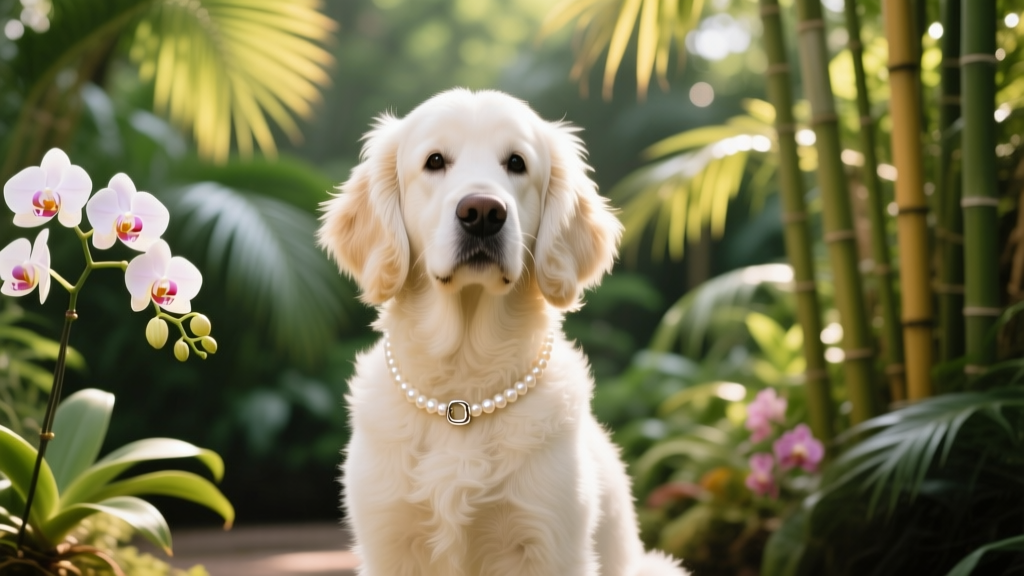
The landscape of pet accessories has evolved dramatically, moving past utilitarian nylon collars and basic bandanas into the realm of high-end luxury. At the forefront of this 2026 movement is the pearl necklace for dogs, a trend driven by pet influencers, luxury bridal parties, and owners seeking sophisticated 'twinning' aesthetics with their companions. However, adapting human fine jewelry for canine anatomy requires a rigorous understanding of material science, tensile strength, and veterinary safety. A standard strand of pearls can be a choking hazard or a bacterial trap if not specifically engineered for a dog's active lifestyle.
Material Science: Real vs. Faux Pearls for Pets
When selecting a pearl necklace for dogs, the debate between natural nacre and synthetic alternatives is not just about aesthetics—it is about durability and hygiene. Natural freshwater pearls are composed of calcium carbonate and conchiolin, making them highly porous and vulnerable to acidic environments.
The Saliva and Acid Factor
While canine saliva is slightly alkaline (pH 7.5 to 8.0), the accumulation of plaque, food particles, and environmental bacteria on a dog's neck creates localized acidic micro-environments. According to the Gemological Institute of America (GIA), prolonged exposure to acids and harsh chemicals will rapidly degrade a pearl's nacre, leading to dullness and pitting. Furthermore, dogs are prone to chewing; a determined pup can easily crush a natural pearl, posing a severe gastrointestinal blockage risk if ingested.
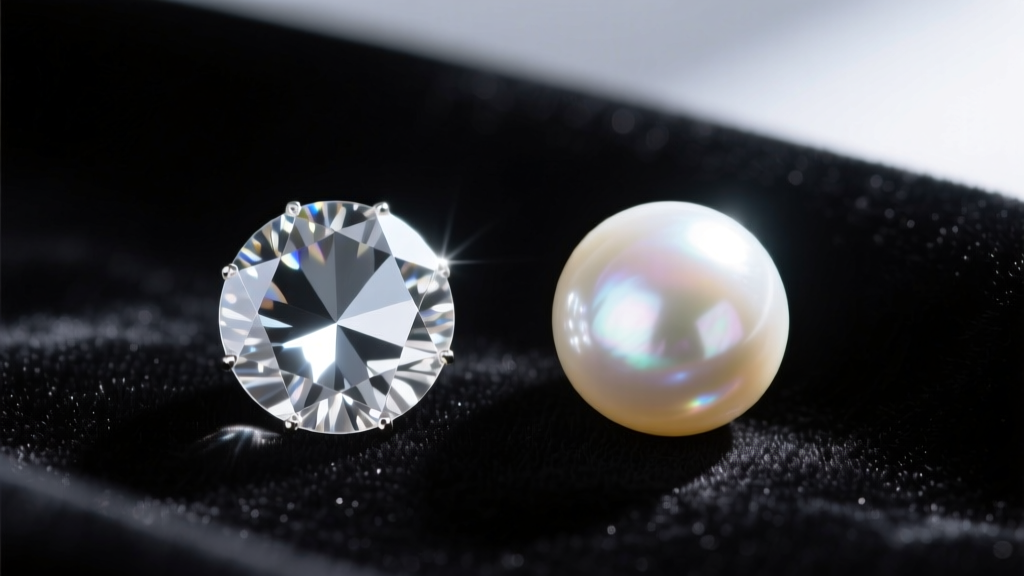
For daily or active wear, high-grade crystal pearls (such as Swarovski or Preciosa) or advanced resin-coated glass pearls are vastly superior. They offer the exact optical luster and weight of natural pearls but are completely impervious to saliva, mud, and accidental bites. If you insist on natural pearls for a special occasion like a wedding, opt for heavily treated, thick-nacre Tahitian pearls, and restrict wear time to under two hours.
Crucial Safety Features (Non-Negotiable)
The most critical failure point in any canine jewelry is the clasp. Traditional jewelry clasps (lobster, spring-ring, or toggle) are strictly prohibited for pets. If a dog catches their pearl strand on a fence branch or another dog's tooth, a rigid clasp will result in tracheal collapse or strangulation. The American Kennel Club (AKC) strongly advocates for breakaway mechanisms on any neck-worn pet accessory.
| Clasp Type | Release Mechanism | Tensile Threshold | Safety Rating |
|---|---|---|---|
| Magnetic Breakaway | Neodymium magnets separate laterally under sudden shear force. | Releases at 12-15 lbs of pull. | Excellent (Gold Standard) |
| Quick-Release Plastic | Standard cat-collar buckle mechanism. | Releases at 8-10 lbs of pull. | Good (Clashes with luxury aesthetic) |
| Lobster Claw | None (Requires manual dexterity). | Fails only when cord snaps (>50 lbs). | Dangerous (Never use on pets) |
| Toggle Clasp | None. | Fails only when cord snaps. | Dangerous (High snag risk) |
Additionally, the stringing material must be upgraded. Traditional silk thread, used in human pearl knotting, stretches and degrades when exposed to moisture and skin oils. For a dog pearl necklace, the strand must be knotted on a 49-strand stainless steel micro-wire coated in nylon, rated for at least 30 lbs of tensile strength, ensuring the pearls remain secured even if the dog pulls hard.
Sizing and Fit: The Two-Finger Rule
Proper fit prevents friction alopecia (hair loss) and tracheal pressure. A pearl necklace for dogs should never fit like a human choker. Follow this precise measuring protocol:
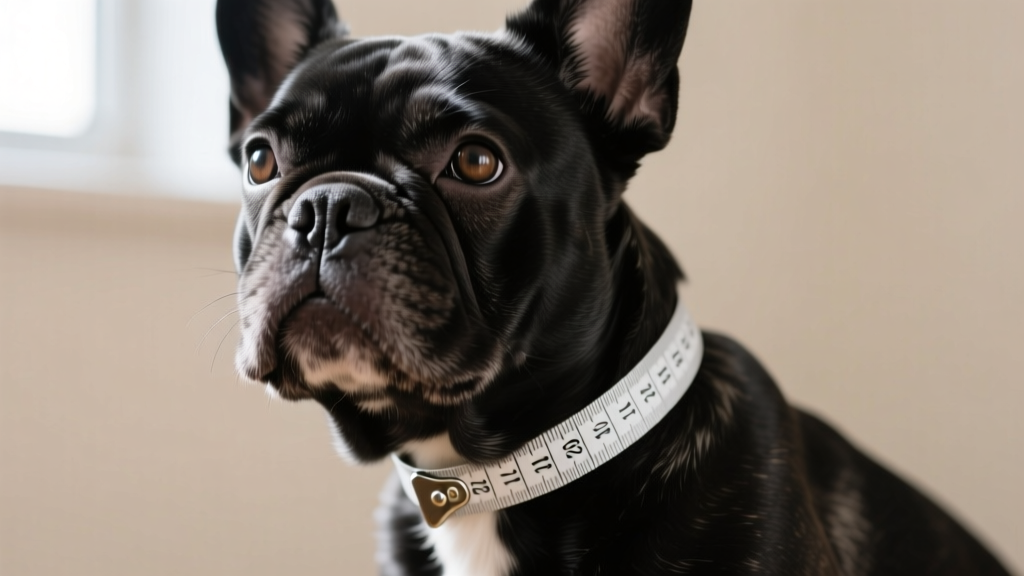
- Measure the Base: Use a soft tailor's tape measure around the thickest part of the dog's neck, right where it meets the shoulders.
- Add the Allowance: Add exactly 1.5 to 2 inches to this measurement. This accounts for the dog's coat thickness and seasonal weight fluctuations.
- The Two-Finger Test: Once clasped, you must be able to comfortably slide two adult fingers flat between the pearls and the dog's skin. If you cannot, the necklace is restricting venous return and lymphatic drainage.
- Weight Check: The total weight of the necklace should not exceed 2% of the dog's body weight to prevent cervical spine strain during prolonged wear.
Breed-Specific Styling and Anatomical Considerations
Not all dogs are built the same, and a one-size-fits-all approach to canine jewelry fails both aesthetically and ergonomically.
Sighthounds (Greyhounds, Whippets, Borzois)
Sighthounds possess unusually long, slender necks with very thin skin and minimal subcutaneous fat. Standard 6mm pearls can dig into their skin, causing bruising. For these breeds, opt for a 'choker' style featuring larger, 10-12mm pearls spaced with soft velvet or leather spacer beads to distribute pressure evenly across a wider surface area.
Brachycephalic Breeds (Pugs, French Bulldogs, Boston Terriers)
These breeds already suffer from compromised airways (Brachycephalic Obstructive Airway Syndrome). Any pressure on the trachea is dangerous. Use ultra-lightweight 3mm to 4mm seed pearls strung on a wide, soft leather backing, or opt for a single, lightweight pearl pendant on a flat biothane cord that rests on the chest rather than the throat.
Double-Coated Breeds (Huskies, Malamutes, Samoyeds)
Thick undercoats easily swallow standard necklace lengths. To achieve a visible look without tightening the strand dangerously close to the skin, use an 'opera-length' drop that rests on the chest fur, or incorporate a large, contrasting gemstone pendant (like black onyx or lapis lazuli) that parts the fur and remains visible.
2026 Trend Forecast: Twinning and Bridal Pets
The dominant trend in 2026 is the 'Owner-Pet Matching Set.' High-end jewelers are now offering bespoke packages where the owner receives a 16-inch or 18-inch freshwater pearl strand, and the pet receives a custom-fitted, breakaway version using the exact same pearl grade and lot number. This creates a cohesive, photogenic aesthetic for social media and family portraits.
Another surging trend is the 'Bridal Pet.' Dogs acting as ring bearers or flower pups are being styled with delicate, multi-strand seed pearl bibs that mimic human bridal jewelry. These are typically attached to a hidden, padded harness rather than a neck clasp, ensuring the dog remains safe while looking impeccably dressed for the ceremony.
Care and Maintenance for Canine Pearls
Even synthetic or crystal pearls require proper maintenance to retain their luster. After every wear, wipe the strand with a damp microfiber cloth to remove sebum, dirt, and environmental pollutants. Never use ultrasonic cleaners or chemical jewelry dips, as these will strip the pearlescent coating from faux pearls and damage the nacre of real ones. Store the necklace flat in a soft pouch; hanging it will stretch the stringing wire over time, leading to unsightly gaps between the pearls. By combining rigorous safety standards with high-end material selection, the pearl necklace for dogs transcends novelty, becoming a legitimate, safe, and stunning category of luxury pet couture.


