Magnets for Necklaces: Material Properties & Clasp Comparison
Compare magnet materials for necklaces. We analyze neodymium grades, titanium housing, pull-force metrics, and safety for magnetic clasps.

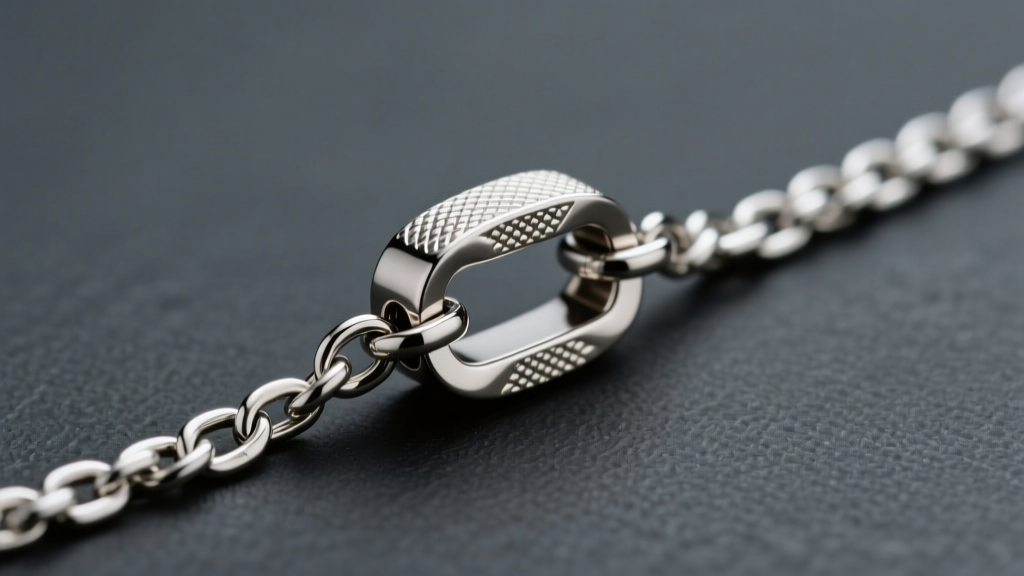
The integration of magnets for necklaces has evolved dramatically over the past decade. What was once considered a bulky, unreliable novelty in the early 2000s has transformed into a precision-engineered component favored by fine jewelers and accessible jewelry brands alike in 2026. Whether you are designing a heavy chain necklace, looking for an accessible clasp for arthritis-friendly wear, or exploring magnetic therapy pendants, understanding the metallurgical and magnetic properties of these components is critical. A poorly engineered magnetic clasp will fail under dynamic shear stress, corrode from skin contact, or cause allergic reactions. This comprehensive material guide breaks down the core magnet compositions, housing alloys, and structural physics required to select or design the perfect magnetic necklace component.
The Core Magnet Materials: Neodymium vs. Hematite vs. Ferrite
Not all magnets are created equal. The internal core of a magnetic clasp or pendant dictates its holding power, weight, and longevity. In modern jewelry manufacturing, three primary magnetic materials dominate the market, each with distinct physical properties.
Neodymium (NdFeB): The Industry Standard
Neodymium magnets, specifically Neodymium-Iron-Boron alloys, are the undisputed heavyweights of magnetic jewelry clasps. They are graded by their maximum energy product, measured in Mega-Gauss Oersteds (MGOe). For jewelry applications, N42 and N52 grades are the most common. An N52 magnet offers roughly 20% more pull force than an N42 magnet of the exact same dimensions, making it ideal for heavy chain necklaces (like 4mm Cuban links) where space inside the clasp housing is limited. However, NdFeB magnets are inherently brittle and highly susceptible to oxidation if exposed to moisture.
Hematite: The Aesthetic and Therapy Choice
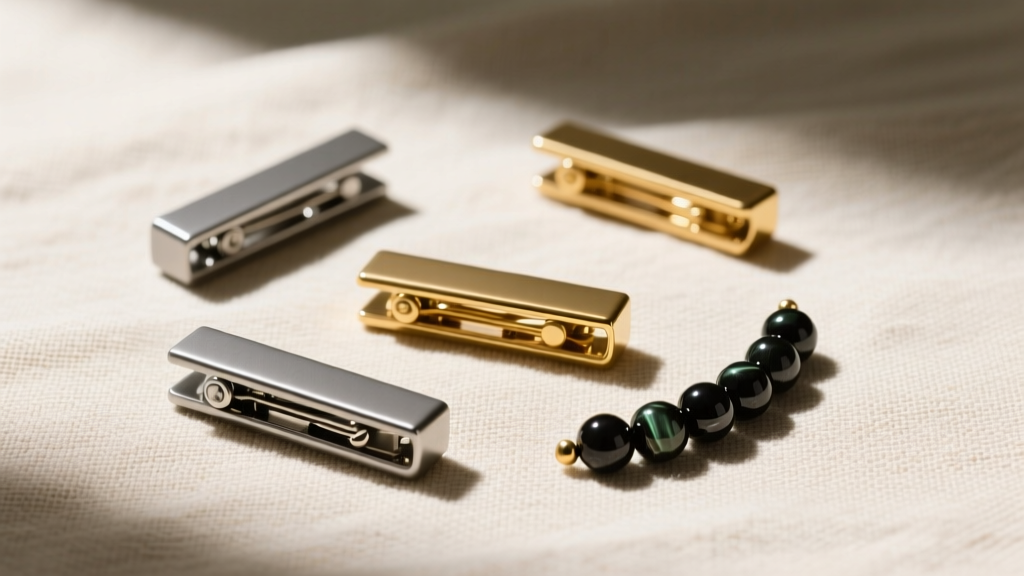
Hematite is a naturally occurring iron oxide mineral that exhibits weak ferrimagnetism. While it cannot generate the tensile pull force required for a secure clasp, hematite is widely used in magnetic therapy necklaces and bead-strand designs for its metallic luster and weight. It is structurally stable, will not rust, and is entirely safe for direct skin contact, though its magnetic field is negligible compared to synthetic rare-earth magnets.
Ferrite (Ceramic) Magnets
Ferrite magnets are inexpensive and highly resistant to corrosion, but they lack the magnetic flux density required for fine jewelry. A ferrite magnet would need to be roughly five times the volume of an N42 neodymium magnet to achieve the same holding force, resulting in an unacceptably bulky clasp. They are largely relegated to children's jewelry or low-cost novelty items.
| Magnet Type | Grade / Composition | Relative Pull Force (5mm disc) | Corrosion Risk | Best Application |
|---|---|---|---|---|
| Neodymium | N42 - N52 (NdFeB) | Very High (1.5 - 2.2 lbs) | High (Requires encapsulation) | Secure clasps for fine & heavy chains |
| Hematite | Natural Iron Oxide | Extremely Low | None | Therapy beads, aesthetic strands |
| Ferrite | Ceramic (SrFe/BaFe) | Low | None | Novelty jewelry, children's wear |
Housing Materials: Protecting the Magnet and Your Skin
Because neodymium magnets will rapidly oxidize and degrade when exposed to the salts, oils, and moisture of human skin, they must be hermetically sealed. The housing material not only protects the core but also serves as the primary skin-contact surface. Understanding the metallurgical properties of these housings is vital for preventing contact dermatitis and ensuring the clasp's structural integrity.
Surgical Stainless Steel (316L)
316L stainless steel is the most prevalent housing material for mid-tier to high-end magnetic clasps. The 'L' denotes low carbon, which enhances its resistance to corrosion and pitting. A high-quality 316L magnetic clasp will feature a wall thickness of at least 0.4mm to 0.6mm. Thinner walls risk denting, which can crush the brittle neodymium core inside. According to jewelry manufacturing standards outlined by suppliers like Rio Grande, 316L is highly durable, but it does contain trace amounts of nickel. While the nickel is generally bound within the alloy matrix, individuals with severe nickel hypersensitivity may still react to prolonged friction against a 316L clasp.
Implant-Grade Titanium (ASTM F136)
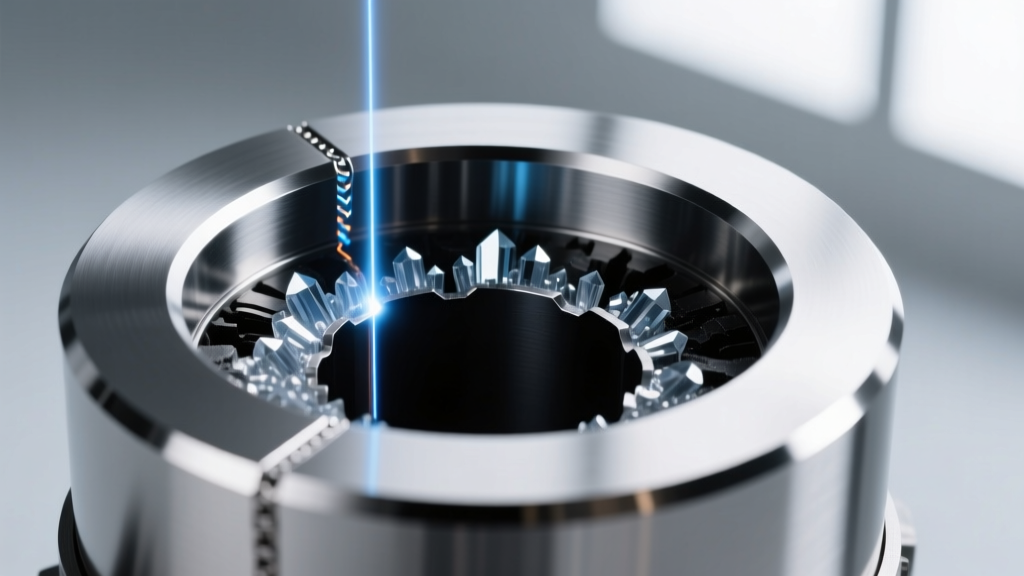
For the ultimate in biocompatibility, ASTM F136 titanium is the premium choice for 2026 jewelry designs. Titanium is completely hypoallergenic, 45% lighter than stainless steel, and highly resistant to tarnish. Because titanium is harder to machine and laser-weld than steel, titanium-encased magnetic clasps command a higher price point. The laser-welded seam on a titanium capsule must be flawlessly executed; even a microscopic porosity in the weld will allow sweat to penetrate, leading to internal neodymium corrosion. When the NdFeB core corrodes, it expands, ultimately cracking the titanium shell from the inside out.
Sterling Silver and Gold Vermeil Challenges
Precious metals like 925 sterling silver and gold vermeil are notoriously difficult to use as direct hermetic seals for magnets. Silver is too soft to protect the brittle core from impact, and gold plating over a magnetic steel housing will eventually wear away at the friction points where the two halves of the clasp meet. The best practice in luxury jewelry is to use a 316L or Titanium inner capsule, and then sleeve that capsule inside a decorative sterling silver or 14k gold outer shell.
Sizing and Pull Force: Matching the Magnet to the Chain Weight
The most common reason consumers abandon magnetic clasps is improper sizing relative to the necklace's weight and dynamic movement. To engineer or select the right component, you must understand the critical difference between tensile pull force and shear force.
As detailed in the engineering physics resources provided by K&J Magnetics, tensile pull force measures the effort required to pull two magnets directly apart along their magnetic axis. However, when worn on the neck, a necklace clasp is rarely subjected to pure tensile stress. When the wearer turns their head, the chain pulls laterally, applying shear force (sliding the magnets sideways). The shear holding force of a standard neodymium disc magnet is typically only 20% to 30% of its rated tensile pull force.
The 3x Weight Rule for Dynamic Wear
To ensure a magnetic clasp will not spontaneously detach during daily wear, apply the 3x Weight Rule. Calculate the total weight of the chain plus the pendant in grams. The clasp's rated shear force must be at least three times this total weight to account for sudden movements, snagging, and the pendulum effect of a heavy pendant.
- Delicate Chains (0.8mm - 1.2mm): Total weight usually under 5g. A 4mm x 2mm N42 neodymium cylinder (approx. 1.2 lbs tensile / ~110g shear) is more than sufficient.
- Medium Chains (1.5mm - 2.5mm): Total weight 10g - 25g. Requires a 6mm x 3mm N42 or N52 magnet paired with a precision-machined interlocking steel shell to prevent lateral sliding.
- Heavy Chains (3.0mm - 6.0mm+): Total weight 40g - 100g+. Standard magnetic clasps often fail here. You must use dual-magnet housings or mechanical interlocking sleeves that use the magnet only for alignment and attraction, while a physical steel lip bears the shear load.
Safety, Pacemakers, and Everyday Wear Constraints
While rare-earth magnets for necklaces offer incredible convenience, they introduce specific medical and environmental hazards that jewelers and consumers must respect. The most critical safety concern involves individuals with implanted cardiac devices.
According to the American Heart Association, strong magnets can inadvertently switch a pacemaker or Implantable Cardioverter Defibrillator (ICD) into 'magnet mode,' temporarily suspending its life-saving pacing or shock therapies. Neodymium clasps, particularly those rated N52 and above, generate a localized magnetic field that can interfere with these devices if the clasp rests directly over the chest implant site (typically the upper left pectoral region). Individuals with ICDs or pacemakers should strictly avoid magnetic necklace clasps and opt for mechanical alternatives like lobster clasps or toggle rings.
Additionally, high-strength magnetic clasps can pose a risk around sensitive electronics. While a standard 5mm clasp magnet will not erase a modern smartphone or credit card (which use flash memory and solid-state chips), keeping multiple high-grade magnetic necklaces tangled together in a jewelry box can magnetize steel tools, interfere with mechanical watch movements, and attract microscopic metallic debris that is difficult to clean from the clasp joint.
Conclusion: Engineering the Perfect Connection
The transition toward magnets for necklaces represents a triumph of modern materials science over traditional mechanical friction. By prioritizing N42 or N52 neodymium cores, insisting on hermetically laser-welded 316L or ASTM F136 titanium housings, and rigorously calculating shear force against chain weight, you can guarantee a necklace that is both accessible and secure. As jewelry design continues to prioritize both aesthetics and inclusive wearability in 2026, mastering the properties of magnetic components is no longer optional—it is a fundamental requirement for quality craftsmanship.


