How to Make a Money Necklace: Crafting, Care & Cleaning Guide
Learn how to make a money necklace last with our expert care guide. Discover cleaning tips for acrylic, paper currency, coins, and metal chains.

The Anatomy of a Money Necklace: What Are You Actually Cleaning?
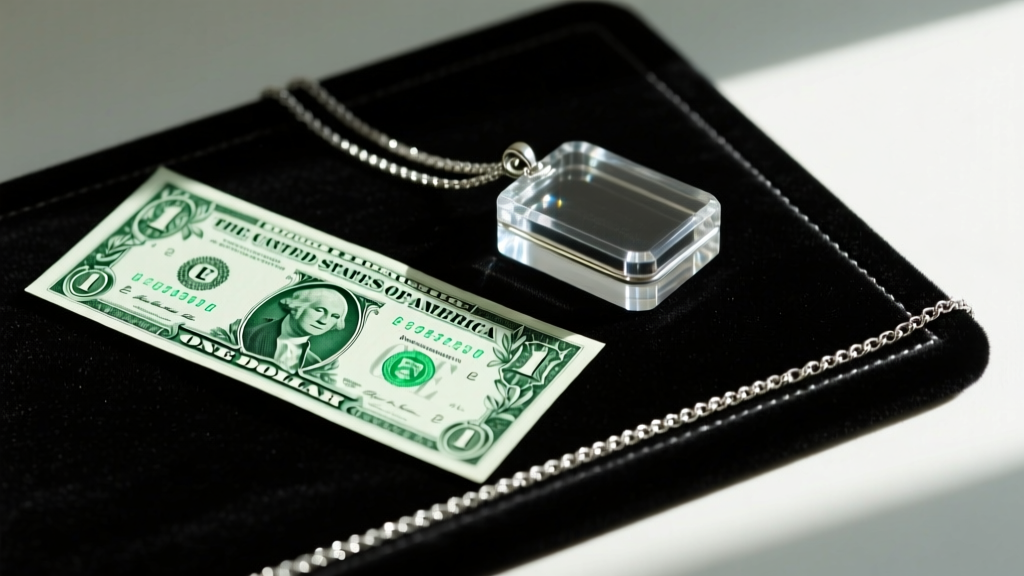
While learning how to make a money necklace is a wildly popular DIY jewelry project and a staple in custom hip-hop jewelry, understanding the long-term care of these pieces is where most creators and wearers fail. A money necklace is not a single material; it is a complex composite of organic fibers, reactive metals, and synthetic polymers. To properly maintain one, you must first deconstruct its anatomy.
Most cash pendants feature US paper currency, which is not actually paper. According to the Bureau of Engraving and Printing, US bills are composed of a 75% cotton and 25% linen blend, heavily treated with red and blue security fibers. International notes (like the Australian Dollar or British Pound) are made from BOPP (biaxially oriented polypropylene) polymer. The encasement is typically cast acrylic or tempered glass, while the chain ranges from gold-plated brass to solid sterling silver. Each of these materials reacts differently to sweat, UV light, and commercial jewelry cleaners.
Step-by-Step: How to Make a Money Necklace Shine (Without Ruining It)
Cleaning a currency pendant requires a segmented approach. Using a generic silver dip or ultrasonic cleaner on a fully assembled money necklace will permanently destroy the bill inside and cloud the acrylic encasement. Here is the professional protocol for maintaining your piece.
1. Cleaning the Encasement (Acrylic vs. Glass)
The clear window protecting your cash is usually made of acrylic (PMMA) due to its shatter resistance and lightweight profile. However, acrylic scores a mere 3H on the Mohs hardness scale, making it highly susceptible to micro-scratches and chemical etching.
- For Acrylic: Never use Windex, ammonia, or alcohol-based cleaners. Ammonia causes a chemical reaction that results in irreversible 'crazing' (tiny internal fractures). Instead, use a dedicated plastic polish like Novus 2 (Fine Scratch Remover) or a simple solution of warm water and a drop of Dawn dish soap. Wipe gently with a clean, lint-free microfiber cloth using straight lines, not circles, to minimize the appearance of any existing micro-scratches.
- For Glass: If your pendant uses mineral or sapphire glass (Mohs 5.5 to 9), you can safely use isopropyl alcohol (70% or higher) and a microfiber cloth to strip away skin oils and fingerprints without risking structural damage.
2. Preserving the Currency (Paper, Polymer, and Coins)
If you are learning how to make a money necklace using actual circulated cash or vintage coins, preservation is paramount. The primary enemies of currency jewelry are UV radiation, humidity, and PVC off-gassing.
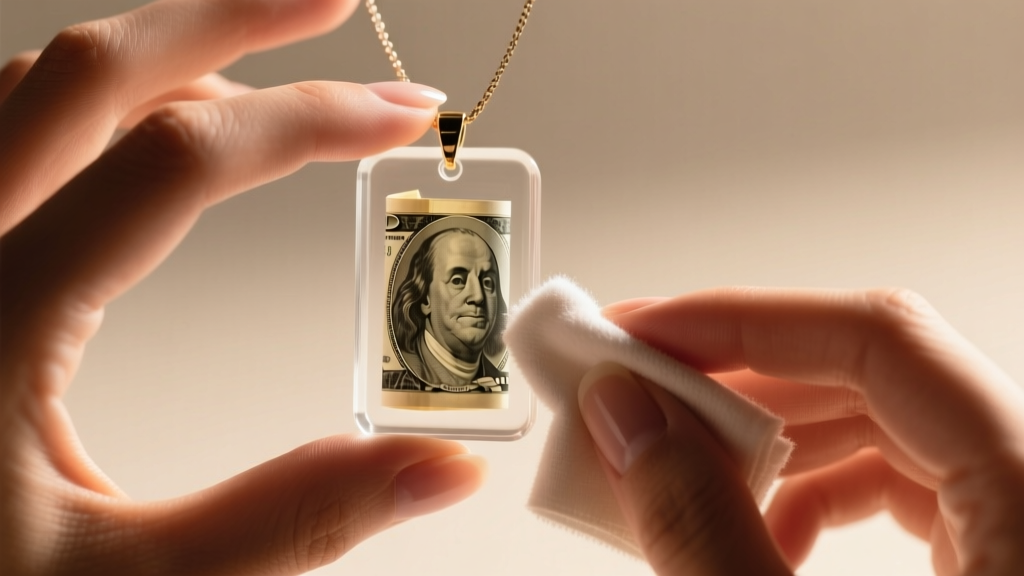
Paper Bills (Cotton/Linen): The inks used on currency are highly sensitive to UV light. Prolonged exposure to direct sunlight will bleach the vibrant greens and blues into a washed-out gray. Furthermore, if the humidity inside the acrylic casing exceeds 60% Relative Humidity (RH), the organic cotton fibers can develop 'foxing'—reddish-brown fungal spots that are impossible to remove without destroying the bill. Always ensure bills are bone-dry before sealing them in resin or acrylic.
Polymer Notes: While waterproof and tear-resistant, BOPP polymer notes are thermoplastic. Leaving a polymer money necklace on the dashboard of a hot car can cause the bill to shrink, warp, and permanently deform inside its rigid casing.
Coin Pendants: According to the American Numismatic Association (ANA), you should never clean a numismatic (collectible) coin, as removing the natural patina can destroy up to 90% of its premium value. However, if you are using common circulated coins (like standard quarters or pennies) purely for aesthetic jewelry, you can clean them with a mild baking soda paste. Afterward, seal the coin with a micro-crystalline wax like Renaissance Wax to prevent the copper or zinc core from oxidizing against your skin.
3. Maintaining the Chain and Hardware
The chain supporting a heavy acrylic money pendant requires serious structural integrity. 18-gauge to 14-gauge chains are recommended to support the 30-50 gram weight of a large cash pendant.
- Sterling Silver (.925): Prone to tarnishing when exposed to sulfur in the air and sweat. Polish weekly with a treated silver cloth (like a Sunshine cloth). Avoid liquid silver dips, which can leave a white residue that is difficult to rinse out of intricate Cuban or Figaro links.
- Gold Vermeil / Plated Brass: Vermeil features a thick layer of gold (minimum 2.5 microns) over sterling silver. Never use ultrasonic cleaners on vermeil chains; the high-frequency cavitation will strip the gold plating right off, leaving you with a dull silver or green brass chain.
The Ultimate Money Necklace Care Matrix
Use this quick-reference table to ensure you are applying the correct maintenance routine to the specific components of your jewelry.
| Component | Safe Cleaners & Tools | Strictly Avoid | Maintenance Frequency |
|---|---|---|---|
| Acrylic Encasement | Novus 2, Dawn soap, microfiber | Ammonia, Windex, paper towels | Weekly |
| Glass Encasement | 70% Isopropyl alcohol, microfiber | Abrasive sponges, harsh acids | As needed |
| Paper Currency | None (Keep sealed & dry) | Water, direct UV light, unsealing | N/A (Preventative) |
| Coin Pendants | Renaissance Wax, soft brush | Silver dip, acidic coin baths | Bi-annually |
| Sterling Chain | Sunshine polishing cloth | Ultrasonic cleaners, bleach | Monthly |
Storage & Environmental Hazards to Avoid
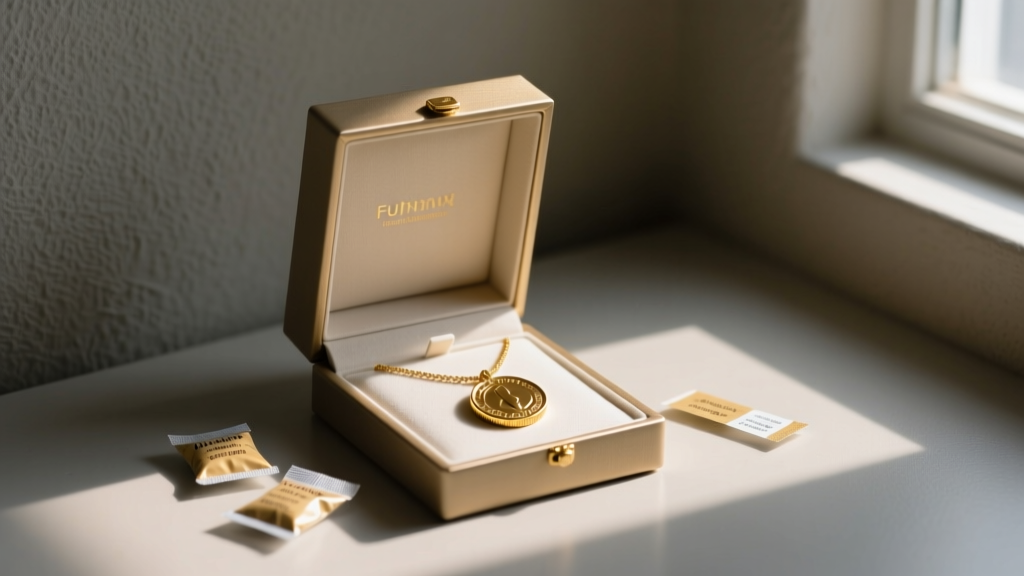
How you store your money necklace when it is not around your neck dictates its lifespan. The Gemological Institute of America (GIA) emphasizes that proper storage prevents the vast majority of jewelry degradation.
- Ditch the PVC: Never store coin or cash jewelry in soft, flexible vinyl/PVC plastic bags. PVC off-gasses hydrogen chloride over time, which reacts with moisture to form hydrochloric acid. This will corrode metal coins and eat through paper bills. Use only archival-safe polyethylene or Mylar bags.
- Humidity Control: Toss a small, jewelry-grade silica gel desiccant packet into your storage box to keep the ambient RH below 45%. This is critical for preventing mold growth on organic cotton/linen bills.
- Anti-Tarnish Strips: If your chain is silver or copper-based, store it with 3M anti-tarnish strips. These strips absorb airborne sulfur compounds before they can react with the metal.
Troubleshooting Common Money Necklace Disasters
Cloudy or Scratched Acrylic
If your acrylic pendant looks milky or heavily scratched from daily wear, do not throw it away. You can wet-sand the acrylic using progressively finer grits of automotive sandpaper (starting at 800, moving to 1500, then 3000), followed by a final buff with a plastic polishing compound. This restores the optical clarity of the plastic, making the bill inside look crisp again.
Condensation Inside the Pendant
If you notice fog or water droplets trapped inside the sealed acrylic casing, the pendant was likely assembled in a high-humidity environment. You must carefully pry open the casing (or have a jeweler drill a micro-hole), place the entire unit in a sealed container with bulk silica gel for 48 hours to draw out the trapped moisture, and then re-seal it using a UV-curing optical adhesive.
The 'Green Neck' Effect
If your money necklace leaves a green or black ring around your neck, the chain is likely made of brass or copper with a thin flash-plating that has worn off. The acids in your sweat are reacting with the base metal. As a temporary fix, coat the back of the chain links with clear nail polish. For a permanent solution, upgrade your chain to solid 316L surgical stainless steel or solid 14k gold, which are entirely hypoallergenic and non-reactive.
Final Thoughts on Currency Jewelry Longevity
Mastering how to make a money necklace is an exercise in creativity, but mastering its care is an exercise in chemistry and material science. By respecting the distinct vulnerabilities of acrylic, organic currency fibers, and reactive metals, you can ensure your cash pendant remains a pristine, eye-catching statement piece for decades. Treat your money necklace not just as an accessory, but as a wearable vault that requires precise environmental control and gentle, targeted cleaning routines.


