How to Make a Necklace With Money: Materials Buying Guide
Discover how to make a necklace with money using premium materials. Our buyer's guide covers chains, resins, and wire for high-end currency jewelry.

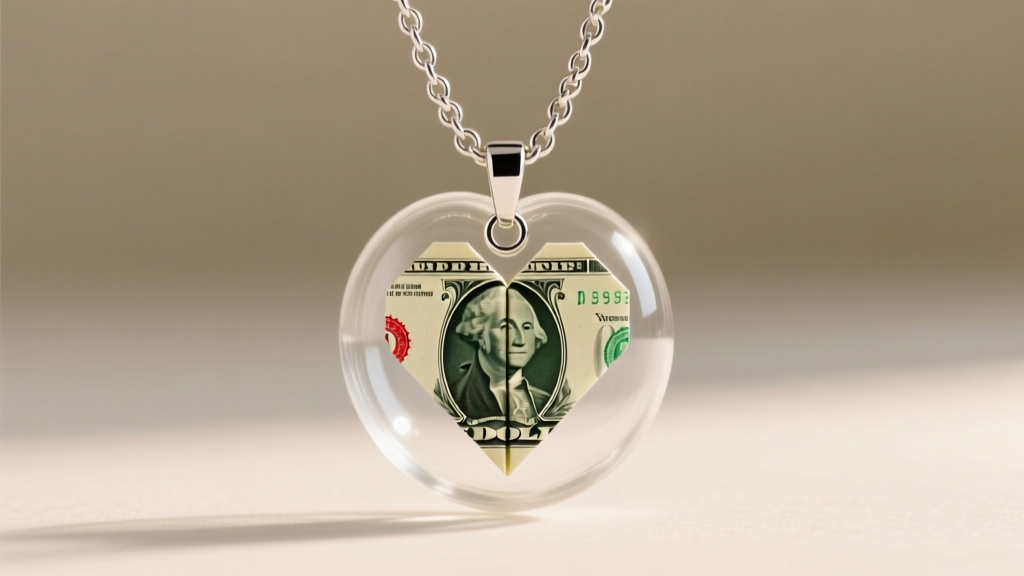
When exploring how to make a necklace with money, the line between a cheap craft project and a high-end, wearable piece of luxury jewelry comes down entirely to material selection. Whether you are folding paper currency into origami pendants, wire-wrapping silver coins, or casting replica bullion, the hardware and protective elements you purchase dictate the longevity and aesthetic of the final piece. In 2026, the trend of wealth-manifestation jewelry and sentimental currency pendants continues to grow, but consumers are increasingly demanding fine jewelry standards even for DIY and custom-crafted pieces.
This comprehensive buying guide will walk you through the exact metallurgical grades, chain structures, and encapsulation materials you need to buy to create a money necklace that rivals high-end boutique offerings. We will also cover what to look for if you decide to purchase a pre-made piece from a custom jeweler.
Selecting the Right Chain for Currency Pendants
The most common failure point in money necklaces is a chain that cannot support the pendant's weight or aesthetic. Paper money origami pendants are lightweight, but wire-wrapped silver eagles or solid brass replica coins can easily weigh between 15 and 30 grams. Buying a delicate 1mm box chain for a heavy coin will result in broken links and lost pendants.
When buying chains, look for 14k gold-filled or Argentium 935 sterling silver. Gold-filled chains feature a thick outer layer of 14k gold mechanically bonded to a brass core, offering decades of wear without flaking. Argentium silver contains germanium, making it highly tarnish-resistant—a crucial feature for necklaces that sit against the skin's natural oils. According to the Gemological Institute of America (GIA), understanding the difference between gold-plated (which wears off in months) and gold-filled is essential for jewelry longevity.
Chain Style and Weight Capacity Guide
| Chain Style | Recommended Width | Best For | Price Range (14k Gold-Filled) |
|---|---|---|---|
| Figaro | 3mm - 5mm | Heavy coin pendants, wire-wrapped bullion | $85 - $140 |
| Rope | 2mm - 4mm | Medium weight pendants, classic aesthetics | $70 - $120 |
| Cable (Standard) | 1.5mm - 2.5mm | Lightweight origami paper pendants | $40 - $75 |
| Cuban Link | 5mm - 8mm | Streetwear styles, oversized novelty coins | $150 - $250+ |
Buyer Tip: Always purchase chains with lobster claw clasps rather than spring rings. Lobster clasps provide a secure, locking mechanism that prevents heavy pendants from slipping off.
Encapsulation: Protecting Paper Currency
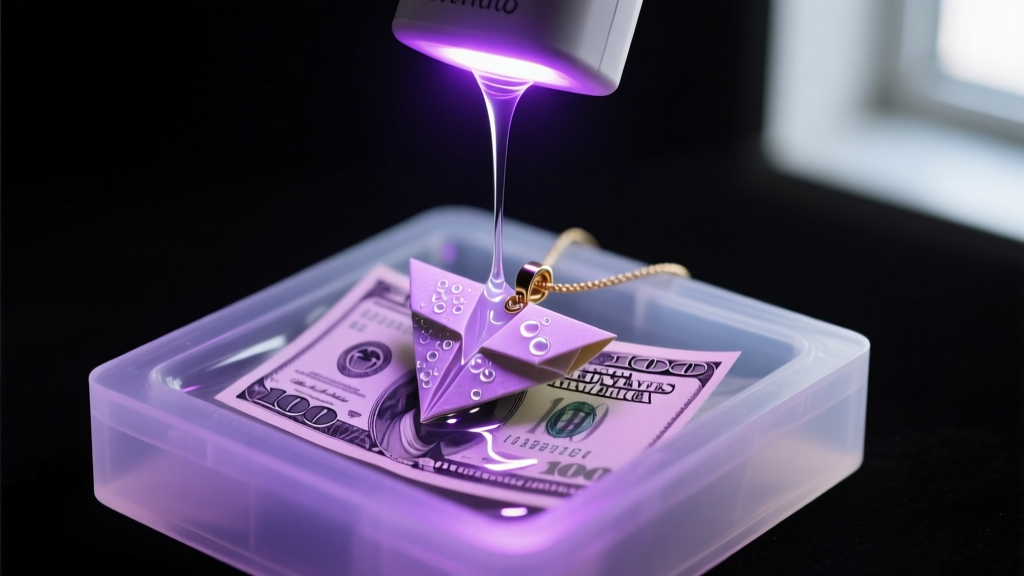
If your method for making a money necklace involves folding paper bills (such as the popular origami bill heart), you must protect the paper from moisture, skin oils, and UV degradation. Paper currency is a cotton-linen blend that will quickly deteriorate if worn directly against the skin.
Bezel Cups vs. Resin Encapsulation
You have two primary options when buying protective housings for paper money:
- Glass-Faced Bezel Pendants: These are metal frames with a sealed glass dome. They offer a premium, vintage look and completely block moisture. Look for stainless steel or solid brass bezels with UV-filtering glass to prevent the ink on the bill from fading.
- Optical Resin Encapsulation: For a modern, seamless look, jewelers use resin to fully encase the folded bill. When buying resin, avoid cheap two-part epoxies from hardware stores, as they tend to yellow over time and trap micro-bubbles. Instead, purchase UV-curing optical resin or high-grade jewelry epoxy (like ArtResin) that includes HALS (Hindered Amine Light Stabilizers) to prevent yellowing.
When working with UV resin, always buy a high-wattage UV/LED curing lamp (36W or higher). Low-wattage lamps cure the resin unevenly, leading to a tacky surface that will attract dust and ruin the finish of your money pendant.
Wire Wrapping Materials for Coin Pendants
Wire wrapping is the most elegant way to turn a silver quarter, a gold coin, or a replica bullion piece into a pendant without drilling into the metal and destroying its value. To execute this, you must buy the correct wire temper and gauge.
Wire temper refers to its hardness. According to jewelry supply standards from Rio Grande, wire comes in dead soft, half-hard, and hard tempers.
- Dead Soft Wire (20-gauge): Buy this for the structural frame that wraps around the edge of the coin. It is highly malleable and can be bent tightly around the coin's circumference without snapping.
- Half-Hard Wire (24-gauge or 26-gauge): Buy this for the binding wraps. It is thin enough to weave intricately but stiff enough to hold its shape and lock the dead soft frame securely in place.
- Half-Hard Wire (18-gauge): Use this exclusively for creating the bail (the loop at the top that the chain passes through). It needs to be thick and stiff to support the weight of the coin without bending open.
Always buy 925 sterling silver or 14/20 gold-filled wire. Avoid 'craft wire' or 'tarnish-resistant copper' sold in big-box craft stores; these are plated and will inevitably chip, revealing the base metal underneath and ruining the luxury illusion of your money necklace.
DIY Material Costs vs. Buying Custom Pre-Made Pieces
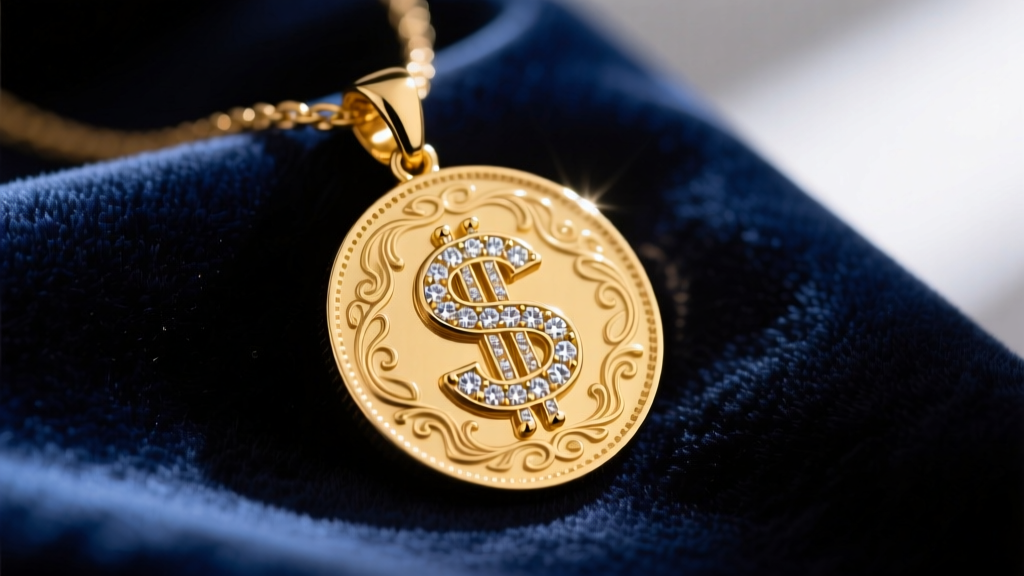
Understanding the cost of raw materials helps you evaluate whether to make the necklace yourself or commission a custom jeweler. Below is a breakdown of what to expect when budgeting for a high-quality money necklace.
Cost Breakdown: DIY vs. Custom Jeweler
| Component | DIY Material Cost | Custom Jeweler Retail Price |
|---|---|---|
| 14k Gold-Filled Chain (24 inch) | $85 - $120 | Included in total |
| Sterling Silver Wire (1 oz spool) | $35 - $50 | Included in labor/materials |
| Optical UV Resin & Silicone Mold | $25 - $40 | N/A (Jewelers use cast glass/enamel) |
| Professional Labor & Setting | $0 (Your time) | $150 - $400+ |
| Total Estimated Cost | $145 - $210 | $350 - $600+ |
If you choose to buy a pre-made money or wealth-themed necklace instead of crafting one, you must verify the metal authenticity. The Federal Trade Commission (FTC) Jewelry Guides mandate that precious metals must be accurately stamped. Look for hallmarks like '925' for sterling silver or '14k' / '585' for gold. If a pre-made 'solid gold' dollar sign pendant is selling for under $150, it is almost certainly gold-plated brass or stainless steel, which carries a much lower intrinsic and resale value.
Final Considerations for Buyers
Figuring out how to make a necklace with money is a rewarding process that bridges the gap between sentimental value and fine jewelry craftsmanship. By investing in high-grade chains, optical resins, and properly tempered precious metal wires, you ensure that your currency pendant remains a durable, striking accessory. Whether you are preserving a crisp 1928 silver certificate in a glass bezel or wire-wrapping a modern silver eagle, the quality of the materials you buy will ultimately define the legacy of the piece.


