Man Dies MRI Necklace: Why MRI-Safe Jewelry Is a Vital Gift
Discover why the 'man dies mri necklace' tragedy makes certified MRI-safe titanium jewelry the ultimate protective gift for loved ones in 2026.

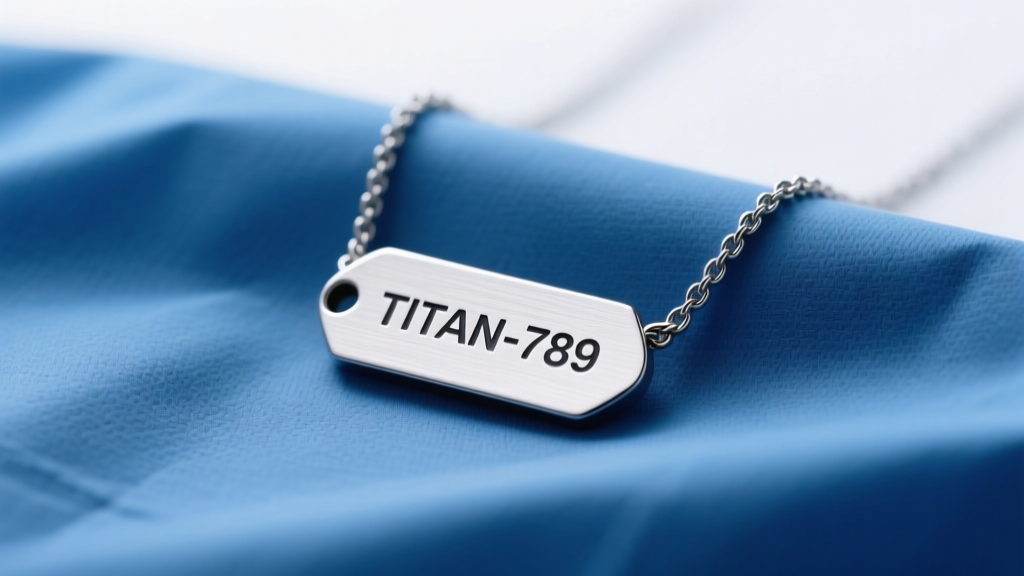
The Cautionary Tale: Understanding the 'Man Dies MRI Necklace' Headlines
When the tragic and alarming search trend man dies mri necklace began circulating through medical and jewelry communities, it served as a devastating wake-up call for both patients and gift-givers. The incidents referenced by these headlines typically involve severe radiofrequency (RF) thermal burns or catastrophic projectile injuries sustained when patients enter an MRI (Magnetic Resonance Imaging) bore wearing standard metallic necklaces. While many assume the danger lies solely in the magnet pulling ferromagnetic metals, the reality of RF-induced thermal burns is far more insidious and widely misunderstood.
An MRI machine utilizes powerful RF pulses to excite hydrogen protons in the body. When a conductive loop—such as a standard gold, silver, or stainless steel necklace—rests against the skin, it acts as an antenna. The RF pulses induce an electrical current within the metal loop, rapidly heating the necklace to temperatures capable of causing third-degree burns in a matter of seconds. For individuals undergoing frequent scans due to chronic illnesses, neurological conditions, or cancer monitoring, wearing traditional jewelry is a hidden hazard. This reality has transformed MRI-safe jewelry from a niche medical necessity into one of the most thoughtful, protective, and life-saving gifts you can offer a vulnerable loved one in 2026.
What Makes a Necklace Truly MRI-Safe? (Material Science Deep Dive)
To select a genuinely safe necklace gift, you must look beyond the vague 'hypoallergenic' or 'nickel-free' marketing labels. The American College of Radiology (ACR) and the FDA enforce strict guidelines based on the FDA's MRI Safety Guidelines and the ASTM F2503 standard. A necklace must possess both low magnetic susceptibility and low electrical conductivity to prevent the antenna effect.
The Danger of 'Non-Magnetic' Conductors
Many well-meaning gift-givers purchase pure 24k gold or copper necklaces, mistakenly believing that because these metals are non-magnetic, they are MRI-safe. This is a fatal error. Gold and copper are highly conductive. While they won't be ripped from the wearer's neck by the magnet, they will rapidly absorb RF energy and burn the skin. True MRI safety requires metals with low electrical conductivity and zero ferromagnetic properties.
Grade 2 Titanium: The Gold Standard
Commercially Pure (CP) Grade 2 Titanium is the undisputed champion of MRI-safe jewelry. Unlike Grade 5 Titanium (which contains aluminum and vanadium and can exhibit slight magnetic drag), Grade 2 is entirely non-ferromagnetic and possesses a naturally low electrical conductivity profile that prevents dangerous RF looping. Furthermore, it is 100% biocompatible, meaning it will not cause contact dermatitis during long hospital stays.
| Material | Magnetic Susceptibility | RF Conductivity Risk | ASTM MRI Rating |
|---|---|---|---|
| Stainless Steel (316L) | High (Ferromagnetic) | Severe Projectile & Burn | MR Unsafe (Red Circle) |
| Pure Gold (24k) | None (Diamagnetic) | High (Antenna Burn Risk) | MR Conditional (Yellow) |
| Niobium (Anodized) | None (Paramagnetic) | Very Low | MR Safe (Green Square) |
| Titanium (Grade 2 CP) | None (Paramagnetic) | Negligible | MR Safe (Green Square) |
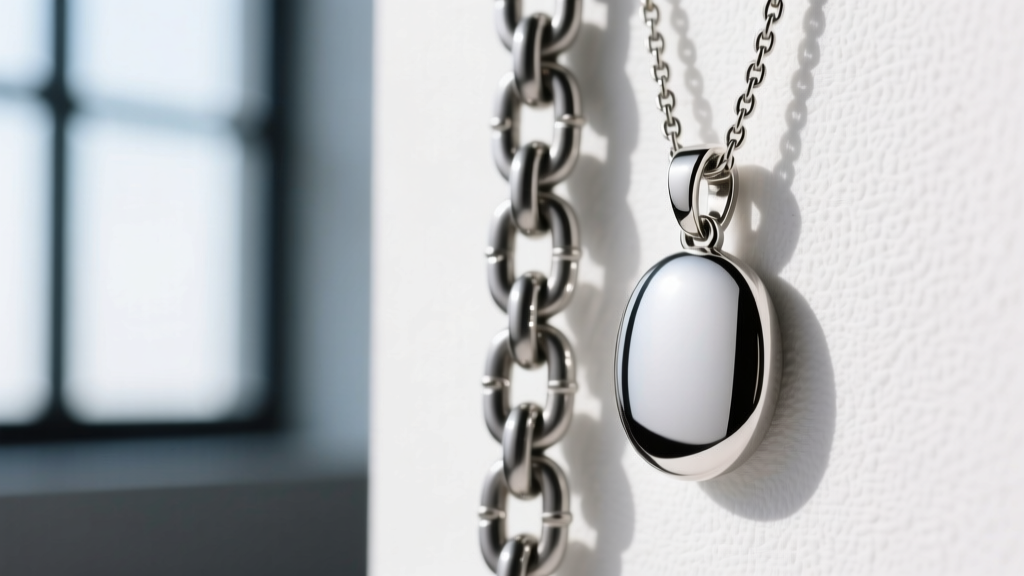
The Ultimate MRI-Safe Necklace Gift Guide for 2026
Matching the right MRI-safe necklace to the recipient's lifestyle and medical needs is crucial. Here is a curated guide for gifting safety, comfort, and style to those who need it most.
1. For the Chronic Illness Warrior: The Engraved Grade 2 Titanium Medical ID
The Occasion: A diagnosis milestone, a birthday for someone managing MS, Crohn's, or a neurological disorder requiring annual brain or spinal MRIs.
The Gift: A solid Grade 2 Titanium Medical ID pendant with a laser-engraved medical alert. Look for pendants that feature a matte or brushed finish to reduce glare under hospital lights. Pair it with a lightweight titanium bead chain. Brands specializing in medical alerts now offer sleek, minimalist designs that look like high-end streetwear rather than clinical equipment, preserving the wearer's dignity and personal style while keeping them safe in the scanner.
2. For Aging Parents: The Silicone & Titanium Breakaway Locket
The Occasion: Mother's Day, Father's Day, or a 70th birthday for parents entering an age where frequent medical imaging and fall risks increase.
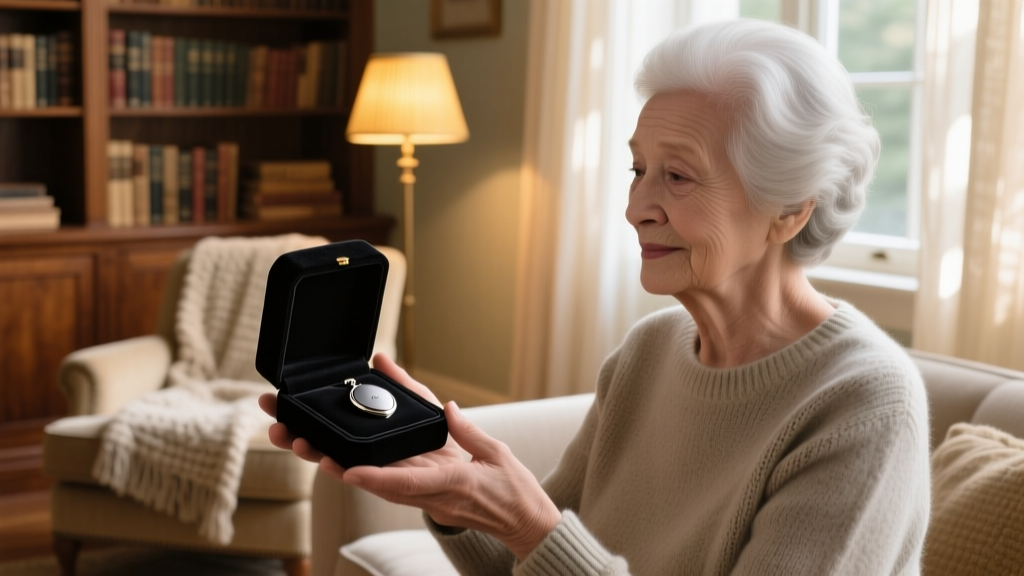
The Gift: A hybrid necklace featuring a Grade 2 Titanium locket (for holding a micro-photo or emergency contact card) strung on a medical-grade, high-tensile silicone cord. Silicone is entirely non-conductive and invisible to MRI magnets. The breakaway clasp mechanism ensures that if the necklace is snagged on hospital bed rails or mobility equipment, it will snap open safely without choking the wearer. It is the ultimate intersection of sentimental value and physical safety.
3. For Medical Professionals: The Anodized Niobium Minimalist Chain
The Occasion: Graduation from medical school, nursing pinning ceremony, or a promotion to a radiology or oncology department.
The Gift: Niobium is a rare, highly biocompatible transition metal that is completely MR Safe. What makes it a spectacular gift for medical professionals is its ability to be anodized—using electricity to create vibrant, permanent colors like deep purples, teals, and golds without using toxic dyes or plating that can chip off. A delicate, anodized niobium chain with a small geometric pendant allows healthcare workers to wear jewelry that is safe if they are ever exposed to strong magnetic fields in their workplace, while offering a pop of color beneath their scrubs.
The Hidden Trap: Verifying Clasps and Chain Links
The most common failure point in MRI-safe jewelry is the clasp. You can purchase a 100% pure titanium pendant, but if it is strung on a chain with a standard spring-ring clasp, the necklace remains a severe hazard. Standard spring-ring clasps contain a tiny internal steel spring to create tension. When exposed to a 3-Tesla MRI magnet, that microscopic steel spring can become a projectile or heat up, causing localized burns on the nape of the neck.
How to verify safety before gifting:
- Demand Solid Lobster Clasps: Ensure the clasp is milled from a single piece of titanium or niobium, utilizing a solid metal lever rather than a steel spring.
- Opt for Toggle Clasps: A simple titanium bar-and-loop toggle clasp contains zero moving parts and zero internal springs, making it inherently MR Safe.
- The Neodymium Test: Before wrapping the gift, test the entire necklace (especially the clasp and the jump rings connecting the pendant) with a strong N52 neodymium magnet. If there is any pull or resistance whatsoever, do not gift it for MRI use.
- Check for Solder: Some chain links are closed using silver or lead-based solders, which can introduce conductive or ferromagnetic impurities. Look for 'laser-welded' or 'seamless' chain links.
Final Thoughts on Gifting Safety and Peace of Mind
The heartbreaking reality behind the man dies mri necklace warnings is a stark reminder that jewelry is not just decorative; it interacts with our environment and our medical technologies in profound ways. By pivoting away from traditional precious metals and embracing advanced, biocompatible materials like Grade 2 Titanium and Niobium, you are giving a gift that transcends aesthetics. You are providing a chronic illness warrior, an aging parent, or a dedicated medical professional with the freedom to wear their cherished accessories without the looming anxiety of medical emergencies. In 2026, true luxury in jewelry is defined by safety, engineering, and the peace of mind that comes with it.
'Patients should be instructed to remove all metallic objects, including seemingly benign jewelry, prior to entering the MR scanner room to prevent catastrophic RF thermal injuries.' — American College of Radiology (ACR) Manual on MR Safety


