Medallion Necklaces for Women: Troubleshooting Flips & Tarnish
Solve common issues with medallion necklaces for women. Learn expert fixes for pendant flipping, chain breakage, and base metal tarnishing.

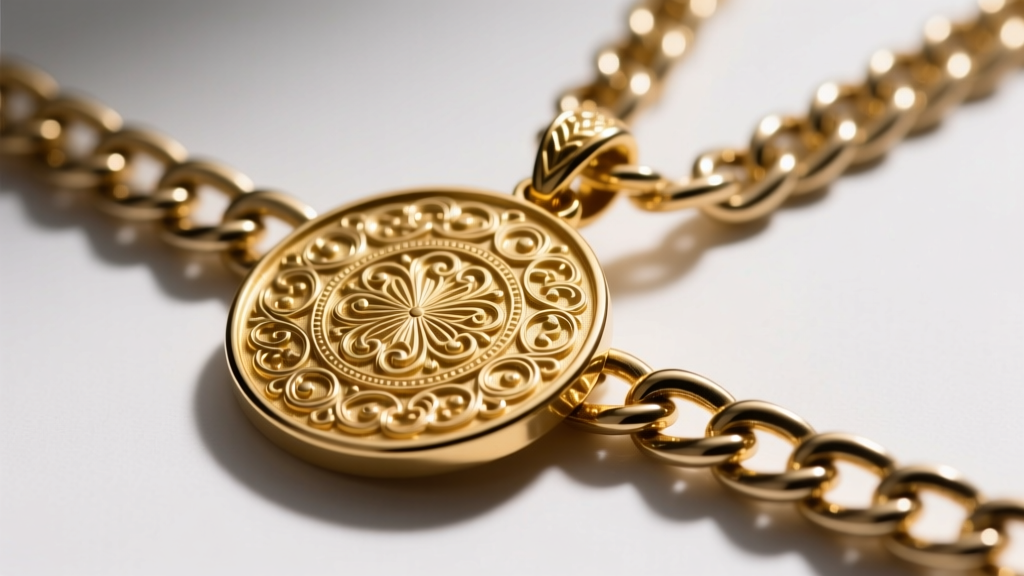
When investing in statement jewelry, few things are more frustrating than a piece that refuses to behave. Medallion necklaces for women have surged in popularity due to their bold, vintage-inspired aesthetics and substantial presence. However, their very design—a large, heavy, flat disc suspended from a chain—creates unique structural and metallurgical challenges. From the dreaded 'pendulum flip' to accelerated chain wear and unexpected skin discoloration, these issues stem from basic physics and material science.
As jewelry specialists, we see these problems daily. This comprehensive troubleshooting guide bypasses generic care tips and dives deep into the structural mechanics and metallurgy of heavy pendants, providing actionable, expert-level solutions to keep your medallion laying flat, secure, and brilliantly polished.
The Physics of the Flip: Why Your Medallion Won't Lay Flat
The most common complaint regarding heavy disc pendants is the 'pendulum effect'—the medallion constantly flips backward, showing the plain back instead of the engraved or enameled front. This is rarely a defect in the jewelry itself; rather, it is a physics issue related to the center of gravity and friction at the pivot point.
The Bail-to-Chain Ratio
If the inner diameter of the medallion's bail (the loop it hangs from) is too close to the thickness of the chain, the metal binds. When you move, the chain twists slightly. If the bail cannot rotate freely around the chain, that torsional energy transfers directly to the pendant, forcing it to flip. According to jewelry manufacturing standards, the bail's inner opening must be at least 2.5 times the thickness of the chain. For example, if you are using a 2mm rope chain, the bail needs a minimum 5mm inner diameter to allow for frictionless rotation.
Counterweighting the Chain
If the bail ratio is correct but the pendant still flips, the issue is weight distribution. A 40-gram medallion pulling down on a 5-gram chain creates an extreme top-heavy imbalance. The solution is to add a subtle counterweight to the back of the chain. Many high-end jewelers solder a small, dense metal bead (often tungsten or solid brass) directly opposite the clasp. This anchors the back of the necklace to the nape of your neck, preventing the entire chain from sliding forward and pulling the medallion off-center.
Chain Breakage & Bail Wear: Preventing Metal Fatigue

A heavy medallion acts as a kinetic hammer. Every time you walk, bend, or sit, the pendant swings, creating micro-shock loads on the jump ring connecting it to the chain. Over 3 to 6 months of daily wear, this repetitive stress causes 'work hardening' and eventual metal fatigue, leading to a snapped chain or a worn-through bail.
Upgrading Chain Gauges
Standard fashion jewelry often pairs heavy pendants with delicate 20-gauge (0.8mm) or 22-gauge (0.6mm) chains to save on gold weight costs. For any medallion weighing over 25 grams, this is a structural failure waiting to happen. You must upgrade to a minimum of 16-gauge (1.3mm) or 14-gauge (1.6mm) chain. Curb, Figaro, and thick cable chains offer superior tensile strength compared to rope or snake chains, which have microscopic weak points at every link twist. For detailed specifications on chain tensile strengths and gauge conversions, consult the manufacturing charts provided by Rio Grande, a premier supplier of jewelry fabrication tools and metals.
The Soldered Jump Ring Fix
Inspect the jump ring holding your medallion. If it is a simple split ring (where the ends merely touch), the lateral swinging of the heavy disc will eventually pry it open. Take the piece to a bench jeweler and have the jump ring laser-soldered shut. Alternatively, upgrade to a solid, seamless ring or a riveted bail, which eliminates the gap entirely and increases the break-point threshold by over 400%.
The Green Skin Effect: Troubleshooting Base Metal Reactions
Many affordable medallion necklaces for women are crafted from brass or bronze cores and plated with gold. When the microscopic pores in the plating are exposed to the lactic acid and sulfur in human sweat, the underlying copper reacts, creating copper chloride—a bright green compound that stains the skin and ruins clothing.
Identifying Plating Thickness
The key to preventing this is understanding the plating grade. 'Flash plating' uses less than 0.1 microns of gold, which wears through in weeks. 'Gold Vermeil' requires a sterling silver base and a minimum of 2.5 microns of gold, as strictly defined by the FTC Jewelry Guides. However, even vermeil can fail if the medallion rests directly in the hollow of the collarbone, an area prone to heavy perspiration and perfume accumulation.
| Metal Core | Plating Type | Tarnish/Skin Risk | Expert Troubleshooting Fix |
|---|---|---|---|
| Brass/Bronze | Flash Gold (<0.1µ) | High (Weeks) | Apply a jeweler's nano-coat or clear polyurethane barrier to the back. |
| Sterling Silver | Vermeil (>2.5µ) | Low (Years) | Wipe with a damp cloth after wear; avoid chemical dips. |
| Stainless Steel | PVD Gold | Very Low | Highly durable; clean with mild dish soap and a soft brush. |
| Zinc Alloy | Antique Silver Wash | Extreme (Days) | Avoid skin contact; strictly for outerwear/layering over fabrics. |
The Nano-Coating Solution
If you own a favorite brass-core medallion that constantly turns your chest green, do not throw it away. Purchase a jewelry-specific nano-coating spray or a micro-crystalline wax (like Renaissance Wax). Apply a thin, even layer to the back of the medallion. This creates an invisible, hypoallergenic barrier that blocks the acid-metal reaction without altering the visual patina of the piece.
Clasp Slippage: Keeping Heavy Pendants Secure
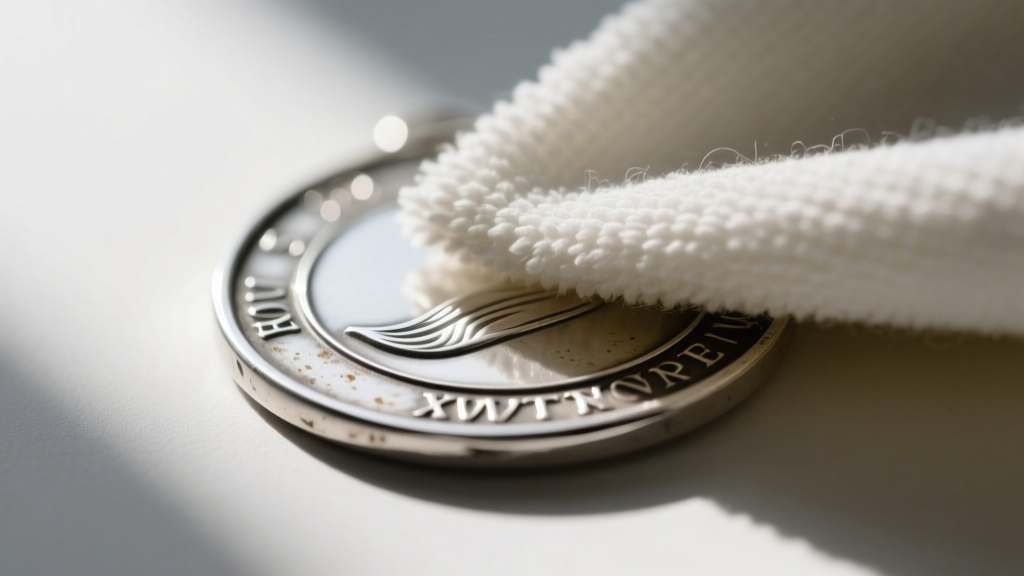
Heavy medallions pull the chain downward with significant force. This tension causes the back of the chain to slide upward, dragging the clasp from the nape of your neck right around to your collarbone. Not only is this aesthetically displeasing, but a heavy pendant swinging against a delicate lobster clasp can easily snap the clasp's trigger mechanism.
Clasp Upgrades and Stopper Beads
To solve clasp migration, swap the standard lobster clasp for a weighted toggle clasp or a magnetic neodymium clasp, which naturally center themselves due to their bulk. If you prefer to keep your existing chain, thread a small, 2-gram silicone 'clasp stopper' bead onto the chain right next to the clasp. The friction of the silicone against your skin or hair acts as an anchor, preventing the chain from sliding forward while maintaining the necklace's original aesthetic.
Restoring Vintage & Heavily Tarnished Medallions
Vintage medallions often feature deep, intentional oxidation (antiquing) in the engraved crevices to make the design pop. A common mistake is using aggressive silver dip solutions or ultrasonic cleaners, which strip this intentional patina, leaving the piece looking flat, cheap, and overly bright.
- For Sterling Silver with Antiquing: Never use liquid chemical dips. Instead, use a treated polishing cloth (impregnated with jeweler's rouge) and gently buff only the raised, high-friction areas. Leave the dark tarnish in the recessed engravings to maintain the 3D contrast.
- For Gold Vermeil: Ultrasonic cleaners will vibrate the gold molecules right off the silver core. Clean vermeil medallions using only warm water, a drop of phosphate-free dish soap, and an extra-soft baby toothbrush. Dry immediately with a microfiber cloth to prevent water spots.
- For Solid Bronze/Brass: If the piece has lost its luster, a paste made of equal parts lemon juice and baking soda applied for exactly 60 seconds will strip years of grime. Rinse thoroughly and immediately seal with a micro-crystalline wax to prevent flash-rusting.
Quick Reference: Medallion Maintenance Checklist
Keep your heavy pendants in pristine condition by following this bi-annual troubleshooting checklist:
- The Bail Check: Inspect the hole where the chain passes through. If the metal is thinning or grooving, have a jeweler install a hardened steel bail liner.
- The Jump Ring Squeeze: Use chain-nose pliers to gently squeeze the jump ring shut, ensuring no light passes through the seam.
- The Weight Test: Hold the necklace by the clasp. If the chain bows severely or feels like it might snap under the pendant's static weight, it is time to re-string onto a heavier gauge chain.
- The Skin Barrier: Reapply your nano-coat or clear polish barrier to the back of base-metal medallions every 3 to 4 months, depending on wear frequency.
By understanding the structural demands of heavy jewelry, you can transform a frustrating, unruly accessory into a flawless, lifelong statement piece. Proper gauge selection, friction management, and intelligent metallurgy are the true secrets to mastering the bold look of oversized pendants.


