Mangalsutra Necklace Materials: Gold Purity & Bead Durability Guide
Compare gold purities and black bead materials for your mangalsutra necklace. Discover the best alloys and stones for daily wear, durability, and safety.

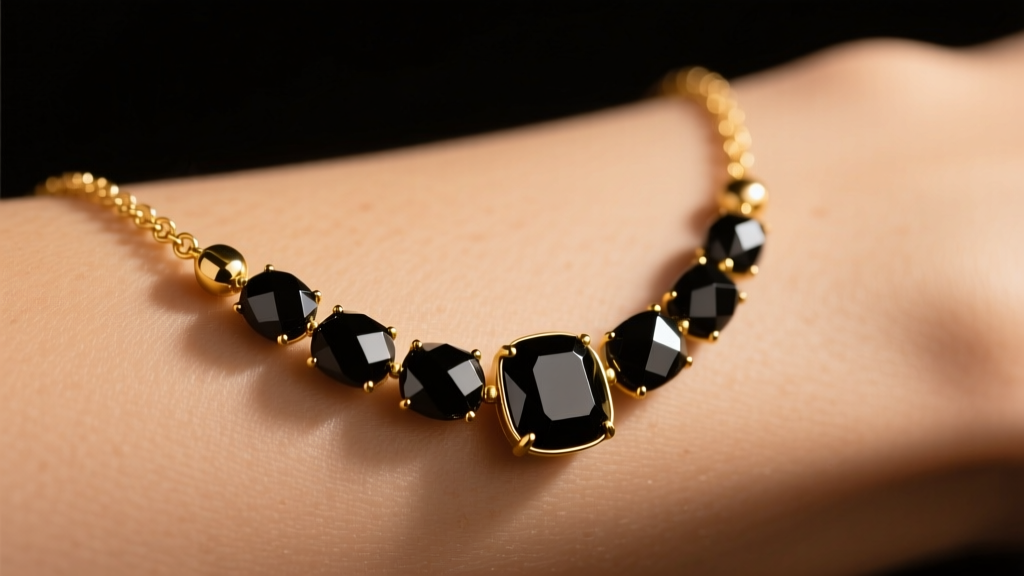
The Anatomy of a Modern Mangalsutra Necklace
The mangalsutra necklace is far more than a traditional symbol of marital status; for millions of women, it is a permanent fixture of daily wear. Because it is rarely removed, the metallurgical and gemological properties of the materials used dictate its lifespan, safety, and aesthetic longevity. As jewelry manufacturing techniques have evolved through 2026, the modern mangalsutra has shifted from heavy, soft 22-karat gold and fragile glass beads to engineered alloys and durable semi-precious stones. Understanding these material properties is critical for selecting a piece that withstands the rigors of daily life—from catching on clothing to exposure to sweat and cosmetics—without compromising its cultural integrity.
Gold Purity Showdown: 14K vs. 18K vs. 22K
Gold purity, measured in karats, is the primary determinant of a mangalsutra necklace's value, color, and structural integrity. Pure 24K gold (99.9% gold) is entirely unsuitable for jewelry due to its extreme malleability. Therefore, gold is alloyed with metals like copper, silver, zinc, and occasionally palladium to increase its Vickers hardness (HV). According to the Gemological Institute of America (GIA), the specific alloy mix not only dictates the color but also the tensile strength of the chain links and the pendant's prong durability.
Material Hardness and Wearability
Traditionalists often insist on 22K gold (91.6% purity). While it boasts a rich, warm yellow hue and high intrinsic value, its Vickers hardness hovers around 70-90 HV. This makes 22K chains highly susceptible to stretching, kinking, and clasp failure over years of continuous wear. Conversely, 18K gold (75% purity) offers a Vickers hardness of approximately 135-150 HV, providing an optimal balance between luxury, rich color, and the mechanical strength required to hold intricate pendant settings and secure clasps. For the chain itself, some modern jewelers recommend 14K gold (58.5% purity, ~170 HV) to guarantee maximum resistance to snapping, though this is less common in the premium mangalsutra market.
| Gold Purity | Gold Content | Approx. Hardness (HV) | Best Application in Mangalsutra | Durability Rating |
|---|---|---|---|---|
| 22K | 91.6% | 70 - 90 HV | Heavy, solid cast pendants (no delicate prongs) | Low (Prone to bending) |
| 18K | 75.0% | 135 - 150 HV | Pendants, gemstone settings, and premium chains | High (Ideal daily wear) |
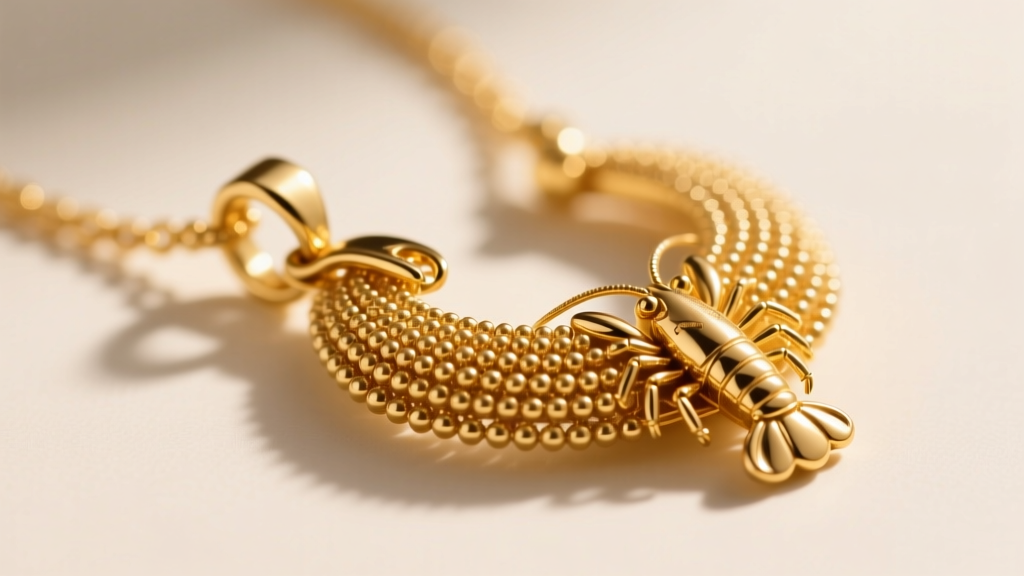
| 14K | 58.5% | 160 - 180 HV | Ultra-fine chains, secure lobster clasps | Very High (Maximum tensile strength) |
The Black Beads: Glass, Onyx, and Enamel
The 'kala moti' or black beads are the defining characteristic of the mangalsutra necklace, traditionally believed to ward off negative energy. However, the material composition of these beads drastically affects the necklace's failure rate. Historically, black beads were made from lead-glass or standard silica glass. Glass is an amorphous solid; it lacks a crystalline structure, making it highly vulnerable to point-impact shattering. A simple drop against a granite countertop can fracture traditional glass beads.
Upgrading to Crystalline Gemstones
To combat this, contemporary jewelers have transitioned to Black Onyx and Black Spinel. Black Onyx is a variety of chalcedony with a Mohs hardness of 6.5 to 7. It is highly resistant to scratching from daily environmental dust (which contains quartz, Mohs 7) and will not shatter easily upon impact. Black Spinel (Mohs 8) is even more durable and offers a superior refractive index, giving the beads a subtle, natural luster that glass cannot replicate. Another alternative is black enamel fired over a sterling silver or gold core. While visually striking, enamel is prone to micro-chipping due to the differing thermal expansion rates between the glass-based enamel and the metal substrate when exposed to hot water or extreme temperature changes.
- Traditional Glass: Mohs 5.5. High risk of shattering. Fades or scratches over time.
- Black Onyx: Mohs 6.5-7. Excellent durability. Takes a high polish. Can chip if struck directly against hard surfaces.
- Black Spinel: Mohs 8. Superior scratch resistance. Natural luster. Higher price point.
- Enamel on Metal: Mohs 5-6 (surface). Prone to chipping and thermal cracking. Requires careful maintenance.
Chain Link Engineering for Daily Wear
The chain of a mangalsutra necklace is its most vulnerable component. The continuous friction against the skin and clothing, combined with the weight of the pendant and beads, creates immense tensile stress. The two most critical factors in chain engineering are the wire gauge (thickness) and the link geometry.
Wire Gauge and Structural Integrity
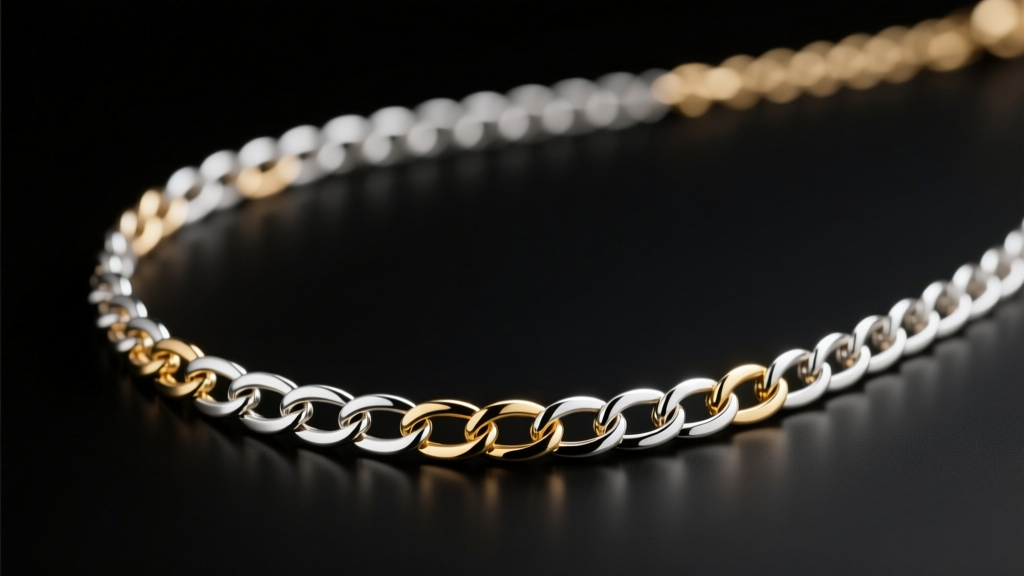
Many mass-produced necklaces utilize wire thicknesses of 0.6mm to 0.8mm to reduce gold weight and cost. For a daily-wear mangalsutra, this is a critical failure point. A 0.8mm cable chain will easily kink and eventually snap when caught on a garment. Expert jewelers recommend a minimum wire thickness of 1.0mm (approx. 18-gauge) for the main chain, and 1.2mm for the jump rings connecting the clasp. Furthermore, the manufacturing method matters. As of 2026, laser-welded jump rings are the industry standard for high-end pieces, eliminating the weak gap found in traditional split rings that can pull apart under tension.
Skin Sensitivity and Hypoallergenic Properties
Because the mangalsutra rests against the sternum—an area prone to sweating and friction—metal allergies are a significant concern. The Bureau of Indian Standards (BIS) hallmarking system guarantees the gold purity but does not regulate the specific alloying metals used. In lower-karat golds (like 14K or some 18K mixes), nickel or high-copper alloys are sometimes used to reduce costs or alter color. Nickel is a potent contact allergen that can cause severe contact dermatitis.
For individuals with sensitive skin, it is imperative to request a nickel-free alloy. Palladium-white gold or copper-silver-zinc yellow gold alloys are generally hypoallergenic. Additionally, some manufacturers rhodium-plate the clasps and chain ends for a brighter finish. While rhodium is hypoallergenic, the plating will eventually wear off after 12 to 18 months of continuous friction, exposing the base alloy underneath. Opting for un-plated, high-quality 18K or 22K yellow gold ensures the metal's color and skin-safety remain consistent throughout its lifespan.
Expert Verdict: Building Your Custom Piece
Selecting the right mangalsutra necklace requires balancing cultural tradition with modern material science. For the ultimate daily-wear configuration, prioritize an 18K gold chain with a minimum 1.0mm wire thickness and laser-welded jump rings. Pair this with a pendant crafted in either 18K or 22K gold (depending on the intricacy of the design) and opt for faceted Black Onyx or Spinel beads instead of traditional glass. By focusing on Vickers hardness, Mohs scratch resistance, and precise wire gauges, you ensure that this profound symbol of commitment remains physically unbroken and visually pristine for decades to come.


