How to Match Necklace Shapes to Your Face Shape and Neckline
Discover how to choose the perfect necklace shapes for your face shape, neckline, and personal style with our expert buying guide and fit framework.

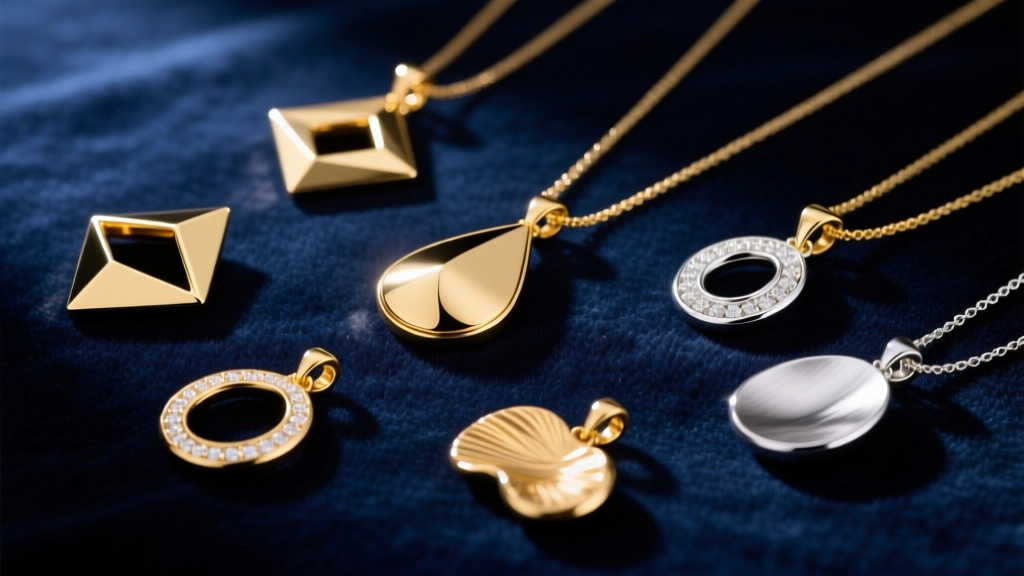
The Geometry of Adornment: Why Necklace Shapes Matter
When browsing for fine jewelry, buyers often fixate on metal purity, gemstone carat weight, and chain length. However, the fundamental silhouette of the pendant—the specific geometry that rests against your décolletage—dictates the visual weight, balance, and overall harmony of the piece. Choosing the right necklace shapes is not merely an aesthetic preference; it is an exercise in applied proportion and structural jewelry design. Whether you are drawn to sharp, Art Deco-inspired polygons or fluid, organic baroque forms, understanding how these shapes interact with your natural features and wardrobe is the hallmark of a seasoned collector.
In this comprehensive buying guide, we break down the exact frameworks for matching pendant geometries to your facial structure, neckline, and lifestyle, while also examining the hidden structural vulnerabilities inherent in certain shapes.
Matching Pendant Shapes to Face Shapes
The golden rule of accessorizing is contrast. The silhouette of your pendant should counterbalance the dominant angles of your face to create an oval illusion, which is universally considered the most balanced proportion in portrait aesthetics. Selecting necklace shapes that mimic your exact face shape can inadvertently exaggerate those features, making a round face appear wider or a long face more drawn out.
| Face Shape | Ideal Necklace Shapes | Shapes to Avoid | Visual Goal |
|---|---|---|---|
| Round | Angular, Marquise, Rectangular, V-shaped | Chunky circles, short chokers, wide ovals | Elongate the neck and introduce sharp lines |
| Square | Teardrop, Oval, Curved Bar, Organic | Geometric squares, sharp triangles, boxy pendants | Soften the jawline with fluid, sweeping curves |
| Oval | Most shapes (Geometric, Cluster, Lockets) | Extremely elongated pendants that drop past the sternum | Maintain natural balance; experiment freely |
| Heart | Chandelier, Teardrop, Bottom-heavy clusters | Inverted triangles, top-heavy wide bars | Add visual weight to the lower half of the face |
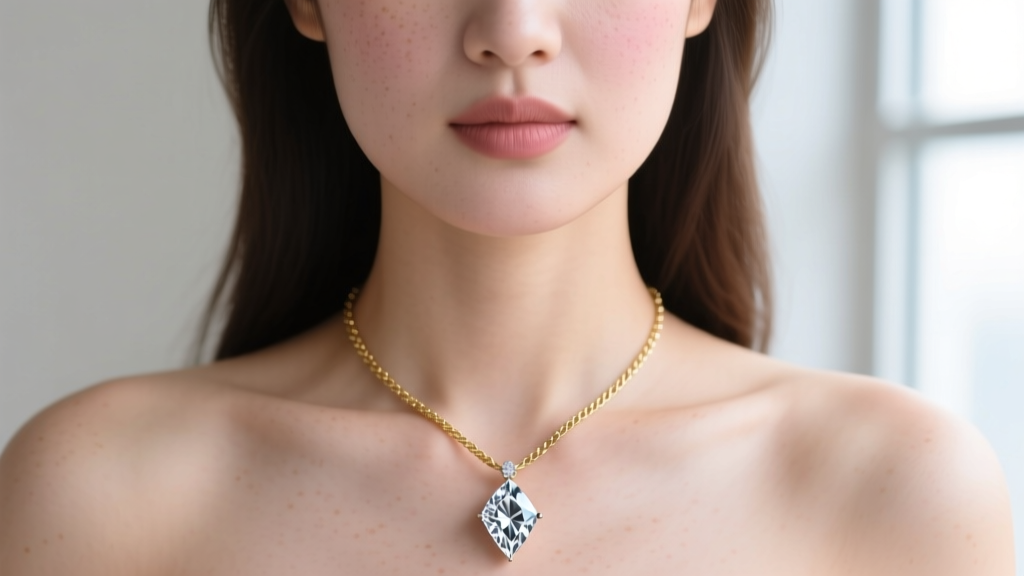
Structural Integrity: What to Look For in Geometric vs. Organic Shapes
Beyond aesthetics, the physical shape of a pendant or gemstone dictates its structural vulnerability and required setting mechanics. When investing in fine jewelry, you must evaluate how the shape will endure daily wear.
The Durability Matrix: Shape vs. Snag Risk
According to the Gemological Institute of America (GIA), the presence of acute points in gemstone shapes drastically increases the risk of chipping and snagging on textiles. Here is what to look for when buying specific shapes:
- Pear and Marquise Shapes: These feature points that often fall under a 90-degree angle. Always look for V-tip prongs or a partial bezel setting that completely caps the apex. A standard round prong on a marquise diamond is a critical failure point.
- Geometric Squares and Princess Cuts: The sharp 90-degree corners are highly susceptible to chipping if struck against a hard surface. Ensure the setting uses robust corner prongs or a continuous bezel. For the metal frame itself, 14k gold is preferable to 18k gold for geometric shapes, as the higher alloy content (copper and zinc) provides superior tensile strength to hold rigid angles.
- Organic and Baroque Shapes: Fluid, asymmetrical shapes like raw crystals or baroque pearls lack vulnerable points, making them inherently more durable for active lifestyles. However, they require custom-molded bezels or specialized adhesive prongs to prevent the stone from rotating on the chain.
Neckline Pairing Framework
A pendant does not exist in a vacuum; it interacts directly with the negative space created by your clothing. The American Gem Society (AGS) emphasizes that proper jewelry styling requires respecting the architectural lines of your garments. Use this framework to pair necklace shapes with common necklines:
1. The V-Neck and Wrap Dress
The Strategy: Echo the neckline. Choose Y-necklaces, teardrop pendants, or lariat styles that plunge into the negative space. A 20-inch to 24-inch chain with a bottom-heavy shape draws the eye downward, elongating the torso. Avoid wide, horizontal bar pendants, which will clash with the converging lines of the fabric.
2. The Crew Neck and Turtleneck
The Strategy: Contrast and define. High, closed necklines demand bold, statement-making shapes that sit entirely above the fabric line. Think wide geometric collars, chunky circular lockets, or multi-strand bib necklaces. A 16-inch to 18-inch chain is optimal here to prevent the pendant from getting lost in the folds of the garment.
3. The Strapless and Sweetheart Neckline
The Strategy: Frame the décolletage. With a vast expanse of bare skin, you have the canvas for intricate, sprawling shapes. Chandelier pendants, asymmetrical celestial motifs, and layered chain cascades work beautifully. Ensure the widest part of the shape does not extend beyond the inner crease of your shoulders to maintain proportional harmony.
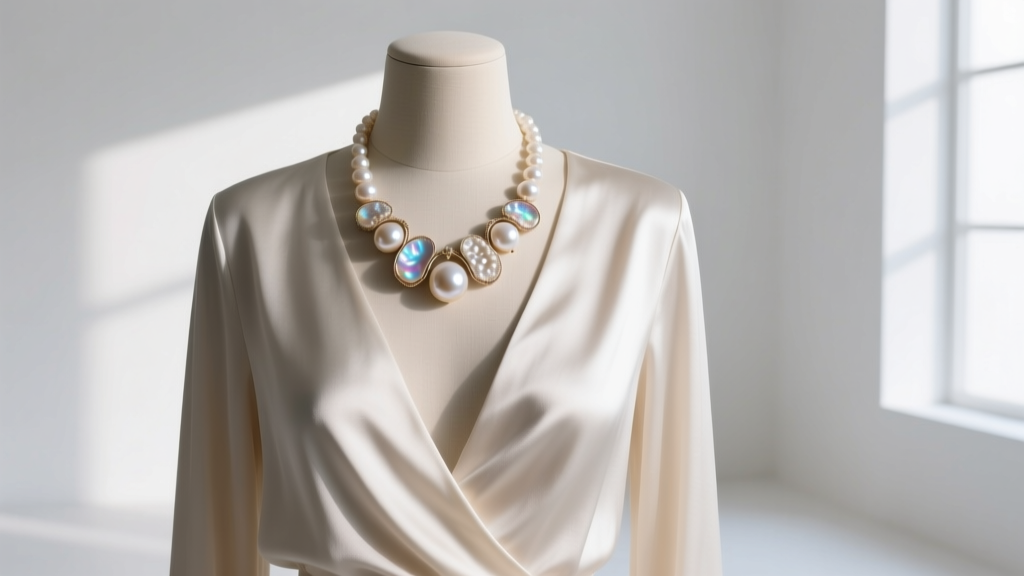
Sizing and Proportion: The 1/3 Rule
One of the most common purchasing mistakes is selecting a pendant shape that is visually overwhelming for the wearer's frame, or conversely, so diminutive that it loses its impact. To solve this, jewelers and stylists often employ the 1/3 Rule of Visual Weight.
The width of your pendant shape should ideally not exceed one-third the distance between the base of your neck and your shoulder point. For a petite frame with a narrow shoulder span, a 1.5-inch wide geometric pendant will look aggressive and unbalanced. Instead, opt for elongated, vertical shapes (like a 1-inch by 0.5-inch marquise) which provide visual interest without horizontal dominance. Furthermore, ensure your chain gauge supports the shape. A heavy, solid gold geometric block pendant requires a minimum 1.5mm to 2.0mm cable or rope chain; suspending it from a delicate 0.8mm thread chain will not only look disproportionate but will inevitably lead to chain deformation and breakage at the clasp and jump rings.
Final Buying Checklist
Before finalizing your purchase, run the piece through this quick diagnostic checklist to ensure the shape serves both your aesthetic and practical needs:
- Contrast Check: Does the shape oppose the dominant angles of my face?
- Setting Audit: If the shape has acute points (pear, marquise, princess), are they protected by V-prongs or bezels?
- Hardware Match: Is the chain gauge thick enough to support the physical weight and visual mass of the pendant shape?
- Wardrobe Harmony: Will this shape sit cleanly within the negative space of my most-worn necklines, or will it compete with the fabric?
By treating necklace shapes as a deliberate intersection of geometry, metallurgy, and personal styling, you elevate your jewelry collection from mere accessories to a curated expression of balanced design.


