Material Guide for Necklaces With Picture Inside and Lockets
Compare metals, glass, and resins for necklaces with picture inside. Learn which materials protect photos best and prevent tarnish or fading.

The Anatomy of Necklaces With Picture Inside
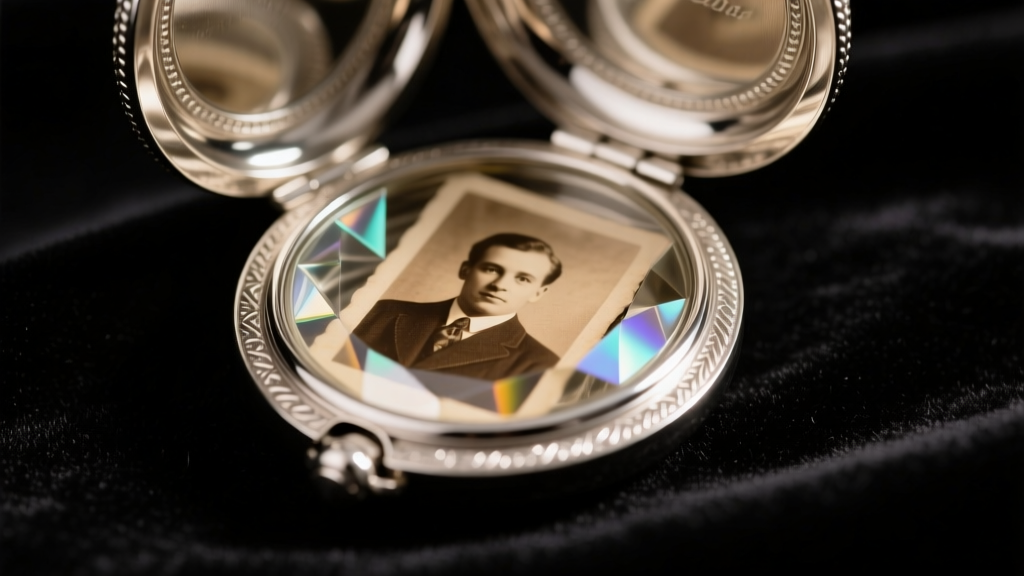
When evaluating necklaces with picture inside, the aesthetic appeal of the exterior metal is only half the equation. The true longevity of a photo locket depends on a complex interplay of metallurgy, optical clarity, and archival preservation. In 2026, the market has expanded beyond traditional hinged brass lockets to include precision-milled bezel pendants, UV-cured resin seals, and even NFC-integrated smart casings. However, the fundamental requirement remains unchanged: the materials encasing your photograph must actively defend against moisture, skin oils, UV radiation, and acidic degradation.
Whether you are selecting a generational heirloom or a modern minimalist photo pendant, understanding the specific material grades, hinge mechanisms, and cover mediums is critical. This guide breaks down the exact properties of metals, glass types, and insertion techniques to ensure your memories do not fade, yellow, or degrade inside their protective casings.
Metal Casings: Alloys, Thickness, and Failure Modes
The outer shell of necklaces with picture inside serves as the primary structural barrier. The thickness of the metal walls and the purity of the alloy dictate the pendant's resistance to denting, tarnishing, and hinge failure.
925 Sterling Silver and Rhodium Plating
Sterling silver (92.5% silver, 7.5% copper) is the industry standard for mid-tier lockets. The copper alloy provides necessary tensile strength, but it is highly susceptible to sulfur-induced tarnishing. To combat this, premium manufacturers apply a 0.5 to 1.0-micron layer of rhodium plating. This platinum-group metal creates an impermeable, highly reflective barrier that prevents oxidation. When purchasing a silver locket, always verify the wall thickness; a minimum of 0.8mm is required to prevent the casing from warping under the pressure of the snap-clasp mechanism.
14k vs. 18k Gold and Vermeil Alternatives
For heirloom-quality necklaces with picture inside, solid gold is unparalleled. 14k gold (58.3% gold) offers superior scratch resistance due to its higher alloy content (typically copper and zinc), making it ideal for daily wear. 18k gold (75% gold) provides a richer color but is softer and more prone to micro-abrasions. Gold vermeil—a thick layer of gold (minimum 2.5 microns) electroplated over a sterling silver base—is a cost-effective alternative, but the gold layer will eventually wear thin at the friction points of the hinge and clasp, exposing the tarnish-prone silver beneath.
Base Metals: Brass and Copper Alloys
Mass-produced lockets often utilize brass or copper bases coated in a thin gold or silver wash. While affordable, these materials have a high failure rate. The primary issue is galvanic corrosion; when the plating chips, the base metal reacts rapidly with sweat and environmental moisture, creating verdigris that can seep into the photo chamber and permanently stain the image.
The Cover Medium: Glass, Crystal, and Resin
The transparent cover protecting the photograph is the most critical optical and defensive component. The choice of medium dictates scratch resistance, UV filtration, and overall weight.
| Cover Material | Mohs Hardness | UV Protection | Weight | Best Use Case |
|---|---|---|---|---|
| Mineral Glass | 5 - 6 | Moderate | Medium | Standard hinged lockets |
| Sapphire Crystal | 9 | High (with coating) | Medium | Luxury bezel pendants |
| Acrylic (PMMA) | 3 | Low | Light | Budget or vintage replacements |
| UV-Cured Resin | 4 - 5 | High | Light | Modern seamless photo pendants |
According to the Gemological Institute of America (GIA), sapphire crystal is the premier choice for luxury jewelry due to its extreme scratch resistance. However, for traditional hinged lockets, beveled mineral glass remains the standard. It is crucial to ensure the glass features a UV-blocking coating; without it, prolonged exposure to sunlight will cause the organic dyes in photographic prints to bleach and fade over time.
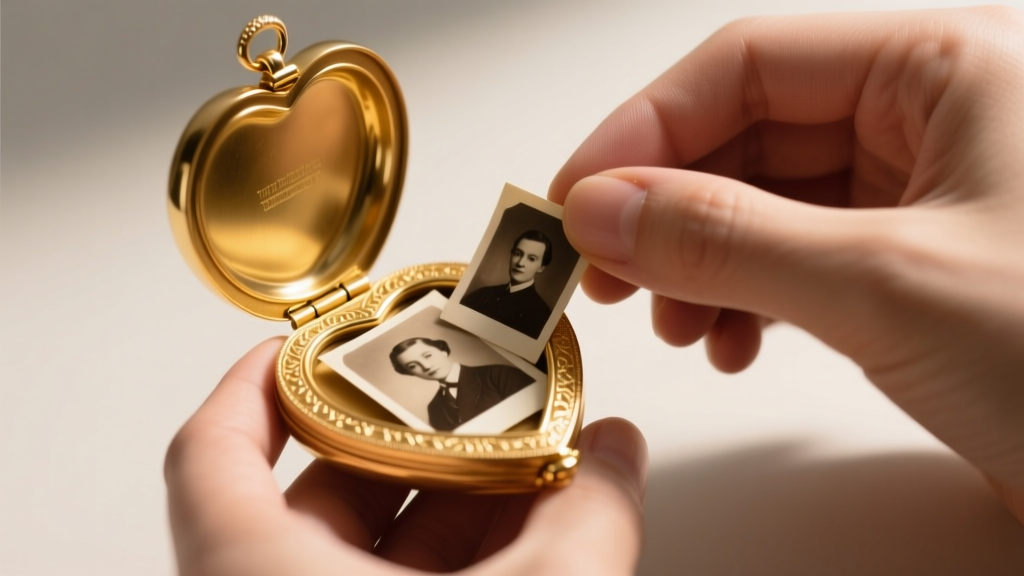
Photo Insertion and Archival Preservation
The materials inside the locket are just as important as the exterior. A common mistake is using standard printer paper or acidic photo paper, which contains lignin. Lignin breaks down over time, releasing acids that cause the paper to yellow and become brittle, eventually destroying the image.
Paper and Ink Selection
For necklaces with picture inside, always print your images on 100% cotton rag, acid-free, and lignin-free archival paper (typically 200gsm to 250gsm). Use pigment-based inks rather than dye-based inks. Pigment inks consist of microscopic solid particles that sit on top of the paper and are vastly more resistant to UV fading and moisture damage than liquid dye inks, which absorb into the paper fibers.
Adhesives and Mounting
Never use standard liquid glues or double-sided tape inside a locket. The chemical off-gassing from these adhesives will cause silver halide or inkjet prints to degrade rapidly. The Library of Congress recommends using inert, pH-neutral mounting techniques. For lockets, this means utilizing archival-quality polyester photo corners or 3M Archival Double-Sided Tape, which is specifically formulated to be chemically stable and non-yellowing.
2026 Tech Integration: Modern heirloom lockets are increasingly featuring hidden NFC (Near Field Communication) chips embedded behind the photograph. This allows the physical necklace with picture inside to act as a gateway to a secure cloud album, blending archival physical preservation with limitless digital storage.
Chain Pairings: Gauge and Clasp Mechanics
A heavy metal locket requires a chain with adequate tensile strength. The most common failure mode for necklaces with picture inside is the chain snapping at the clasp or the jump ring pulling apart under the pendant's dynamic weight.
- Box Chains (1.5mm - 2.0mm): Ideal for heavy gold or silver lockets. The interlocking square links distribute weight evenly and resist kinking.
- Rope Chains (1.2mm - 1.8mm): Excellent tensile strength and a twisted design that catches the light, though they can trap skin oils and require regular ultrasonic cleaning.
- Cable Chains (1.0mm - 1.5mm): Best suited for lightweight, modern resin-sealed photo pendants. Avoid for heavy traditional lockets, as the individual oval links can stretch and deform over time.
Always ensure the clasp is a solid lobster claw rather than a spring ring. Spring rings rely on a tiny internal steel spring that is highly susceptible to rust and mechanical failure, especially when supporting the extra gram weight of a glass-and-metal locket.
Maintenance and Preventing Photo Degradation
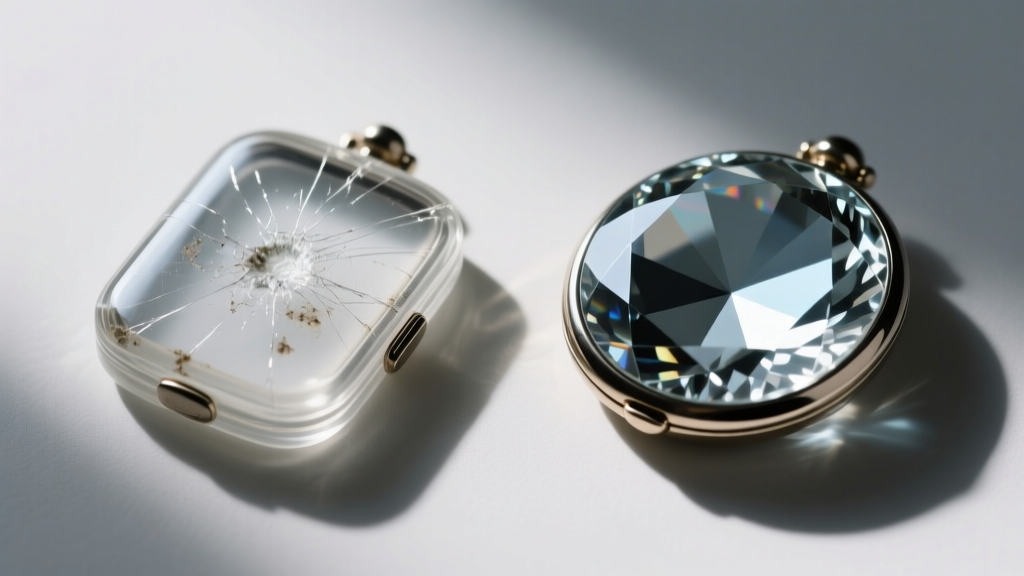
Even the highest quality materials require specific maintenance protocols to ensure the photograph inside remains pristine. Moisture is the ultimate enemy of necklaces with picture inside. If a hinged locket is worn in the shower or pool, capillary action will draw water past the glass bezel and into the paper chamber.
To clean the exterior metal, use a microfiber cloth and a specialized, non-ammonia jewelry polish. Ammonia-based cleaners can strip the anti-reflective and UV-blocking coatings off mineral glass and sapphire crystal covers. For the hinge mechanism, a single drop of synthetic watchmaker's oil applied with a fine needle will keep the 5-knuckle or 3-knuckle rivets moving smoothly without attracting abrasive dust.
For comprehensive guidelines on preserving photographic materials in varying humidity levels, consult the Image Permanence Institute, which provides extensive data on the environmental tolerances of modern and historical print mediums.
Final Verdict: Building a Heirloom Locket
Investing in necklaces with picture inside is an exercise in material science as much as it is an emotional endeavor. For a piece meant to last generations, prioritize a solid 14k gold or rhodium-plated 925 silver casing with a minimum wall thickness of 0.8mm. Demand a beveled mineral glass or sapphire crystal cover with verified UV-blocking properties. Finally, commit to using only acid-free cotton rag paper and pigment inks for the photograph itself. By aligning the metallurgical, optical, and archival properties of your locket, you ensure that the memory encased within remains as vivid as the day it was sealed.


