How Material Properties Affect Necklace Sizes in Inches
Discover how metal weight, gem density, and chain flexibility alter the true fit of standard necklace sizes in inches for optimal drape and comfort.

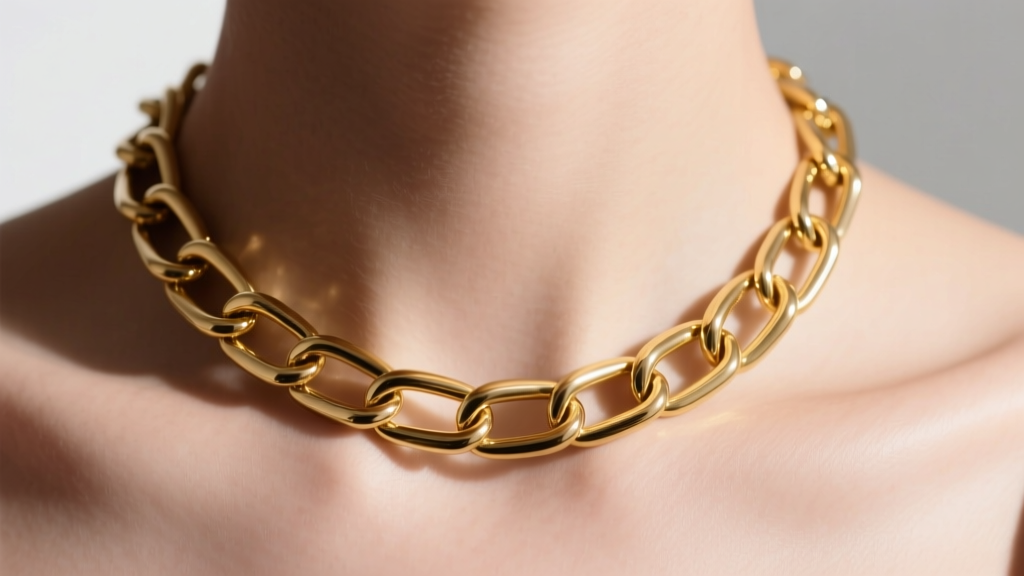
The Physics of Drape: Why Material Alters Standard Lengths
When most jewelry guides discuss necklace sizes in inches, they focus almost exclusively on human anatomy—measuring neck circumference and collarbone placement. However, as any master jeweler or metallurgist will tell you, the physical properties of the materials used dictate how a necklace actually behaves on the body. A 16-inch chain crafted from lightweight titanium will sit, drape, and feel entirely different than a 16-inch chain cast in solid platinum, even if the measuring tape reads the exact same length.
The discrepancy comes down to specific gravity, tensile strength, and link geometry. Heavy materials pull downward, elongating the neck's appearance and stressing the clasp, while rigid or lightweight materials may resist the natural curvature of the collarbone, causing the piece to ride up. Understanding the intersection of material science and standard necklace sizes in inches is crucial for selecting a piece that offers both aesthetic perfection and long-term structural integrity.
Decoding Necklace Sizes in Inches by Material Density
The density of a metal—measured by its specific gravity—determines how much a chain will weigh at a given length and gauge. This weight directly influences how the necklace conforms to the body across standard sizing categories.
14 to 16 Inches: The Choker and Collar Fit
At shorter lengths, rigidity becomes a primary concern. A 14-inch sterling silver box chain (specific gravity 10.49) has enough structural stiffness that it may not lay perfectly flat against the hollow of the throat unless the gauge is exceptionally fine (under 1.5mm). Conversely, a 14-inch hollow gold rope chain or a flexible titanium snake chain will contour smoothly to the neck. For choker lengths, prioritizing low-density metals or hollowed link structures prevents the "choking" sensation caused by heavy, rigid links pressing into the carotid area.
18 to 20 Inches: The Princess and Matinee Standard
This is the most common range for pendant necklaces. At 18 inches, a 3mm solid 14k yellow gold Cuban link chain (specific gravity ~13.5) will weigh approximately 45 grams. This weight creates a beautiful, fluid drape that anchors the necklace below the collarbone. However, if you substitute that gold for tungsten (specific gravity 19.25), the same 18-inch, 3mm chain will weigh over 65 grams. This excessive weight causes the chain to pull aggressively on the nape of the neck, often forcing the clasp to migrate to the front of the throat during movement.
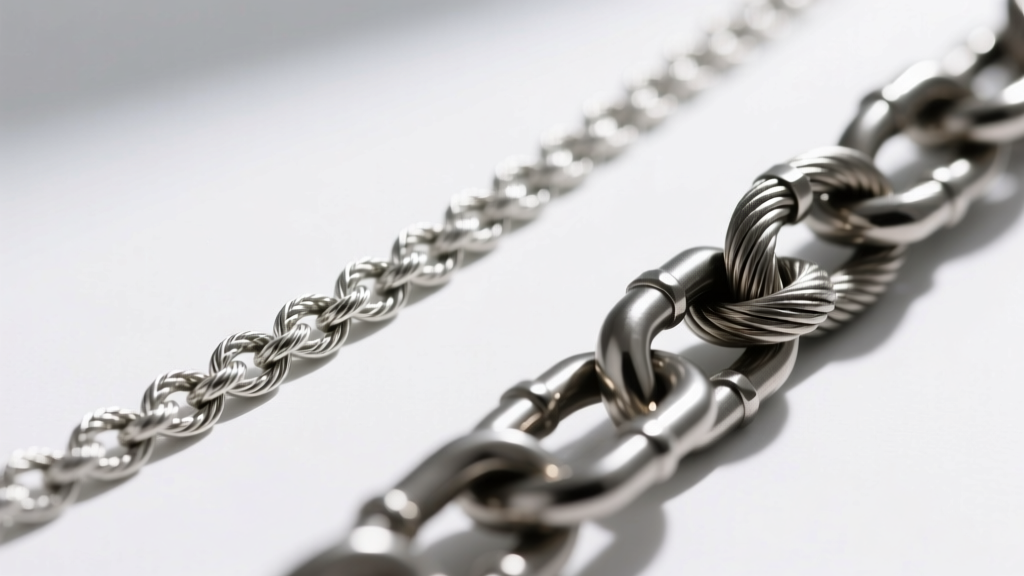
24 to 30 Inches: Opera and Rope Lengths
When dealing with extended necklace sizes in inches, cumulative weight and tensile creep become critical factors. A 30-inch solid platinum chain is a masterpiece of luxury, but platinum's high density means a moderately thick chain can exceed 120 grams. Over time, the sheer gravitational pull on the lower links can cause micro-stretching in the jump rings, effectively turning a 30-inch necklace into a 31-inch necklace after a few years of daily wear.
Tensile Strength, Yield, and Chain Link Integrity
Beyond weight, a metal's yield strength—the stress point at which it begins to deform permanently—dictates how well a necklace maintains its stated size in inches. Pure 24k gold is incredibly soft and has a low yield strength. A 22-inch chain made of solid 24k gold will stretch noticeably under the weight of a heavy pendant. In contrast, 14k white gold, alloyed with nickel or palladium, offers immense tensile strength, ensuring that a 22-inch chain remains exactly 22 inches for a lifetime.
This is why jewelers often recommend upgrading to higher-karat alloys or switching to platinum for longer necklace sizes in inches if you plan to suspend a heavy gemstone or solid metal pendant from the center link.
| Material | Specific Gravity | Yield Strength (MPa) | Max Recommended Gauge for 24" Length |
|---|---|---|---|
| Aluminum | 2.70 | ~27 MPa | 4.0mm (Lightweight, low stress) |
| Titanium (Grade 5) | 4.43 | ~880 MPa | 3.5mm (High strength, low weight) |
| Sterling Silver | 10.49 | ~200 MPa | 2.5mm (Moderate weight, prone to stretch) |
| 14k Yellow Gold | 13.50 | ~250 MPa | 2.2mm (Heavy, requires secure clasps) |
| Platinum (950) | 21.45 | ~300 MPa | 1.8mm (Extremely heavy, high tensile) |
Organic Materials: Pearls, Beads, and Silk Tension
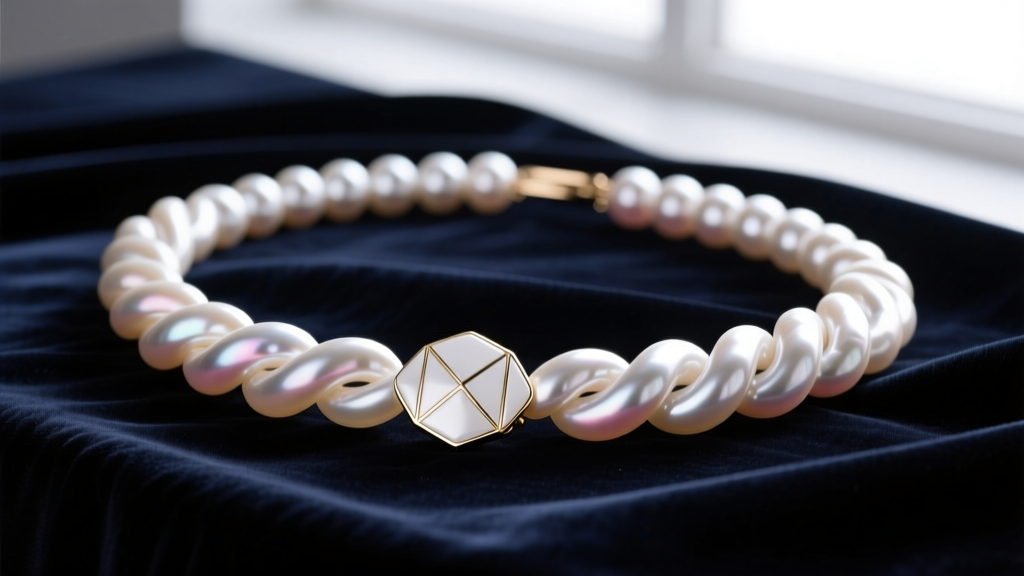
Material properties aren't limited to metals. When evaluating necklace sizes in inches for organic strands, such as freshwater pearls or lapis lazuli beads, the stringing material plays a massive role in the final wearable size. According to the Gemological Institute of America (GIA), cultured pearls are traditionally strung on knotted silk thread.
Silk is a natural protein fiber that absorbs moisture from the air and the wearer's skin. An 18-inch pearl necklace freshly strung on tight silk will actually measure closer to 18.5 or 18.75 inches after six months of regular wear. The silk stretches, and the knots compress. If you are buying a rigid 18-inch choker made of steel wire and beads, it will never change size. But if you are buying an 18-inch knotted silk pearl strand, you must account for this organic elongation, or the necklace will eventually droop below your intended collarbone placement.
Clasp Stress and Material Weight Ratios
A frequently overlooked aspect of necklace sizing is the clasp-to-chain weight ratio. A 24-inch heavy sterling silver paperclip chain might weigh 60 grams. If it is finished with a standard 5mm lobster clasp weighing just 0.4 grams, the kinetic energy of the heavy chain swinging during a walk will eventually warp the clasp's spring mechanism or pull the jump ring open.
For necklace sizes in inches exceeding 20 inches, and particularly for high-density metals like gold or platinum, the clasp must be scaled proportionally. A good rule of thumb utilized by Rio Grande and other master suppliers is that the clasp's structural mass should be at least 1/10th the visual bulk of the chain links to prevent mechanical failure at the nape of the neck.
Expert Sizing Tip: When ordering a custom heavy-metal chain (like a 4mm solid gold Figaro) in a 22-inch length, ask your jeweler to add an extra 0.25 inches to account for the initial "seating" of the links. New chains often stretch microscopically as the links settle into their natural resting angles against one another during the first few weeks of wear.
Practical Sizing Adjustments Based on Material Weight
To achieve the perfect fit, you must adjust your target necklace sizes in inches based on the material you are purchasing. Use this practical framework when shopping:
- For High-Density Metals (Platinum, Solid Gold, Tungsten): Subtract 0.25 to 0.5 inches from your desired resting length. The weight will naturally pull the chain downward, making it sit lower on the chest than a lightweight alternative.
- For Rigid/Low-Density Metals (Titanium, Aluminum, Steel Box Chains): Add 0.25 inches. These materials resist bending and will sit slightly higher and wider on the shoulders.
- For Knotted Organic Strands (Pearls, Coral): Subtract 0.5 inches if strung on silk, anticipating the natural elongation of the fiber over the first year of wear.
- For Hollow Chains (Electroformed Gold): Order your exact true-to-size measurement. Hollow chains mimic the look of heavy gold but lack the gravitational pull, meaning they will sit exactly where the measuring tape dictates.
Final Thoughts on Sizing and Material Selection
Mastering the nuances of necklace sizes in inches requires looking beyond the tape measure. By factoring in the specific gravity of your chosen metal, the tensile strength of the alloy, and the structural behavior of the stringing medium, you can predict exactly how a piece will drape, age, and perform. Whether you are selecting a lightweight 16-inch titanium choker for active daily wear or a 24-inch solid platinum rope chain for a heavy diamond pendant, aligning material properties with physical dimensions is the hallmark of a truly informed jewelry collector.


