The Summary of the Necklace by Guy de Maupassant: A Gifting Guide
Explore the summary of the necklace by Guy de Maupassant to discover modern jewelry gifting lessons on diamond simulants, lab stones, and occasion wear.

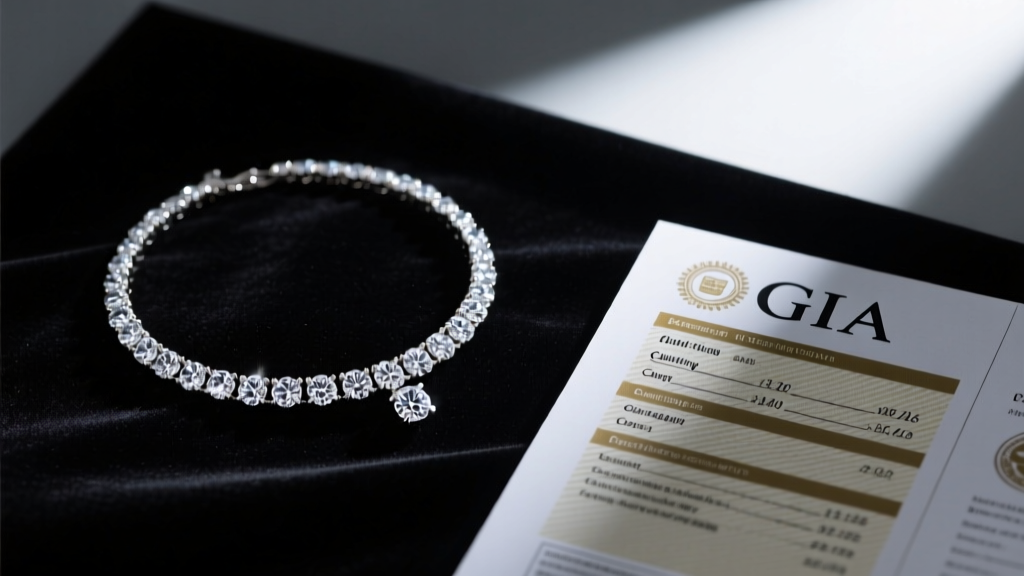
Classic literature and modern gemology rarely intersect, but when analyzing the summary of the necklace by guy de maupassant, contemporary jewelers and gift-givers can extract a surprising masterclass in authenticity, occasion matching, and the hidden dangers of undisclosed simulants. Published in 1884, Maupassant’s tragic short story follows Mathilde Loisel, a woman who borrows what she believes to be a priceless diamond necklace for a high-society gala, only to lose it and spend a decade in grueling poverty to replace it. The devastating twist? The original borrowed piece was made of 'paste' (a glass simulant), worth a mere fraction of the replacement cost.
As we navigate the complex jewelry market of 2026—where lab-grown diamonds, moissanite, and high-end simulants are virtually indistinguishable to the naked eye—the lessons from this 19th-century tale are more relevant than ever. This guide translates literary tragedy into an actionable, gemologically sound framework for gifting necklaces and pendants today.
The Core Mistake: Status, Secrecy, and the 'Paste' Deception
Mathilde’s fatal error was not merely losing the jewelry; it was the lack of transparency between the borrower and the lender, Jeanne Forestier. Jeanne loaned a simulant without disclosing its true nature, while Mathilde assumed high status based purely on aesthetics. In modern jewelry gifting, presenting a lab-grown diamond or a moissanite simulant as a 'natural' earth-mined diamond is the contemporary equivalent of Jeanne’s unspoken secret. It undermines the emotional value of the gift and sets the recipient up for future appraisal shocks.
According to the Gemological Institute of America (GIA), a diamond simulant is any material that visually resembles a diamond but possesses entirely different chemical and physical properties. However, modern lab-grown diamonds (created via CVD or HPHT processes) are not simulants; they are chemically, physically, and optically identical to natural diamonds. Understanding this distinction is the first rule of ethical, high-value necklace gifting.
Material Matrix: Natural vs. Lab-Grown vs. Simulants (2026 Data)
When selecting a centerpiece for a pendant or a tennis necklace, the material dictates not only the price but the longevity, wearability, and ethical footprint of the gift. Below is a gemological breakdown to help you match the material to the occasion and the recipient's lifestyle.
| Material | Mohs Hardness | Refractive Index (RI) | 2026 Avg. Price (per ct) | Best Occasion & Gifting Context |
|---|---|---|---|---|
| Natural Diamond | 10 | 2.42 | $4,500 - $8,000 | Heirloom gifting, major milestones, legacy pendants. |
| CVD Lab-Grown | 10 | 2.42 | $800 - $1,200 | Anniversaries, gala wear, ethically-conscious recipients. |
| Moissanite | 9.25 | 2.65 - 2.69 | $50 - $100 | High-risk events, travel, 'Ministry Ball' statement pieces. |
| Cubic Zirconia (CZ) | 8.0 - 8.5 | 2.15 | $1 - $5 | Fast fashion, temporary props, low-budget layering. |
Why Refractive Index Matters in Pendant Selection
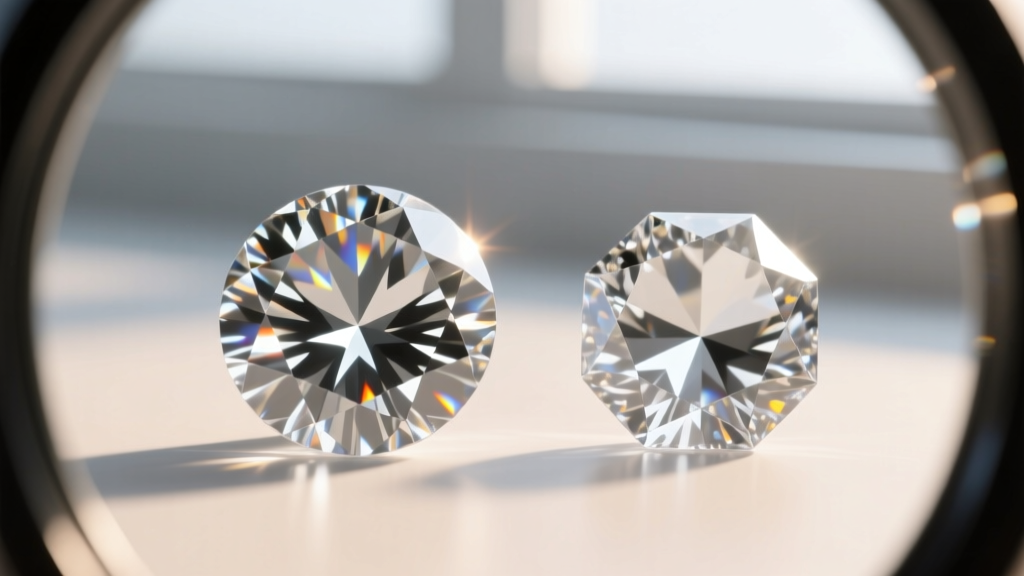
Notice the Refractive Index (RI) in the table above. Moissanite’s higher RI (2.65) gives it a 'disco-ball' effect with intense rainbow fire, which can sometimes give away its identity in larger carat weights (typically over 2.0 ct). If you are gifting a solitaire diamond pendant and want it to pass as natural to the untrained eye, stick to a G/H color lab-grown diamond or a precision-cut moissanite under 1.5 carats, set in a bezel or four-prong 14k white gold basket.
Occasion Matching: Don't Borrow What You Can't Replace
Mathilde Loisel’s second critical failure was occasion mismanagement. She wore an uninsured, ultra-high-value (or so she thought) piece to a crowded, high-kinetic environment (a gala) without the financial safety net to replace it. When gifting necklaces for specific occasions, you must evaluate the 'Risk Factor' of the event.
- High-Risk Galas & Destination Events: If the recipient is attending a high-profile ball, a cruise, or a destination wedding, gifting a natural diamond tennis necklace is a massive liability risk. The Fix: Gift a high-quality moissanite or lab-grown alternative specifically designated as 'travel jewelry' or 'event jewelry.' A 5mm moissanite tennis necklace set in 10k white gold offers the exact visual impact of a $40,000 natural piece for under $900, eliminating the anxiety of loss or theft.
- Everyday Milestones (Birthdays, Anniversaries): For daily wear, durability is paramount. Avoid gifting opal or pearl pendants for recipients with active lifestyles. Opt for a bezel-set lab-grown diamond pendant on a secure chain. Bezel settings eliminate the risk of snagging prongs on knitwear, a common failure mode that leads to lost stones.
- Professional/Office Wear: Stick to 16-inch to 18-inch chains with subtle, low-profile pendants. A 0.25ct diamond solitaire on a delicate 1.0mm box chain sits perfectly at the collarbone, complementing V-neck and scoop-neck blouses without overwhelming professional attire.
Chain Anatomy & Clasp Security: Preventing the 'Lost Necklace' Scenario
Had Mathilde’s necklace featured a modern, secure clasp, the entire tragedy of Maupassant’s classic narrative might have been avoided. When gifting a pendant or chain, the structural integrity of the metal is just as important as the gemstone.
The Golden Rule of Chain Gifting: Never pair a heavy pendant with a snake chain or a herringbone chain. These flat, woven styles are prone to kinking and will snap under the torque of a swinging pendant. Always opt for a Box, Wheat, or Cable chain.
Furthermore, inspect the clasp. Spring-ring clasps (the small, perfectly circular ones) are notoriously difficult to operate with one hand and feature a tiny internal spring that frequently fails. Always upgrade your gift to feature a lobster clasp. Lobster clasps are self-closing, feature a solid internal mechanism, and can support significantly more weight, ensuring the pendant remains securely around the recipient's neck.
How to Gift a 'Ministry Ball' Necklace in 2026
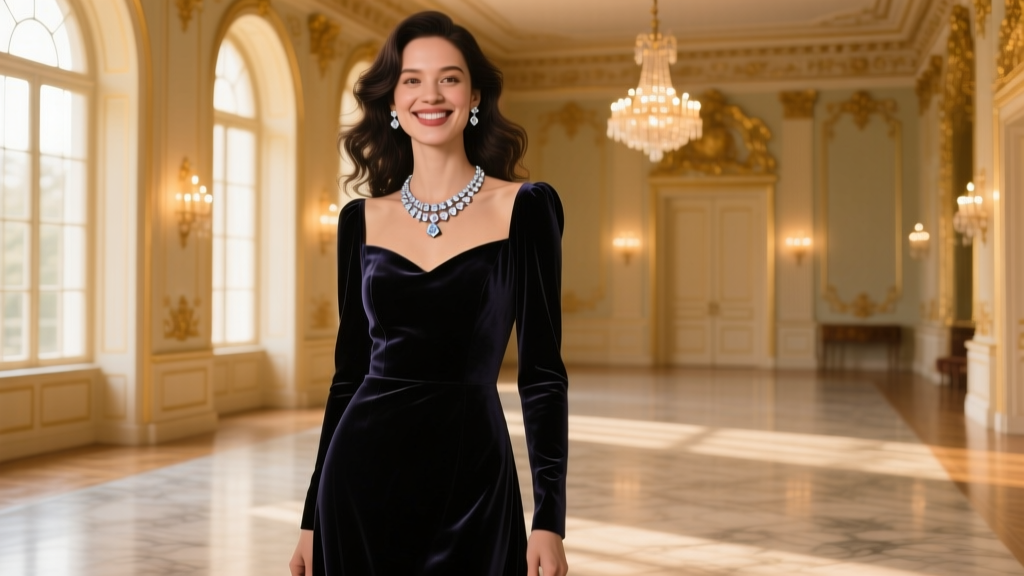
If you want to gift the exact feeling Mathilde experienced at the Ministry of Education ball—pure, unadulterated glamour—without the crippling debt, follow this 2026 blueprint for the ultimate statement necklace gift:
- The Centerpiece: Select a 7mm to 9mm cushion-cut moissanite or lab-grown diamond. The cushion cut offers a vintage, romantic appeal that mimics the antique styles of the late 19th century while maximizing face-up spread.
- The Setting: Choose a hidden halo setting. This provides the frontal solitaire look but adds a secret pavé diamond halo underneath the basket, catching ambient ballroom light and projecting it upward into the main stone.
- The Chain: An 18-inch, 1.5mm solid wheat chain in 14k yellow or white gold. Wheat chains are incredibly resilient, resist tangling in updos, and possess a liquid-metal drape that elevates any evening gown.
- The Documentation: Include the grading report (from IGI or GIA) and a beautifully written note explicitly stating the stone's origin. Transparency is the ultimate luxury. Gifting a lab-grown diamond with pride and education is a hallmark of a modern, thoughtful partner.
Final Thoughts on Authenticity and Value
The true tragedy of the summary of the necklace by Guy de Maupassant is not the loss of a physical object, but the十年 (ten years) of life sacrificed to a false perception of value. As jewelry experts and gift-givers in 2026, we have the gemological knowledge and the ethical frameworks to ensure our gifts bring joy, not ruin. By understanding the precise differences between natural diamonds, lab-grown alternatives, and simulants, and by matching the necklace's security and style to the actual occasion, you can offer the gift of brilliance with absolute peace of mind. True elegance lies not in deceiving the eye, but in the authentic intention behind the gift.


