The Necklace by Guy de Maupassant Theme: Real vs Fake Diamond Guide
Explore the necklace by Guy de Maupassant theme through a modern jeweler's lens. Learn how to troubleshoot and identify real vs. fake diamond pendants.

The Mathilde Loisel Trap: Why Authenticity Troubleshooting Matters
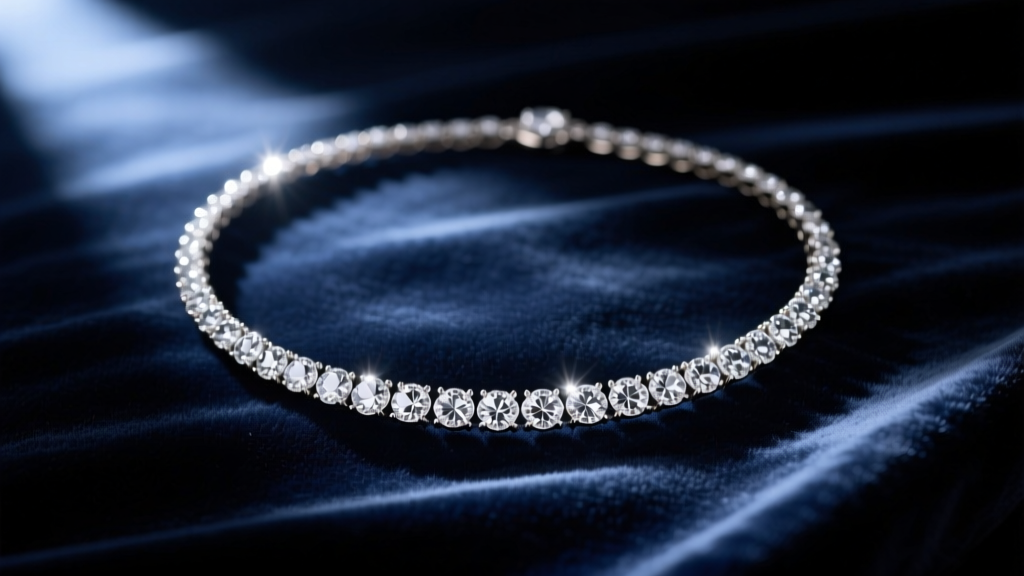
When literary scholars analyze the necklace by guy de maupassant theme, they typically focus on the destructive nature of vanity, class anxiety, and the cruel irony of fate. Mathilde Loisel borrows what she believes to be a priceless diamond necklace, loses it, and spends ten grueling years in poverty to replace it—only to discover the original was a fake, made of paste. However, from the perspective of a modern gemologist and jewelry stylist, the true tragedy of the story is a catastrophic failure of jewelry authentication and basic material literacy.
Understanding the necklace by guy de maupassant theme from a practical, problem-solving standpoint requires us to look past the moral lessons and examine the physical vulnerabilities of high-value jewelry. Mathilde failed on two critical fronts: she could not distinguish natural diamonds from lead-glass paste simulants, and she failed to secure the physical integrity of the piece, leading to its loss. Today, with the market flooded with Cubic Zirconia (CZ), moissanite, and lab-grown diamonds, the ability to troubleshoot authenticity and structural integrity is more vital than ever. This guide will equip you with the exact diagnostic frameworks needed to avoid your own 36,000-franc mistake.
Visual & Physical Troubleshooting: Real Diamonds vs. Simulants
In 1884, "paste" jewelry was typically crafted from high-lead-content glass, which offered high brilliance but lacked the hardness and thermal properties of carbon. Today's simulants are far more deceptive. To troubleshoot whether a diamond pendant is natural, lab-grown, or a simulant, you must rely on specific physical properties rather than mere visual sparkle.
The 10x Triplet Loupe Inspection
The cornerstone of gemological troubleshooting is the 10x triplet loupe. Unlike a standard magnifying glass, a triplet lens corrects for spherical and chromatic aberration, giving you a true view of the stone's interior.
- Natural Diamonds: Look for internal carbon inclusions (black spots), feathers (micro-fractures), and sharp, crisp facet junctions. Natural diamonds are cut with extreme precision because the rough material is so expensive.
- Cubic Zirconia (CZ):strong> CZ is typically flawless. If you see absolutely no inclusions under 10x magnification, and the facet edges appear slightly rounded or abraded (due to CZ's lower Mohs hardness of 8.0-8.5), you are likely looking at a simulant.
- Glass/Paste: Look for spherical gas bubbles. Bubbles are a dead giveaway of melted glass or synthetic resin, the exact material Mathilde Loisel unknowingly wore to the ball.
Refractive Index and the "Read-Through" Effect
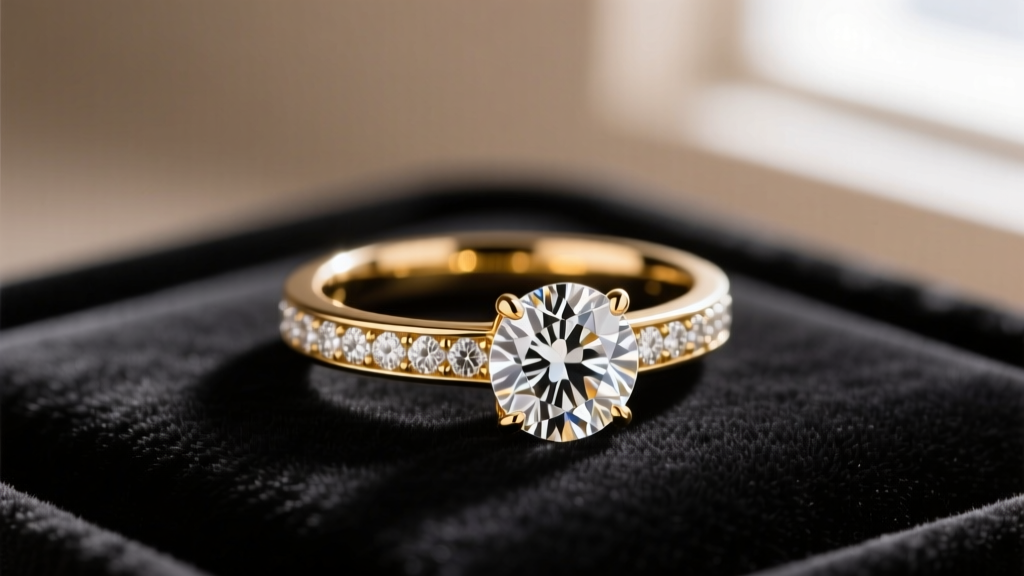
Diamonds possess a remarkably high Refractive Index (RI) of 2.42. This means light bends so severely upon entering the stone that it reflects internally and exits back through the top (the table). If you place a loose diamond face-down on a piece of paper with printed text, you should not be able to read the text through the stone. If the text is legible or appears as a distorted, readable ring, the stone has a lower RI and is likely glass, white sapphire (RI 1.76), or CZ (RI 2.15). For a comprehensive breakdown of optical properties, consult the Gemological Institute of America's guide on diamond simulants.
Comparative Data: Diamond vs. Modern Simulants
When troubleshooting a questionable pendant, referencing the physical limits of the material is essential. The table below outlines the critical metrics used by gemologists to separate natural stones from the "paste" of the 21st century.
| Material | Mohs Hardness | Refractive Index | Thermal Conductivity | Troubleshooting Tell |
|---|---|---|---|---|
| Natural Diamond | 10 | 2.42 | Extremely High | Natural inclusions, sharp facets, passes thermal tester. |
| Lab-Grown Diamond | 10 | 2.42 | Extremely High | Metallic flux inclusions (HPHT) or strain patterns (CVD). |
| Moissanite | 9.25 | 2.65 - 2.69 | High | Double refraction (facet doubling visible under loupe). |
| Cubic Zirconia | 8.0 - 8.5 | 2.15 - 2.18 | Low | Completely flawless, rounded facet edges, fails thermal test. |
| Lead-Glass Paste | 5.0 - 6.0 | 1.50 - 1.70 | Very Low | Gas bubbles, heavily scratched surface, reads through text. |
Structural Troubleshooting: Why Did the Necklace Break?
The inciting incident of Maupassant's story is the loss of the necklace. While the author attributes this to careless distraction, a jewelry stylist knows that structural failure is the true culprit. High-value diamond riviere necklaces and heavy pendants place immense stress on their findings. If you are borrowing, buying, or inheriting a diamond necklace, you must troubleshoot its structural integrity before wearing it out.
Clasp and Jump Ring Diagnostics
Mathilde likely wore a necklace secured by a vintage spring-ring or a simple hook clasp. These are notorious failure points.
- The Spring Ring Flaw: The internal spring mechanism in small spring-ring clasps weakens over time. If the clasp does not snap back with aggressive, instantaneous force, it is a liability. Upgrade heavy pendants to a solid 14k or 18k gold lobster claw clasp, which features a thicker, more reliable internal spring.
- Unsoldered Jump Rings: The jump ring connects the clasp to the chain. If the jump ring has a visible gap and is not soldered shut, a slight snag on a velvet dress (or a modern winter coat) will pull it open, dropping the piece. Always verify that jump rings on fine jewelry are laser-soldered.
Chain Link Integrity and Prong Wear
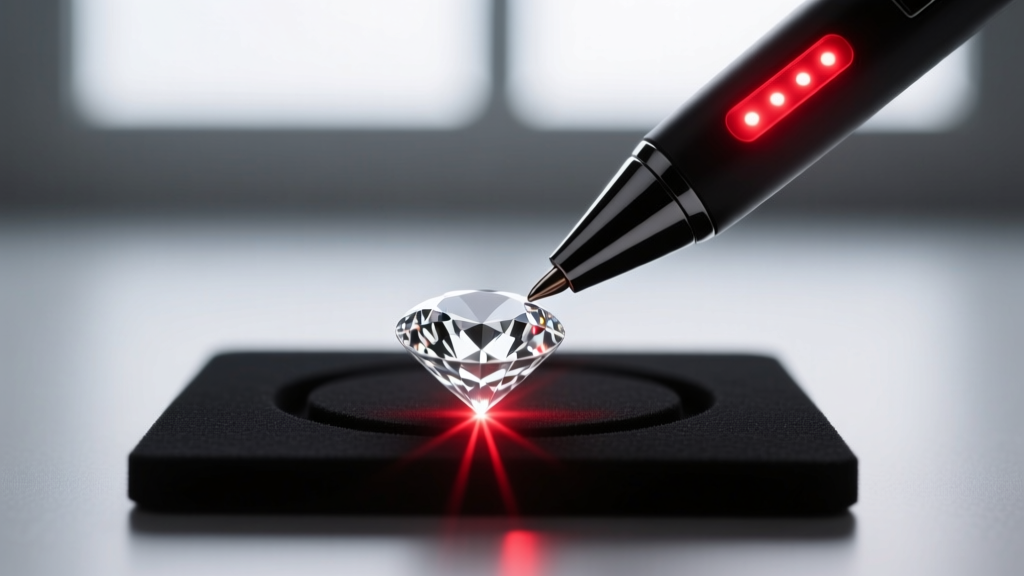
If the necklace features a central pendant, inspect the prongs holding the primary stone. Prongs should be flush against the crown of the gemstone. If you can slide a piece of silk thread under the prong and it snags, the metal has worn down and requires immediate re-tipping by a bench jeweler. Furthermore, avoid wearing delicate cable chains with heavy pendants; the friction will eventually cause the gold or platinum links to thin and snap. For pendants over 5 carats, a solid rope or box chain in 18k gold or platinum is mandatory.
Financial Safeguards: Appraisals and Insurance
The ultimate lesson of the necklace by guy de maupassant theme is the danger of assuming value without verification. Mathilde and her husband replaced a 500-franc paste necklace with a 36,000-franc natural diamond piece, destroying their lives in the process. Today, the safeguard against this is rigorous documentation.
Never purchase, borrow, or insure a high-value diamond necklace without an independent grading report. A store appraisal is often inflated for insurance replacement purposes and does not verify the gemological identity of the stones. Instead, demand a report from a top-tier, independent laboratory. According to the GIA grading report guidelines, a proper dossier will detail the exact carat weight, color grade, clarity grade, and cut proportions, while explicitly stating whether the stone is natural or laboratory-grown.
The Golden Rule of Borrowing: If a friend lends you a diamond necklace for an event, politely ask for the insurance rider or the GIA certificate. This is not an insult; it is a necessary step to ensure that if the piece is lost or stolen, you are not held liable for a natural diamond valuation when the piece was actually a moissanite replica.
Summary Checklist for Verifying Diamond Pendants
To ensure you never fall victim to the illusions that doomed Mathilde Loisel, run any questionable necklace through this rapid troubleshooting checklist:
- The Fog Test: Breathe on the stone. A real diamond disperses heat instantly and will clear in less than a second. CZ and glass will remain foggy for 3-5 seconds.
- The Loupe Check: Inspect under 10x magnification for natural inclusions and sharp facet junctions.
- The Setting Audit: Real diamonds are almost never set in low-karat gold, silver, or plated brass. Look for hallmarks like 14K, 18K, 585, 750, or PT. If the setting is stamped "CZ" or "925" without a gold plating mark, the stone is likely a simulant.
- The Clasp Stress Test: Tug gently on the clasp and jump ring to ensure the mechanism is tight and the metal is not bent or gapped.
- The Paper Trail: Cross-reference the laser inscription on the diamond's girdle (if present) with the accompanying GIA or AGS laboratory report.
By applying modern gemological science to the classic pitfalls of literature, we transform a tragic tale of deceit into a masterclass in jewelry authentication. True style is not just about wearing beautiful things; it is about understanding the exact material reality of what rests against your skin.


