The Meaning of Pearl Necklace Symbolism & Material Properties
Discover the meaning of pearl necklace styles, from ancient symbolism to modern material science, nacre grades, and 2026 pricing guides.

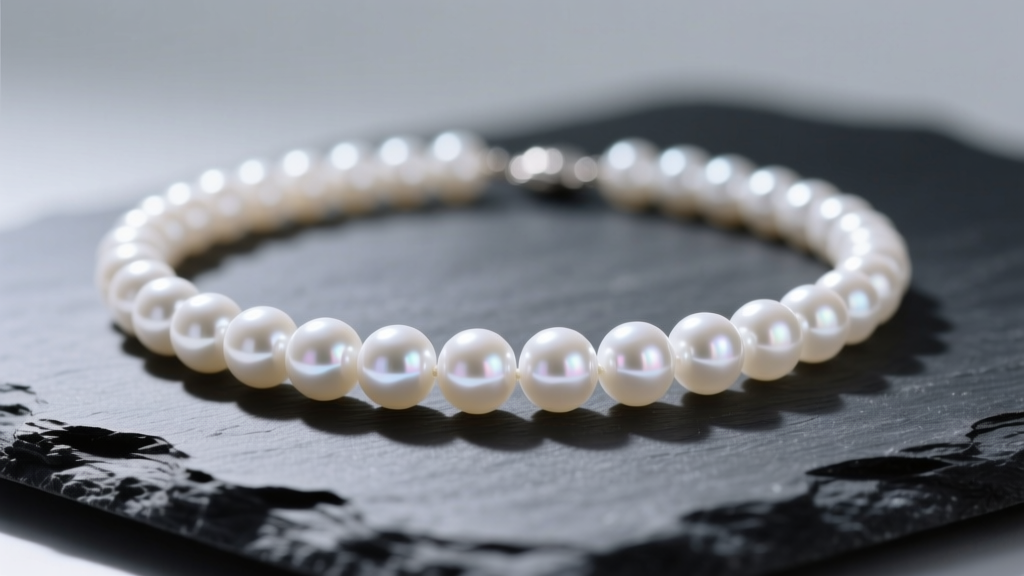
Beyond the Myth: What is the True Meaning of Pearl Necklace Jewelry?
For millennia, humanity has been captivated by the soft, ethereal glow of pearls. When historians and gemologists discuss the meaning of pearl necklace traditions, they often point to ancient associations with purity, wisdom, and lunar energy. In ancient Rome, pearls were considered the ultimate symbol of wealth and status, while in Vedic texts, they were described as the tears of gods. However, as we navigate the jewelry market in 2026, understanding a pearl requires looking past the mythology and into the remarkable material science that creates its signature luster.
Unlike faceted gemstones mined from the earth, pearls are biogenic gemstones—created by living organisms as a defense mechanism against irritants. The true meaning of a pearl necklace is inextricably linked to its organic origins. To appreciate the value, durability, and aesthetic nuances of these gems, we must deconstruct their physical anatomy, compare the primary species used in modern culturing, and understand the rigorous grading systems that dictate their market price.
The Anatomy of a Pearl: Nacre, Luster, and Light
The magic of a pearl lies in nacre, also known as mother-of-pearl. According to the Gemological Institute of America (GIA), nacre is a complex composite material consisting of roughly 95% microscopic hexagonal platelets of aragonite (a crystalline form of calcium carbonate) and 5% conchiolin (an organic, silk-like protein that acts as a glue).
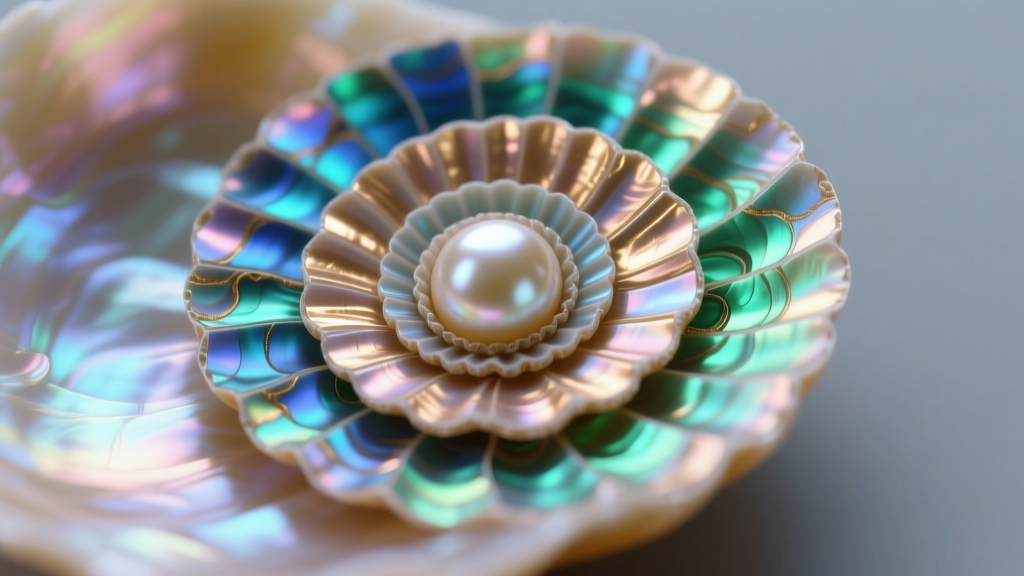
This alternating brick-and-mortar structure is what gives pearls their unique optical properties. When light enters the pearl, it refracts and diffracts through the thousands of aragonite layers. This creates two distinct visual phenomena:
- Luster: The sharp, mirror-like reflection of light from the surface and just below it. High-quality nacre acts like a prism, giving the pearl a deep, glowing radiance.
- Orient: The iridescent play of colors (like a soap bubble) that dances across the surface, caused by the diffraction of light hitting the microscopic edges of the aragonite crystals.
"A pearl's value is fundamentally anchored in its nacre thickness. A bead-nucleated pearl with thin nacre will appear chalky and lack the deep optical resonance that defines a premium gem." — Cultured Pearl Association of America
Material Comparison: Decoding the Big Four Pearl Types
The modern pearl market is dominated by four distinct varieties, each produced by a different species of mollusk in specific aquatic environments. Below is a comprehensive comparison of their material properties, market positioning, and symbolic associations in 2026.
| Pearl Type | Mollusk Species | Size Range | Nacre Thickness | 2026 Price Range (Strand) | Core Symbolism |
|---|---|---|---|---|---|
| Akoya | Pinctada fucata martensii | 2mm - 10mm | 0.2mm - 1.0mm | $500 - $10,000+ | Classic elegance, purity |
| Tahitian | Pinctada margaritifera | 8mm - 18mm | 0.8mm - 4.0mm+ | $1,000 - $25,000+ | Mystery, protection, strength |
| South Sea | Pinctada maxima | 9mm - 24mm | 2.0mm - 6.0mm+ | $5,000 - $100,000+ | Opulence, success, rarity |
| Freshwater | Hyriopsis cumingii | 4mm - 15mm | Solid Nacre | $150 - $3,500 | Versatility, modern love |
Akoya Pearls: The Classic Standard
Cultivated primarily in the coastal waters of Japan and China, Akoya pearls are the benchmark for the traditional white pearl necklace. Because the Pinctada fucata oyster is relatively small, the pearls are also small, rarely exceeding 10mm. However, what they lack in size, they make up for in luster. The cooler water temperatures slow the oyster's metabolism, causing it to secrete aragonite platelets with exceptional uniformity and tight crystalline structure. This results in the sharpest, most mirror-like luster of any pearl type.
Tahitian Pearls: The Dark Enigma
Often mistakenly called "black pearls," Tahitian pearls are actually renowned for their complex, dark body colors with vibrant overtones. The Pinctada margaritifera oyster naturally produces dark conchiolin, leading to body colors ranging from charcoal and eggplant to deep forest green.
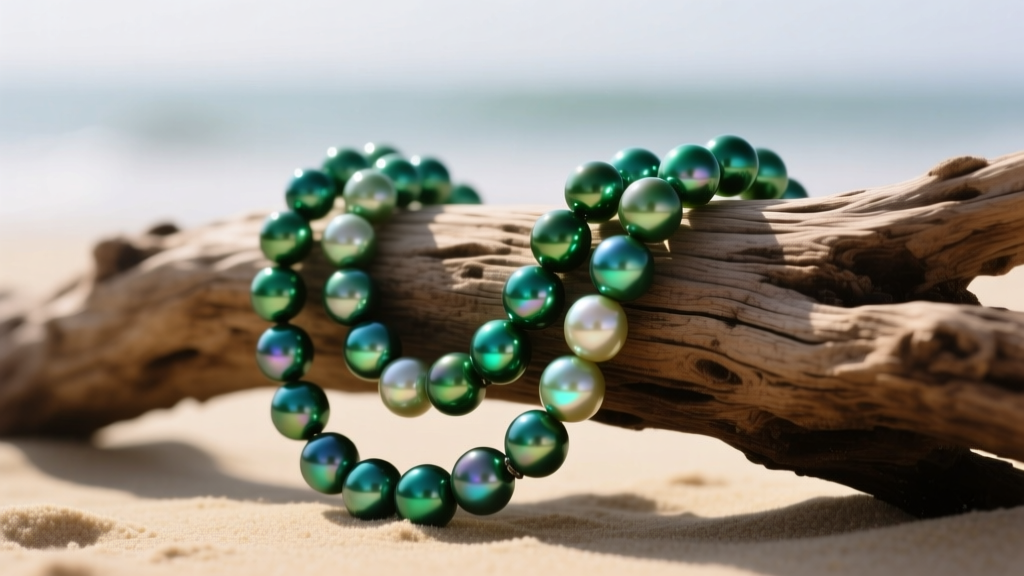
The most prized color combination is "peacock," which features a dark green-gray body with striking overtones of aubergine and teal. From a material standpoint, Tahitian pearls boast a thick nacre layer, mandated by French Polynesian law to be at least 0.8mm thick before export, ensuring long-term durability and a deep, satiny luster that differs vastly from the glassy shine of an Akoya.
South Sea Pearls: The Gilded Giants
Produced by the massive Pinctada maxima oyster in the warm waters of Australia, Indonesia, and the Philippines, South Sea pearls are the heavyweights of the gem world. They possess the thickest nacre of all saltwater varieties, giving them a luxurious, satiny luster that feels almost velvety to the eye. White South Sea pearls with silver or rose overtones, and Golden South Sea pearls with deep 24k-like hues, command the highest prices per carat in the market due to the extreme difficulty of culturing them and the long 2-to-3-year gestation period required.
Freshwater Pearls: The Modern Marvel
Unlike saltwater pearls, which are typically bead-nucleated (implanted with a round shell bead), modern Freshwater pearls from China are usually tissue-nucleated. This means the resulting pearl is composed of 100% solid nacre from the inside out. While older freshwater pearls were known for their rice-grain shapes, advanced culturing techniques in 2026 have produced perfectly round, high-luster "Edison" pearls that rival saltwater varieties at a fraction of the cost. They are incredibly durable due to the lack of a central bead, making them highly resistant to chipping.
Grading the Gem: How to Evaluate Pearl Quality
Unlike diamonds, which are graded by the strict 4Cs, pearls do not have a single, universally standardized grading system. However, the GIA Pearl Description System is the most trusted framework used by top-tier jewelers. When evaluating the meaning of pearl necklace investments, focus on these five material properties:
- Luster: The most critical value factor. Look for sharp, distinct reflections on the surface. If your reflection looks blurry or chalky, the nacre quality is poor.
- Surface Quality: Pearls are organic and rarely perfect. Minor blemishes, bumps, or ridges are expected, but they should not compromise the structural integrity of the nacre.
- Shape: Perfectly spherical pearls are the rarest and most valuable. However, symmetrical shapes (like drops or ovals) and unique baroque shapes are highly valued by avant-garde designers.
- Color: Composed of body color, overtone, and orient. Rarity dictates price; for instance, a natural golden South Sea pearl commands a massive premium over a dyed alternative.
- Nacre Thickness: Visible through the drill hole or via X-ray. Thin nacre will eventually peel or wear away, rendering the necklace worthless.
Care and Preservation: Protecting the Organic Material
Understanding the material properties of a pearl also means understanding its vulnerabilities. On the Mohs scale of mineral hardness, pearls rank between 2.5 and 3.0. For context, a copper penny is about a 3.5. This makes pearls exceptionally soft and prone to scratching if stored loosely in a jewelry box alongside diamonds or sapphires.
Furthermore, because nacre contains organic conchiolin and calcium carbonate, pearls are highly susceptible to chemical degradation. Everyday substances like perfume, hairspray, cosmetics, and even natural body acids can etch the surface, dulling the luster over time. The golden rule of pearl care is "Last on, first off." Always put your pearl necklace on after applying cosmetics and perfumes, and wipe it down with a soft, damp microfiber cloth before storing it in a soft pouch to maintain its hydration and structural integrity.
Final Thoughts on Choosing Your Pearl
The meaning of pearl necklace gifts extends far beyond their historical symbolism. Today, wearing a pearl is a celebration of biological artistry and material science. Whether you choose the razor-sharp luster of a Japanese Akoya, the moody iridescence of a Tahitian, or the solid-nacre durability of a modern Freshwater strand, you are investing in one of nature's most complex optical materials. By prioritizing nacre thickness, luster quality, and proper organic care, your pearl necklace will retain its legendary glow for generations to come.


