How to Decode the Meaning of Sideways Cross Necklace and Style It
Learn the true meaning of sideways cross necklace styles. Follow our step-by-step guide to choose materials, gauge sizes, and layering techniques.

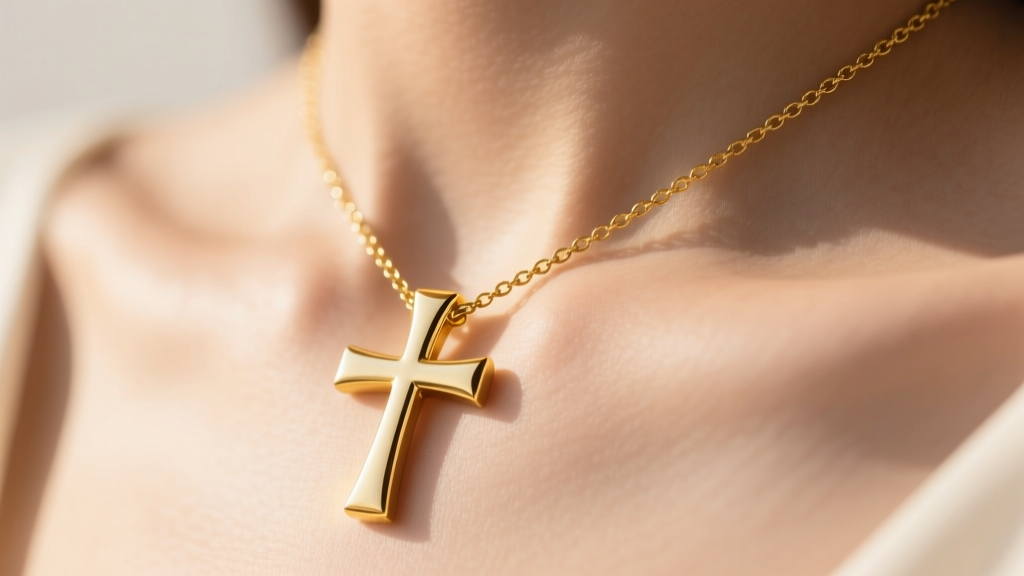
The sideways cross has evolved from a fleeting pop-culture moment into a permanent staple in fine jewelry. While it first gained mainstream traction in the early 2000s, its staying power through 2026 is a testament to its unique blend of spiritual symbolism and minimalist aesthetics. However, buying one requires more than just picking a pretty design. Understanding the meaning of sideways cross necklace pieces is crucial for selecting a pendant that aligns with your personal beliefs, lifestyle, and wardrobe.
This comprehensive, step-by-step guide will walk you through decoding the symbolism, selecting the right metallurgical grade, determining the perfect chain gauge, and mastering the art of the layered stack.
Step 1: Decode the Meaning of Sideways Cross Necklace Styles
Before investing in fine jewelry, it is essential to understand what the piece represents. The traditional vertical cross symbolizes the bridge between heaven and earth, with the vertical beam reaching toward the divine and the horizontal beam representing the earthly realm. When rotated 90 degrees, the meaning of sideways cross necklace designs shifts into a more grounded, modern interpretation.
The Symbolism of the Horizontal Orientation
- The Earthly Journey: Many wearers interpret the horizontal cross as a representation of the human journey across earth. It signifies walking a grounded path, focusing on humility, and living out one's faith or moral compass in everyday life rather than solely focusing on the afterlife.
- Laying Down the Burden: In some theological circles, a sideways or fallen cross represents the concept of laying down one's burdens, echoing the sentiment of resting in grace and leaving heavy spiritual weights behind.
- Secular Minimalism: From a purely aesthetic standpoint, the horizontal alignment offers a sleek, linear profile that sits flush against the collarbone. It transforms a heavy historical symbol into an airy, contemporary motif that appeals to minimalist fashion enthusiasts.
Understanding these nuances allows you to choose a piece that resonates with your personal narrative, whether you are wearing it as a profound statement of faith or a nod to architectural minimalism.
Step 2: Choose the Right Material and Gauge
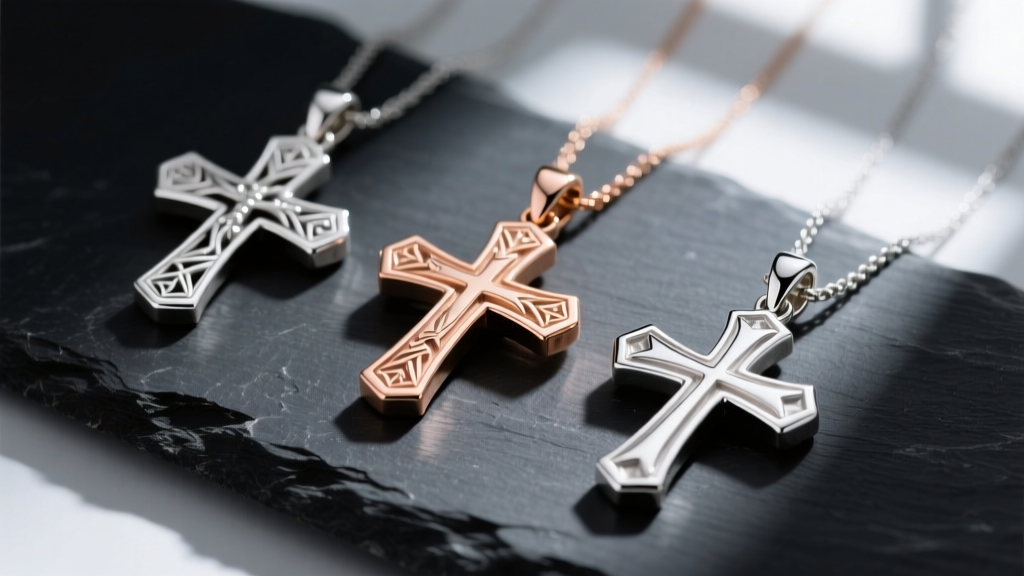
Once you have connected with the meaning of sideways cross necklace pendants, the next step is selecting a material that withstands your daily environment. A necklace worn close to the skin is exposed to sebum, perfumes, and friction. Here is a breakdown of the most reliable metals for everyday wear.
| Metal Grade | Durability & Tarnish Resistance | Average Price Range (2026) | Best For |
|---|---|---|---|
| 925 Sterling Silver (Rhodium Plated) | Moderate; requires polishing. Rhodium delays tarnish. | $45 - $120 | Budget-conscious buyers, occasional wear. |
| 14k Solid Yellow/Rose Gold | High; excellent tarnish resistance. 58.5% pure gold. | $180 - $450 | Daily wearers, warm skin tones. |
| 14k Palladium White Gold | Very High; does not require rhodium re-plating. | $250 - $550 | Those with nickel allergies wanting a silver look. |
| 950 Platinum | Exceptional; hypoallergenic, develops a soft patina. | $600 - $1,200+ | Heirloom pieces, highly sensitive skin. |
| ASTM F136 Titanium | Extreme; fully biocompatible, lightweight. | $30 - $90 | Active lifestyles, severe metal allergies. |
Pro-Tip on White Gold: Standard 14k white gold is alloyed with nickel, which causes contact dermatitis in roughly 10-15% of the population. If you prefer a white metal but have sensitive skin, opt for 14k palladium white gold or platinum. According to the Gemological Institute of America (GIA), palladium alloys eliminate the need for harsh rhodium plating while maintaining a naturally white luster.
Step 3: Select the Perfect Chain Length and Proportion
The meaning of sideways cross necklace designs can be visually diluted if the proportions are incorrect. A heavy, 25mm wide cross on a fragile 0.5mm chain looks unbalanced and risks structural failure. Conversely, a dainty 8mm cross on a thick 3mm rope chain gets lost.
The Proportion Framework
To achieve visual harmony, follow these gauge-to-pendant ratios:
- Delicate (8mm - 12mm cross): Pair with a 0.8mm to 1.0mm cable or box chain. This is the classic 'barely-there' look that sits beautifully on the collarbone.
- Medium (13mm - 18mm cross): Pair with a 1.2mm to 1.5mm rolo or paperclip chain. This provides enough structural integrity to support the pendant's weight without snapping.
- Statement (19mm+ cross): Pair with a 2.0mm+ curb or Figaro chain. This leans into a bolder, streetwear-inspired aesthetic.
Choosing the Right Length
For a sideways cross, the 18-inch length is the industry gold standard. It allows the horizontal pendant to rest precisely in the hollow of the collarbone, ensuring the cross remains visible above most standard crewnecks and V-necks. If you prefer a choker effect, opt for a 16-inch chain with a 2-inch extender to accommodate fluctuations in neck swelling throughout the day.
Step 4: How to Style and Layer Your Sideways Cross
Layering is where the sideways cross truly shines. Its linear geometry acts as an anchor piece in a multi-chain stack. To avoid a tangled, chaotic look, follow the 'Rule of Three' and the 'Two-Inch Gap' methodology.
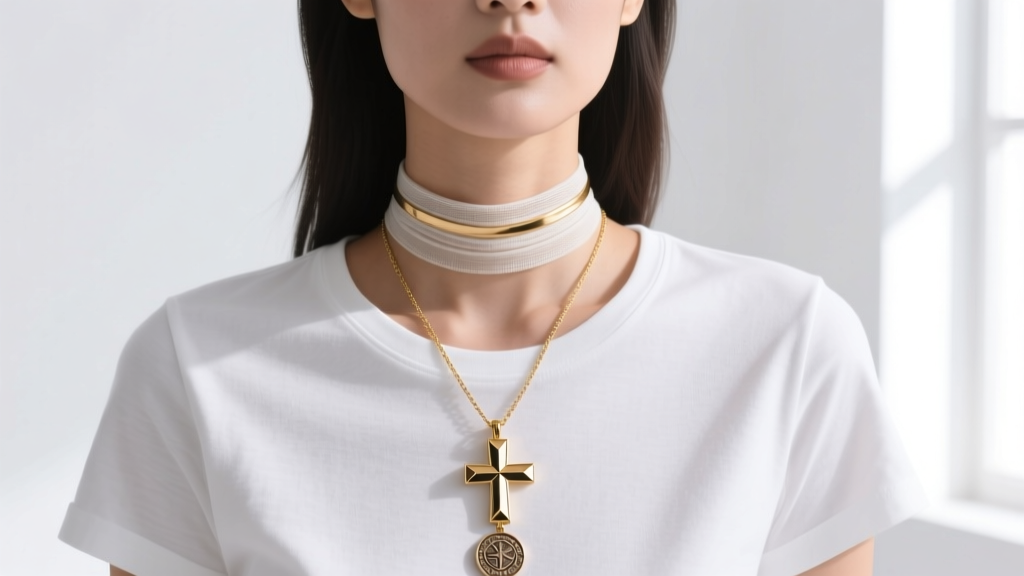
Step-by-Step Layering Guide
- The Anchor (16 inches): Start with a simple, unadorned chain or a tiny bezel-set diamond solitaire. This draws the eye upward and frames the face.
- The Focal Point (18 inches): This is where your sideways cross lives. The 2-inch gap between the first and second chain prevents the clasps and pendants from intertwining and scratching each other.
- The Ballast (20 to 22 inches): Finish with a heavier, vertical element to contrast the horizontal cross. A vertical bar pendant, a pear-shaped locket, or a classic round medal works perfectly. The vertical drop creates a slimming V-shape illusion on the torso.
Neckline Pairing: The sideways cross is notoriously difficult to wear with high turtlenecks, as the horizontal line gets swallowed by the fabric. It performs best with scoop necks, off-the-shoulder sweaters, and unbuttoned silk blouses where the linear pendant can echo the horizontal line of the exposed collarbone.
Step 5: Care and Maintenance for Longevity
Because the sideways cross sits flat against the skin, it accumulates dead skin cells, lotions, and environmental dust on its underside, which can dull the metal's reflective properties over time. Proper maintenance ensures your piece retains its brilliance and structural integrity.
Weekly Cleaning Protocol
Avoid harsh chemical dips, especially if your cross features micro-pave diamonds or porous gemstones like opals or turquoise. Instead, use the gentle method recommended by Jewelers of America:
- Mix a few drops of mild, phosphate-free dish soap into a bowl of lukewarm distilled water.
- Submerge the necklace for 3 to 5 minutes to loosen sebum and lotion buildup.
- Use an extra-soft baby toothbrush to gently sweep the underside of the cross and the links of the chain.
- Rinse thoroughly under lukewarm running water, ensuring the drain is securely plugged.
- Pat dry with a lint-free microfiber cloth. Never air-dry, as water spots will form on high-polish metals.
Storage Best Practices
Never toss your necklace into a communal jewelry box. The horizontal prongs or edges of the cross can easily scratch softer gemstones or become tangled in other chains. Store your sideways cross in an individual anti-tarnish flannel pouch, and always fasten the lobster clasp through the end ring before storing to prevent the chain from knotting.
Final Thoughts
Decoding the meaning of sideways cross necklace styles reveals a piece of jewelry that is as deeply personal as it is aesthetically versatile. By carefully selecting the right metal grade, respecting the rules of proportion, and mastering the layered stack, you can transform this modern classic into a signature element of your daily wardrobe. Whether it symbolizes your grounded faith or your appreciation for clean, architectural lines, a well-chosen sideways cross will remain a timeless anchor in your jewelry collection for decades to come.


