The Meaning of Padlock Necklace Jewelry: Buyer's Guide
Discover the meaning of padlock necklace jewelry and learn how to choose the right metal, locking mechanism, and chain for your symbolic gift.

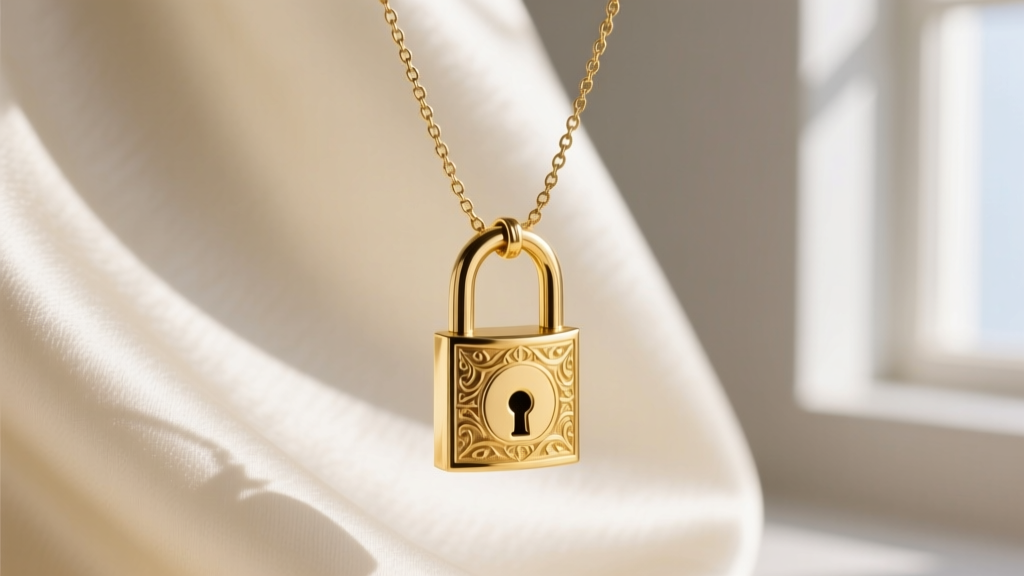
The Historical and Modern Meaning of Padlock Necklace Jewelry
When exploring the meaning of padlock necklace jewelry, buyers are often drawn to the profound symbolism this unique accessory carries. Historically, the padlock has been a universal emblem of security, secrecy, and unbreakable bonds. The modern romanticization of the padlock pendant traces back to the early 2000s 'love lock' phenomenon, where couples would affix padlocks to bridges like the Pont des Arts in Paris and throw away the key to symbolize eternal commitment. Today, the meaning of a padlock necklace has evolved beyond just romantic love. It is frequently exchanged as a symbol of deep friendship, personal empowerment, or a 'locked-in' promise to oneself regarding personal growth and resilience.
From a buyer's perspective, understanding this emotional weight is crucial. You are not just purchasing a piece of metal; you are acquiring a tangible representation of a bond. Therefore, the structural integrity, material quality, and mechanical reliability of the necklace must reflect the permanence of the meaning it holds. A flimsy, hollow-cast lock that breaks after a month of wear contradicts the very symbolism of enduring commitment.
Choosing the Right Metal for Your Padlock Pendant
The longevity of a padlock necklace depends heavily on its metallurgical composition. Because the pendant features moving parts (hinges and locking pins), softer metals can warp, causing the mechanism to jam or fail. According to the Gemological Institute of America (GIA), understanding alloy hardness is critical when selecting everyday jewelry. Below is a comparative breakdown of the most common metals used in high-quality padlock pendants.
| Material | Durability & Hardness | Tarnish Risk | Average Price Range (2026) | Best For |
|---|---|---|---|---|
| 316L Stainless Steel | High (Excellent for moving parts) | None (Highly corrosion-resistant) | $40 - $90 | Everyday wear, budget-conscious buyers, men's styles |
| 925 Sterling Silver | Medium (Can dent, hinges may warp) | High (Requires regular polishing) | $120 - $250 | Occasional wear, vintage aesthetics |
| 14k Solid Gold | Medium-High (Good alloy strength) | Low (Maintains shine well) | $350 - $800 | Lifetime gifts, romantic commitments |
| 18k Solid Gold | Medium (Softer, prone to scratching) | Very Low | $600 - $1,500+ | Luxury gifting, heirloom pieces |
| 950 Platinum | Extremely High (Dense, durable) | None (Develops a patina over time) | $1,200 - $3,000+ | Heirloom investments, diamond-set locks |
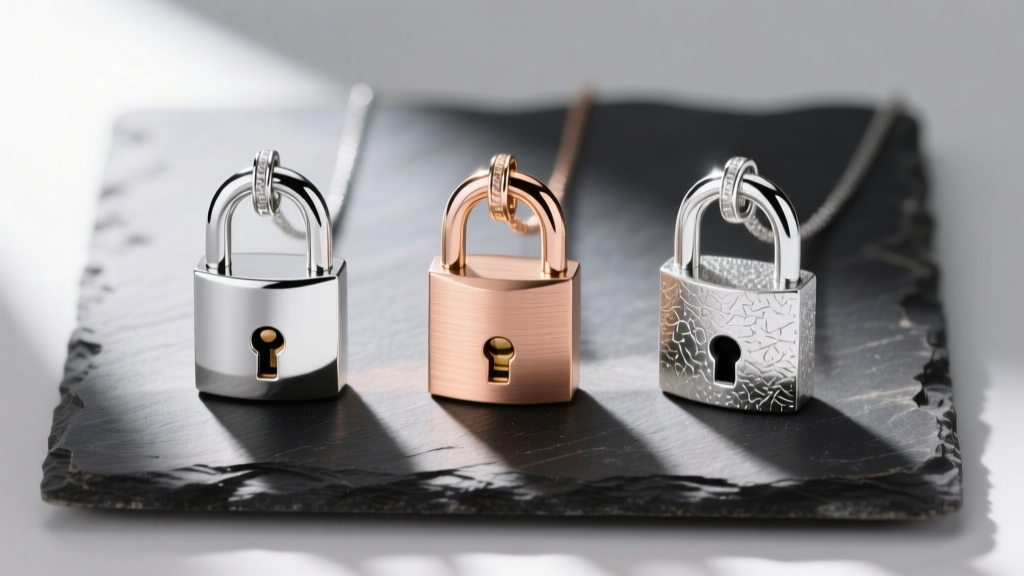
For a functional padlock that will be opened and closed frequently, 14k gold or 316L stainless steel are the superior choices. Pure 24k gold or high-karat 22k gold is far too soft; the internal pins of the locking mechanism will quickly degrade, rendering the lock permanently stuck or permanently open.
Decoding the Locking Mechanisms: What to Look For
The most common failure point in any padlock necklace is the mechanical closure. When evaluating a piece, inspect the hinge and the locking pin. There are three primary mechanisms used in fine jewelry padlocks:
- Spring-Loaded Push Pins: Common in modern luxury designs (akin to the iconic Tiffany & Co. lock). A small internal spring catches the pin when pushed in. Buying Tip: Ensure the pin has a slight 'give' and clicks audibly. If it feels gritty, the internal tolerances are poorly machined.
- Screw-Thread Locks: A vintage-inspired design where the shackle screws into the body of the lock. Buying Tip: Look for deeply milled threads. Cross-threading is a major risk with cheap cast versions, which can permanently fuse the lock shut.
- Magnetic Closures: Utilizing rare-earth neodymium magnets hidden inside the gold or silver casing. Buying Tip: While seamless in appearance, magnets can lose strength over time if exposed to high heat or strong electronic fields, making them less ideal for a piece meant to symbolize 'permanent' security.
Expert Insight: Never use oil-based lubricants like WD-40 on a precious metal padlock necklace. Oil traps microscopic skin cells, dust, and lint, eventually creating a sludge that will permanently jam the spring mechanism. If a lock becomes sticky, clean it with a soft-bristled toothbrush and 90% isopropyl alcohol, then let it air dry completely.
Chain Selection: Matching Strength to Symbolism
A heavy solid gold padlock pendant requires a chain that can support its weight without stretching or snapping. The meaning of a padlock necklace is quickly undermined if the chain breaks and the symbolic lock is lost. The Jewelers of America recommends matching the chain's tensile strength to the weight of the pendant.
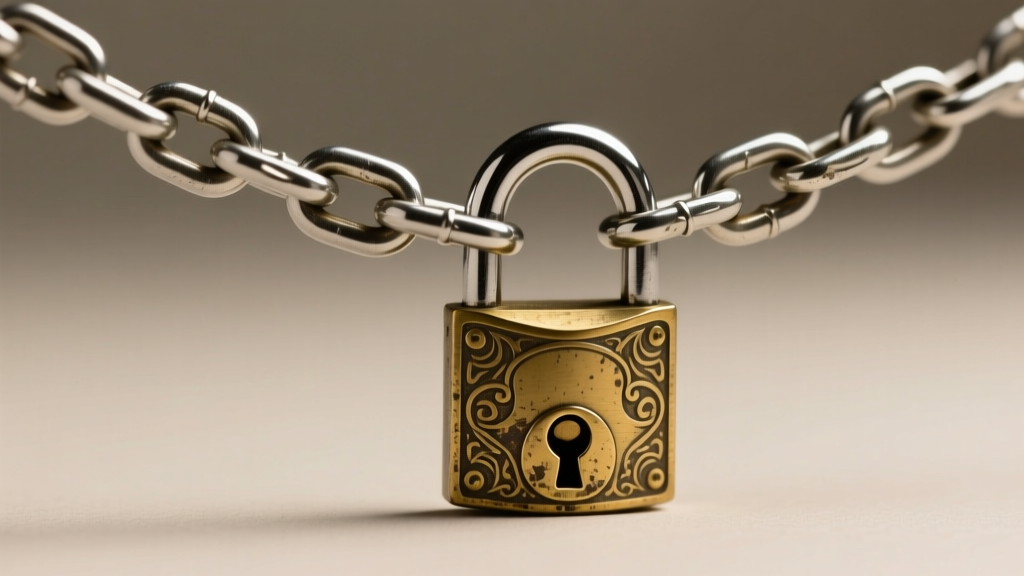
Recommended Chain Types and Gauges
- Box Chains (Minimum 1.5mm - 2.0mm): The interlocking square links provide excellent structural integrity and a smooth surface that won't pull chest hair or snag on knitwear. A 1.5mm 14k gold box chain can comfortably support a 15-gram padlock pendant.
- Curb Chains (Minimum 2.5mm - 3.0mm): Ideal for heavier, oversized, or men's padlock styles. The flattened, interlocking links lay flat against the collarbone and offer superior tensile strength.
- Figaro Chains (Minimum 2.0mm): Offers a classic, vintage aesthetic that pairs beautifully with oxidized silver or brass-toned padlocks. Ensure the soldered jump rings are thick, as the alternating long links can create stress points.
Critical Sizing Note: Pay attention to the shackle (the U-shaped loop at the top of the lock). If the chain is meant to thread through the shackle rather than attaching via a jump ring, the chain's end clasp (usually a lobster clasp) must be narrow enough to pass through the interior diameter of the shackle. Always measure the shackle's inner width before purchasing a pre-assembled set.
Sizing, Proportions, and Styling for Everyday Wear
The visual impact of a padlock necklace relies heavily on proportion. A common mistake buyers make is selecting a pendant that is too large for the wearer's frame, turning a meaningful symbol into an overwhelming statement piece.
- Petite Frames / Minimalist Style: Opt for a lock measuring 10mm to 14mm in height. Pair with a 16-inch or 18-inch cable or box chain (1.0mm - 1.2mm gauge). This sits delicately on the collarbone and is perfect for layering with other symbolic pendants.
- Average Frames / Classic Style: A lock measuring 15mm to 22mm is the industry standard for a reason. It provides enough surface area for engraving (such as initials or significant dates) without feeling heavy. An 18-inch or 20-inch chain works best.
- Statement / Streetwear Style: For oversized locks (25mm+), often featuring diamond pavé or mixed-metal inlays, use a 22-inch to 24-inch curb or rope chain (3.0mm+). This allows the heavy pendant to rest on the upper chest, distributing the weight comfortably.
Price Expectations and Authenticity Checks
When investing in a piece that carries deep emotional meaning, avoiding counterfeit or misrepresented metals is paramount. In the current market, be wary of terms like 'gold plated' or 'gold vermeil' if you are seeking a lifetime piece. Plating on a padlock necklace will quickly wear off around the high-friction areas of the hinge and the locking pin, revealing the base metal beneath and potentially causing allergic reactions or mechanism failure.
Always look for the hallmark stamp. Sterling silver should be stamped '925'. Gold should be stamped '14k', '18k', or '585'/'750'. Platinum will bear a '950 Pt' mark. If you are purchasing a luxury brand padlock, request the original certificate of authenticity and ensure the serial number engraved on the underside of the lock matches the brand's database.
Care and Maintenance for Long-Lasting Shine
To ensure your padlock necklace remains a lasting testament to its meaning, implement a simple maintenance routine. Remove the necklace before swimming in chlorinated pools or the ocean, as harsh chemicals can degrade the internal springs of the lock, especially in lower-karat gold alloys. Store the piece in a soft microfiber pouch to prevent the harder metal of the lock from scratching other jewelry. By treating the physical object with care, you honor the profound meaning of the padlock necklace and the unbreakable bond it represents.


