Memorial Necklace for Mom: Troubleshooting Wear & Care
Discover how to troubleshoot common issues with a memorial necklace for mom, from fixing tarnished metals to securing cremation ash compartments safely.

The Hidden Vulnerabilities of Memorial Jewelry
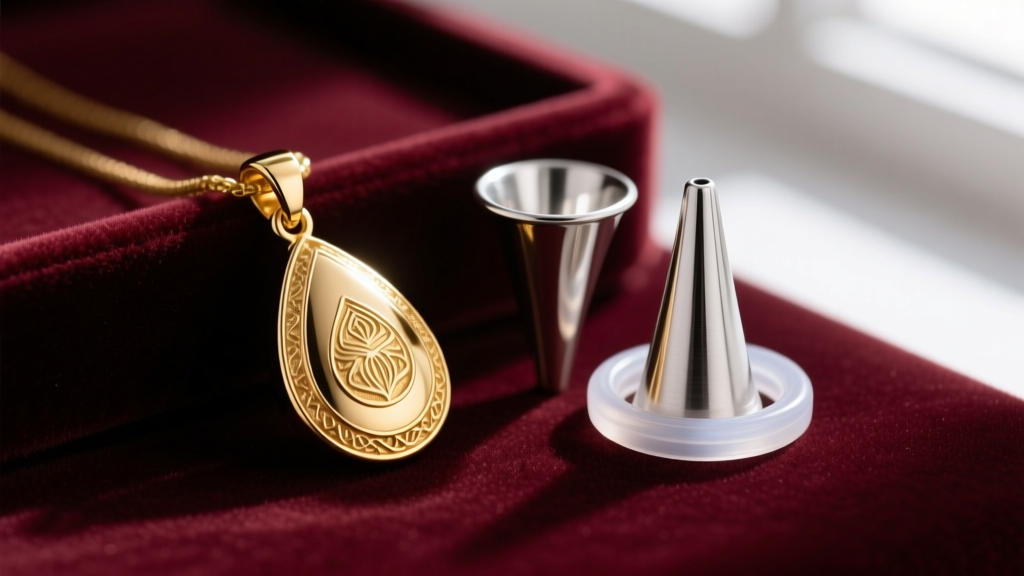
Losing a mother is a profound emotional experience, and a memorial necklace for mom serves as a vital physical tether to her memory. However, the jewelry industry often treats memorial pieces as novelty items, resulting in hardware failures that can lead to the devastating loss of irreplaceable cremation ashes, hair, or soil. Troubleshooting these vulnerabilities requires a shift from sentimental shopping to structural engineering. This guide addresses the specific mechanical and chemical failure points of memorial pendants and provides actionable, expert-level solutions to ensure your keepsake survives a lifetime of daily wear.
Why Standard Chains Fail Irreplaceable Pendants
The most catastrophic failure point in any memorial necklace for mom is the chain. Many manufacturers pair heavy, solid brass or steel urn pendants (which can weigh between 12 to 20 grams) with flimsy 0.8mm cable chains. Under the dynamic load of daily movement, the tensile strength of a standard 0.8mm chain is easily exceeded, leading to sudden snapping.
Furthermore, the jump ring connecting the pendant to the chain is rarely soldered shut by default. Over time, friction wears down the metal at the seam of the jump ring, causing it to pull apart and drop the pendant. To troubleshoot this immediately:
- Upgrade the Chain Gauge: Replace thin cable chains with a 1.5mm wheat chain or a 2.0mm rope chain. These weaves distribute tension across multiple interlocking links rather than a single weak point.
- Solder the Jump Ring: Take the necklace to a local bench jeweler and request that the jump ring holding the pendant be laser-soldered shut. This eliminates the mechanical gap where failures originate.
- Clasp Mechanics: Discard spring-ring clasps, which suffer from internal spring fatigue. Upgrade to a 10mm or 12mm lobster clasp with a reinforced lever.
Troubleshooting Cremation & Keepsake Compartments
If your memorial necklace for mom features an interior chamber for ashes or soil, the sealing mechanism is critical. The market is flooded with 'friction-fit' stoppers—small metal plugs that push into the pendant hole. These are inherently flawed. Changes in body temperature and ambient humidity cause the metal to expand and contract, eventually loosening the friction seal and spilling the contents.
| Seal Mechanism | Waterproof Rating | Failure Risk | Recommended Fix |
|---|---|---|---|
| Friction-Fit Plug | None | High (Months) | Replace pendant or secure with jeweler's epoxy (permanent) |
| Standard Threaded Cap | Low | Medium (Years) | Wrap threads with PTFE tape before closing |
| Threaded Cap + O-Ring | High | Low (Decades) | Replace silicone O-ring every 5 years |
Step-by-Step: Securing a Threaded Ash Pendant
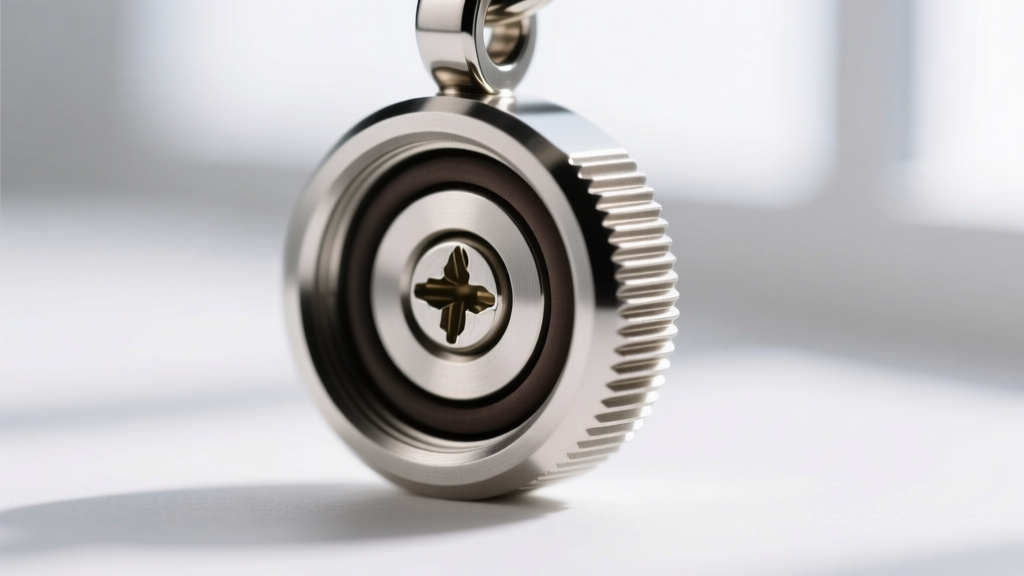
If your pendant utilizes a threaded cap (typically an M2.5 or M3 metric screw pitch), you must create a custom gasket to ensure a watertight and airtight seal. Follow this bench-jeweler protocol:
- Degrease: Clean the male and female threads with 99% isopropyl alcohol to remove skin oils and manufacturing residue.
- PTFE Wrap: Cut a 2mm wide strip of plumber's PTFE (Teflon) tape. Wrap it clockwise around the male threads exactly one and a half times. The PTFE acts as a compressible filler that locks the threads together.
- Wax Seal: Apply a microscopic dab of microcrystalline jeweler's wax over the top of the threads before screwing the cap down. This prevents moisture ingress and stops the cap from vibrating loose.
Metal Allergies & Tarnishing: Material Diagnostics
A memorial necklace for mom is often worn 24/7, meaning it is constantly exposed to sweat, sebum, and environmental sulfur. If the metal turns your skin green or the pendant itself turns black, you are dealing with a material mismatch.
According to the Gemological Institute of America (GIA), standard 925 sterling silver contains 7.5% copper, which is highly reactive to sulfur and moisture, leading to rapid tarnishing. If your memorial piece is sterling silver and houses cremation ashes, the tarnish compounds can actually seep into the chamber and stain the ashes gray or black.
The Material Upgrade Framework
To solve chronic tarnishing and contact dermatitis, evaluate your pendant against these superior metallurgical standards:
- Argentium Silver (93.5% or 96%): Unlike standard sterling, Argentium replaces some of the copper with germanium. This creates a transparent germanium oxide layer on the surface that makes the metal virtually tarnish-proof and highly hypoallergenic.
- 316L Surgical Stainless Steel: Many budget memorial necklaces use 304 stainless steel. You must verify the piece is 316L. The 'L' stands for low carbon, and the alloy includes 2-3% molybdenum, which specifically prevents pitting and corrosion from the chlorides found in human sweat.
- Solid 14k or 18k Gold: Avoid gold-plated brass or copper cores. Once the microscopic plating wears off from friction against the collarbone, the base metal will oxidize rapidly. Solid gold remains structurally inert.
The Federal Trade Commission (FTC) Jewelry Guides mandate strict hallmarking for precious metals. Always look for the '316L', '925', or '14K' stamp inside the cap or on the pendant bail to verify the metallurgical claims of the manufacturer.
Restoring Faded Fingerprint and Handwriting Engravings
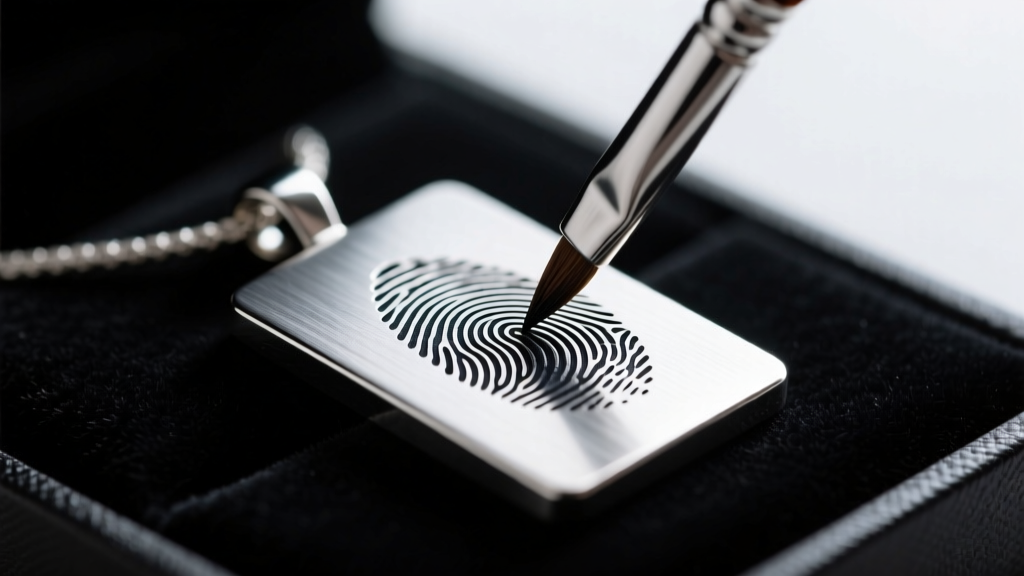
Many memorial necklaces feature laser-engraved fingerprints or scanned handwriting. A common troubleshooting complaint is that the engraving 'disappears' or fades into the background metal after a year of wear. The engraving hasn't actually worn away; the dark contrast compound (usually an oxidized patina or enamel) has been polished out by clothing friction and skin oils.
How to Restore Engraving Contrast at Home
You can restore the deep black contrast of a laser-engraved memorial necklace for mom using a simple chemical oxidation process:
- Preparation: Clean the pendant thoroughly with dish soap and a soft toothbrush to remove all lotions and oils from the engraved grooves.
- Application: For silver or copper-based alloys, apply a drop of Liver of Sulfur (potassium sulfide) gel mixed with warm water using a fine-tipped brush directly into the grooves. For stainless steel or titanium, use a cold enamel rub-and-buff compound.
- Wiping: Allow the chemical to react for 60 seconds until the grooves turn pitch black. Immediately wipe the flat surface of the pendant with a damp microfiber cloth, leaving the dark compound only inside the recessed laser cuts.
- Sealing: Apply a thin coat of clear jeweler's wax or Renaissance Wax over the engraving to lock the contrast in place and prevent future friction wear.
Preventative Maintenance Framework
Treating a memorial necklace for mom as a precision instrument rather than standard fashion jewelry ensures its longevity. Implement this bi-annual maintenance routine:
Expert Insight: Never use ultrasonic jewelry cleaners on cremation pendants. The high-frequency acoustic cavitation can fracture the internal glass or resin seals, and the cleaning solvents will permanently ruin the organic integrity of hair or soil keepsakes. Always clean the exterior with a dry, lint-free polishing cloth.
By addressing chain tensile strength, upgrading to threaded O-ring seals, selecting non-reactive alloys like 316L or Argentium, and properly maintaining laser engravings, you ensure that your physical connection to your mother remains secure, legible, and beautiful for decades to come.


