Best Metals for a Guardian Angel Pendant Necklace: A Material Guide
Discover the best metals for your guardian angel pendant necklace. We compare sterling silver, gold, platinum, and steel for durability and skin safety.

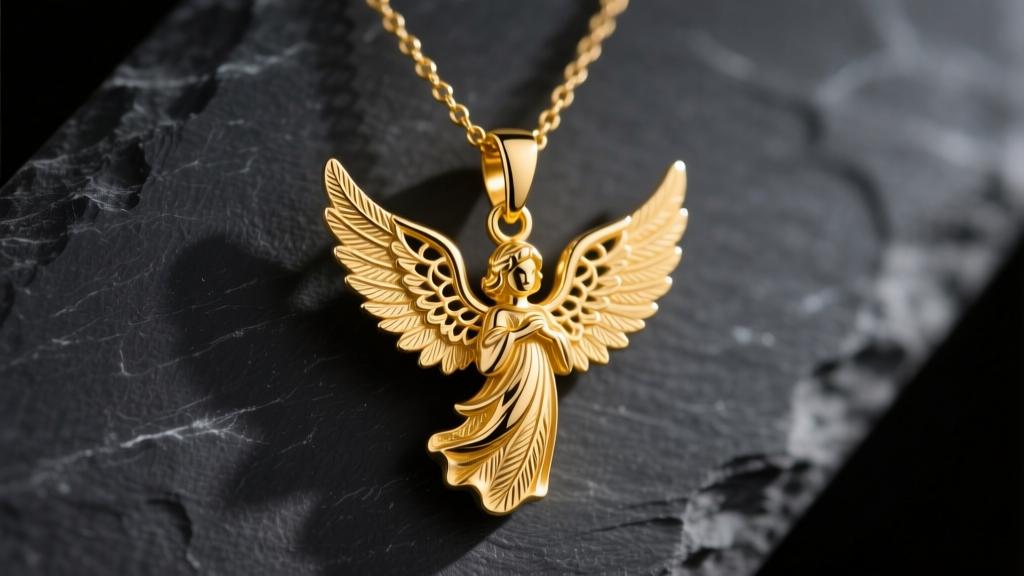
A guardian angel pendant necklace is more than just an accessory; it is a deeply personal talisman often worn 24/7 for comfort, faith, and protection. Because these pieces endure constant contact with skin, sweat, and environmental elements, the metallurgical properties of the pendant and its chain dictate its lifespan. In 2026, jewelry buyers are increasingly prioritizing material longevity and hypoallergenic guarantees over sheer aesthetics. Choosing the wrong alloy can result in tarnished wings, broken prongs, or severe contact dermatitis. This comprehensive guide breaks down the exact material properties, hardness scales, and maintenance requirements of the most common metals used for guardian angel pendants.
The Core Metals: Hardness, Tarnish, and Wearability
When evaluating a guardian angel pendant necklace, you must look beyond the surface polish and examine the alloy composition. The intricate detailing of angel wings and the structural integrity of the bail (the loop connecting the pendant to the chain) require specific metallurgical traits.
925 Sterling Silver
Sterling silver is an alloy consisting of 92.5% pure silver and 7.5% copper. The copper adds necessary tensile strength, as pure silver is too soft to hold detailed wing engravings or gemstone prongs. However, copper is highly reactive to sulfur and moisture, meaning sterling silver will inevitably tarnish. On the Vickers hardness scale, 925 silver sits around 60-70 HV. To combat tarnish and scratching, premium silver angel pendants are often plated with a 0.75 to 1.0-micron layer of rhodium, a platinum-group metal that provides a brilliant, non-tarnishing shield.
14k vs. 18k Gold
Gold purity drastically alters the pendant's durability. 18k gold (75% pure gold) offers a rich, warm hue but is relatively soft (approx. 120 HV). If your guardian angel pendant features delicate prongs holding a center birthstone, 18k gold prongs may bend or snag on clothing over time. Conversely, 14k gold (58.5% pure gold) is alloyed with metals like zinc and copper, pushing its hardness to roughly 130-140 HV. According to the Gemological Institute of America (GIA), 14k gold provides the optimal balance of rich color and structural resilience for daily-wear pendants with intricate micro-details.
Platinum 950
Platinum is the undisputed king of longevity. An alloy of 95% platinum and 5% ruthenium or iridium, it boasts a density and weight that feels substantial around the neck. Unlike gold, which loses microscopic layers of metal when scratched, platinum merely displaces. This means a platinum guardian angel pendant will never wear thin, even after decades of friction against the skin. Its natural white luster also eliminates the need for rhodium replating.
316L Surgical Stainless Steel
For budget-conscious buyers, 316L stainless steel is a formidable option. The "L" stands for low carbon, and the alloy includes 2-3% molybdenum, which drastically increases resistance to chloride corrosion (i.e., sweat and saltwater). With a Vickers hardness of 150-200 HV, it is highly scratch-resistant. However, its extreme hardness makes it difficult for jewelers to resize, repair, or solder if the bail snaps.
| Metal / Alloy | Vickers Hardness (HV) | Tarnish Resistance | Hypoallergenic | Avg. Price Range (Pendant Only) |
|---|---|---|---|---|
| 925 Sterling Silver (Rhodium Plated) | 60 - 70 | High (until plating wears) | Yes | $40 - $150 |
| 14k Solid Gold (Yellow/White/Rose) | 130 - 140 | Excellent | Mostly (Watch White Gold) | $250 - $800+ |
| Platinum 950 | 110 - 120 (High Density) | Perfect | Yes | $600 - $2,000+ |
| 316L Surgical Steel | 150 - 200 | Excellent | Yes | $20 - $60 |
Skin Sensitivity and the Nickel Threat
A guardian angel pendant rests directly on the sternum, an area prone to sweating and friction. For individuals with metal sensitivities, the alloy composition is a matter of physical health, not just aesthetics. Nickel allergy is one of the most common causes of allergic contact dermatitis. The National Center for Biotechnology Information (NCBI) notes that prolonged exposure to nickel-releasing alloys can cause severe erythema, vesicles, and hyperpigmentation on the chest.
The White Gold Trap: Many buyers assume white gold is inherently hypoallergenic. It is not. To achieve a silver color, pure yellow gold is often alloyed with nickel or palladium. If nickel is used, the pendant is plated with rhodium to mask the yellowish undertone and create a barrier. Once that rhodium layer wears away (usually within 12 to 18 months of daily wear), the nickel is exposed to the skin, triggering a reaction. If you have sensitive skin, demand a nickel-free white gold alloy (palladium-based) or opt for platinum and sterling silver.
Enamel and Gemstone Integration: Material Stability
Guardian angel pendants frequently incorporate color through enamel wings or a central gemstone. The base metal dictates which decorative techniques can be safely applied.
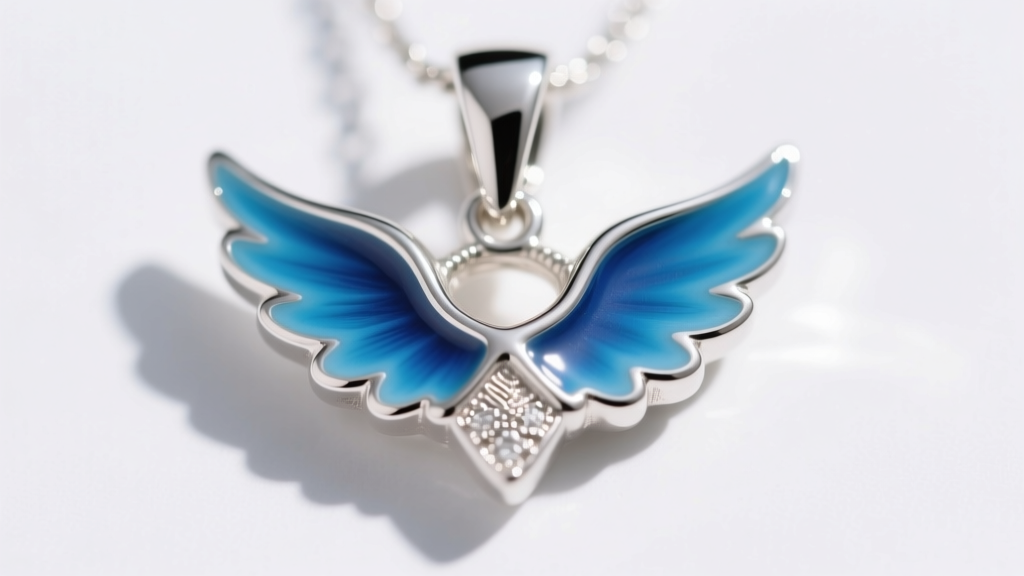
- Vitreous Enamel (Fired Glass): This traditional technique requires firing glass powder at temperatures exceeding 1,400°F (760°C). Only high-melting-point metals like 14k/18k gold, platinum, and fine silver can withstand this process. Vitreous enamel is UV-stable and will never fade, but it can shatter if the pendant is dropped on a hard tile floor.
- Cold Enamel (Epoxy Resin): Often used on stainless steel and lower-karat silver alloys, epoxy resin is painted on and air-dried. While it offers vibrant colors, epoxy degrades under prolonged UV exposure and can peel or yellow after 3 to 5 years of daily wear.
- Gemstone Bezels vs. Prongs: If your angel pendant features a 2mm to 3mm center diamond or cubic zirconia, a bezel setting (where a rim of metal completely encircles the stone's girdle) is vastly superior to prong settings for daily wear. Prongs on soft metals like 18k gold or silver can easily catch on sweaters and bend, leading to stone loss.
Chain Pairing and Galvanic Corrosion
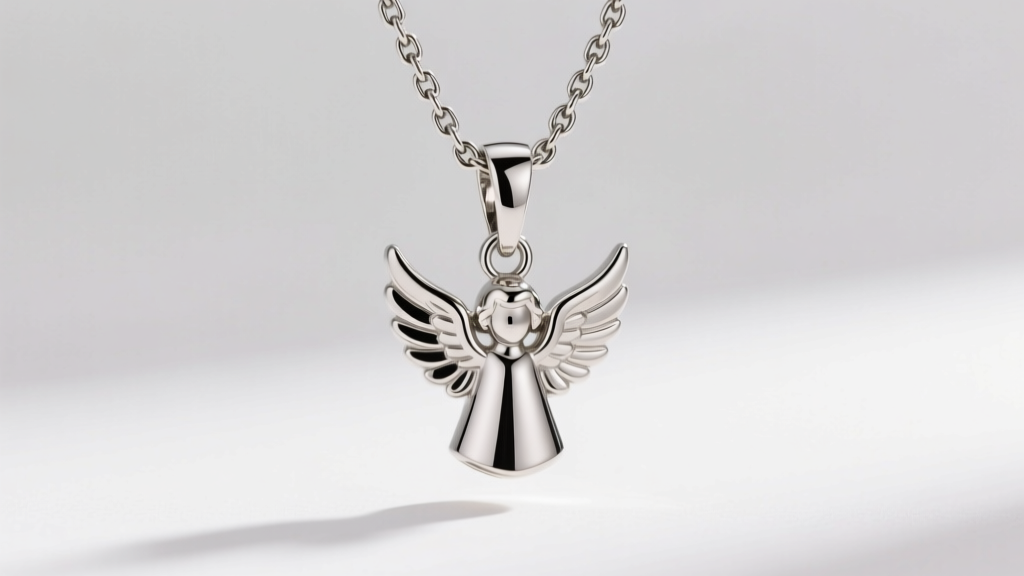
One of the most critical, yet frequently overlooked, aspects of necklace maintenance is the interaction between the pendant's bail and the chain. Never pair dissimilar metals. If you thread a sterling silver guardian angel pendant onto a stainless steel or platinum chain, you risk galvanic corrosion. When two different metals touch in the presence of an electrolyte (like human sweat), a micro-galvanic cell is created. The less noble metal (in this case, the silver) will act as an anode and corrode rapidly, eating away at the bail until the pendant snaps and is lost.
Chain Style and Tensile Strength: Guardian angel pendants, especially those cast in solid gold or platinum, carry significant weight. Avoid delicate cable or rope chains. A box chain or Wheat chain in the 1.2mm to 1.5mm width range offers the highest tensile strength and resists kinking. Ensure the chain's end caps are laser-welded rather than soldered with traditional lead-based pastes, which can melt or weaken over time.
Troubleshooting Common Material Failures
Even the finest metals experience wear. Here is how to identify and address common issues specific to angel pendants:
- Bail Wear-Through: The inside of the bail rubs against the chain constantly. If you notice the bail thinning, take it to a jeweler to have a platinum or hard-gold "bail tube" inserted. This sacrificial tube takes the friction, protecting the pendant body.
- Enamel Chipping: If your vitreous enamel wings chip, do not attempt to fill them with nail polish or epoxy. A master enamelist can re-fire the specific wing section, provided the base metal is gold or platinum.
- Rhodium Depletion on Silver: When your silver angel pendant begins to look dull or develops dark patches in the wing crevices, the rhodium plating has worn off. An ultrasonic cleaning followed by a fresh 1.0-micron rhodium dip will restore it to factory condition.
Final Verdict: Which Material Suits Your Lifestyle?
Selecting the right guardian angel pendant necklace requires matching the metal to your daily habits. If you are a "shower-sleeper" who never takes your jewelry off, Platinum 950 or 14k Solid Yellow Gold are your only viable options for lifelong durability without plating maintenance. If you prefer the bright white look of silver but want to avoid the rhodium replating cycle, Palladium-based White Gold offers a hypoallergenic, tarnish-resistant alternative. For those seeking an affordable, rugged piece for travel or active lifestyles, a 316L Stainless Steel pendant on a matching steel box chain provides unbeatable corrosion resistance. By understanding the metallurgy behind your jewelry, you ensure your guardian angel remains a pristine, protective symbol for decades to come.