Black Stainless Necklace Value: Cost, Durability & Worth
Discover the true value of a black stainless necklace. We analyze 316L vs 304 steel, PVD coating tech, pricing tiers, and long-term durability.

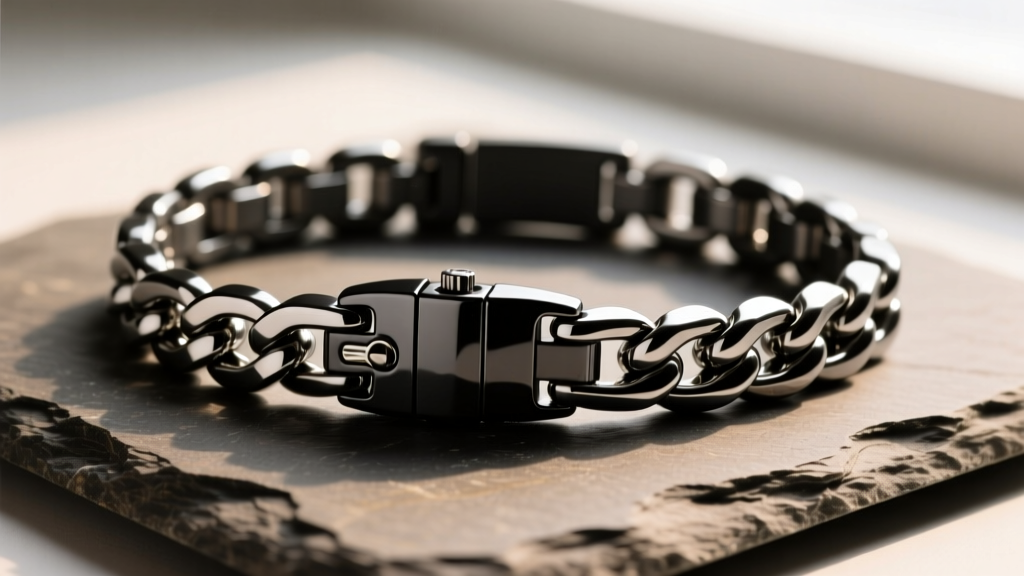
The Modern Appeal of Darkened Steel
The modern jewelry market has seen a massive surge in alternative metals, and the black stainless necklace sits squarely at the intersection of edgy aesthetics and accessible pricing. But when you are browsing options ranging from $15 to $150, how do you separate genuine metallurgical value from cheap, short-lived imitations? As we navigate the 2026 jewelry landscape, understanding the underlying material science of darkened steel is no longer optional for the informed buyer. This guide breaks down the exact manufacturing processes, material grades, and pricing tiers you need to know to ensure your investment doesn't literally rub off after a few months of daily wear.
The Metallurgy of Black Steel: What Are You Actually Buying?
Not all stainless steel is created equal. The foundation of any high-quality black stainless necklace is the base alloy. You will predominantly encounter two grades in the market: 304 and 316L.
316L vs. 304 Stainless Steel
304 stainless steel is the most common commercial grade, composed primarily of iron, 18% chromium, and 8% nickel. While it offers decent rust resistance, it is highly susceptible to pitting when exposed to the chlorides found in human sweat and swimming pools. According to the British Stainless Steel Association, 316L surgical stainless steel is the superior choice for body-safe jewelry. The "L" stands for low carbon, and the alloy includes 2-3% molybdenum, which drastically increases its resistance to localized corrosion. When evaluating a black stainless necklace, always check the product specifications for 316L. If the manufacturer simply lists "stainless steel" without a grade number, it is almost certainly 304, which will degrade faster beneath the black coating.
The Nickel Leaching Factor
While 316L is often marketed as "hypoallergenic," it still contains trace amounts of nickel (typically around 10-12%). If you have a severe nickel allergy, the black coating acts as a necessary barrier. However, once that coating wears through at high-friction points like the clasp, a localized skin reaction may occur. For the vast majority of wearers, 316L is perfectly safe and highly biocompatible.
Coating Technologies: PVD, IP, and DLC Explained
Stainless steel is naturally silver-grey. To achieve the coveted gunmetal or pitch-black finish, manufacturers must apply a surface treatment. This is where the true value of a black stainless necklace is determined.
The cheapest method is electroplating, where a thin layer of black ruthenium or black nickel is electrically deposited onto the steel. This layer is measured in fractions of a micron and will flake, peel, or wear away within weeks of daily friction. The industry standard for durable black metal jewelry is PVD (Physical Vapor Deposition). As detailed in materials science research from AZoM, PVD involves vaporizing a target material (like titanium or zirconium) in a vacuum chamber and introducing reactive gases like carbon or nitrogen. This creates a microscopic, incredibly hard ceramic coating—often Titanium Carbonitride (TiCN)—that bonds at the molecular level with the steel substrate.
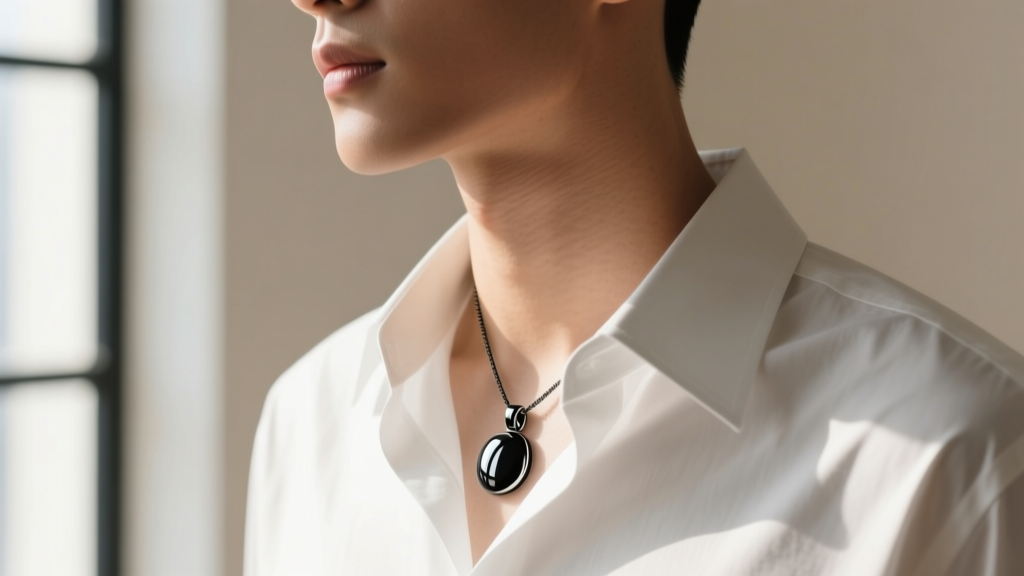
PVD coatings are typically 0.5 to 2 microns thick, making them highly resistant to scratching and UV fading. At the premium end of the spectrum, you will find DLC (Diamond-Like Carbon) coatings. DLC offers an even lower coefficient of friction and a deeper, richer black hue, often pushing the price of the necklace into the luxury tier. When shopping, explicitly look for "PVD coated" or "IP (Ion Plated)" in the description. Avoid any listing that uses vague terms like "black plated" or "painted finish."
The Pricing Matrix: Budget vs. Mid-Range vs. Premium
To help you assess the true market value of a black stainless necklace, we have categorized the current landscape into three distinct tiers. This matrix reflects the correlation between base metal quality, coating technology, and hardware durability.
| Value Tier | Price Range | Base Metal | Coating Technology | Expected Lifespan |
|---|---|---|---|---|
| Budget | $15 - $35 | 304 Stainless Steel | Electroplating / E-Coat | 3 - 6 Months |
| Mid-Range | $40 - $85 | 316L Surgical Steel | Standard PVD (TiCN) | 2 - 5 Years |
| Premium | $90 - $180+ | 316L or Titanium Core | DLC or Multi-Layer PVD | 5 - 10+ Years |
In the mid-range tier, you get the best return on investment. You are paying for the molybdenum-rich 316L core and a PVD coating that will survive daily wear, showering, and occasional gym sessions without turning your skin green or exposing raw silver metal.
Common Failure Modes and How to Spot Them
Even the best PVD-coated black stainless necklace is subject to the laws of physics and friction. Understanding common failure modes will help you maintain your piece and set realistic expectations. The primary enemy of black steel is micro-abrasion. Dust and environmental debris contain microscopic silica particles that are harder than the PVD coating. Wiping your necklace with a dry, rough cloth will create micro-scratches that eventually dull the black finish.
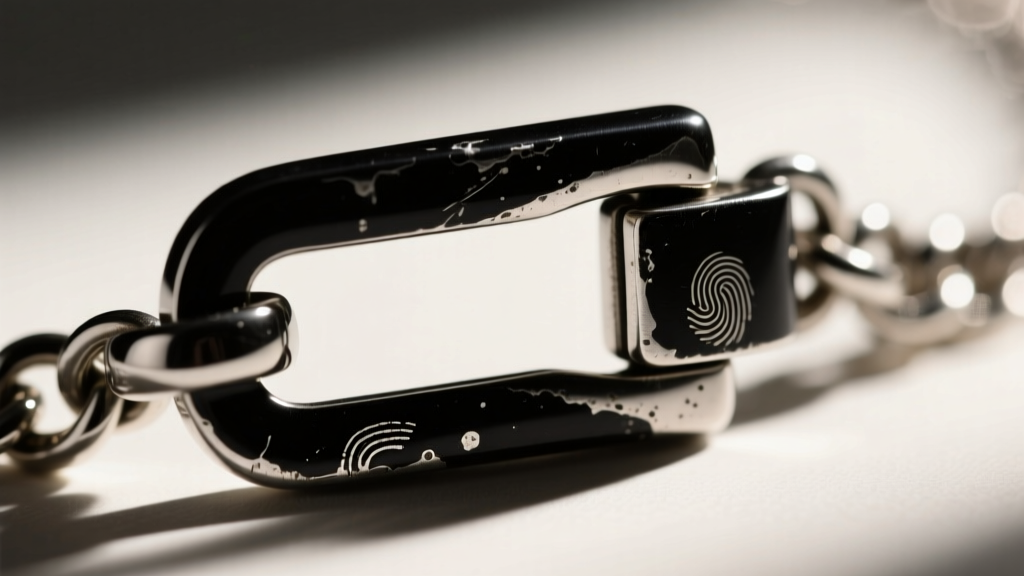
The Clasp and Bail Friction Problem
The second major failure point is the hardware. Lobster clasps contain tiny internal steel springs. The friction of opening and closing the clasp, combined with the tension of the spring, will inevitably wear the black coating down to the bare 316L steel over time. Similarly, the bail (the loop connecting a pendant to the chain) experiences constant metal-on-metal friction. To mitigate this, premium brands now use ceramic-lined bails or offer replaceable clasp components. If you are buying a budget chain, expect the clasp to show silver wear marks within the first year of daily use.
Best Practices for PVD Longevity
- Avoid Ultrasonic Cleaners: The high-frequency vibrations can create micro-fractures in the PVD layer, causing it to delaminate from the steel substrate.
- Chemical Exposure: While PVD is highly resistant to water, prolonged exposure to chlorine in swimming pools or harsh sulfides in hot springs can degrade the coating's luster.
- Storage: Store your black stainless necklace in a soft microfiber pouch. Tossing it into a jewelry box with harder gemstones or tungsten rings will result in irreversible micro-scratches.
Verdict: Is a Black Stainless Necklace Worth Your Money?
From a pure resale perspective, stainless steel holds no intrinsic melt value like gold or platinum. However, from a cost-per-wear and aesthetic durability standpoint, a mid-range 316L PVD-coated piece is arguably the best value in modern alternative jewelry.
Ultimately, the black stainless necklace provides the sleek, modern look of blackened silver or darkened tungsten at a fraction of the cost, without the extreme weight or shatter risk associated with heavier metals. By insisting on 316L surgical steel and a verified PVD coating, you secure a highly durable, low-maintenance accessory that will anchor your wardrobe for years. Just be prepared to accept that the clasp will eventually show its silver roots—a small testament to the miles you've put on your favorite piece.


