Smart Budget Gold Necklace for Teenage Girl: 2026 Guide
Find the perfect gold necklace for a teenage girl without overspending. Our 2026 value guide compares vermeil, filled, and solid 10k options.

The Challenge of Buying Gold for Teens
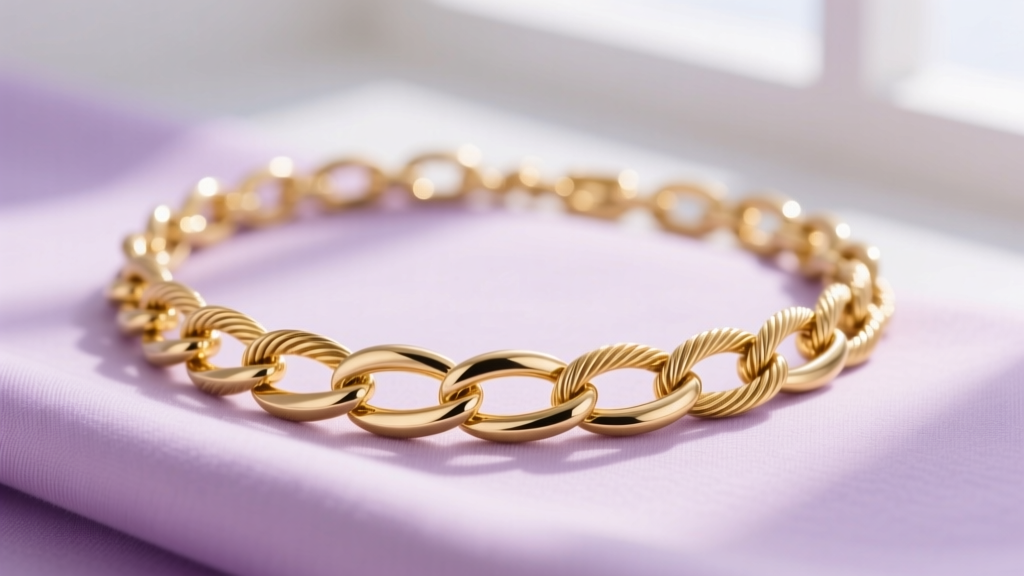
Finding the right gold necklace for a teenage girl requires balancing aesthetic desires with practical realities. Teens want the trendy, layered looks they see on social media, while parents and gift-givers want a piece that won't turn green, break after a week, or cost a small fortune. In 2026, the jewelry market is flooded with deceptive marketing terms like "gold dipped" and "gold bonded," making it incredibly difficult to assess true value. This guide cuts through the marketing fluff, providing a strict budget and value assessment to help you choose a necklace that survives high school hallways, gym class, and teenage body chemistry.
The "Green Skin" Problem: Why Base Metals Matter
The most common complaint with budget gold jewelry is the dreaded green or black discoloration on the skin. This is not a sign that the gold is "fake"; rather, it is a chemical reaction between the base metal beneath the gold and the wearer's skin chemistry. Teenagers are particularly active, meaning their jewelry is frequently exposed to sweat, body lotions, perfumes, and shower gels.
When a thin layer of gold wears off a brass or copper base, these metals react with the acids in sweat and the sulfur in lotions to create copper chloride or silver sulfide—resulting in a green or black smudge. Furthermore, cheap base metals often contain nickel, a common allergen that causes contact dermatitis. To avoid this, you must understand exactly what lies beneath the gold surface.
Material Breakdown: Assessing True Value
Not all gold jewelry is created equal. The Federal Trade Commission (FTC) has strict guidelines on how gold jewelry can be labeled, but fast-fashion brands often skirt these rules with creative terminology. Here is the objective breakdown of what you are actually paying for.
| Material Type | Base Metal | Gold Thickness/Weight | Expected Lifespan | Value Verdict |
|---|---|---|---|---|
| Flash Plated | Brass/Copper | < 0.17 microns | 1 - 3 Months | Poor. Avoid entirely. |
| Gold Vermeil | Sterling Silver | 2.5+ microns | 1 - 3 Years | Good. Best budget option for trendy pendants. |
| Gold Filled | Jeweler's Brass | 5% of total weight | 3 - 5 Years | Excellent. Best value for everyday chains. |
| Solid 10k / 14k | N/A (Gold Alloy) | 100% Gold | Lifetime | Premium. Best for sentimental, permanent wear. |
The Vermeil Standard: True vermeil must have a sterling silver base and be plated with at least 10k gold that is a minimum of 2.5 microns thick. Because silver is a hypoallergenic, precious metal, even if the gold eventually wears down after years of heavy use, the necklace remains wearable and won't turn the skin green.
The Gold Filled Advantage: According to the Gemological Institute of America (GIA), gold-filled jewelry is created by mechanically bonding a thick layer of gold (usually 12k or 14k) to a brass core using heat and pressure. By law, the gold must constitute at least 1/20th (5%) of the item's total weight. This makes it vastly superior to plating and highly resistant to flaking.
Chain Styles That Survive Teen Lifestyles
Material grade is only half the battle; structural integrity is the other. Teenagers are notoriously hard on jewelry. Chains get caught in hair, snagged on sweaters, and slept in. Choosing the wrong link style will result in a broken necklace, regardless of how much you spent.
The Durability Champions
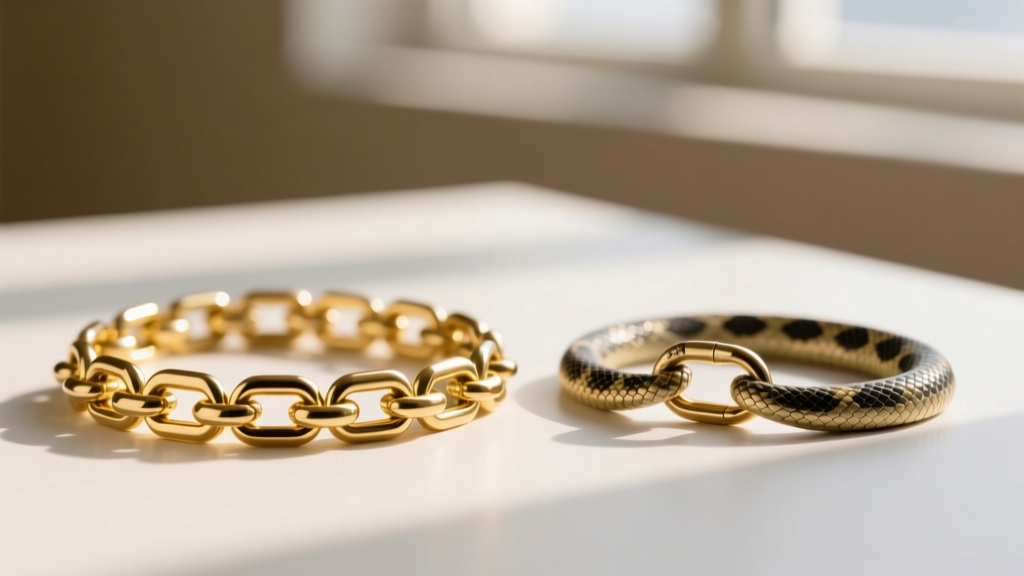
- Box Chains: Made of square, interlocking links that fold in multiple directions. They are incredibly strong, resist kinking, and slide smoothly over the skin.
- Cable Chains: The classic oval link design. As long as the wire gauge is 1.2mm or thicker, cable chains can withstand significant pulling force.
- Rope Chains: Twisted links that mimic a rope. They are dense, heavy, and highly resistant to snapping, making them ideal for holding heavier pendant charms.
The Fragility Trap: Chains to Avoid
- Snake Chains: These are made of tightly joined wavy rings that form a smooth, flexible tube. While they look sleek, they have a fatal flaw: if bent past their structural limit, they kink permanently and will eventually snap at the weak point.
- Herringbone Chains: Similar to snake chains, these lay flat against the collarbone but are notorious for kinking and bending out of shape when slept in.
- Paperclip Chains: While highly trendy in 2026, the elongated rectangular links easily catch on clothing and hair, leading to pulled and warped links.
Budget Tiers: What Your Money Actually Buys
When shopping for a gold necklace for a teenage girl, it helps to categorize your budget into three distinct tiers. Each tier offers a different value proposition depending on the intended use of the jewelry.
Tier 1: The Trendy Starter ($40 - $80)
In this range, you should exclusively look for heavy gold vermeil or 14k gold-filled chains. You can find excellent 16-inch to 18-inch gold-filled cable chains on specialized marketplaces like Etsy or from dedicated basics brands. This tier is perfect for layering multiple chains or buying trendy, oversized pendant necklaces that the teen might outgrow in a few years. The value here is exceptional, as you are getting 1-3 years of solid wear for the price of a few coffees.
Tier 2: The Entry-Level Solid ($120 - $200)
This budget unlocks solid 10k gold. 10k gold contains 41.7% pure gold, mixed with durable alloys like copper and zinc. While it has a slightly paler yellow hue than 14k, it is significantly harder and more scratch-resistant, making it a brilliant choice for an active teenager. At this price point, expect thinner chains (around 1.0mm to 1.2mm) and small, simple charms. Brands focusing on minimalist jewelry often offer solid 10k options in this bracket.
Tier 3: The Forever Piece ($250 - $400+)
Here, you enter the realm of solid 14k gold with a durable weight (1.5mm+ thickness). This is the tier for milestone gifts—sweet sixteens, graduation, or major birthdays. A 14k gold box chain or rope chain in this price range will last a lifetime, can be worn in the shower without fear, and holds sentimental value. The initial cost is higher, but the cost-per-wear over a decade makes it the ultimate long-term value.
Hardware and Clasps: The Hidden Failure Points
A chain is only as strong as its clasp. When assessing value, always inspect the hardware. Many budget brands cut costs by using cheap, mass-produced findings that fail prematurely.
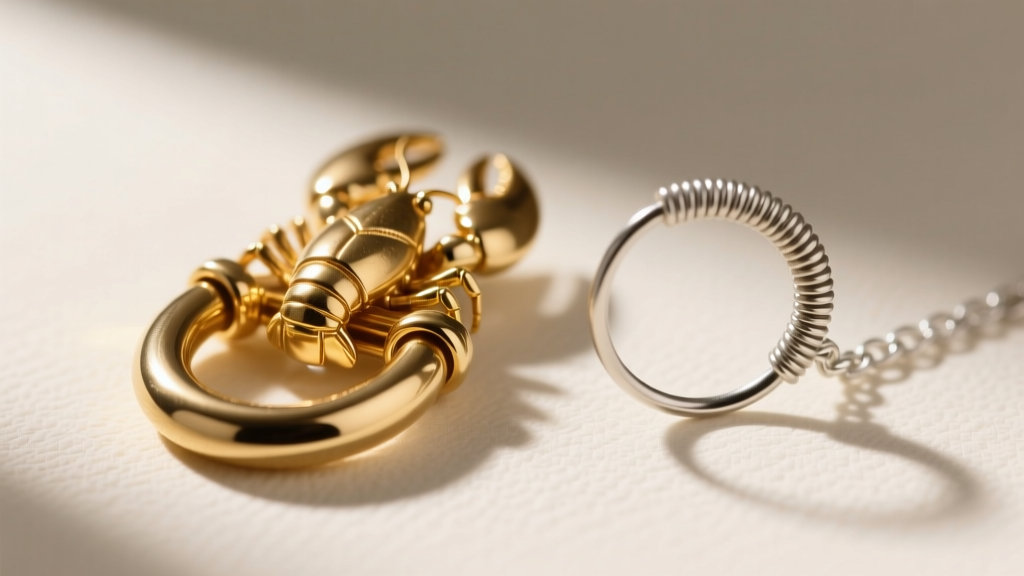
Spring Ring vs. Lobster Clasp: Spring rings are the small, perfectly circular clasps with a tiny internal spring. They are notoriously difficult to operate with one hand, and the internal spring frequently rusts or clogs with lotion, causing the clasp to stick open or shut. Always opt for a lobster clasp, which uses a solid lever mechanism that is far more secure and easier for a teenager to fasten.
The Jump Ring Test: Look closely at the small ring connecting the clasp to the chain. If there is a visible slit (an "open" jump ring), the chain will eventually slip through that gap when pulled. High-value jewelry uses soldered jump rings, where the gap is fused shut with laser or torch soldering, ensuring the necklace stays intact even if snagged.
The Teen Maintenance Framework
Even the highest quality gold-filled or solid gold necklace requires basic care to maintain its luster. Establish a simple maintenance framework with the recipient:
- The "Last On, First Off" Rule: Jewelry should be the last thing put on after applying lotions, perfumes, and hairspray, and the first thing taken off at night.
- The Post-Sport Wipe: After gym class or sports practice, wipe the chain with a soft, lint-free microfiber cloth to remove acidic sweat before it can degrade the metal alloys.
- Proper Storage: Never toss necklaces into a tangled pile in a jewelry box. Hang them or lay them flat in individual soft pouches to prevent the links from scratching one another.
Final Verdict on Value
When buying a gold necklace for a teenage girl, the smartest budget allocation is prioritizing material integrity and structural design over brand names. A $75 gold-filled box chain with a soldered lobster clasp offers infinitely more daily value and longevity than a $150 designer-branded flash-plated brass chain. By focusing on vermeil, gold-filled, or solid 10k options, and avoiding fragile link styles, you can gift a beautiful, enduring piece that fits your budget and survives the realities of teenage life.


