The Men Necklace Length Chart: Fit, Care & Cleaning Guide
Master the men necklace length chart for the perfect fit, then learn expert cleaning, material care, and maintenance tips to protect your chain.

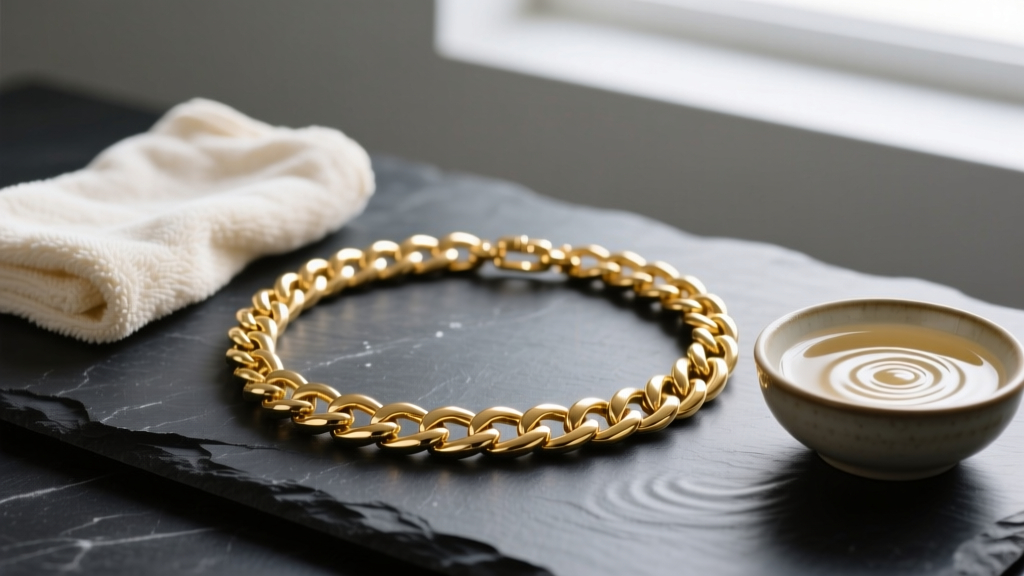
The Intersection of Fit and Longevity: Why Length Matters
When shopping for a new piece of jewelry, most men immediately consult a men necklace length chart to ensure the chain sits perfectly on their chest or collarbone. However, few realize that the exact length of your chain directly dictates its wear-and-tear profile, environmental exposure, and the specific cleaning protocols it requires. A chain that rests at the base of the neck faces entirely different chemical and mechanical stresses than one that hangs at the sternum.
In this comprehensive guide, we bridge the gap between sizing and maintenance. We will break down the standard lengths, analyze the physical stress each length endures, and provide a masterclass in material-specific cleaning to ensure your investment lasts a lifetime.
The Definitive Men Necklace Length Chart (2026 Standards)
Before diving into care, you must identify where your chain sits. Use this standardized chart to determine your necklace length and its corresponding risk profile.
| Length | Placement | Best For | Primary Wear/Tear Risk |
|---|---|---|---|
| 16" - 18" | Base of neck / Collarbone | Chokers, dog tags, minimal pendants | Sebum buildup, sweat corrosion, skin friction |
| 20" - 22" | A few inches below collarbone | Standard daily wear, medium pendants | Chest hair snagging, mild surface abrasion |
| 24" - 26" | Mid-chest / Sternum | Statement pieces, heavy pendants | Pendulum swing stress, clasp fatigue, table impacts |
| 28" - 30"+ | Below sternum | Layering, oversized pendants | Severe snagging, link deformation, clasp failure |
Wear-and-Tear Profiles by Chain Length
Understanding how your specific length interacts with your body and environment is the first step in preventative maintenance.
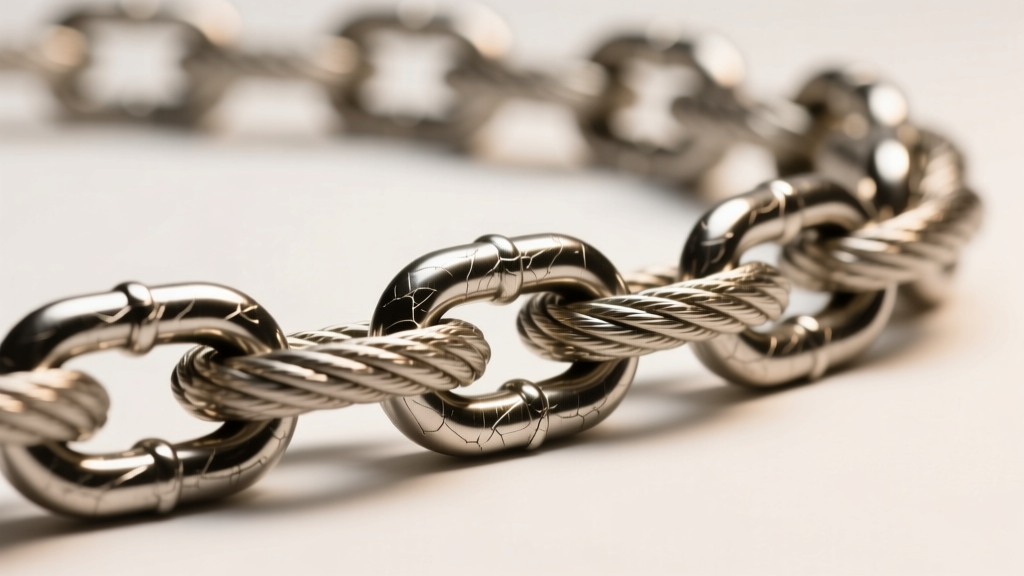
Short Chains (16"-18"): The Sweat and Sebum Zone
Chains in the 16 to 18-inch range sit directly in the body's highest concentration of sweat and sebum glands. The natural oils, dead skin cells, and acidic pH of human sweat (typically between 4.5 and 7.0) create a corrosive environment. For sterling silver, this accelerates the formation of silver sulfide (tarnish). For gold and steel, a microscopic layer of grime builds up in the link crevices, dulling the metal's reflectivity and trapping odor-causing bacteria.
Mid-Length Chains (20"-22"): The Daily Beaters
The 20-inch to 22-inch range is the most popular entry on any men necklace length chart. Because these chains rest on the upper chest, they are constantly subjected to friction from t-shirts, hoodies, and chest hair. The primary failure mode here is mechanical polishing—where cotton fibers act as a mild abrasive, slowly wearing down high-polish finishes and rhodium plating over several years.
Long Chains (24"-30"): Pendulum Swings and Clasp Stress
Longer chains act as pendulums. Every time you bend over, walk, or sit at a desk, a 24-inch or 30-inch chain swings forward. This creates severe tensile stress on the jump rings and the clasp mechanism. Furthermore, long chains are prone to impacting hard surfaces like steering wheels and desk edges, leading to flattened links and structural deformation.
Material-Specific Cleaning Protocols
Once you understand the physical stresses your chain's length imposes, you must tailor your cleaning to the metal's metallurgical properties. The Gemological Institute of America (GIA) emphasizes that improper cleaning agents can permanently damage specific alloys.
Surgical Steel & Titanium (The Low-Maintenance Workhorses)
316L stainless steel and Grade 23 Titanium (Ti-6Al-4V) are highly resistant to corrosion and do not tarnish.
- Cleaning: Wash with warm water and a mild surfactant (like Dawn Free & Clear).
- Drying: Pat dry with a microfiber cloth. Air drying leaves hard water spots on steel.
- Warning: Avoid bleach or chlorine-based cleaners, which can cause pitting in 316L steel by breaking down its protective chromium oxide layer.
Sterling Silver & Oxidation Management
925 Sterling Silver contains 7.5% copper, which reacts with sulfur in the air and sweat to form black silver sulfide.
- Light Tarnish: Use a treated silver polishing cloth. Do not use tissue paper, which contains wood pulp that causes micro-scratches.
- Heavy Tarnish: Use an electrolytic reduction bath (aluminum foil, baking soda, and boiling water). This converts silver sulfide back into silver without removing metal.
- Warning: Never use liquid silver dips on oxidized (intentionally blackened) silver jewelry, as it will strip the designer patina instantly.
Solid Gold (14k vs 18k) & Rhodium Plated White Gold
Gold does not tarnish, but the alloy metals (copper, zinc, nickel) in 14k and 18k gold can react to harsh chemicals. White gold is plated with rhodium to achieve its bright white color.
- Cleaning: Soak in a solution of 3 drops pH-neutral dish soap and 8 oz of distilled water at 95°F for 15 minutes. Gently agitate with an extra-soft baby toothbrush.
- Rhodium Care: Avoid ultrasonic cleaners on white gold. The 40kHz high-frequency vibrations can accelerate the flaking and wear of the microscopic rhodium layer.
Step-by-Step Deep Cleaning Routine
For a thorough monthly deep clean, follow this exact protocol to remove embedded sebum and environmental pollutants without damaging the metal.
Pro Tip: Always clean your jewelry over a plugged sink or a silicone mat. Dropping a heavy 24-inch gold chain into an open drain is a surprisingly common and costly mistake.
- Prep the Solution: Mix 1 cup of distilled water (tap water contains chlorine and minerals) with 3 drops of mild, phosphate-free dish soap.
- Soak: Submerge the chain for 10-15 minutes to loosen dead skin and oils trapped in the link joints.
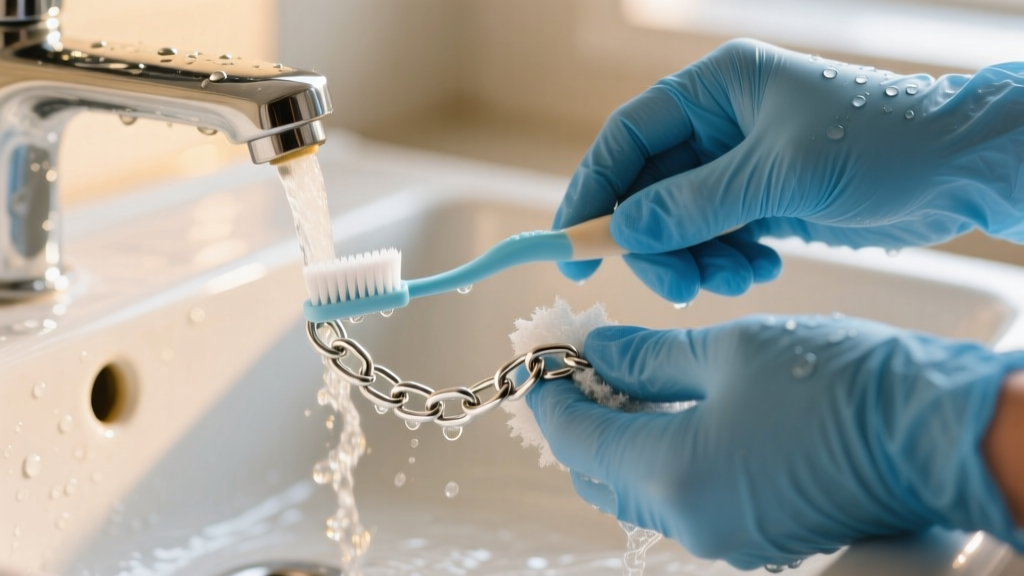
- Agitate: Using an extra-soft bristle brush (a clean baby toothbrush is ideal), gently scrub the clasp mechanism and the interior of the links where friction accumulates.
- Rinse: Rinse thoroughly under lukewarm running water to remove all soap residue.
- Dry: Lay flat on a clean microfiber towel. Use a hairdryer on the 'cool' setting to blow water out of the tight crevices of rope or box chains.
Storage and Clasp Maintenance
Proper storage is just as critical as cleaning. According to the Federal Trade Commission (FTC) Jewelry Guides, proper care ensures the longevity and accurate representation of your precious metals.
Preventing the 'Pendulum Tangle'
Longer chains (24"+) are notorious for tangling. To prevent this, store them hanging on a velvet-lined jewelry valet, or lay them flat in a lined box. Never throw a long chain into a drawer; the links will knot, and pulling them tight can permanently deform soft metals like 18k gold or pure silver.
Lobster Clasp Spring Fatigue
The lobster claw is the most common clasp on men's chains, but it relies on a tiny internal steel spring. Over time, sweat and debris enter the hinge, causing the spring to fatigue or stick.
- Testing: Press the lever. It should snap back with crisp, immediate tension. If it feels 'mushy' or returns slowly, the spring is failing.
- Maintenance: Do not spray WD-40 or standard lubricants on your clasp; they attract dust and degrade the metal. Instead, use a microscopic drop of synthetic watch oil applied with a toothpick to the hinge pin.
By cross-referencing your favorite men necklace length chart with these targeted care protocols, you ensure that your chain not only fits perfectly but remains in pristine, wearable condition for decades.


