The Complete Care Guide for Every Mens Cord Necklace
Expert cleaning and maintenance tips for your mens cord necklace. Learn to care for leather, nylon, and waxed cotton cords to extend their lifespan.

The Anatomy of Cord Degradation: Why Your Necklace Fails
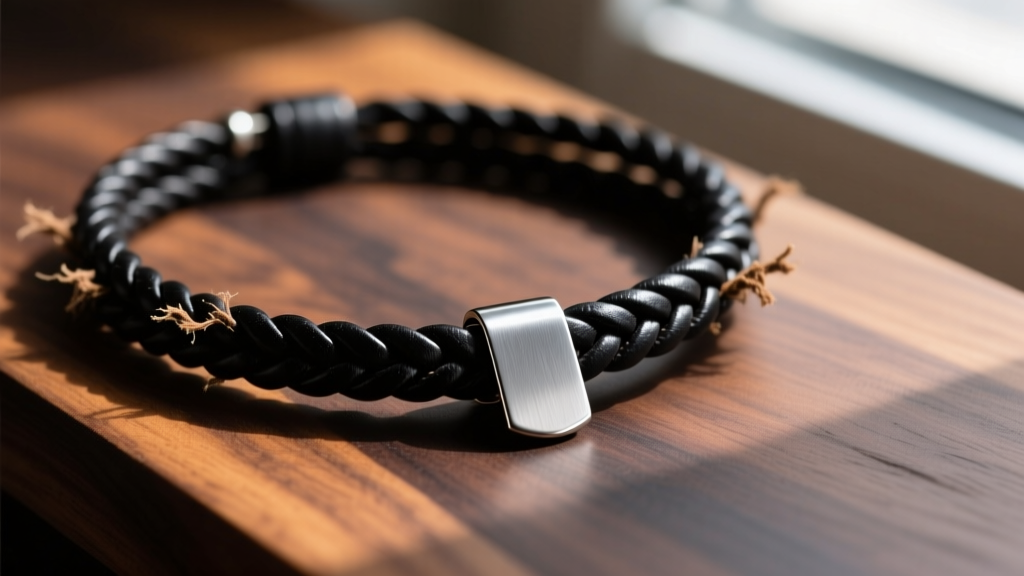
A high-quality mens cord necklace is a staple of modern menswear, offering a rugged, versatile alternative to traditional metal chains. However, the very nature of cord materials—whether organic fibers, tanned hides, or synthetic polymers—makes them highly susceptible to environmental and biological degradation. Human sweat is a complex cocktail of water, urea, lactic acid, and sebum, with a pH ranging from 4.5 to 7.0. When this acidic mixture saturates a cord, it breaks down collagen fibers in leather and accelerates the oxidation of metal hardware. Furthermore, daily friction against the neck and collarbones causes micro-abrasions that eventually lead to catastrophic fraying. Understanding the specific failure modes of your cord material is the first step in implementing a proper maintenance routine that will keep your necklace looking pristine in 2026 and beyond.
Material-Specific Cleaning Protocols
Not all cords are created equal. Applying a universal cleaning method will often ruin the material. Below are the precise, material-specific protocols for maintaining the structural integrity and aesthetic of your necklace.
Genuine and Braided Leather Cords
Leather is a porous, organic material that requires a careful balance of moisture and lipids to remain supple. Vegetable-tanned leather cords are particularly vulnerable to water spots and will darken permanently if exposed to excessive sweat without protection. Chrome-tanned leather is slightly more water-resistant but still prone to drying out and cracking.
- Surface Cleaning: Wipe the cord down weekly with a slightly damp microfiber cloth to remove surface sebum and dead skin cells.
- Deep Cleaning: Every three months, apply a small amount of pH-balanced saddle soap to a soft horsehair brush. Work it into a light lather on the cord, then wipe away the residue immediately. Never submerge leather in water.
- Conditioning: Once clean and fully dry, apply a thin layer of a high-quality conditioner like Bickmore Bick 4 or Lexol. Avoid mink oil or heavy waxes, as they can trap moisture and cause the cotton stitching used in braided leather cords to rot from the inside out. For more on leather preservation, refer to the Tandy Leather Craft Library.
Waxed Cotton and Hemp Cords
Waxed cotton and hemp derive their water resistance and stiff drape from a heavy coating of beeswax or paraffin. The primary enemy of these cords is heat and harsh surfactants, which strip the wax and leave the underlying fibers brittle and prone to snapping.
- Cleaning: Never use soap on a waxed cord. Instead, use a dry, stiff-bristled brush to dislodge dirt. For stubborn grime, lightly dampen a cloth with cold water and wipe the cord, allowing it to air dry completely.
- Re-Waxing: Over time, the wax will wear off at high-friction points (like the clasp and the nape of the neck). Every six months, apply a specialized fabric wax, such as Otter Wax or Smith's Leather Balm. Rub the wax into the fibers using the friction of your thumb to generate enough heat to melt the wax into the core of the cord.
Nylon, Paracord, and Synthetic Blends
Synthetic cords like Type III 550 paracord or braided nylon are incredibly durable, boasting high tensile strength and resistance to biological rot. However, they are highly prone to trapping odors and accumulating microscopic skin flakes within their tight braids.
- Deep Washing: Submerge the synthetic cord in a bowl of warm water mixed with a few drops of a mild, non-bleach surfactant like Dawn dish soap. Agitate the water and use a soft toothbrush to scrub between the braids.
- Odor Removal: If the cord develops a persistent sour smell, create a paste of baking soda and water, coat the cord, and let it sit for two hours before rinsing. Baking soda neutralizes the acidic compounds in trapped sweat without degrading the polyamide chains of the nylon.
The Hardware Factor: Maintaining Clasps and Pendants
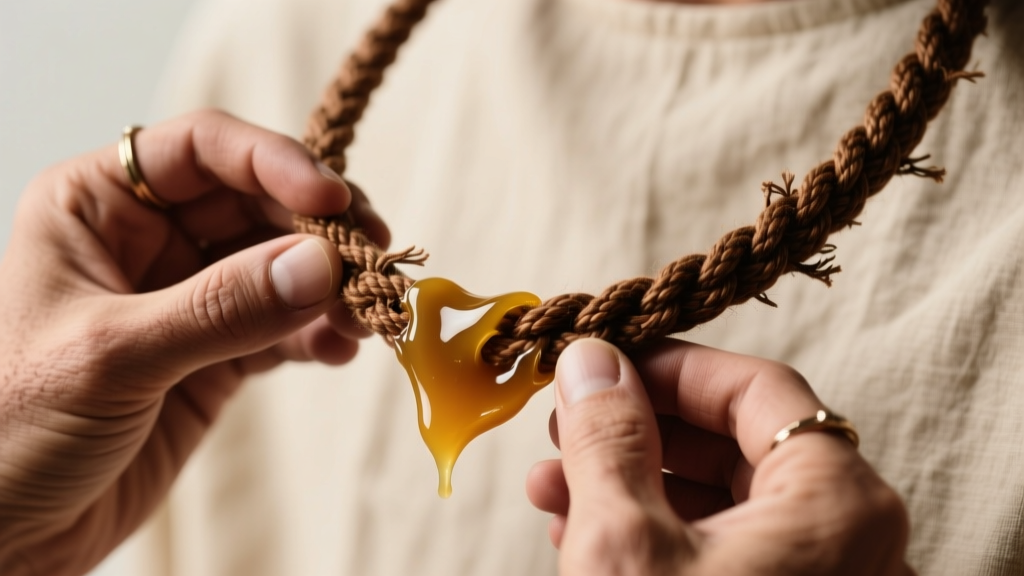
The cord is only half the equation; the hardware is often the actual point of failure. According to the Gemological Institute of America (GIA), the interaction between skin chemistry, environmental sulfur, and metal alloys requires specific attention. A common issue in mens cord necklaces is the use of unsoldered jump rings to attach heavy pendants. The weight of a solid bronze or steel pendant will slowly pull an unsoldered jump ring open, leading to a lost pendant.
Hardware Upgrades: Inspect your jump rings. If you see a seam, take the necklace to a jeweler to have them soldered shut, or replace them with heavy-duty, 18-gauge (1.0mm) soldered rings. Furthermore, be wary of galvanic corrosion. If your necklace features a sterling silver clasp but a stainless steel pendant, the differing electrochemical potentials can cause rapid tarnishing and pitting when exposed to the electrolyte environment of human sweat. Stick to uniform metals, or opt for inert materials like Grade 5 Titanium (Ti-6Al-4V) for the hardware.
Comparison Chart: Cleaning Agents by Cord Material
| Cord Material | Safe Cleaners | Chemicals to Avoid | Maintenance Frequency |
|---|---|---|---|
| Genuine Leather | Saddle soap, Bick 4, Lexol | Alcohol, bleach, mink oil | Clean quarterly, condition bi-annually |
| Waxed Cotton | Cold water, Otter Wax | Detergents, hot water, solvents | Spot clean as needed, re-wax every 6 months |
| Nylon / Paracord | Mild dish soap, baking soda | Chlorine bleach, acetone | Deep wash monthly if worn daily |
| Suede Leather | Suede eraser, brass brushWater, liquid conditioners, oils | Brush weekly, use protector spray monthly |
Storage and Daily Wear Best Practices for 2026
How you store your mens cord necklace when it is not around your neck drastically impacts its lifespan. Tossing a leather or waxed cotton cord into a humid bathroom drawer or leaving it on the dashboard of a hot car will accelerate degradation. UV radiation from the sun breaks down the molecular bonds in nylon, reducing its tensile strength by up to 20% over a year of outdoor exposure. The melting point of beeswax is approximately 62°C (144°F), meaning a hot car interior will melt the wax out of your cotton cord, leaving it dry and brittle.
The Ideal Storage Environment: Store your cord necklaces in a cool, dry place with a relative humidity between 40% and 50%. Hang them on a wide, padded jewelry stand rather than coiling them tightly, which can create permanent memory kinks in the leather or synthetic fibers. If you must travel with them, lay them flat in a breathable canvas pouch rather than an airtight plastic bag, which can trap moisture and promote mold growth on organic fibers.
Troubleshooting Common Cord Catastrophes
Even with meticulous care, accidents happen. Here is how to troubleshoot and repair the most common issues encountered with cord necklaces, utilizing insights from professional textile conservation techniques documented by the AIC Conservation Wiki.
- Stiff, Crunchy Leather: This is usually caused by sweat crystallization or over-conditioning. Wipe the cord with a 50/50 mix of distilled water and white vinegar to break down the salt crystals, let it dry completely, and apply a single, light coat of conditioner.
- Fraying Synthetic Ends: If the end of a nylon or paracord cord begins to unravel near the clasp, do not use superglue, which dries brittle and will eventually crack. Instead, use a butane lighter (avoid Zippo fluid lighters, as they leave black soot stains) to carefully melt the nylon fibers together. Pinch the melted tip with wet fingers to create a smooth, hardened seal.
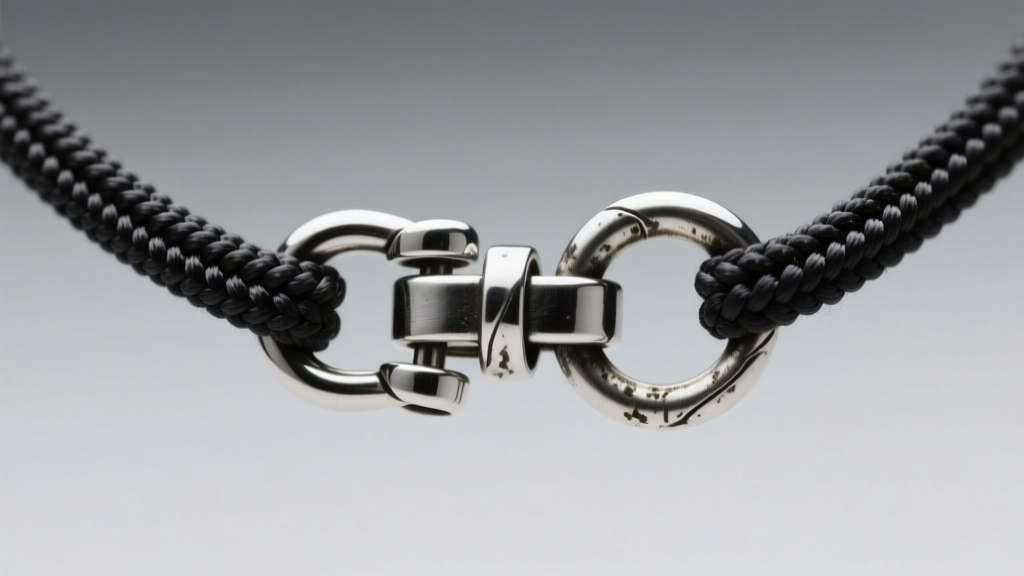
- Seized Lobster Clasp: If the spring mechanism in your clasp becomes stiff, do not force it or apply WD-40, which attracts dirt and degrades rubber O-rings. Apply a microscopic drop of synthetic watch oil or dry PTFE lubricant directly to the hinge pin using a toothpick. Work the lever back and forth until the action is smooth.
- Stretched Jump Rings: Never pull a jump ring apart laterally to open it; this weakens the metal's crystalline structure and ensures it will never close perfectly round again. Always use two pairs of flat-nose pliers to twist the ring open and closed along its central axis.
By treating your mens cord necklace not just as an accessory, but as a composite tool requiring specific material science maintenance, you ensure it remains a reliable, stylish fixture in your wardrobe for years to come.


