How to Style a Sage Green Necklace: Beginner Guide
Discover how to choose, style, and care for a sage green necklace. Learn about gemstone durability, chain lengths, and neckline pairing in our guide.

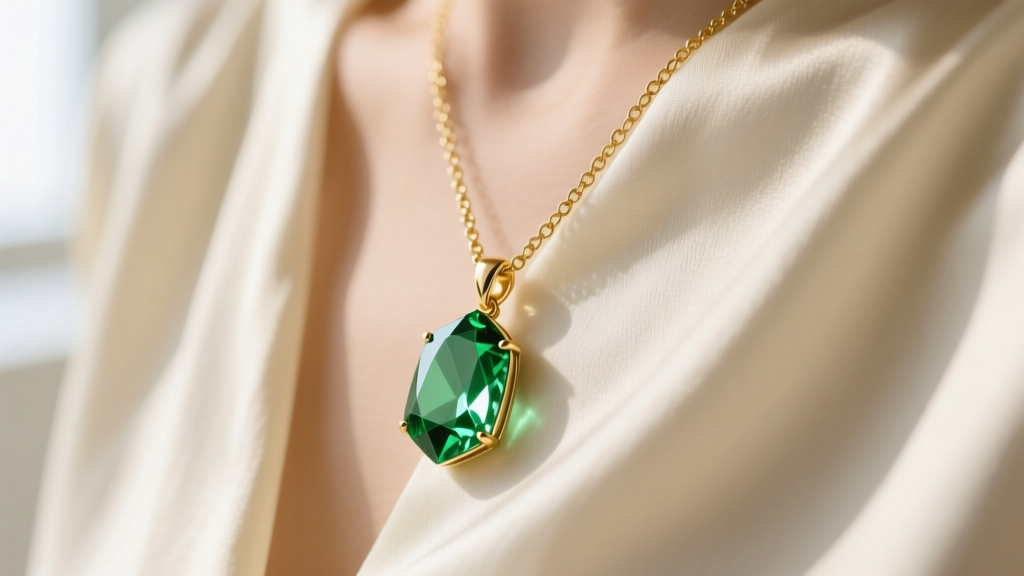
The Anatomy of a Sage Green Necklace: Beyond the Color
As we navigate the jewelry trends of 2026, the shift toward 'quiet luxury' and earthy, grounding neutrals has cemented the sage green necklace as a wardrobe essential. Unlike vibrant emerald or deep forest green, sage offers a muted, grayish-green undertone that acts as a versatile neutral. It bridges the gap between bold statement pieces and subtle everyday wear. However, for beginners, shopping for a sage green necklace can be surprisingly complex. The market is flooded with varying materials, from natural porous stones to synthetic glass, each demanding different care routines and styling approaches.
Understanding what actually gives a necklace its sage hue is the first step in making an informed purchase. The color can be achieved through several distinct mediums, and the material you choose will dictate the piece's longevity, price point, and daily wearability. According to the GIA Gem Encyclopedia, the optical properties and structural integrity of green gemstones vary wildly, making it crucial to look beyond the surface color.
Decoding the Materials: Gemstones vs. Enamel vs. Glass
When you search for a sage green pendant, you will typically encounter four primary materials. Here is a breakdown to help you evaluate quality and durability:
| Material | Mohs Hardness | Avg. Price Range | Durability & Best Use |
|---|---|---|---|
| Aventurine | 6.5 - 7.0 | $30 - $90 | Highly durable; excellent for daily wear pendants. |
| Chrysoprase | 6.0 - 7.0 | $60 - $250 | Smooth cabochons; color comes from nickel inclusions. |
| Serpentine | 2.5 - 5.5 | $15 - $50 | Soft and porous; easily scratched. Best for occasional wear. |
| Vitreous Enamel | N/A (Glass-like) | $40 - $150 | Prone to chipping if dropped on hard surfaces. |
Expert Insight: Many budget retailers mislabel Serpentine as 'New Jade' or 'African Jade.' While it achieves a beautiful, mottled sage green appearance, its low Mohs hardness means it will scratch if stored loosely in a jewelry box alongside diamond or sapphire pieces. If you want a stone for everyday wear, always verify that the sage green necklace uses Aventurine or Chrysoprase.
Selecting the Ideal Chain Metal and Hardware
A common beginner mistake is pairing a high-quality sage green gemstone with a low-grade chain. The metal you choose not only affects the aesthetic warmth of the green stone but also determines how the necklace ages over time. Sage green has cool, gray undertones, meaning it pairs exceptionally well with white metals like rhodium-plated sterling silver or platinum. However, warm metals like 14k yellow gold create a striking, vintage-inspired contrast that is highly sought after in contemporary bohemian styling.
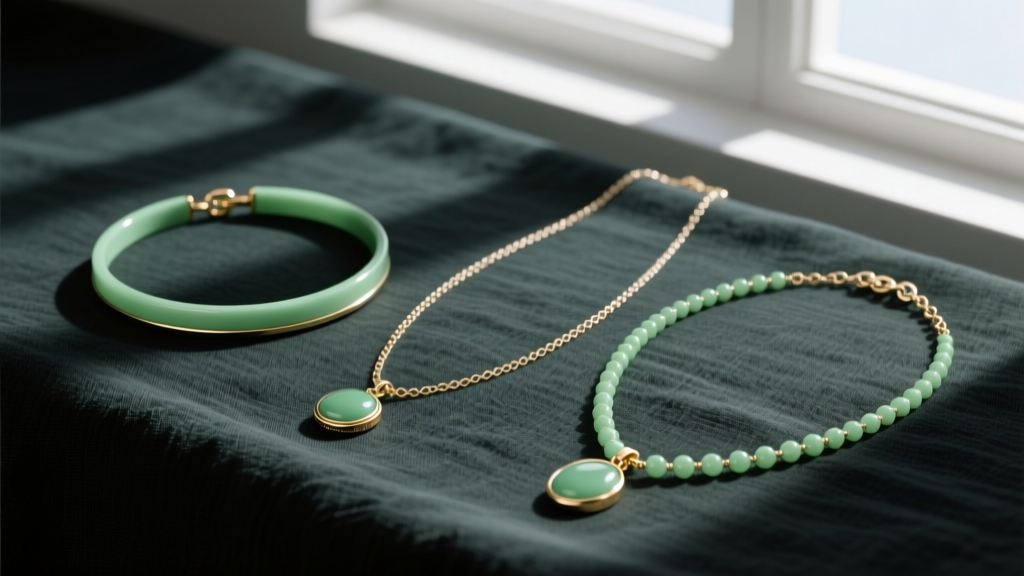
Chain Grades and Clasp Mechanics
When evaluating the hardware of your necklace, pay close attention to the clasp and the metal plating thickness:
- 14k Gold-Filled vs. Gold-Plated: Gold-filled chains contain a minimum of 5% gold by weight, mechanically bonded to a brass core. They will not flake or tarnish for decades. Standard gold-plated chains have a microscopic layer of gold (often less than 0.5 microns) that will wear off within months, exposing the base metal to skin acidity.
- Sterling Silver (925): An excellent choice, but ensure it is rhodium-plated to prevent the sulfur-induced tarnishing that can leave a gray residue on your skin and clothing.
- The Clasp Test: Avoid spring-ring clasps on chains heavier than 5 grams; they are difficult to operate with one hand and prone to spring failure. Opt for a lobster claw clasp or a high-strength neodymium magnetic clasp for accessibility and security.
Neckline Pairing Framework for Beginners
Styling a sage green necklace is less about matching colors and more about balancing proportions and geometric lines. Because sage is a subdued neutral, it will not clash with most patterns, but the length of the chain must complement the neckline of your garment. According to styling principles outlined by Jewelers of America, matching the jewelry silhouette to the clothing silhouette ensures a polished, intentional look.
The V-Neck and Y-Drop
For V-neck blouses or wrap dresses, the goal is to elongate the torso. Choose an 18-inch 'Princess' length chain featuring a Y-drop or a teardrop-shaped sage green pendant. The downward point of the stone should mirror the angle of the V-neck, creating a continuous vertical line that draws the eye downward.
The Crew Neck and Choker
Crew necks and high collars require a definitive break in the fabric. A 14 to 16-inch choker featuring a horizontal bar pendant or a cluster of small, bezel-set sage green aventurine stones sits perfectly above the collar line. Avoid long, dangling pendants with crew necks, as they tend to tangle in the fabric and look visually cluttered.
The Scoop Neck and Matinee
Scoop necklines offer a wide canvas. A 20 to 24-inch 'Matinee' length necklace works beautifully here. Look for a sage green necklace that features a gentle curve or a graduated bead design that echoes the circular geometry of the scoop neckline. This creates a harmonious, framed effect around the face and collarbone.
Longevity and Care: Protecting Muted Green Stones
Proper maintenance is where most beginners inadvertently damage their jewelry. Sage green gemstones, particularly those that are porous or treated, require specific cleaning protocols. The muted color of stones like Chrysoprase can actually fade or become cloudy if exposed to harsh chemicals or prolonged direct sunlight.
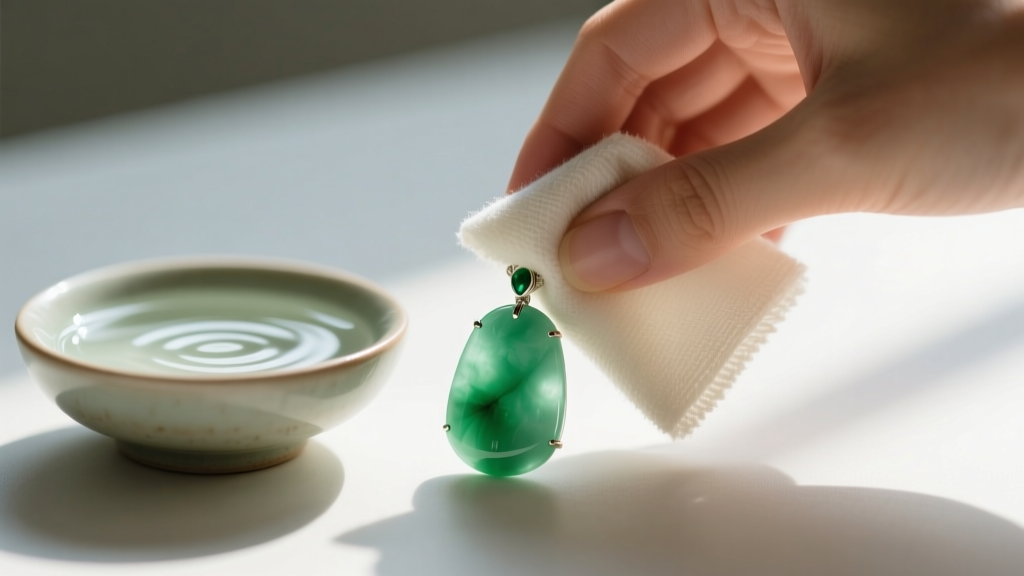
The Cleaning Protocol
Never use ultrasonic cleaners or steam cleaners on a sage green necklace unless you are 100% certain the stone is a non-porous quartz variety like Aventurine, and even then, caution is advised. Ultrasonic vibrations can fracture internal inclusions in Jade and Serpentine.
Safe Cleaning Method: Mix a few drops of pH-neutral dish soap into a bowl of lukewarm distilled water. Use a baby-soft toothbrush to gently agitate the dirt from behind the pendant setting—where skin oils and lotions accumulate. Rinse with distilled water (tap water contains minerals that can leave water spots) and pat dry immediately with a lint-free microfiber cloth.
Storage and Environmental Hazards
Store your sage green necklaces flat in a dark, climate-controlled environment. Hang them on padded hooks if they feature heavy pendants to prevent the chain links from stretching. Keep them away from perfumes, hairsprays, and lotions, as the alcohol and aerosol propellants can strip the natural polish from softer stones like Serpentine and degrade the epoxy used in enamel settings.
Final Thoughts on Building Your Collection
Investing in a sage green necklace is an exercise in embracing subtle sophistication. By prioritizing high-Mohs gemstones like Aventurine, selecting 14k gold-filled or rhodium-plated hardware, and strictly adhering to neckline proportion rules, you elevate a simple accessory into a cornerstone of your personal style. As you build your collection, remember that true luxury lies not just in the aesthetic appeal of the stone, but in the structural integrity and thoughtful engineering of the piece as a whole.


