How to Clean and Maintain a DIY Mens Skull Necklace
Learn how to clean, seal, and maintain your DIY mens skull necklace. Expert care tips for polymer clay, resin, and bone materials.

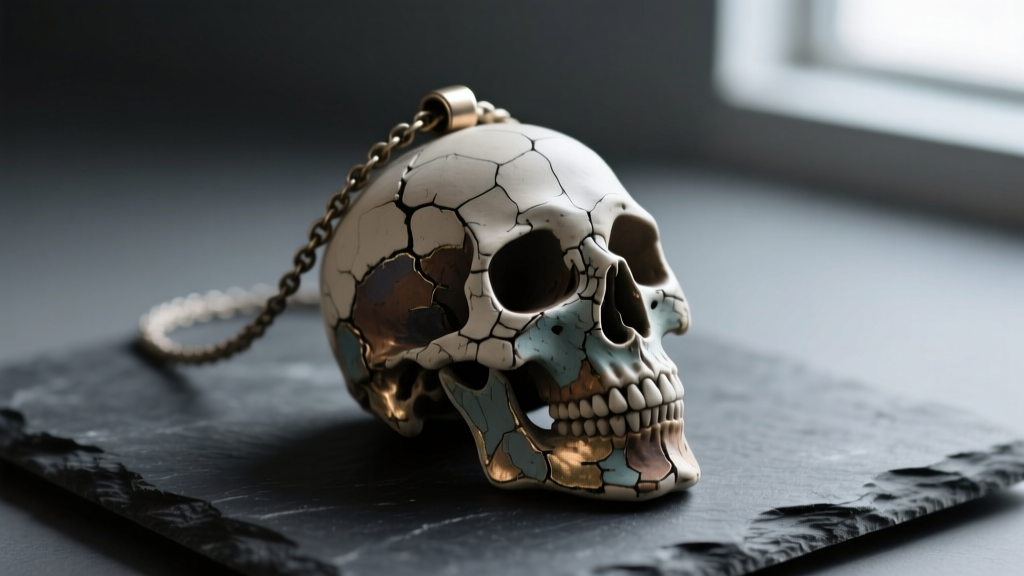
Creating a custom piece of jewelry is a deeply personal endeavor, and the DIY mens skull necklace has become a staple in alternative, streetwear, and artisanal fashion circles. Whether you have sculpted a piece from polymer clay, cast a design in high-grade epoxy resin, or hand-carved an ethically sourced bone pendant, the initial creation is only half the battle. The true test of any DIY jewelry piece lies in its longevity. Unlike mass-produced 925 sterling silver or 14k gold pendants, DIY materials possess unique chemical vulnerabilities that require specialized care, maintenance, and cleaning protocols.
In 2026, the DIY jewelry community has moved far beyond basic crafting, utilizing advanced UV-resistant resins and professional-grade sealants. However, even the most meticulously crafted skull pendant will degrade if exposed to the harsh realities of daily wear—namely, acidic human sweat, sebum buildup, UV radiation, and mechanical friction. This comprehensive guide will walk you through the exact material science, cleaning agents, and preservation techniques required to keep your DIY skull necklace looking pristine for years to come.
Understanding Your DIY Skull Necklace Materials
Before applying any cleaning solution or sealant, you must identify the exact material composition of your skull pendant. Using the wrong chemical agent can cause irreversible damage, ranging from plasticizer migration in clays to catastrophic warping in organic materials.
- Polymer Clay (e.g., Sculpey, Fimo): Polymer clay is essentially a PVC (polyvinyl chloride) base mixed with plasticizers and pigments. It is porous before sealing and highly sensitive to solvents like rubbing alcohol or acetone, which will break down the plasticizers and leave the skull brittle and cracked.
- Epoxy and UV Resin: While incredibly durable and capable of capturing intricate skull mold details, resins are prone to micro-scratching and UV yellowing. Cheaper resins will amber over time when exposed to sunlight and the natural oils in your skin.
- Carved Bone, Horn, or Antler: Organic materials are hygroscopic, meaning they absorb and release moisture from the environment. They require hydration (via oils) rather than harsh chemical washing, which can strip their natural lipids and cause severe splitting.
The Chemistry of Wear: Common Failure Modes
Why do DIY necklaces degrade faster than fine jewelry? The answer lies in human biology and environmental exposure. The average pH of human sweat ranges from 4.5 to 7.0. This mild acidity is enough to slowly eat away at water-based sealants and degrade the paint jobs commonly used on DIY skull pendants. Furthermore, sebum (skin oil) accumulates in the deep crevices of a skull's eye sockets and nasal cavity, creating a sticky residue that traps dead skin cells and environmental dust, leading to a dull, grayish film over your artwork.
Mechanical friction is another major culprit. A skull pendant resting against a cotton t-shirt or a leather jacket experiences constant micro-abrasion. If your pendant is sealed with a soft, water-based varnish (like Mod Podge), this friction will wear through the sealant in a matter of weeks, exposing the raw material underneath to sweat and dirt.
Step-by-Step Cleaning Protocols by Material
To safely remove sebum, sweat, and environmental grime, follow these material-specific cleaning protocols. Never use ultrasonic jewelry cleaners for DIY pieces; the high-frequency vibrations can shatter resin or shake loose the delicate wire-wrapping often used in DIY bail attachments.
Polymer Clay Skulls
For unsealed or lightly sealed polymer clay, use a barely damp microfiber cloth with a drop of mild, fragrance-free dish soap. Gently wipe the surface, using a soft-bristled makeup brush to dislodge dirt from the teeth and eye sockets. Rinse the brush frequently. According to Sculpey's official care guidelines, you must avoid any alcohol-based cleaners, as they will instantly cloud the surface and degrade the clay's structural integrity. Dry immediately with a lint-free towel.
Carved Bone and Antler
Organic skulls should never be submerged in water. Submersion causes the calcium phosphate matrix to swell, leading to micro-fractures upon drying. Instead, use a dry, soft-bristled brush to remove dust. For stubborn grime, lightly dampen a cotton swab with distilled water and spot-clean. Once clean and fully dry, the bone must be rehydrated. Apply a thin coat of food-grade mineral oil or specialized jojoba oil using a soft cloth. Let it absorb for 15 minutes, then buff off the excess. The American Institute for Conservation (AIC) highly recommends avoiding commercial jewelry dips on porous organic materials, as the chemicals will become trapped in the bone and cause long-term discoloration.
Epoxy and UV Resin
Resin is non-porous, making it the easiest to clean. Mix a solution of warm water and a few drops of gentle dish detergent. Use a soft microfiber cloth to wipe the pendant down. For hard water spots or stubborn oils, a 50/50 mix of distilled white vinegar and water can be used sparingly. Avoid glass cleaners containing ammonia, as ammonia can cause chemical clouding in certain UV-cured resins.
Sealing and Protecting Your DIY Pendant
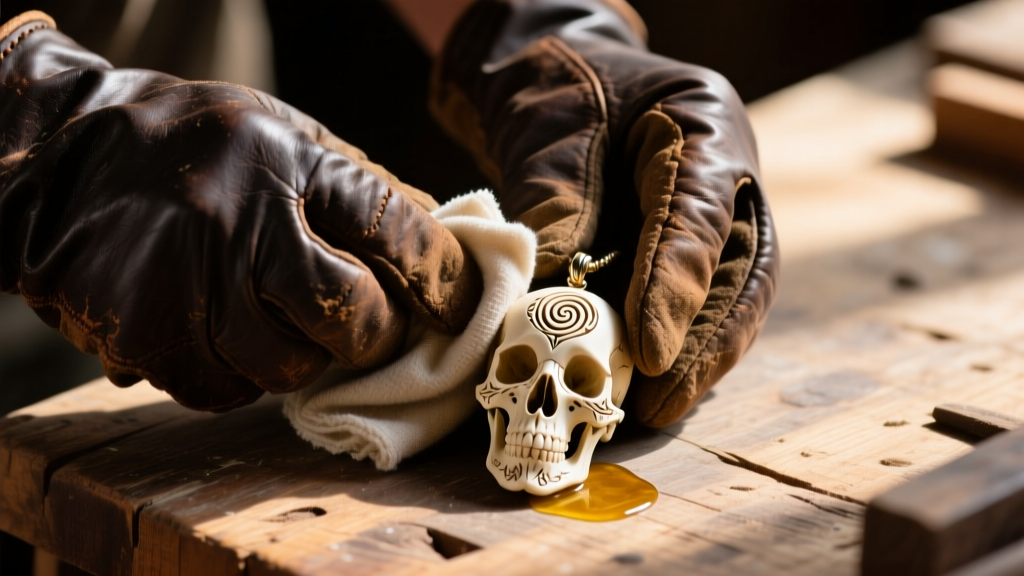
Cleaning is reactive; sealing is proactive. A proper sealant acts as a sacrificial barrier between your DIY skull and the elements. The biggest mistake DIYers make is using clear nail polish as a topcoat. Nail polish contains harsh solvents (like ethyl acetate) that can melt polymer clay and resin, and it eventually peels off in unsightly, yellowed flakes.
Pro-Tip: Always test your chosen sealant on a scrap piece of the exact same material, painted with the same acrylics or alcohol inks, before applying it to your finished skull necklace. Some sealants react with specific pigment brands, causing them to bleed or blur.
Material vs. Sealant Compatibility Matrix
Use the table below to select the correct protective coating for your specific DIY skull pendant.
| Pendant Material | Recommended Sealant | Application Method | Avoid At All Costs | Reapplication Frequency |
|---|---|---|---|---|
| Polymer Clay | Polyurethane Spray (Matte/Satin) | Light, dusting coats in a ventilated area | Nail polish, solvent-based lacquers | 12-18 Months |
| Epoxy / UV Resin | Automotive Clear Coat (UV Resistant) | Airbrush or high-quality aerosol | Water-based brush-on varnishes | 24+ Months |
| Carved Bone / Horn | Renaissance Micro-Crystalline Wax | Buffed on with a soft cotton cloth | Polyurethane, liquid sealants | 6-12 Months |
| Mixed Media / Upcycled | Clear Epoxy Dome Coating | Poured and cured over a bezel | Waxes over porous adhesives | Permanent (unless chipped) |
For carved bone and antler skulls, Renaissance Micro-Crystalline Wax is the gold standard. Originally developed by the British Museum, this wax is acid-free, completely inert, and will not bloom or turn white over time. It provides a subtle, protective sheen that enhances the natural grain of the bone while repelling moisture and fingerprints.
Chain and Clasp Maintenance
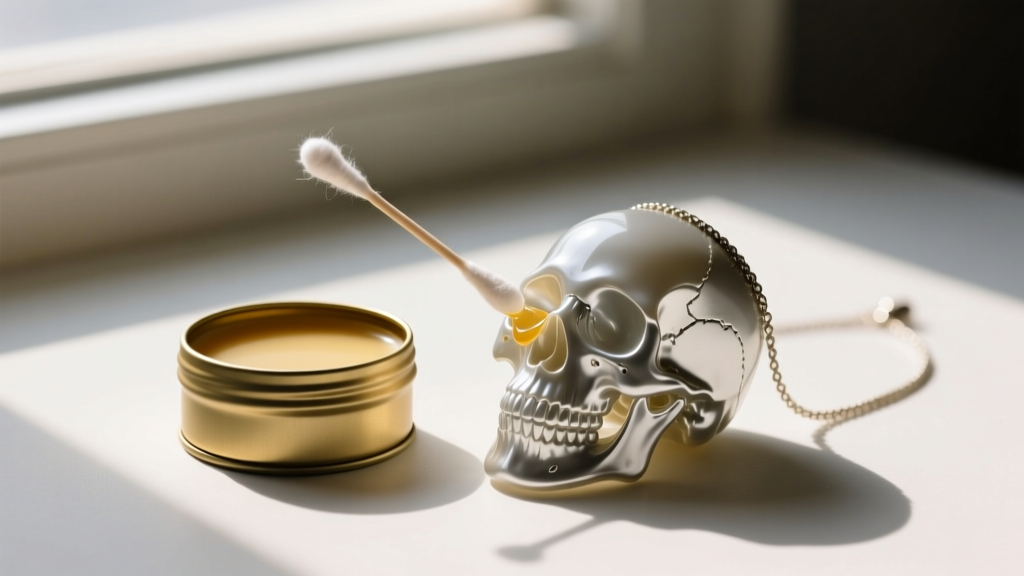
A DIY skull pendant is only as strong as the chain it hangs from. Many crafters pair their handmade pendants with cheap, mass-produced chains that quickly degrade. If your chain is made of Zamak (a zinc alloy often plated to look like silver or gunmetal), it will inevitably pit, rust, and turn your skin green once the microscopic plating wears off from friction.
Upgrade your hardware to 316L Surgical Stainless Steel or Titanium. These alloys are highly resistant to the acidic pH of human sweat and will not tarnish. To clean a steel chain, simply soak it in a bowl of warm water and baking soda for 10 minutes, scrub gently with an old toothbrush, and dry thoroughly. Always check the jump ring connecting your skull pendant to the chain. If you are using wire-wrapping or a glued-in bail, inspect the adhesive bond every few months. Cyanoacrylate (Super Glue) becomes brittle over time and will snap under the pendulum motion of a heavy skull pendant; opt for a two-part jeweler's epoxy like E6000 for permanent bail adhesion.
Storage Solutions to Prevent Degradation
How you store your DIY mens skull necklace when it is not being worn is just as critical as how you clean it. Leaving a resin or polymer clay pendant on a dashboard or near a sunny window will accelerate UV degradation, causing yellowing and structural weakening.
Store your necklace in a cool, dark, and dry environment. Use a dedicated jewelry box lined with anti-tarnish cloth if your piece incorporates metallic elements like brass wire-wrapping or copper accents. For organic bone skulls, include a small silica gel desiccant packet in the storage box to control ambient humidity and prevent mold growth in the porous material. By combining meticulous cleaning routines with proper material science and smart storage, your DIY skull necklace will remain a striking, wearable piece of art for a lifetime.
For further reading on general jewelry preservation and material safety, consult the Gemological Institute of America (GIA) care guides, which offer excellent baseline practices for handling mixed-media and alternative jewelry components.