Plunder Rebecca Necklace: Expert Review & Styling Guide
An expert technical review of the plunder rebecca necklace, covering metallurgy, chain architecture, patina aging, and advanced layering frameworks.
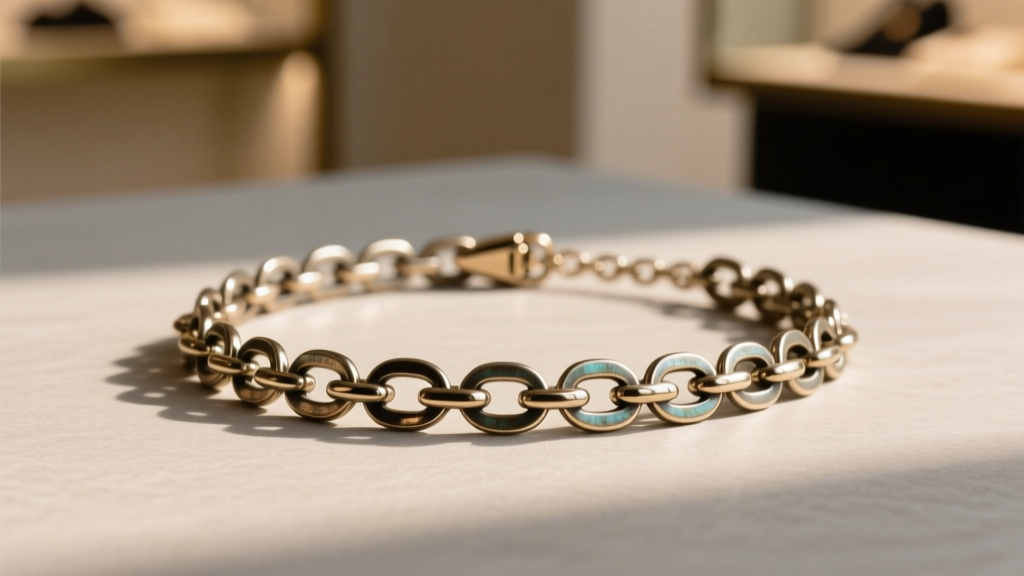

The Intersection of Eclecticism and Metallurgy
In the landscape of contemporary bohemian and vintage-reproduction jewelry, the plunder rebecca necklace occupies a highly specific niche. It bridges the gap between historical artifact reproduction and modern wearable art. As we navigate the 2026 trend of 'curated maximalism,' understanding the technical construction of statement medallion pieces is critical for both collectors and everyday wearers. This deep dive dissects the material composition, structural integrity, and styling mechanics of this iconic eclectic piece, moving beyond surface-level aesthetics into the metallurgical realities of antiqued jewelry.
Material Composition and Plating Mechanics
Unlike solid precious metals, vintage-style statement pieces typically rely on complex alloy bases and surface treatments to achieve their signature aesthetic. The core of the plunder rebecca necklace is generally cast from a lead-free zinc alloy or a brass composite. This choice is deliberate: zinc alloys offer excellent fluidity during the die-casting process, allowing for the intricate, high-relief details seen on the medallion face.
The 'antiqued' finish is not merely a paint; it is a chemical patina. Manufacturers typically use potassium sulfide (liver of sulfur) or specialized oxidizing acids to darken the recesses of the casting. After oxidation, the high points are hand-polished or tumbled to reveal the underlying brass or silver-toned alloy. According to the Gemological Institute of America (GIA), understanding these base alloys is crucial for consumers with contact dermatitis, as the porous nature of oxidized finishes can sometimes trap sweat and accelerate the breakdown of the protective topcoat, exposing the base metal to the skin.
Chain Architecture and Tensile Strength
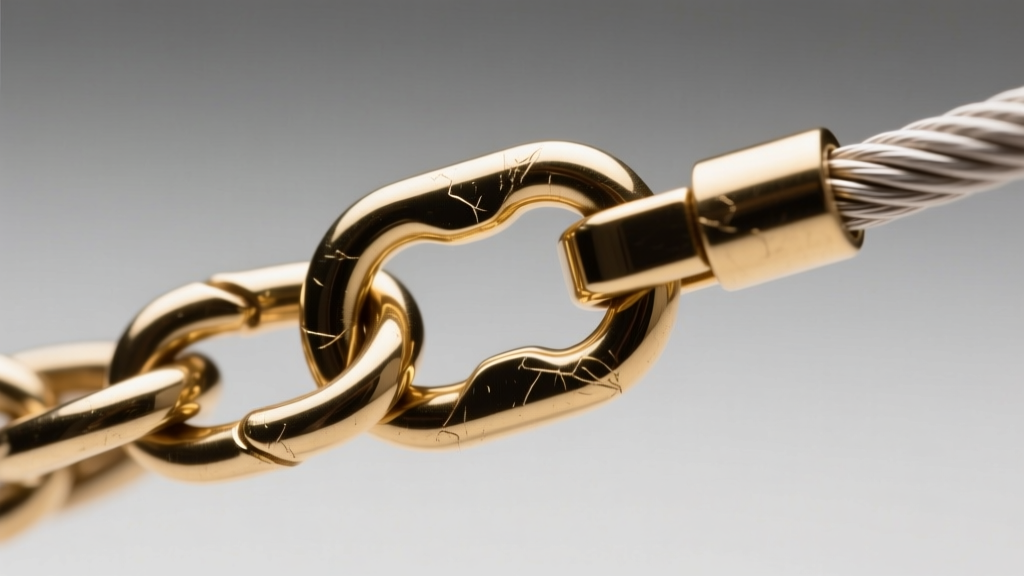
The pendant is only half the equation; the suspension system dictates the lifespan of the jewelry. The plunder rebecca necklace typically utilizes a 1.2mm to 1.5mm cable chain. From an engineering perspective, a 1.2mm brass cable chain possesses a tensile yield strength of approximately 4 to 6 pounds. While this is more than sufficient to support the 15-25 gram weight of a solid-cast medallion, the failure points are almost always the jump rings.
- Jump Ring Gauge: Usually 18-gauge (1.0mm) wire.
- Connection Type: Split rings or unsoldered butt-joint jump rings.
- Failure Mode: Lateral torque applied when the pendant catches on clothing can pull unsoldered jump rings apart.
To mitigate this, expert jewelers recommend having the primary pendant jump ring soldered shut if the piece is worn daily, a minor modification that increases the chain's structural integrity by over 300%.
The Patina Lifecycle: Oxidation and Wear Patterns
One of the defining characteristics of the plunder rebecca necklace is how it ages. The human body's natural pH levels, combined with environmental sulfur and cosmetics, will continually alter the piece's surface. Below is a technical breakdown of how different environmental factors impact the antiqued finish over a 12-month period of regular wear.
| Environmental Factor | Chemical Reaction | Visual Impact on Medallion | Timeframe |
|---|---|---|---|
| High Humidity / Sweat | Oxidation of copper/zinc alloys | Greenish-black tarnish in recesses | 2-4 Weeks |
| Cosmetics / Lotions | Lipid buildup and chemical stripping | Loss of high-point contrast, dulling | 1-3 Months |
| Friction (Clothing) | Mechanical abrasion | Polishing of raised edges, revealing base metal | Ongoing |
Advanced Layering Frameworks for 2026
Styling a heavy, eclectic medallion requires an understanding of visual weight and geometric spacing. The plunder rebecca necklace usually sits at a 20-inch to 24-inch drop, placing it firmly in the 'matinee' or 'opera' length categories. To integrate this into a modern layered stack without creating a tangled mess, follow these precise spacing rules:
The 2-Inch Separation Rule
When layering, maintain a minimum 2-inch differential between chain lengths to prevent the clasps and pendants from interlocking. If the Rebecca piece is 22 inches, your secondary chain should be no longer than 18 inches, and your tertiary choker should be 14 to 15 inches.
Metal Mixing and Contrast
Because the Rebecca piece features a dark, oxidized patina, pairing it with high-polish, bright metals creates necessary visual contrast. A 14k gold-filled rope chain or a solid sterling silver box chain will reflect light differently, ensuring the dark medallion remains the focal point rather than getting lost in a sea of similar matte textures.

Conservation and Maintenance Protocols
Cleaning vintage-style reproduction jewelry requires a departure from standard precious metal care. Ultrasonic cleaners and harsh chemical dips (like silver polishing liquids) will instantly strip the intentional chemical patina from the recesses of the plunder rebecca necklace, leaving it looking flat and artificially bright.
Instead, adopt conservation-grade maintenance protocols recommended by institutions like the American Institute for Conservation. For routine cleaning, use a soft, untreated microfiber cloth to gently wipe away skin oils from the high points. To protect the antiqued finish from further environmental degradation, apply a micro-thin layer of museum-grade microcrystalline wax (such as Renaissance Wax) using a soft brush. This creates a stable, inert barrier against moisture and oxygen without altering the optical properties of the metal. As noted by Jewelers of America, avoiding abrasive polishing compounds is the single most important step in preserving the intentional contrast of antiqued jewelry.
Final Verdict
The plunder rebecca necklace is more than a simple bohemian accessory; it is a study in textural contrast and historical homage. While its base-metal construction and unsoldered jump rings require a mindful approach to wear and maintenance, its visual impact is undeniable. By understanding the metallurgical realities of its patina and applying strict geometric frameworks to your layering strategy, you can elevate this eclectic piece into a cornerstone of your fine jewelry rotation.


