Metal Guide for a Mens Cross Necklace With Thick Chain
Compare metals for a mens cross necklace with thick chain. Explore 316L steel, 14k gold, and titanium for durability, weight, and skin safety.

The Metallurgy of Heavy Jewelry
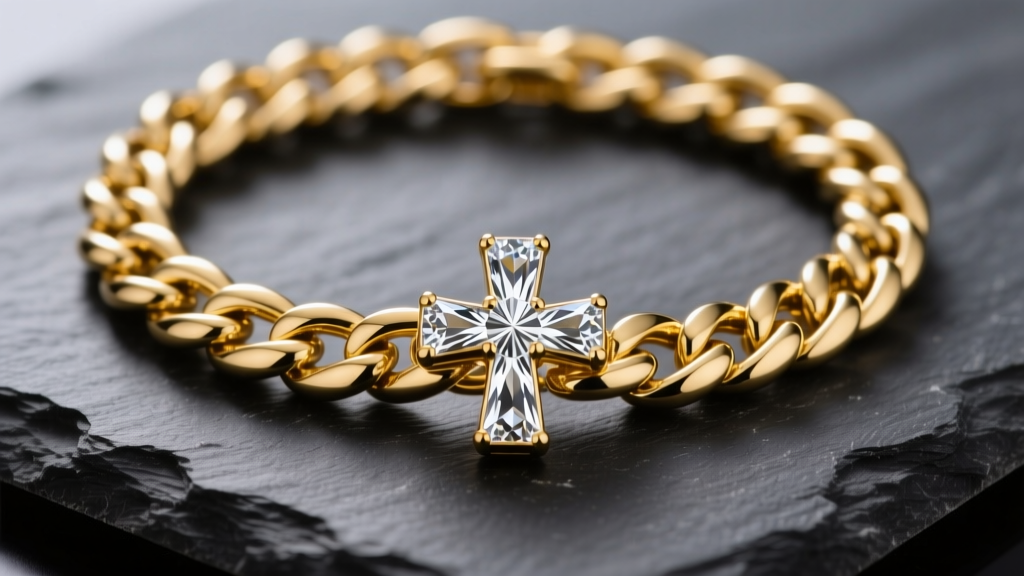
When selecting a mens cross necklace with thick chain, the primary consideration shifts from mere aesthetics to structural metallurgy. A thick chain (typically 6mm to 12mm in width) paired with a solid cross pendant introduces significant gravitational stress to the necklace's weakest points: the clasp, the jump rings, and the chain links themselves. Unlike delicate 1mm to 2mm chains that weigh mere grams, a heavy-duty Cuban link or rope chain combined with a solid metal cross can easily exceed 100 to 150 grams in total weight.
This extreme weight-to-surface-area ratio demands materials with high tensile strength, excellent corrosion resistance, and specific density profiles to ensure long-term wearability. According to fabrication standards outlined by Rio Grande, the alloy composition of your chosen metal will dictate not only the price but the structural failure rate of the piece over time. Below, we break down the exact material properties you need to consider before investing in a heavy chain and cross combination.
Material Breakdown: Pros, Cons, and Alloy Composition
316L Surgical Stainless Steel (The Workhorse)
316L stainless steel is the most common material for heavy, budget-friendly chains. The 'L' stands for low carbon, and the alloy includes molybdenum, which drastically increases resistance to pitting and corrosion from sweat and environmental chlorides.
- Density: 8.0 g/cm³ (Moderately heavy)
- Tensile Strength: ~485 MPa
- Pros: Highly scratch-resistant, virtually tarnish-free, and extremely affordable. A 10mm 316L Cuban chain with a solid cross pendant typically costs between $80 and $150.
- Cons: Contains trace amounts of nickel (8-10%), which can trigger contact dermatitis in highly sensitive individuals during prolonged, sweaty wear.
10K and 14K Solid Gold (The Heirloom Standard)
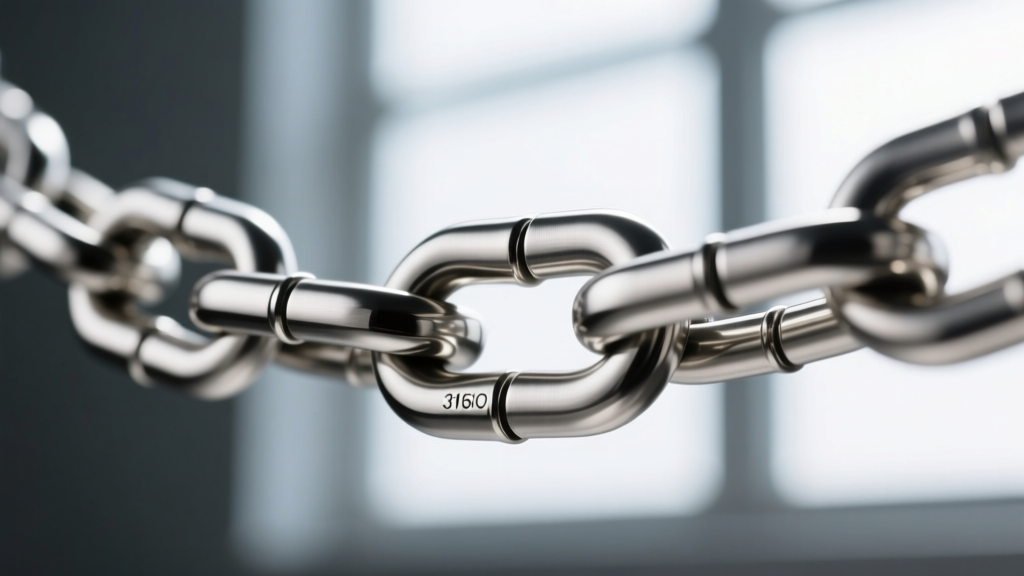
Pure 24K gold is far too soft (tensile strength of ~120 MPa) to support the weight of a thick chain; the links would stretch and deform under the pendant's gravity. Therefore, 10K (41.7% gold) and 14K (58.5% gold) are alloyed with copper, silver, and zinc to create a rigid lattice structure.
- Density: 11.5 to 13.5 g/cm³ (Very heavy)
- Tensile Strength: 300 to 500 MPa (depending on the exact alloy mix and work-hardening)
- Pros: Holds intrinsic melt value, does not oxidize or rust, and offers unmatched prestige. The Gemological Institute of America (GIA) notes that 14K gold provides the optimal balance of rich color and structural durability for heavy daily wear.
- Cons: Extreme cost and weight. A solid 10mm 14K gold chain with a matching cross can weigh over 150 grams, costing anywhere from $8,000 to $15,000+ depending on current spot gold prices. The sheer weight can cause neck fatigue.
Grade 5 Titanium (The Lightweight Titan)
Ti-6Al-4V (Grade 5 Titanium) is an aerospace-grade alloy that is revolutionizing heavy jewelry. It offers the tensile strength of steel at nearly half the weight.
- Density: 4.43 g/cm³ (Extremely light)
- Tensile Strength: ~900 MPa
- Pros: 100% hypoallergenic and biocompatible. A thick 10mm titanium chain and cross will weigh less than 60 grams, eliminating neck strain entirely while remaining virtually indestructible.
- Cons: Because of its extreme hardness and high melting point, titanium cannot be easily soldered or resized by traditional jewelers. If a link breaks, the entire chain often requires laser welding or replacement.
925 Sterling Silver (The High-Maintenance Classic)
Sterling silver is 92.5% pure silver and 7.5% copper. While beautiful, the copper content makes it highly reactive to sulfur and moisture.
- Density: 10.4 g/cm³ (Heavy)
- Tensile Strength: ~200 to 250 MPa
- Pros: Excellent thermal conductivity (feels cool to the touch) and a bright, reflective luster. More affordable than gold.
- Cons: Low tensile strength means thick silver chains are prone to link stretching if the pendant is too heavy. It also requires frequent polishing to remove silver sulfide (tarnish) buildup in the crevices of the chain links.
Comparative Data: Material Properties & Pricing
The following table provides a quick-reference matrix for a standard 24-inch, 8mm thick chain paired with a solid 35x50mm cross pendant.
| Material | Density (g/cm³) | Est. Total Weight | Tarnish Resistance | Avg. Price Range (USD) |
|---|---|---|---|---|
| 316L Steel | 8.0 | 85 - 95g | Excellent | $90 - $180 |
| Grade 5 Titanium | 4.43 | 45 - 55g | Perfect | $200 - $450 |
| 925 Silver | 10.4 | 110 - 125g | Poor | $400 - $900 |
| 10K Solid Gold | 11.5 | 120 - 135g | Excellent | $3,500 - $5,500 |
| 14K Solid Gold | 13.0 | 135 - 155g | Excellent | $6,000 - $11,000+ |
Critical Failure Modes: Clasps and Jump Rings
When wearing a mens cross necklace with thick chain, the chain links themselves rarely break. The failure almost always occurs at the connection points. Understanding these mechanical vulnerabilities is crucial for protecting your investment.
The Spring Ring Catastrophe
Never accept a spring ring clasp on any chain thicker than 4mm. Spring rings rely on a tiny internal steel spring that degrades over time. Under the 100g+ pull of a thick chain and heavy cross pendant, the internal spring will inevitably fail, dropping the necklace. Always demand a solid lobster clasp (minimum 15mm in length) or a box clasp with a figure-eight safety catch.
Jump Ring Integrity
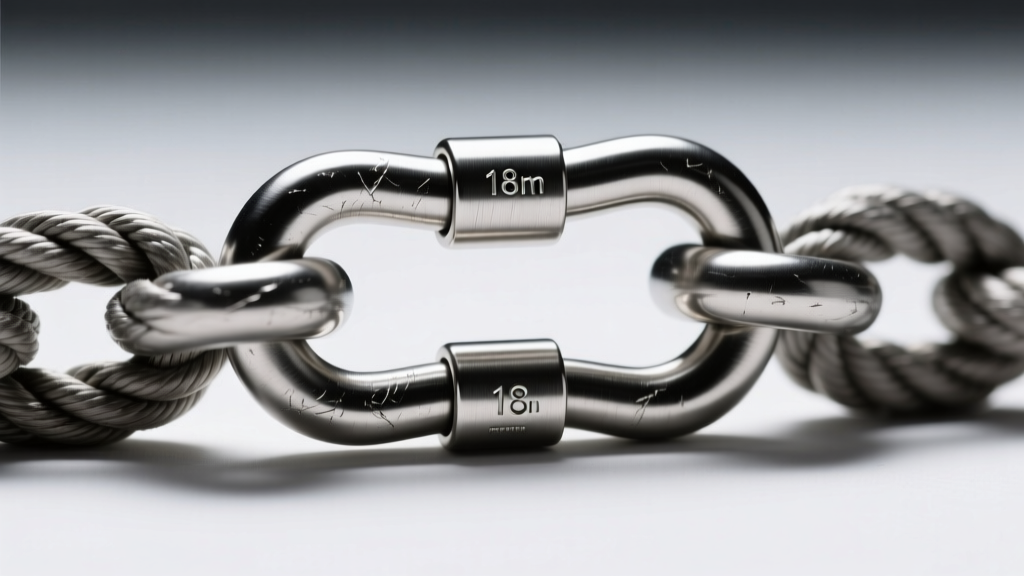
The jump ring is the small circular loop connecting the cross pendant to the chain, and the chain to the clasp.
Expert Rule of Thumb: On any chain over 6mm thick, all jump rings must be soldered closed or seamlessly welded. An open, unsoldered jump ring will slowly twist open under the pendulum-like swinging motion of a heavy cross pendant, eventually slipping through the chain link and causing you to lose the pendant.
Furthermore, the gauge (wire thickness) of the jump ring must match or exceed the gauge of the chain links. If your 8mm Cuban chain is made from 3mm thick wire, the jump ring holding the cross must also be forged from 3mm wire to prevent shear deformation.
Final Verdict: Which Metal Should You Choose?
Your choice of metal for a thick chain and cross necklace should be dictated by your lifestyle, budget, and skin chemistry.
If you want a heavy, imposing look for daily wear without worrying about scratching, tarnishing, or budget constraints, 316L stainless steel remains the undisputed champion of utility. However, if you suffer from metal allergies or find heavy chains cause cervical fatigue, upgrading to Grade 5 Titanium provides the exact same bold aesthetic at half the weight, with zero skin reactivity.
For those viewing the necklace as a generational wealth transfer or a milestone heirloom, 14K solid gold is the only acceptable choice. Just ensure you inspect the clasp mechanics and verify that the jeweler has laser-welded the jump rings to secure the heavy cross pendant permanently. By prioritizing metallurgical properties and mechanical hardware over simple visual appeal, your heavy chain will remain a staple of your wardrobe for decades.


