How to Clean and Maintain a Mens Hawaiian Necklace
Learn expert cleaning and maintenance tips for your mens Hawaiian necklace. Protect koa wood, sterling silver, and gold heirloom pieces from damage.

The Anatomy of Hawaiian Necklaces: Material Vulnerabilities
A mens Hawaiian necklace is rarely made from a single material. Authentic pieces are complex assemblies of organic woods, precious metals, and synthetic or natural fibers. Understanding the specific vulnerabilities of each component is the first step in preventing irreversible damage. In 2026, with the rise of ultra-fast fashion knockoffs, knowing how to care for genuine, high-grade Hawaiian jewelry is more critical than ever.
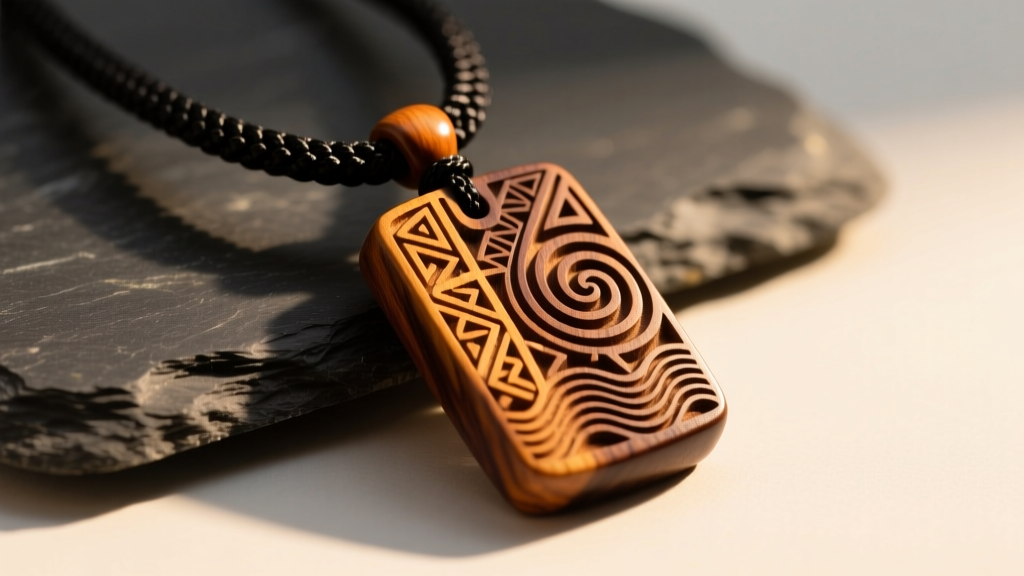
Genuine Hawaiian jewelry typically features Acacia koa wood, Hawaiian Heirloom bi-metal designs (sterling silver with 14k gold accents), carved bone or shell, and braided nylon or hemp cords. Each of these materials reacts differently to sweat, saltwater, UV exposure, and commercial cleaning agents. Treating a koa wood pendant with a silver polishing cloth, for example, will embed abrasive micro-particles into the wood grain, permanently dulling its natural chatoyancy.
Step-by-Step Cleaning Protocols by Material
To properly maintain your jewelry, you must disassemble the piece if possible, or carefully isolate the materials during cleaning. Below are the expert-approved protocols for the most common Hawaiian necklace components.
1. Koa Wood Pendants and Beads
Koa wood has a Janka hardness rating of 1,170 lbf, making it relatively hard for a wood, but it is still highly porous and susceptible to moisture warping. Human sweat contains lactic acid and urea, which slowly break down the polyurethane or oil finishes typically applied to Koa.
- Routine Cleaning: Wipe the wood daily with a dry, lint-free microfiber cloth to remove skin oils and dust.
- Deep Cleaning: If the wood looks dull or sticky, dampen a cloth slightly with distilled water and a drop of pH-neutral castile soap. Wipe gently and dry immediately. Never submerge Koa wood in water.
- Re-oiling: Every 6 to 12 months, apply a single drop of pure tung oil or food-grade mineral oil to a soft cloth and rub it into the wood. Let it sit for 15 minutes, then buff off the excess. Avoid walnut or linseed oils, as they can turn rancid over time.
2. Sterling Silver & Gold Hawaiian Heirloom Pieces
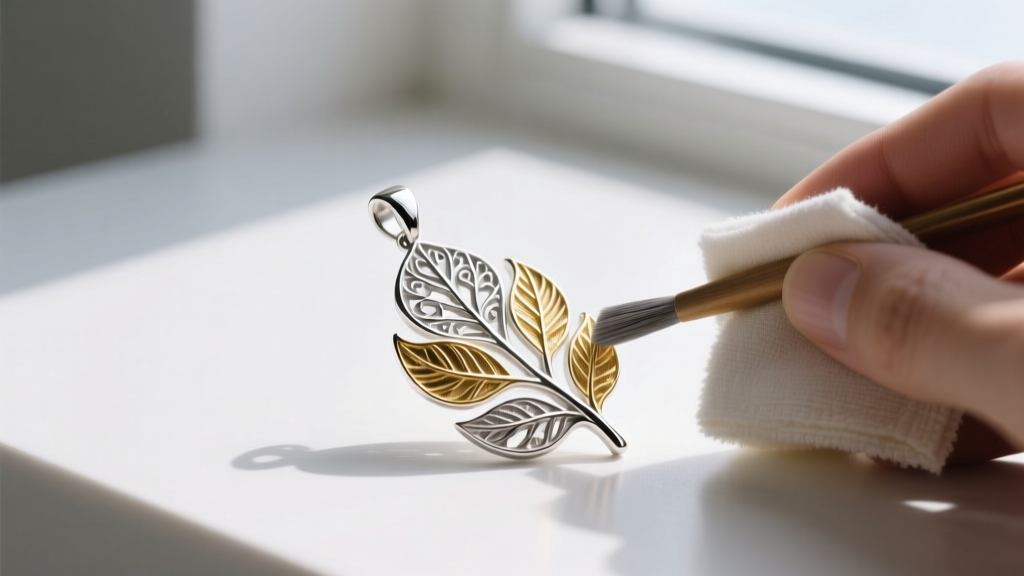
The iconic Maile leaf and Old English script designs of Hawaiian Heirloom jewelry often combine sterling silver with 14k or 18k gold borders. Many of these pieces also feature black vitreous enamel or niello in the engravings to create contrast.
Warning: Never use liquid silver dips or thiourea-based chemical cleaners on Hawaiian Heirloom jewelry. These harsh chemicals will permanently cloud the black enamel and can cause galvanic corrosion where the gold meets the silver. According to the Gemological Institute of America (GIA), bi-metal jewelry requires gentle, non-abrasive mechanical cleaning.
- The Solution: Mix warm distilled water with a few drops of phosphate-free dish soap.
- The Tool: Use an extra-soft baby toothbrush to gently agitate the soap into the engraved Maile leaf patterns.
- Drying: Rinse under lukewarm water and pat dry with a microfiber cloth. Use a hair dryer on the 'cool' setting to blow moisture out of the deep engravings.
3. Braided Nylon and Natural Fiber Cords
The cord is the structural backbone of a mens Hawaiian necklace. Surfer-style necklaces often use braided nylon with a sliding square knot, while traditional pieces may use natural hemp or cotton.
- Nylon Cords: Saltwater crystallizes inside nylon fibers, causing them to become brittle and eventually snap. Wash nylon cords monthly in a bowl of warm water with a pinch of baking soda to neutralize salt and acids. Rinse thoroughly and air dry.
- Natural Fibers: Hemp and cotton are prone to rot if trapped in humid environments. Spot clean only with a damp cloth and allow to dry completely in direct sunlight to kill bacteria.
The Hawaii Climate Factor: Humidity and Salt Air
If you live in or frequently visit Hawaii, the microclimate poses unique threats to your jewelry. The combination of high ambient humidity (often exceeding 70%) and salt-laden trade winds accelerates silver tarnishing and promotes fungal growth on organic materials like bone and wood.
"In coastal environments, silver sulfide tarnish can form on sterling silver in a matter of days. The salt acts as an electrolyte, dramatically speeding up the oxidation process. Storing bi-metal Hawaiian jewelry in an airtight environment with anti-tarnish strips is non-negotiable for island residents."
To combat this, keep a dedicated dehumidifier in the room where you store your jewelry, and never leave your necklace on a bathroom counter where steam from showers will rapidly degrade the metal and wood finishes.
Maintenance Schedule and Storage Matrix
Consistent maintenance prevents the need for aggressive restoration. Use the following matrix to establish a care routine for your specific necklace type.
| Material Component | Cleaning Frequency | Recommended Storage Method | Primary Threat |
|---|---|---|---|
| Koa Wood | Wipe daily; Oil bi-annually | Breathable cotton pouch | Lactic acid, prolonged moisture |
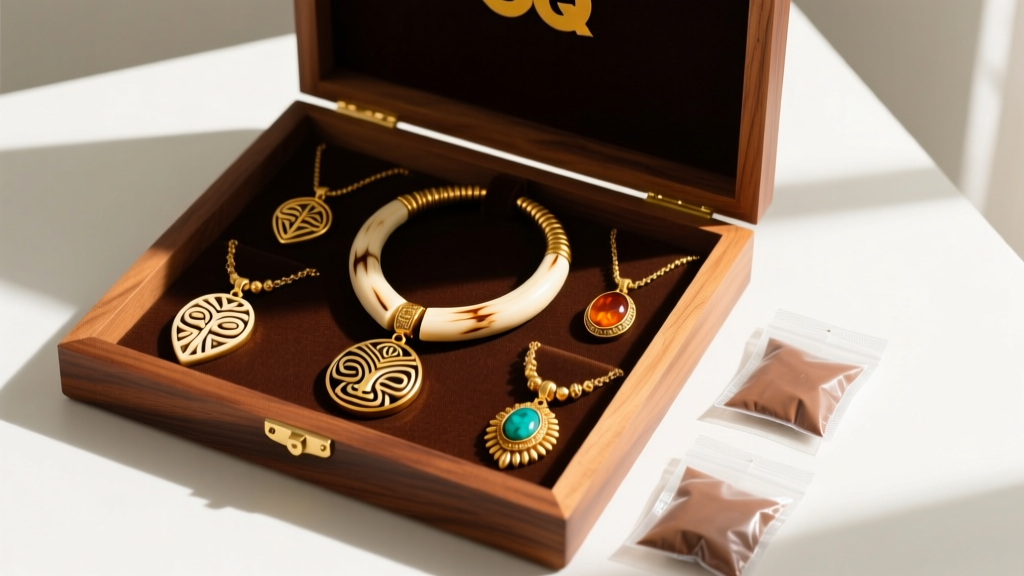
| Hawaiian Heirloom (Silver/Gold) | Wash monthly | Airtight bag with 3M anti-tarnish strips | Salt air, sulfur, chemical dips |
| Carved Bone/Shell | Wipe with damp cloth weekly | Open-air display or padded box | Drying out, cracking, UV fading |
| Braided Nylon Cord | Rinse monthly (if worn in ocean) | Hang loosely to prevent kinks | Salt crystallization, friction |
Common Mistakes That Destroy Hawaiian Jewelry
Even well-intentioned owners can ruin a valuable piece by relying on outdated or generic jewelry care advice. Avoid these critical errors:
- Using Ultrasonic Cleaners: While ultrasonic cleaners are great for plain diamond rings, the high-frequency vibrations can shatter carved bone, fracture Koa wood along its grain, and shake loose the gold inlays in Hawaiian Heirloom pieces.
- Applying Sunscreen and Bug Spray While Wearing: The chemicals in DEET and aerosol sunscreens will melt the polyurethane finish on Koa wood and leave a cloudy, white residue on sterling silver that requires professional polishing to remove.
- Pulling the Sliding Knot by the Cord: When adjusting the length of a surfer-style necklace, always grip the knot itself, not the thin cord extending from it. Pulling the cord creates micro-frictions that will fray the nylon over time.
When to Seek Professional Restoration
Some damage cannot be fixed at home. If your Koa wood pendant develops deep cracks, or if the black enamel in your Hawaiian Heirloom pendant begins to flake out of the engraving, it is time to consult a professional. According to Blue Nile's jewelry care guidelines, attempting to re-enamel or re-glue precious metal inlays without specialized lapidary equipment often results in permanent devaluation of the piece.
For heirloom pieces, seek out a jeweler who specializes in Hawaiian jewelry restoration, as they will have the specific vitreous enamel powders and gold-soldering techniques required to maintain the piece's historical and monetary integrity. By following these targeted maintenance protocols, your mens Hawaiian necklace will remain a pristine, wearable piece of culture for generations to come.


