How to Style a Silver Bolo Tie Necklace for Everyday Wear
Discover how to style a silver bolo tie necklace for any occasion. Learn about cord materials, slide types, and modern layering techniques.

Once relegated to the realm of traditional Western wear and vintage Americana, the bolo tie has experienced a massive renaissance in contemporary fashion. As we navigate the style landscape of 2026, the silver bolo tie necklace has fully transcended its regional roots, emerging as a versatile, gender-neutral staple for minimalists, bohemians, and avant-garde dressers alike. Whether you are looking to add a subtle metallic accent to a casual linen button-down or an elegant focal point to an evening gown, understanding how to select, adjust, and style this unique piece of jewelry is essential.
This beginner-friendly guide will break down the anatomy of the bolo tie, explore the best materials for longevity, and provide actionable styling frameworks to help you wear this accessory with confidence.
The Anatomy of a Silver Bolo Tie Necklace
Before diving into styling, it is crucial to understand the three main components that make up a bolo tie. Unlike standard chain necklaces, the bolo relies on friction and gravity to stay in place.
- The Slide (or Clasp): This is the decorative centerpiece. In high-quality pieces, the slide is crafted from .925 sterling silver and houses a friction mechanism—usually internal rubber grips or small metal prongs—that holds the cords in place.
- The Cord: The material that loops around the neck. While traditional bolo ties use braided leather, modern iterations feature silk, satin, or even delicate silver chains.
- The Aiglets (or Tips): The metal caps at the ends of the cord. These serve a dual purpose: they prevent the cord from fraying and add just enough weight to keep the ends hanging straight down. Look for solid sterling silver aiglets rather than hollow base-metal ones, which can dent easily and snag on clothing.
Choosing the Right Silver Grade and Cord Material
When shopping for a silver bolo tie necklace, the purity of the metal and the durability of the cord will dictate both the price and the lifespan of the piece. According to the Gemological Institute of America (GIA), .925 sterling silver is the industry standard for jewelry because pure .999 silver is too soft to hold the intricate shapes and friction mechanisms required for a bolo slide.
The cord material, however, is where you can customize the look to fit your personal aesthetic. Below is a comparison of the most common cord materials used in modern bolo ties.
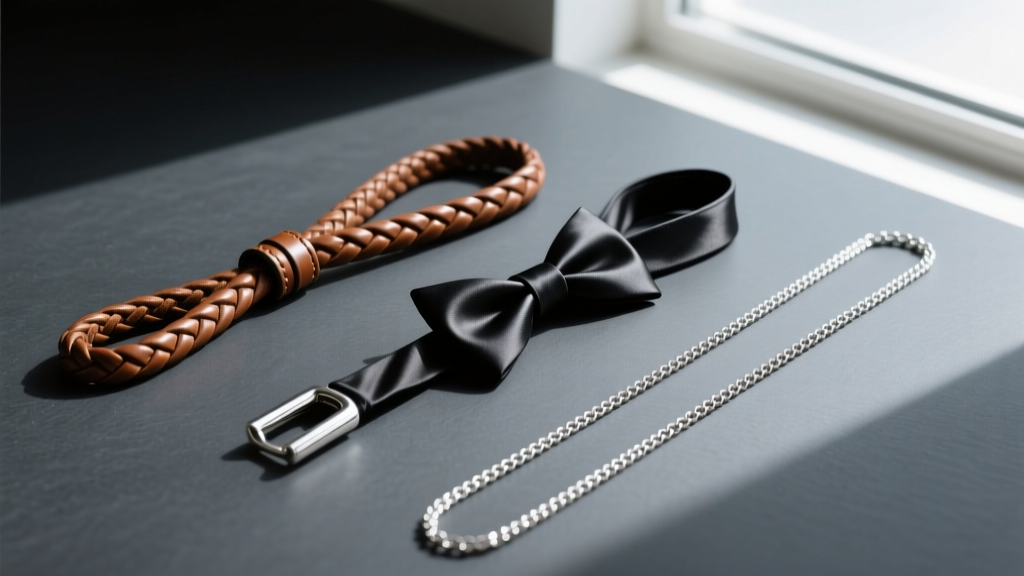
| Cord Material | Aesthetic Vibe | Durability & Care | Best Neckline Pairing |
|---|---|---|---|
| Braided Leather (3mm-4mm) | Rustic, Western, Heritage | Highly durable; avoid prolonged water exposure to prevent stiffness. | Denim jackets, flannel, casual tees |
| Black Silk / Satin | Elegant, Evening, Formal | Delicate; prone to fraying if the slide has sharp internal prongs. | V-neck blouses, silk camisoles, gowns |
| Sterling Silver Chain | Modern, Minimalist, Edgy | Very durable; requires occasional polishing to remove tarnish. | Crew necks, turtlenecks, layered looks |
How to Properly Adjust Your Bolo Tie
The most common mistake beginners make with a silver bolo tie necklace is damaging the cord during adjustment. The friction clasp is designed to move, but pulling it incorrectly can shred leather or snap silk.
Pro Tip: Never pull the cord at a sharp angle. To adjust the slide, gently pinch the base of the slide where the internal grip is located, tilt it slightly to release the tension, and slide it up or down while keeping the cord perfectly straight.
For a traditional look, position the slide near the collarbone. For a more relaxed, bohemian vibe, drop the slide down toward the sternum, allowing the silver aiglets to hang lower on your torso.
3 Modern Ways to Style a Silver Bolo Tie
The beauty of the bolo tie lies in its adjustability. Here are three distinct styling frameworks to maximize your wardrobe pairings.
1. The High Choker (The Modern Minimalist)
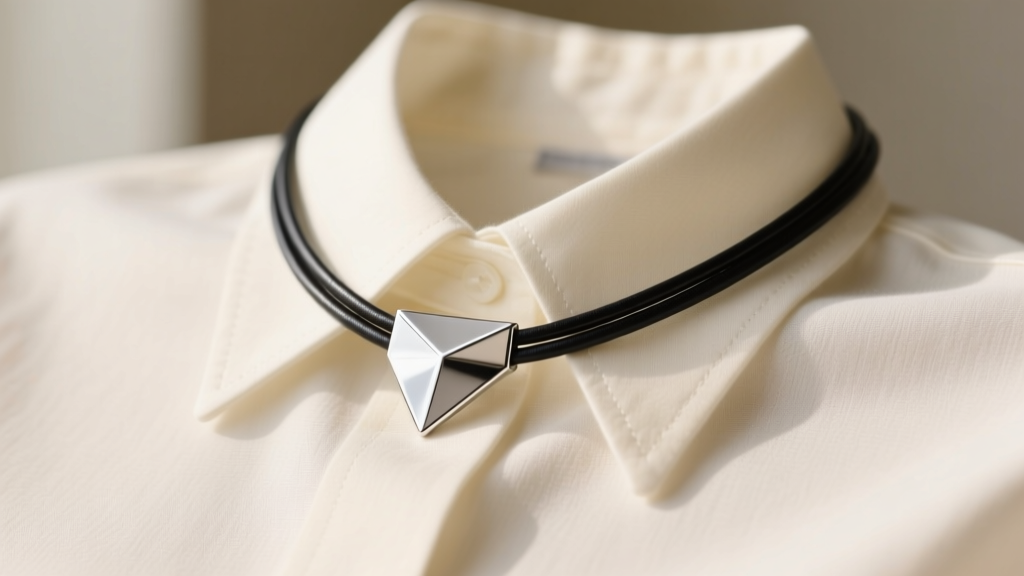
Slide the silver clasp all the way up to the base of your throat, mimicking a choker necklace. Let the two ends of the cord hang down the center of your chest, or tuck them inside your shirt for a clean, single-pendant look. This works exceptionally well with a crisp, oversized white button-down or a structured blazer. A geometric, high-polish sterling silver slide is ideal for this sleek aesthetic.
2. The Deep Plunge (The Evening Statement)
Pair a silk-corded silver bolo tie with a deep V-neck dress or a low-cut wrap top. Drop the slide down to the solar plexus. The elongated vertical line created by the cords and the silver tips draws the eye downward, creating a slimming, elegant silhouette. Opt for a slide featuring intricate details, such as oxidized silver filigree or a subtle turquoise inlay, to catch the light.
3. The Reverse Drape (The Avant-Garde)
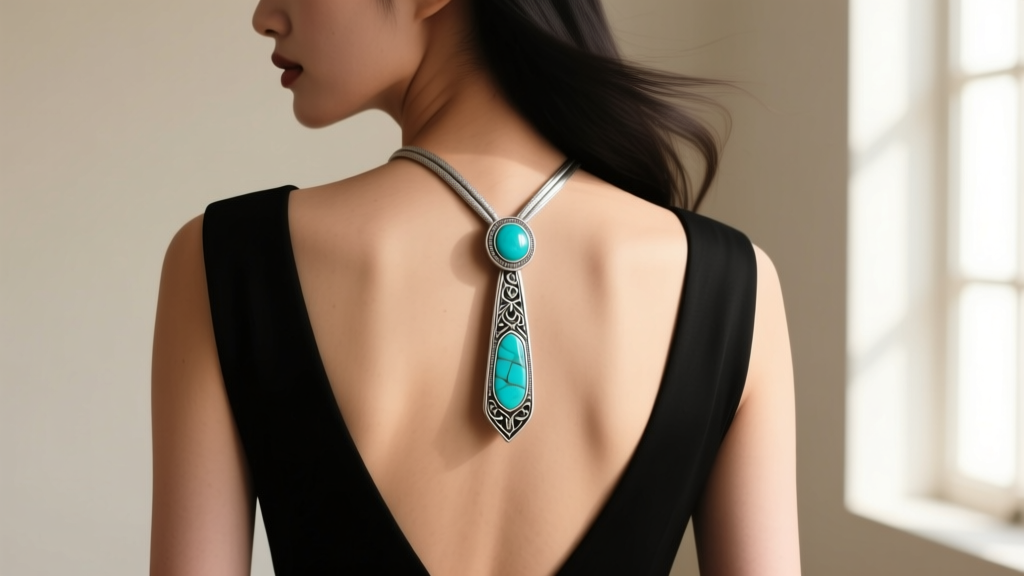
For a striking evening look, wear your silver bolo tie necklace backwards. Drape the cord around the front of your neck and let the slide and silver aiglets hang down your bare back. This is a phenomenal styling trick for backless dresses or halter tops, turning the functional clasp into a dramatic spinal accessory.
Pricing Tiers: What Should You Expect to Pay?
The market for silver bolo ties is vast, ranging from fast-fashion accessories to museum-quality artisan pieces. Understanding these tiers will help you budget accordingly and avoid overpaying for base metals.
- Mass Market & Fashion ($25 - $75): Often made with silver-plated brass and synthetic leather cords. The slides may lack a proper internal grip, relying on tight holes that eventually stretch out. Good for experimenting with the trend, but not built for longevity.
- Artisan & Contemporary Silversmiths ($120 - $350): Solid .925 sterling silver slides, often hand-cast or featuring genuine stone inlays (like lapis lazuli or turquoise). These come with high-quality braided leather or silk cords and secure rubber-grip clasps.
- Vintage & Native American Masterworks ($500 - $2,000+): Authentic, hallmarked pieces from renowned Navajo, Hopi, or Zuni silversmiths. These feature heavy-gauge silver, intricate stamp-work, and high-grade natural turquoise. They are considered wearable investments and collectible art.
Care and Maintenance for Longevity
To keep your silver bolo tie necklace looking pristine, you must care for both the metal and the cord. Silver naturally tarnishes when exposed to sulfur and moisture in the air. The Jewelers of America recommends storing sterling silver in anti-tarnish cloth pouches when not in use.
For the silver slide and aiglets, use a non-abrasive microfiber polishing cloth to gently buff away oxidation. Avoid liquid silver dips, especially if your slide features porous stones like turquoise or opal, as the harsh chemicals will ruin the stone's finish.
If your bolo tie features a leather cord, keep it away from perfumes, lotions, and excessive sweat, which can degrade the hide over time. Occasionally treating the leather with a tiny drop of specialized leather conditioner will keep it supple and prevent cracking. Silk and satin cords should be spot-cleaned with a damp cloth and mild detergent, taking care not to soak the internal friction mechanism of the slide, which could cause the metal components to rust or seize.
Final Thoughts on the Bolo Tie Renaissance
The silver bolo tie necklace is no longer just a novelty or a costume piece; it is a sophisticated, adjustable alternative to traditional pendants and chains. By understanding the mechanics of the friction slide, investing in solid .925 sterling silver, and experimenting with modern placement techniques, you can seamlessly integrate this historic accessory into your everyday 2026 wardrobe. Whether worn tightly as a choker or draped elegantly down the back, the bolo tie offers a level of sartorial versatility that very few other jewelry pieces can match.


