Michael Kors Necklaces: Material Properties & Plating Guide
Analyze the metallurgy, plating thickness, and stone simulants of Michael Kors necklaces to understand their true material value and longevity.

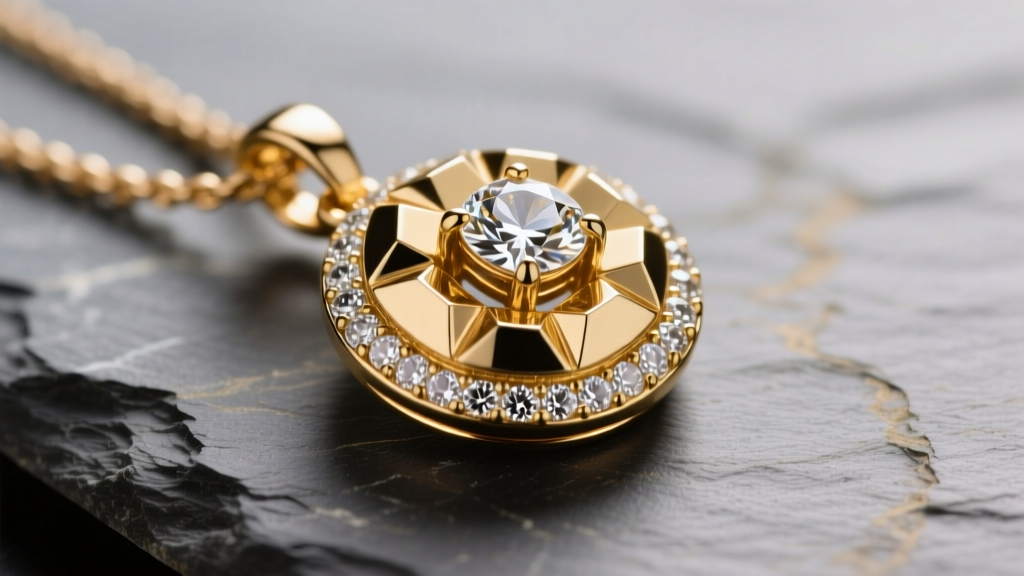
When investing in designer fashion jewelry, understanding the metallurgy and material science behind the pieces is crucial for managing expectations regarding longevity, tarnish resistance, and overall value. Michael Kors necklaces are iconic for their glamorous, trend-driven designs, but they primarily fall into the 'fashion jewelry' category rather than 'fine jewelry.' This means they rely on base metals, electroplating, and stone simulants rather than solid precious metals and natural diamonds. In this comprehensive guide, we break down the exact material properties, plating thicknesses, and structural mechanics of Michael Kors necklaces to help you make informed purchasing and care decisions.
The Metallurgy of Fashion: Base Metals in Michael Kors Necklaces
The foundation of any necklace dictates its weight, malleability, and susceptibility to corrosion. Michael Kors predominantly utilizes two base metals for their necklace pendants and chains:
1. Jewelers Brass (CuZn Alloys)
The vast majority of Michael Kors pendants are cast from jewelers brass, typically a 70/30 or 60/40 copper-zinc alloy. Brass is chosen for its excellent casting properties, allowing for the intricate, detailed logo hardware and pavé settings the brand is known for. With a density of roughly 8.4 to 8.7 g/cm³, brass provides a satisfying, heavyweight 'drape' that mimics the feel of solid gold (which has a much higher density of 19.3 g/cm³, but is rarely used in solid form for large fashion pendants due to cost). However, brass is highly reactive to oxygen and sulfur, meaning it will rapidly oxidize and turn green if the protective plating layer is compromised.
2. 316L Stainless Steel
For heavier, more industrial designs—particularly in their men's collections or chunky chain necklaces—Michael Kors occasionally employs 316L surgical stainless steel. This iron-chromium-nickel alloy offers vastly superior tensile strength and inherent corrosion resistance compared to brass. While it cannot be cast with the same microscopic detail as brass, it provides a highly durable base that resists bending and snapping under tension.
Plating Thickness and Tarnish Resistance
The most critical factor in the lifespan of Michael Kors necklaces is the plating. The brand's 'gold-tone' and 'silver-tone' finishes are achieved through electroplating. According to the Federal Trade Commission (FTC) Jewelry Guides, terms like 'gold electroplate' require a minimum thickness, but fashion jewelry often utilizes 'flash plating' to keep retail prices between $75 and $250.
Understanding Micron Thickness
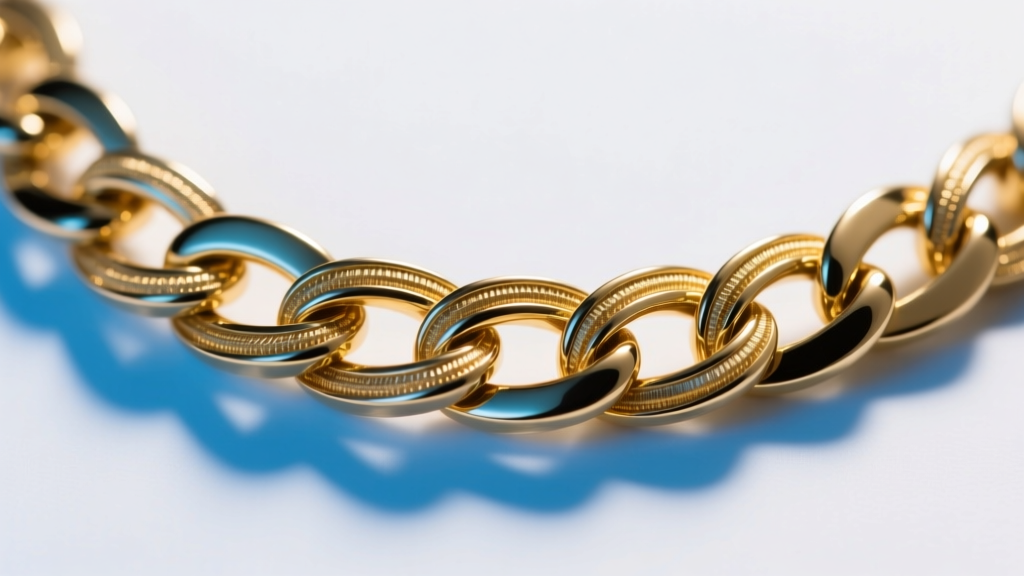
Flash plating typically deposits a gold layer of 0.1 to 0.5 microns. By comparison, 'heavy gold electroplate' (often found in demi-fine jewelry) requires a minimum of 2.5 microns. Because the plating on fashion jewelry is microscopically thin, the friction from daily wear, combined with the acidity of human skin, will eventually wear through the gold layer, exposing the reactive brass underneath.
To prevent immediate tarnishing and skin discoloration, reputable fashion brands apply a barrier layer—usually palladium or a nickel-free alloy—between the brass and the final gold-tone finish. This complies with regulations like the EU Nickel Directive, ensuring the jewelry is hypoallergenic as long as the plating remains intact.
| Plating Type | Thickness (Microns) | Expected Lifespan (Daily Wear) | Common in MK Necklaces? |
|---|---|---|---|
| Flash Plating | 0.1 - 0.5 µm | 6 - 12 Months | Yes (Standard) |
| Gold Electroplate | 0.5 - 1.0 µm | 1 - 2 Years | Yes (Premium Lines) |
| Heavy Gold Plate | 2.5+ µm | 3 - 5+ Years | No (Demi-Fine Brands) |
| Gold Vermeil | 2.5+ µm (over Silver) | 5 - 10 Years | No |
Simulants vs. Naturals: Crystal and Stone Properties
Michael Kors necklaces frequently feature high-shine pavé and center stones. These are never natural diamonds; they are carefully selected simulants chosen for their refractive index (RI) and hardness on the Mohs scale.
Cubic Zirconia (CZ)
For pieces requiring maximum brilliance, the brand uses Cubic Zirconia. According to the Gemological Institute of America (GIA), CZ has a Mohs hardness of 8 to 8.5, making it highly resistant to scratching from daily environmental dust (which contains quartz, Mohs 7). With a refractive index of 2.15 (close to a diamond's 2.42), CZ provides the sharp, fiery sparkle seen in the brand's signature logo pendants.
Lead-Free Glass Crystals
For colored stones or specific vintage-inspired cuts, Michael Kors utilizes precision-cut glass crystals. Glass sits at a Mohs 5.5 to 6. While it can be manufactured with a high refractive index (up to 1.7 with barium or zinc additives), it is significantly softer than CZ. Over time, glass crystals in high-friction areas may develop micro-scratches, dulling their optical clarity.
Enamel Inlays
The brand's colorful logo medallions often feature enamel. In fashion jewelry, this is typically an epoxy-based resin rather than traditional vitreous (glass) enamel. Epoxy enamel has a Mohs hardness of roughly 2 to 3, making it highly susceptible to scratching and chemical degradation from perfumes and lotions.
Expert Insight: Never apply perfume, hairspray, or lotions directly onto a necklace featuring epoxy enamel or glass crystals. The alcohol and volatile organic compounds (VOCs) in these cosmetics can cloud the glass and soften the epoxy resin, leading to permanent dullness or pitting.
Chain Mechanics and Clasp Durability
The structural integrity of a necklace relies heavily on its chain and clasp. Michael Kors typically utilizes cable, curb, or box chains ranging from 0.8mm to 1.5mm in thickness.
Tensile Strength and Failure Points
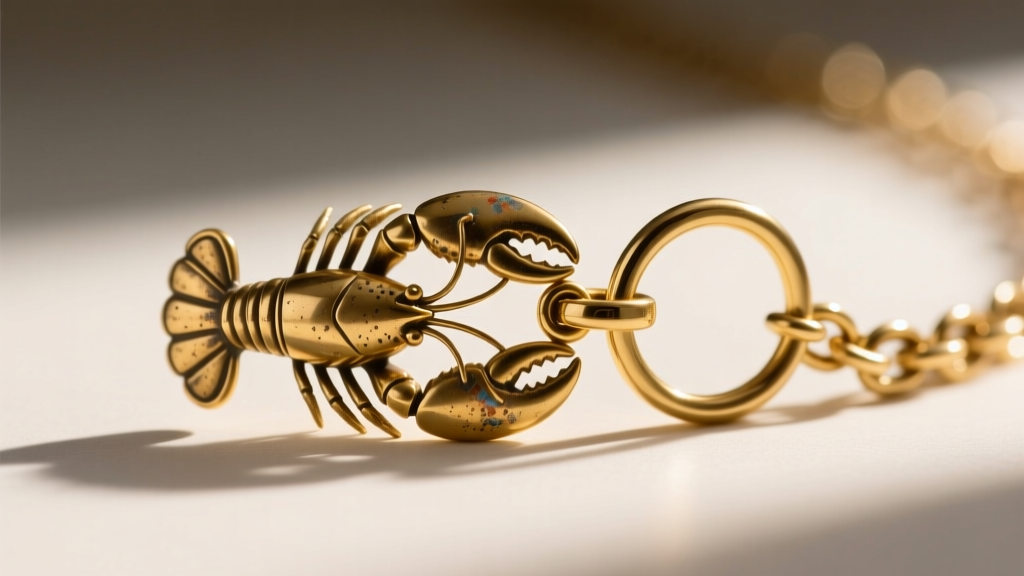
A 1.0mm brass cable chain has a tensile strength of roughly 3 to 5 pounds. While this is sufficient to hold a lightweight pendant, it will easily snap if caught on clothing. The most common failure point in fashion jewelry is not the chain itself, but the jump ring connecting the clasp. Because brass is relatively soft, an improperly soldered or thin-gauge jump ring will pull apart under sudden tension. When inspecting a Michael Kors necklace, always check that the jump ring is fully closed and, ideally, soldered shut to prevent the loss of the pendant.
Michael Kors vs. Demi-Fine Alternatives
When shopping in the $100 to $250 range, consumers often weigh fashion jewelry against 'demi-fine' alternatives. Here is how the material properties compare:
- Base Metal: Michael Kors uses brass; demi-fine brands (like Mejuri or Gorjana) use 925 Sterling Silver.
- Plating: Michael Kors uses thin gold electroplate over brass; demi-fine uses Gold Vermeil (a legally required minimum of 2.5 microns of gold over sterling silver).
- Tarnish Profile: When MK plating wears off, the brass oxidizes green and can stain the skin. When Vermeil plating wears off, the underlying sterling silver tarnishes black but is easily polished and does not stain the skin green.
- Resale & Intrinsic Value: Brass and CZ have virtually zero intrinsic melt value. Sterling silver retains baseline commodity value.
Expert Care Protocols to Extend Plating Lifespan
If you choose to invest in Michael Kors necklaces for their design and brand prestige, implementing strict care protocols will significantly delay the inevitable wear of the flash plating.
1. Manage Skin pH and Moisture
Human sweat has a pH ranging from 4.5 to 7.0. Acidic sweat acts as a mild electrolyte, accelerating the galvanic corrosion of the thin gold layer. Always remove your necklace before exercising or engaging in activities that induce sweating.
2. The Microfiber Wipe-Down
After every wear, gently wipe the chain and pendant with a clean, dry microfiber cloth. This removes the invisible layer of sebum (skin oils), dead skin cells, and acidic salts that accumulate against the metal and slowly eat away at the plating.
3. Climate-Controlled Storage
Store the necklace in an airtight polyethylene ziplock bag along with an anti-tarnish tab (which absorbs atmospheric sulfur and hydrogen sulfide). Never store fashion jewelry in a humid bathroom environment, as moisture penetrates microscopic pores in the plating, causing the brass base to oxidize from the inside out, which leads to 'blistering' of the gold finish.
By understanding the exact material composition and mechanical limits of Michael Kors necklaces, you can appreciate them for what they are: expertly crafted, trend-forward fashion accessories that require mindful wear and meticulous care to maintain their brilliant finish.


