Buying a Million Dollar Necklace: 2026 Investment Guide
Discover what makes a million dollar necklace a sound investment. Our 2026 buyer's guide covers gemology, provenance, and auction strategies.

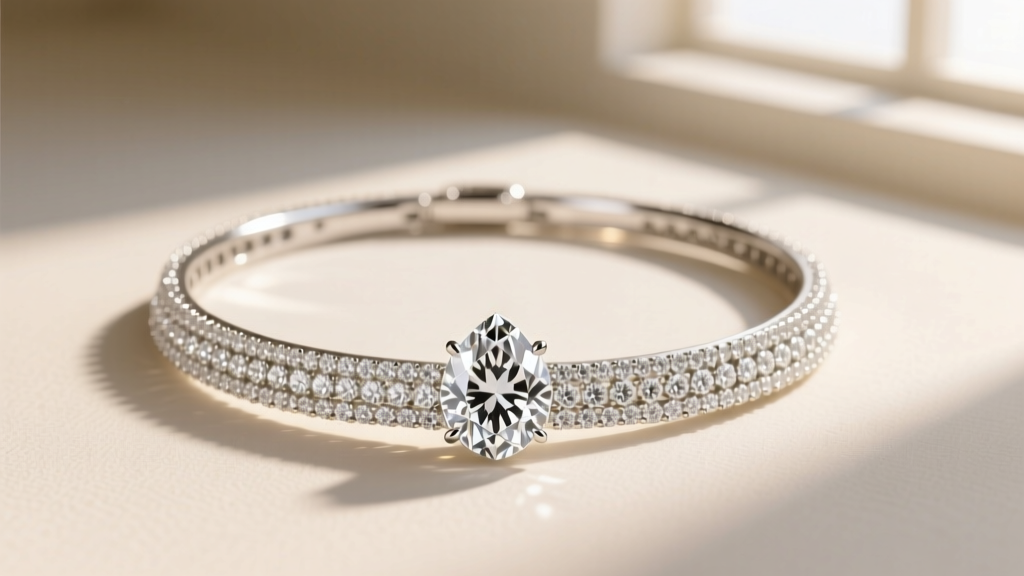
Acquiring a million dollar necklace is not merely a transaction; it is the culmination of rigorous gemological scrutiny, historical research, and market timing. In the upper echelons of the high jewelry market, pieces crossing the seven-figure threshold represent the absolute pinnacle of rarity and craftsmanship. As we navigate the 2026 high jewelry investment landscape, buyers must look beyond sheer carat weight and evaluate the intricate matrix of origin, provenance, and structural integrity that dictates long-term value retention.
The Anatomy of a Seven-Figure Necklace
What elevates a beautiful piece of jewelry to a million dollar necklace? The answer lies in a triad of factors: exceptional centerstones, prestigious maison signatures, and unbroken historical provenance. A necklace composed of 100 carats of commercial-grade diamonds will rarely breach the million-dollar mark. Conversely, a 15-carat internally flawless pink diamond pendant, or a historically significant jadeite collar, will shatter records. High-net-worth collectors and institutional investors view these pieces as alternative asset classes, often outperforming traditional equities during periods of inflation.
Gemological Criteria for High-Value Pendants and Collars
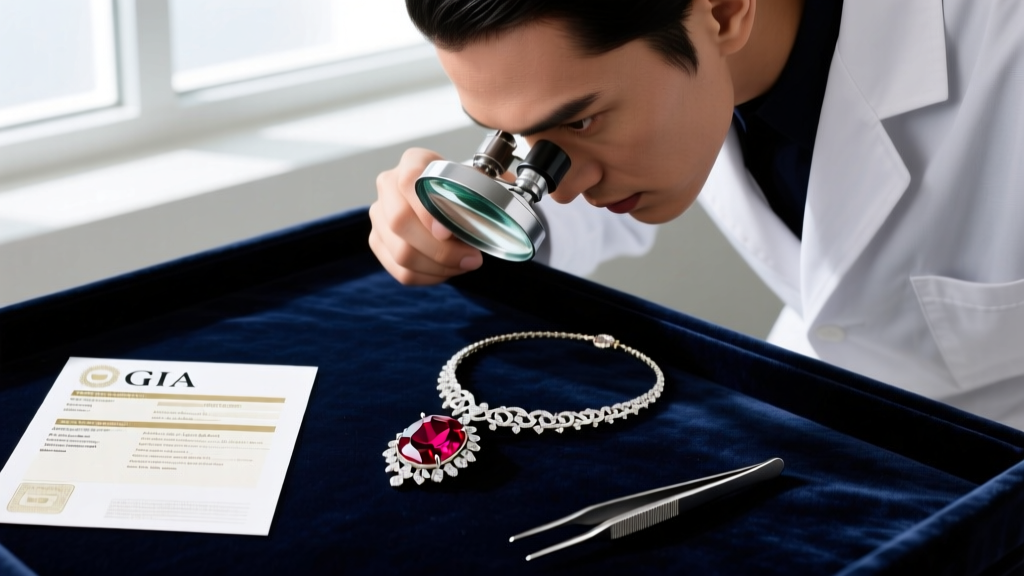
When evaluating stones intended for high jewelry investment, laboratory reports are your primary shield against overpayment. For diamonds, the Gemological Institute of America (GIA) remains the undisputed standard. However, at the million-dollar tier, a standard grading report is insufficient. Buyers must seek out Type IIa diamonds—stones that are chemically pure and structurally flawless, representing less than 2% of all gem-quality diamonds. A Type IIa, D-Color, Internally Flawless (IF) diamond commands a massive premium per carat.
For colored gemstones, the criteria shift dramatically toward origin and treatment. The Swiss laboratories SSEF (SSEF) and Gübelin are mandatory for authenticating elite colored stones. A million dollar necklace featuring rubies must boast unheated Burmese (Mogok) origin with 'pigeon's blood' saturation. For emeralds, Colombian origin (Muzo or Coscuez) with a 'no oil' or 'minor oil' designation is non-negotiable. Heavily oiled or fracture-filled emeralds, regardless of size, possess virtually no investment liquidity.
Key Gemological Thresholds for Investment
- Diamonds: Minimum 10.00 carats for pendants; D-F color, FL-VVS1 clarity, Excellent cut/symmetry.
- Rubies: Unheated, Mogok Valley origin, vivid red to pigeon's blood, minimum 5.00 carats.
- Emeralds: Colombian origin, no clarity enhancement (no oil), minimum 8.00 carats.
- Sapphires: Unheated Kashmir or Burmese origin, cornflower blue to royal blue, minimum 10.00 carats.
- Jadeite: Imperial green, Type A (untreated), high translucency, typically featured in bead collars.
The Provenance Premium: History vs. Hype
In the realm of ultra-high-net-worth jewelry, provenance is the invisible multiplier. A million dollar necklace with documented royal lineage, or one previously owned by a legendary figure like Elizabeth Taylor or Maria Félix, can see its hammer price increase by 30% to 50% compared to an identical piece with no history. Auction houses meticulously catalogue this lineage, and savvy buyers track the 'exhibition history' of a piece. Has the necklace been featured in a retrospective at the Grand Palais or the V&A Museum? Exhibition history provides an institutional validation of the piece's artistic merit, insulating its value against fleeting market trends.
"In high jewelry, you are not just buying the stones; you are acquiring a physical artifact of history. Provenance transforms a beautiful object into a cultural treasure." — Director of International Jewelry, Global Auction House.
Evaluating Craftsmanship and Metalwork
A common pitfall for novice investors is focusing exclusively on the gemstones while ignoring the metalwork. A true million dollar necklace requires master-level articulation. The piece must drape fluidly against the clavicle without buckling or twisting. Look for platinum (950pt) settings; platinum's superior tensile strength and resistance to metal fatigue make it the only acceptable metal for securing multi-million-dollar centerstones.
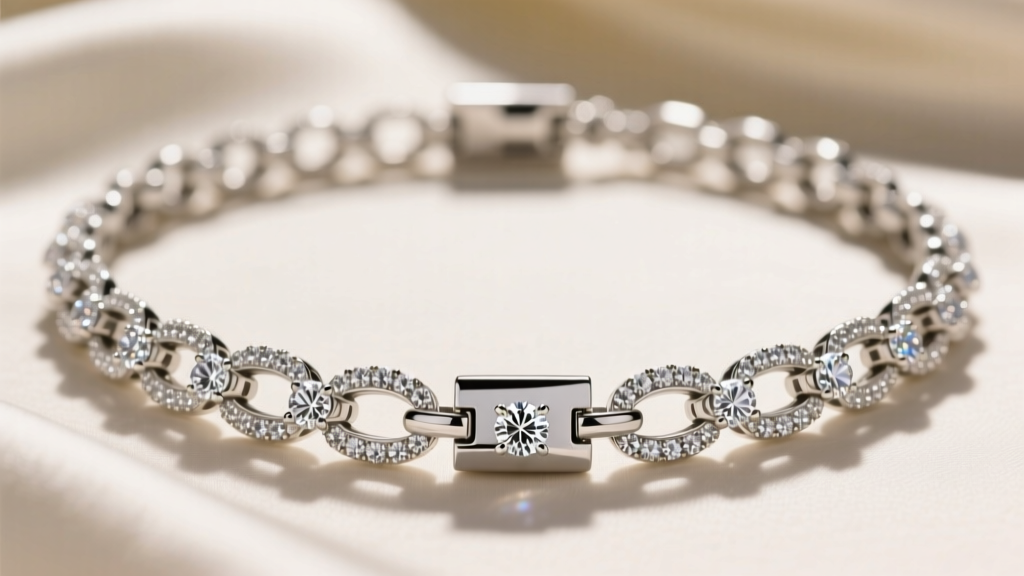
Inspect the clasp mechanism. High-value rivière necklaces and heavy collars must feature integrated, hidden box clasps with double safety catches. Examine the underside of the piece (the gallery). Elite maisons like Van Cleef & Arpels or Harry Winston will honeycomb the back of the metalwork to reduce weight while allowing maximum light penetration to the pavilions of the diamonds. If the back of the setting is solid, heavy, or shows rough polishing marks, the piece fails the craftsmanship test for its price bracket.
Where to Buy: Auction Houses vs. Private Dealers
Sourcing a million dollar necklace requires navigating highly exclusive channels. Each avenue offers distinct advantages regarding pricing transparency, buyer protections, and access to off-market inventory.
| Acquisition Channel | Pros | Cons | Estimated Buyer's Premium |
|---|---|---|---|
| Major Auction Houses (Christie's, Sotheby's) | Transparent bidding, vetted provenance, global liquidity. | High buyer's premium, emotional bidding wars, public record. | 20% - 25% |
| Private Treaty / Advisory | Confidentiality, negotiated pricing, no auction adrenaline. | Slower process, requires elite industry connections. | 5% - 10% (Advisory Fee) |
| Heritage Maisons (Direct) | Brand new, full warranty, bespoke customization options. | Highest retail markup, immediate depreciation upon purchase. | N/A (Retail Markup) |
For investors, purchasing via Christie's or Sotheby's private treaty departments often yields the best balance of authentication security and pricing discretion, avoiding the unpredictability of the live auction room.
Due Diligence Checklist Before the Hammer Falls
Before committing to a seven-figure purchase, execute this non-negotiable due diligence framework:
- Verify Original Lab Reports: Do not rely on photocopies. Cross-reference the report numbers directly on the GIA, SSEF, or Gübelin digital portals to ensure the physical stone matches the certificate.
- Condition Report Analysis: Request high-resolution UV and magnified photos. Look for chipped girdles, abraded facet junctions, or weakened prongs that will require immediate, costly restoration.
- Fluorescence Check: For colorless diamonds, strong blue fluorescence can cause a milky or hazy appearance in daylight, severely impacting value. Conversely, in Burmese rubies, strong UV fluorescence is highly desirable as it enhances the stone's red saturation in natural light.
- Independent Appraisal: Hire an independent, certified gemologist appraiser (unaffiliated with the seller) to provide a replacement value assessment for insurance purposes prior to finalizing the escrow transfer.
Acquiring a million dollar necklace in 2026 demands a synthesis of passion and clinical precision. By adhering to strict gemological standards, respecting the power of provenance, and executing meticulous due diligence, collectors can secure heirloom pieces that will appreciate in both financial value and historical significance for generations to come.


