Mini Shell Necklace Value Guide: 2026 Pricing & Quality Tiers
Discover the true value of a mini shell necklace in 2026. We break down pricing tiers, shell types, hardware grades, and how to spot overpriced fakes.

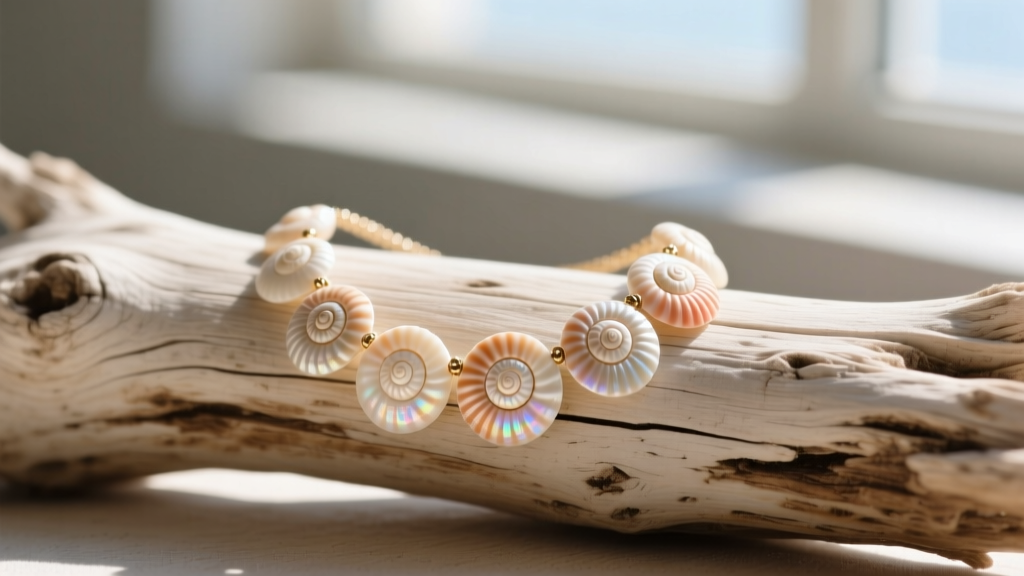
The Real Cost of Coastal Jewelry: Why Mini Shell Necklaces Vary So Wildly
The mini shell necklace has transcended its surf-culture roots to become a permanent staple in layered, everyday jewelry stacks. However, as demand has surged through 2025 and into 2026, the market has become heavily saturated with dropshipped imitations, misleading material claims, and inflated luxury markups. For the discerning buyer, evaluating the true budget and value of a mini shell necklace requires looking far beyond the aesthetic. It demands a forensic approach to bead anatomy, stringing tensile strength, and metallurgical hardware grades.
At Jewel Style Radar, we consistently see consumers pay premium artisan prices ($80+) for what is essentially mass-produced resin and base metal, while simultaneously overlooking mid-market pieces that offer genuine heirloom longevity. This comprehensive value assessment will equip you with the exact frameworks needed to audit a mini shell necklace before you click 'add to cart', ensuring your investment aligns with actual material worth.
Material Breakdown: Natural Puka vs. Heishi vs. Resin Imitations
The word 'puka' translates to 'hole' in Hawaiian, originally referring to the naturally occurring, ocean-tumbled apex of a cone shell that washes up on beaches. True, naturally formed mini puka beads are incredibly labor-intensive to harvest, making them inherently valuable. However, the modern jewelry market is flooded with manufactured alternatives that borrow the name without the provenance.
The Anatomy of the Bead and Visual Cues
To assess value, you must first identify the shell material. According to the Gemological Institute of America's (GIA) organic gem guidelines, genuine shell beads exhibit specific structural markers:
- True Ocean-Tumbled Puka: Asymmetrical, naturally rolled edges, varying bead diameters (usually 3mm to 6mm for mini styles), and an off-center, naturally formed hole. These command the highest market value.
- Cut Cone Shell (Commercial 'Puka'): The wider base of the cone shell is mechanically punched into uniform discs. The hole is perfectly centered, and the edges are sharp or uniformly tumbled. This is mid-tier value.
- Heishi Shell: Disc-shaped beads cut from larger shells like Mother of Pearl or Black Lip Oyster. High value if natural, but frequently dyed.
- Resin & Dyed Howlite: Perfectly uniform, lightweight, and often featuring painted-on 'growth lines'. The lowest tier, often deceptively marketed as natural.
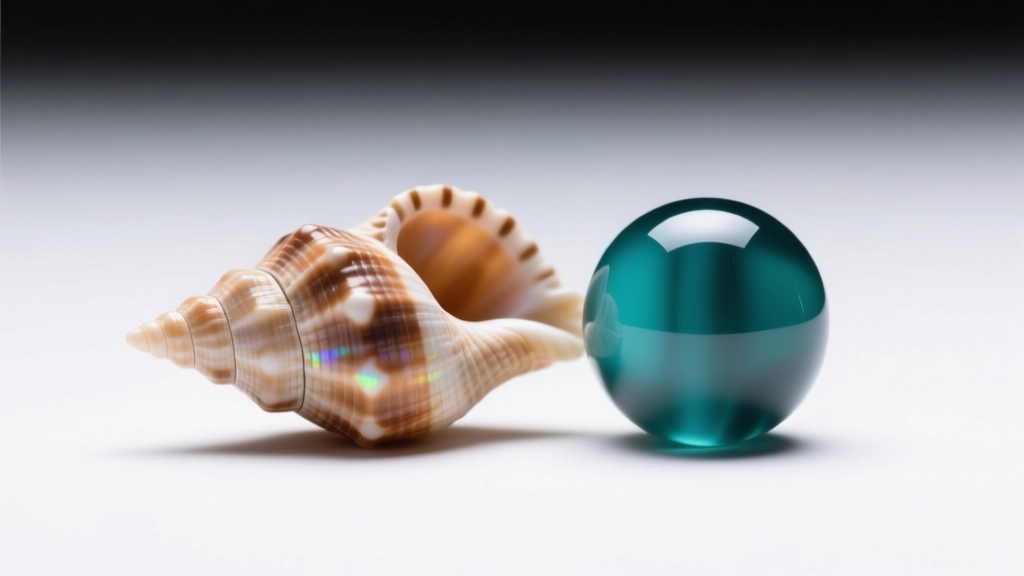
Pro-Tip for Buyers: Perform the 'temperature test'. Genuine calcium carbonate shells feel distinctly cool to the touch and take several seconds to warm up against the skin. Resin and plastic imitations will immediately match ambient room temperature. Furthermore, inspect the hole under a jeweler's loupe; drilled shell often shows micro-chipping at the entry and exit points, whereas molded resin will have perfectly smooth, seamless holes.
Hardware Matters: Clasp and Chain Grading
A mini shell necklace is only as valuable as its weakest structural link. The hardware dictates not only the baseline price but the functional lifespan of the piece. Saltwater, sweat, and sunscreen chemicals aggressively attack inferior metals. When assessing a piece, always check for definitive metal stamps (e.g., '925', '14K', 'GF'). The Jewelers of America emphasizes that proper metal stamping is a legal requirement for precious metals, serving as your first line of defense against counterfeit hardware.
| Metal Grade | Stamp / Mark | Estimated Hardware Value | Failure Mode & Longevity |
|---|---|---|---|
| Base Metal / Brass | None / 'Brass' | $0.50 - $2.00 | High. Will oxidize rapidly, turn skin green, and clasp springs will seize within 3-6 months of coastal wear. |
| Silver Plated | 'SP' or None | $1.50 - $4.00 | Medium. Plating wears off at the clasp friction points, exposing base metal core to sweat and salt. |
| 925 Sterling Silver | '925' | $8.00 - $18.00 | Low. May tarnish but easily polished. Excellent structural integrity for lobster clasps and jump rings. |
| 14K Gold-Filled (GF) | '1/20 14K GF' | $12.00 - $25.00 | Very Low. Thick mechanical bond of gold prevents corrosion; ideal for daily-wear shell necklaces. |
| Solid 14K / 18K Gold | '14K' / '585' | $60.00 - $150+ | None. Heirloom grade. Will not degrade, tarnish, or react to saltwater or UV exposure. |
2026 Market Pricing Tiers: What Should You Actually Pay?
Understanding the intersection of shell authenticity, stringing material, and hardware grade allows us to categorize the current market into three distinct value tiers. Use this framework to audit the pricing of any mini shell necklace you encounter.
Tier 1: Fast Fashion & Dropshipped ($8 - $22)
At this price point, you are paying for the aesthetic, not the materials. These necklaces typically feature uniform, machine-cut cone shell or dyed howlite beads strung on cheap elastic or thin cotton thread. The hardware is almost exclusively unplated brass or zinc alloy. Value Assessment: Poor. The elastic will dry-rot within a single summer season due to UV exposure and chemical reactions with avobenzone (a common sunscreen ingredient), leading to catastrophic strand failure.
Tier 2: Artisan & Mid-Market ($35 - $75)
This is the sweet spot for value-conscious buyers seeking genuine materials. Expect authentic cut cone shell or freshwater shell heishi, strung on high-tensile bonded nylon (like Griffin Silk Power) or 49-strand micro-wire. The hardware will reliably be 925 sterling silver or 14K gold-filled. Value Assessment: Excellent. You are paying for skilled labor (knotting or crimping) and materials that will withstand years of coastal and daily wear without degrading.
Tier 3: Fine Jewelry Hybrids ($95 - $300+)
Luxury brands and high-end independent jewelers occupy this tier. Here, you are paying for naturally ocean-tumbled, asymmetrical puka beads that have been hand-sorted for color consistency, paired with solid 14K or 18K gold hardware and diamond-cut accent beads. Value Assessment: Moderate to High. While the materials are undeniably premium, a significant portion of the cost is tied to brand prestige. Buy this tier for heirloom longevity and luxury stacking, but recognize the diminishing returns on pure material cost.
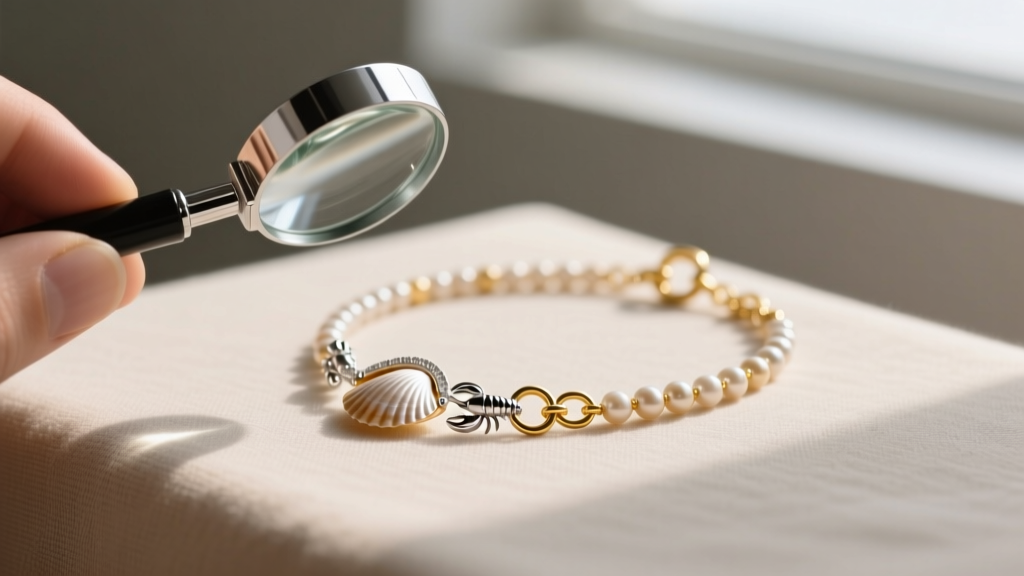
Longevity and Failure Modes: When Does the Value Drop to Zero?
A jewelry piece's value is intrinsically tied to its lifespan. When assessing a mini shell necklace, consider the hidden failure modes that rapidly depreciate its worth:
- UV Degradation of Dyed Shells: Many mid-market shells are chemically bleached and subsequently dyed to achieve vibrant blues, pinks, or blacks. Prolonged UV exposure breaks down these organic dyes, leaving the beads with a mottled, chalky appearance. Always ask the seller if the color is 'natural' or 'enhanced'.
- Galvanic Corrosion: If a necklace uses natural, unwashed shells (which retain microscopic sea salt) paired with base metal or copper-alloy clasps, the salt acts as an electrolyte. This triggers rapid galvanic corrosion, literally eating through the jump rings and causing the clasp to detach.
- Stringing Abrasion: Shells are composed of calcium carbonate and possess a Mohs hardness of roughly 3.0 to 4.0. However, the edges of the drilled holes can be microscopically sharp. If strung on standard silk thread without protective bead tips or French wire, the shell will eventually saw through the thread from the inside out. High-value pieces use 49-strand stainless steel micro-wire coated in nylon to prevent this internal abrasion.
Final Verdict: Maximizing Your Mini Shell Necklace Investment
The mini shell necklace remains a versatile, timeless layering piece, but its market is a minefield of inflated pricing and disguised plastics. To secure true value in 2026, aim squarely for the $40 to $75 mid-market tier. Demand transparency regarding the shell origin, insist on 925 sterling or gold-filled hardware, and verify that the stringing material is engineered for high-tensile, moisture-rich environments. By applying these rigorous material assessments, you transform a simple beach accessory into a durable, high-value component of your permanent jewelry wardrobe.


