Minimalist Silver Necklace Materials: Sterling vs Argentium
Compare sterling, Argentium, and fine silver for your minimalist silver necklace. Learn about tarnish resistance, durability, and alloy grades.

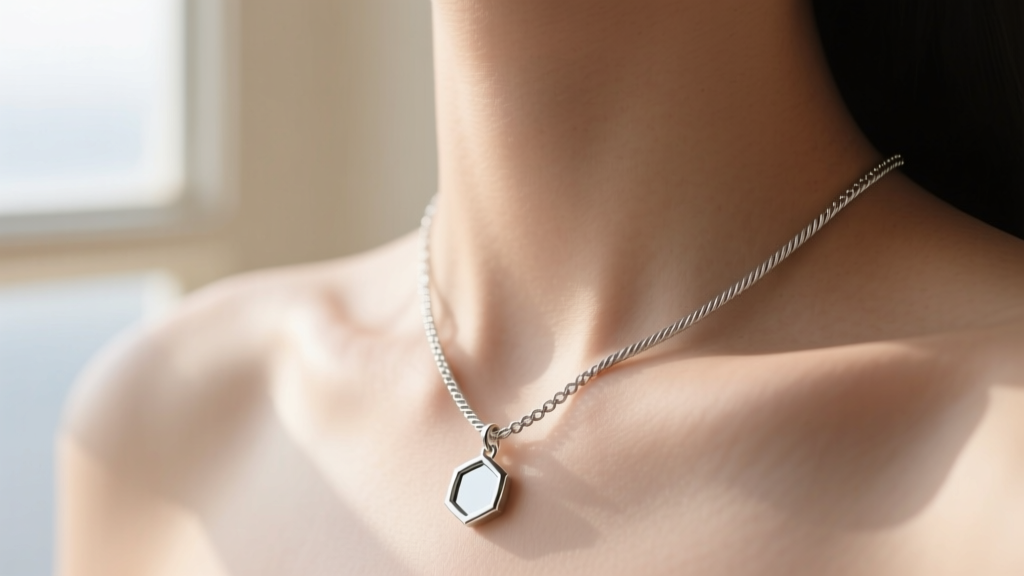
When selecting a minimalist silver necklace, the design philosophy is rooted in subtlety and precision. Because minimalist jewelry relies on ultra-thin chains, delicate geometric pendants, and unembellished surfaces, there is nowhere for poor craftsmanship or inferior materials to hide. Every micro-scratch, tarnish spot, and structural weakness is magnified. Therefore, understanding the metallurgical properties of silver alloys is not just an academic exercise; it is the cornerstone of making a purchase that will endure daily wear without losing its refined aesthetic.
In this comprehensive material comparison, we dissect the exact alloy compositions, tensile strengths, and environmental failure modes of the most common silver grades used in contemporary minimalist jewelry. Whether you are investing in a barely-there cable chain or a sleek, solid bar pendant, this guide will equip you with the technical knowledge required to choose the perfect metal.
The Anatomy of a Minimalist Silver Necklace
Minimalist necklaces typically feature chain widths ranging from 0.8mm to 1.5mm and pendants that rarely exceed 15mm in diameter. This deliberate reduction in metal volume means the structural integrity of the alloy is pushed to its absolute limits. A thick, ornate statement piece can easily survive being crafted from a softer, lower-grade metal because the sheer mass of the jewelry absorbs physical impacts. A 0.9mm thread-like chain, however, requires an alloy with high tensile strength and optimal work-hardening capabilities.
Furthermore, the optical properties of minimalist designs demand a pristine surface finish. Without intricate filigree or heavy gemstone settings to distract the eye, the reflectivity and color of the silver itself become the primary visual focus. This makes the choice of alloy—and its resistance to oxidation and sulfur-induced tarnishing—the most critical factor in your purchasing decision.
Silver Alloys Compared: Sterling, Argentium, and Fine Silver
Pure silver is rarely used in functional jewelry due to its extreme malleability. To create durable minimalist pieces, silversmiths alloy pure silver with other metals. Here is how the three primary grades compare in real-world applications.
Fine Silver (.999)
Fine silver consists of 99.9% pure silver. While it boasts the highest luster and is completely hypoallergenic, its Vickers hardness rating sits at a mere 25 HV. For a minimalist necklace, fine silver is generally a poor choice for chains, as the thin links will easily stretch, deform, and eventually snap under the minor tension of daily movement. It is occasionally used for small, bezel-set pendants where structural stress is minimal, but it should be avoided for chain construction.
Sterling Silver (.925)
The undisputed industry standard, sterling silver is composed of 92.5% pure silver and 7.5% copper. The addition of copper dramatically increases the Vickers hardness to approximately 65 HV, providing the necessary tensile strength for delicate 18-gauge and 20-gauge chains. However, copper is highly reactive. When exposed to oxygen, moisture, and sulfur compounds in the air, the copper atoms oxidize, resulting in the familiar blackish-brown tarnish that plagues traditional silver jewelry. According to the Gemological Institute of America (GIA), regular polishing is required to maintain the bright white finish of sterling silver.
Argentium Silver (.935 and .960)
Developed in the 1990s, Argentium silver replaces a portion of the copper alloy with the metalloid germanium. This seemingly minor metallurgical shift yields extraordinary results. The germanium forms a transparent, self-healing oxide layer on the surface of the metal, making Argentium up to seven times more resistant to tarnish than traditional sterling silver. With a hardness rating of 70 HV to 85 HV (depending on heat treatment), it is exceptionally durable for minimalist chains and boasts a naturally whiter, brighter hue that more closely mimics platinum.
Material Properties and Pricing Matrix
To help you evaluate the cost-to-performance ratio of your minimalist silver necklace, refer to the technical comparison table below.
| Alloy Grade | Purity | Vickers Hardness (HV) | Tarnish Resistance | Avg. Price Premium |
|---|---|---|---|---|
| Fine Silver | 99.9% | 25 (Very Soft) | Excellent | Base Rate |
| Sterling (.925) | 92.5% | 65 (Moderate) | Poor (Requires Maintenance) | +10% to +15% |
| Argentium (.935) | 93.5% | 75 (Hard) | Excellent | +30% to +45% |
| Argentium (.960) | 96.0% | 85 (Very Hard) | Exceptional | +50% to +70% |
Chain Gauges and Clasp Mechanics for Minimalist Styles
The material is only half the equation; the physical dimensions and hardware dictate the lifespan of your necklace. In minimalist jewelry, chain gauge (thickness) and clasp engineering are paramount.
Optimal Gauge Sizes
- 22-Gauge (0.64mm): Extremely delicate. Best reserved for lightweight, stationary pendants worn exclusively on special occasions. Prone to kinking and snapping if slept in.
- 20-Gauge (0.81mm): The sweet spot for minimalist aesthetics. Offers a barely-there visual profile while retaining enough cross-sectional metal to withstand gentle daily wear.
- 18-Gauge (1.02mm): Ideal for everyday, 'never-take-it-off' minimalist chains. Provides excellent durability while still reading as delicate and refined against the skin.
Clasp Failure Modes
The clasp is the most common point of mechanical failure on a thin silver chain. Standard spring-ring clasps, often found on mass-produced .925 sterling necklaces, rely on a tiny internal steel spring. Over time, moisture breaches the steel housing, causing the spring to rust and fail, or the thin silver lever bends outward, rendering the clasp useless. For a high-quality minimalist necklace, always insist on a solid cast lobster clasp or a seamlessly integrated magnetic neodymium clasp, which eliminates moving parts entirely.
The Tarnish Factor: Environmental Failure Modes
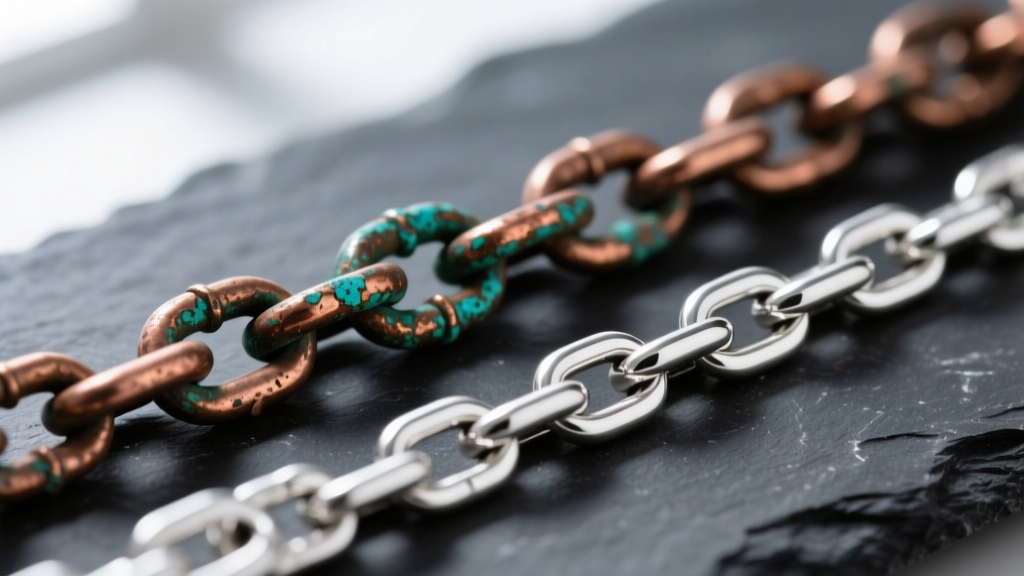
Tarnish is not a defect; it is an inevitable chemical reaction. Silver itself does not tarnish; rather, the alloying metals (primarily copper) react with hydrogen sulfide (H2S) in the atmosphere. Even in trace amounts as low as 1 part per billion, hydrogen sulfide will initiate the formation of silver sulfide, the black compound that dulls your necklace's finish.
The Rhodium Plating Debate
Many commercial jewelers electroplate their .925 sterling minimalist necklaces with rhodium, a platinum-group metal, to create a temporary barrier against tarnish. While this provides a brilliant, white-gold-like shine initially, the plating on thin chains is typically only 0.1 to 0.5 microns thick. Within three to six months of daily wear, friction from the skin and clothing will wear through the rhodium layer, exposing the reactive sterling silver beneath. Once the plating breaches, the resulting localized galvanic corrosion can actually accelerate tarnishing in the exposed patches.
For a truly low-maintenance minimalist silver necklace, opting for solid, unplated Argentium silver is vastly superior to buying rhodium-plated sterling silver. Argentium's tarnish resistance is intrinsic to the metal, not a superficial coating that will eventually wear away.
Spotting Fakes and Silver-Plated Imposters
The market is saturated with 'silver-toned' or 'silver-plated' minimalist necklaces masquerading as solid silver. Plated necklaces consist of a base metal (usually brass or copper) coated with a microscopic layer of silver. Once that layer wears off, the base metal oxidizes rapidly, often turning the wearer's skin green and ruining the necklace permanently.
To verify the authenticity of your silver, employ these non-destructive testing methods:
- The Hallmark Check: Use a jeweler's loupe to inspect the clasp or the bail of the pendant. Look for stamped hallmarks such as '925', '935', 'STER', or the Argentium flying unicorn logo. Be wary of pieces marked only with 'Tibetan Silver' or 'Alpaca', which contain zero actual silver.
- The Thermal Conductivity Test: Silver possesses the highest thermal conductivity of any common metal. Place an ice cube directly on the pendant or chain link. Genuine silver will transfer the cold instantly, melting the ice cube significantly faster than stainless steel, brass, or plated alternatives.
- The Magnet Test: Pure silver and its standard alloys are paramagnetic (essentially non-magnetic). If your minimalist chain exhibits a strong pull toward a neodymium magnet, it contains a ferromagnetic core, indicating it is heavily plated steel or iron.
Maintenance Protocols for Longevity
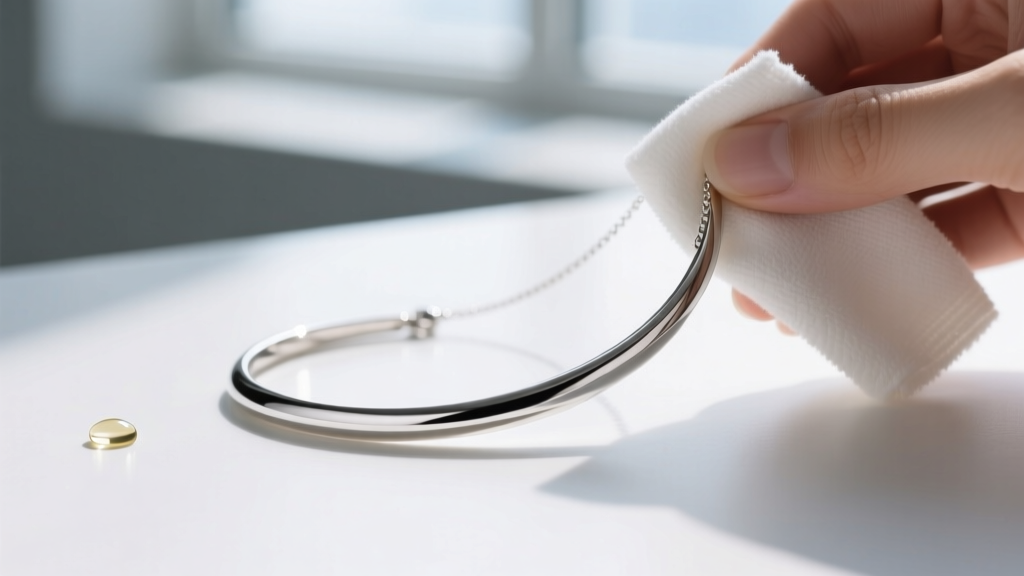
Even the most resilient alloys require basic environmental management to maintain their pristine minimalist aesthetic. Avoid exposing your necklace to chlorinated pool water, which causes rapid, irreversible structural embrittlement in silver alloys. Similarly, remove the piece before applying sulfur-heavy skincare products or aerosolized perfumes.
For routine cleaning, bypass harsh liquid chemical dips, which strip the natural patina and can weaken thin chain links over time. Instead, use a specialized, untreated microfiber polishing cloth. For heavier oxidation on .925 sterling silver, a gentle bath in warm water with a few drops of phosphate-free dish soap, followed by a soft-bristle baby toothbrush agitation, will safely lift debris from the chain links without compromising the metal's integrity. For authoritative care guidelines, refer to the maintenance standards published by Jewelers of America.
Final Verdict: Which Silver Grade Should You Buy?
Your choice of material should align directly with your wearing habits and maintenance tolerance. If you are purchasing a minimalist silver necklace for occasional, evening wear and are on a strict budget, traditional .925 Sterling Silver remains a highly capable and beautiful choice, provided you commit to storing it in an airtight anti-tarnish bag when not in use.
However, if you are seeking an 'everyday essential' chain that will withstand the rigors of daily life, showering, and varying climates without turning black, Argentium Silver (.935 or .960) is the undisputed champion. The slight initial price premium is entirely justified by the elimination of maintenance fatigue and the superior structural hardness that protects delicate minimalist links from stretching. By prioritizing advanced metallurgy over mass-produced standards, your minimalist necklace will remain a flawless, enduring fixture of your personal style.


