Miraculous Medal Necklace Value: 2026 Pricing & Metals
Discover the true value of a miraculous medal necklace. Compare 2026 prices for sterling silver, gold vermeil, and solid 14k gold to buy smart.

The miraculous medal necklace is one of the most recognizable and deeply cherished pieces of devotional jewelry in the world. Originating from the 1830 apparitions of the Virgin Mary to Saint Catherine Labouré in Paris, the medal's intricate design is rich with theological symbolism. However, from a jewelry appraisal and consumer perspective, the market is heavily saturated. Walk into any tourist shop near a major cathedral or browse online marketplaces, and you will find prices ranging from $5 to $5,000.
How do you separate a genuine, heirloom-quality piece from an overpriced base-metal trinket? As we navigate the 2026 precious metals market, understanding the intersection of material grade, manufacturing technique, and fair retail pricing is essential. This comprehensive value assessment will help you budget effectively and ensure you are paying for true craftsmanship, not just a religious markup.
The Anatomy and Manufacturing of the Medal
Before assessing the metal, you must evaluate the strike. The front of a traditional miraculous medal features the Virgin Mary standing on a globe, crushing a serpent, with rays of light emanating from her hands. The reverse displays the letter 'M' surmounted by a cross, with the Sacred Heart and Immaculate Heart below, encircled by 12 stars.
Die-Struck vs. Cast Medals
High-value miraculous medals are die-struck. This process involves stamping a sheet of precious metal between two hardened steel dies under immense pressure. Die-striking compresses the metal's grain structure, resulting in a denser, more durable pendant with incredibly crisp details—especially vital for the tiny 12 stars and the delicate rays of light.
Conversely, cheaper medals are often cast using the lost-wax method. While casting is excellent for complex 3D shapes, it frequently results in microscopic porosity. If you look closely at a cast medal under a jeweler's loupe, you may notice pitting on the surface of Mary's face or a soft, melted appearance on the reverse hearts. Cast medals are inherently less durable and should command a significantly lower price.
Material Breakdown: What Are You Actually Paying For?
The core of your budget assessment relies on verifying the metal grade. According to The Silver Institute, proper hallmarking is your first line of defense against counterfeit alloys.
Base Metals and Flash Plating (The Budget Tier)
Medals made from brass, zamak, or pewter and coated in a microscopic flash of gold or silver are ubiquitous in gift shops. These pieces lack structural integrity. The plating is often less than 0.1 microns thick, meaning the friction from your skin and clothing will wear it away in weeks, exposing copper or nickel alloys that can cause contact dermatitis or turn your skin green. Value verdict: Avoid paying more than $15-$25 for these, and consider them disposable.
Sterling Silver (The Sweet Spot)
Stamped with a "925" hallmark, sterling silver is 92.5% pure silver and 7.5% copper. It offers excellent value, a beautiful luster, and the longevity required for daily devotional wear. The primary failure mode of sterling silver is tarnishing, accelerated by the sulfur in sweat and environmental pollutants. Many high-end 2026 releases feature a rhodium flash over the silver to prevent tarnish, though this adds roughly 15% to the manufacturing cost.
Gold Vermeil vs. Standard Gold Plated
The Federal Trade Commission (FTC Jewelry Guides) strictly defines "vermeil." To be legally sold as gold vermeil, the piece must have a sterling silver base and be plated with at least 10k gold that is a minimum of 2.5 microns thick. Standard "gold plated" jewelry often uses a brass base and a thinner layer of gold. Vermeil offers the rich aesthetic of gold at a fraction of the cost, but the high-relief areas of the medal (like the cross and the rays) will eventually show silver wear if rubbed daily.
Solid 14k and 18k Gold (The Investment Tier)
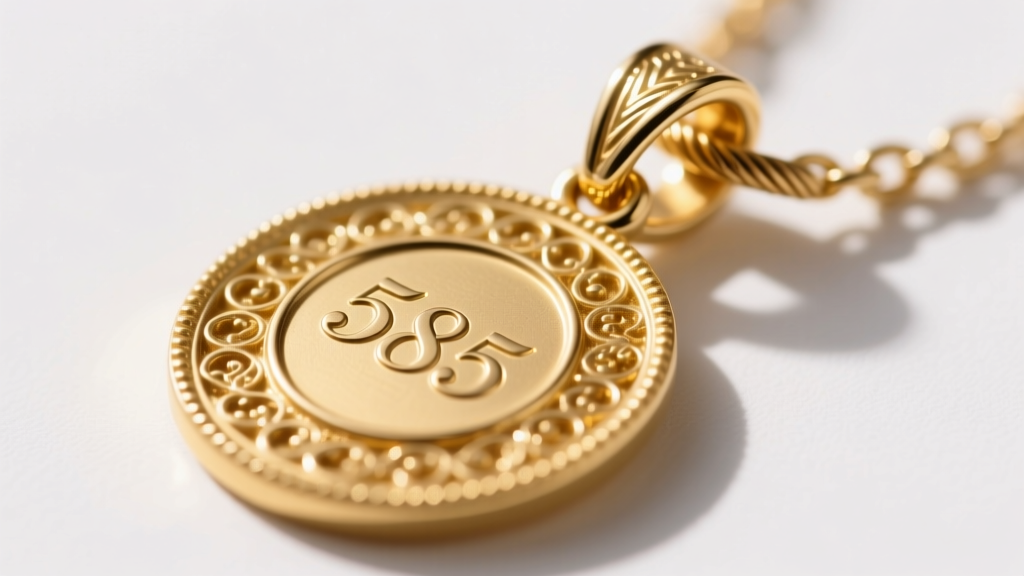
For a lifelong, waterproof, and sweat-proof piece, solid gold is unmatched. The Gemological Institute of America (GIA) notes that 14k gold (58.5% pure, stamped 585 or 14k) offers superior hardness, making it highly resistant to the scratching that can dull the intricate details of the medal over decades of wear. 18k gold (75% pure, stamped 750) provides a deeper, richer yellow hue but is softer and more prone to surface abrasion on the high points of the design.
2026 Market Pricing Table: What Should You Pay?
To help you benchmark your purchase, we have compiled current 2026 retail expectations for a standard, die-struck miraculous medal (excluding the chain). Prices reflect reputable online jewelers and specialized religious goods stores, avoiding both extreme luxury markups and suspicious discount bins.
| Metal Composition | Small (12mm-14mm) | Medium (16mm-18mm) | Large (20mm+) | Longevity Expectation |
|---|---|---|---|---|
| Base Metal / Flash Plated | $8 - $15 | $12 - $20 | $15 - $30 | 6 - 12 Months |
| Solid .925 Sterling Silver | $35 - $55 | $60 - $95 | $110 - $160 | Lifetime (with care) |
| Gold Vermeil (over .925) | $65 - $90 | $100 - $140 | $160 - $220 | 2 - 5 Years |
| Solid 10k Gold | $110 - $140 | $160 - $210 | $250 - $320 | Lifetime |
| Solid 14k Gold | $180 - $240 | $280 - $380 | $450 - $650 | Lifetime / Heirloom |
| Solid 18k Gold | $260 - $350 | $400 - $550 | $650 - $900+ | Lifetime / Heirloom |
Note: Enamel detailing (often used to highlight the blue mantle of Mary or the red/gold of the hearts) typically adds $20 to $60 to the base price, depending on whether it is hand-painted cold enamel or kiln-fired vitreous enamel.
Chain Pairings: Don't Let a Weak Link Ruin Your Investment
A common budgeting mistake is spending $300 on a solid 14k gold miraculous medal and hanging it on a fragile, hollow 0.8mm chain. The bail (the loop at the top of the medal) on a standard 16mm to 20mm piece usually has an inner diameter of 2.5mm to 3.5mm.
- Box Chains (1.0mm - 1.5mm): The absolute best choice for devotional pendants. The square links distribute weight evenly, resist kinking, and provide a modern, sturdy foundation that won't snap if the medal catches on a sweater.
- Cable Chains (1.2mm - 1.8mm): A classic, traditional look that pairs beautifully with the vintage aesthetic of the medal. Ensure the links are soldered shut; unsoldered cable chains will easily pull apart under the pendulum weight of a heavy metal medal.
- Curb Chains (1.5mm+): Excellent for larger, heavier 20mm+ medals, particularly in men's jewelry. The flat, interlocking links lay flush against the chest and offer immense tensile strength.
Red Flags: Avoiding Overpriced Religious Jewelry
When shopping for a miraculous medal necklace, be highly skeptical of the following retail tactics:
- The "Gold-Filled" Misnomer on Cast Medals: While gold-filled wire is great for chains, applying gold-filled sheeting to a deeply contoured, 3D cast medal is structurally flawed. The gold layer will be dangerously thin in the deep crevices of the design.
- Glued Bails: Inspect where the loop meets the top of the medal. High-quality pieces feature a soldered bail or an integrated cast loop. If you see epoxy or glue residue, walk away. The thermal expansion of skin warmth and environmental heat will eventually degrade the adhesive, resulting in a lost pendant.
- Missing Hallmarks: Any piece sold as sterling silver or solid gold must bear a quality stamp (925, 14k, 585) and ideally a maker's mark. Unstamped religious jewelry sold at premium prices is almost always heavily marked-up base metal.
Final Verdict: Maximizing Your Budget
If your goal is a daily-wear piece that balances budget with genuine longevity, a die-struck .925 sterling silver miraculous medal on a 1.2mm soldered box chain is the undisputed champion of value, typically landing between $80 and $120 for the complete setup. For those with a higher budget seeking an heirloom piece to pass down through generations, invest in a solid 14k gold medal. By prioritizing manufacturing technique and verifying metal hallmarks, you ensure that your devotional jewelry is as enduring as the faith it represents.


