Who Is Mme Loisel in The Necklace? Avoiding Fake Diamond Disasters
Discover who is Mme Loisel in the necklace and learn expert troubleshooting to authenticate diamonds, avoid paste jewelry traps, and insure borrowed gems.
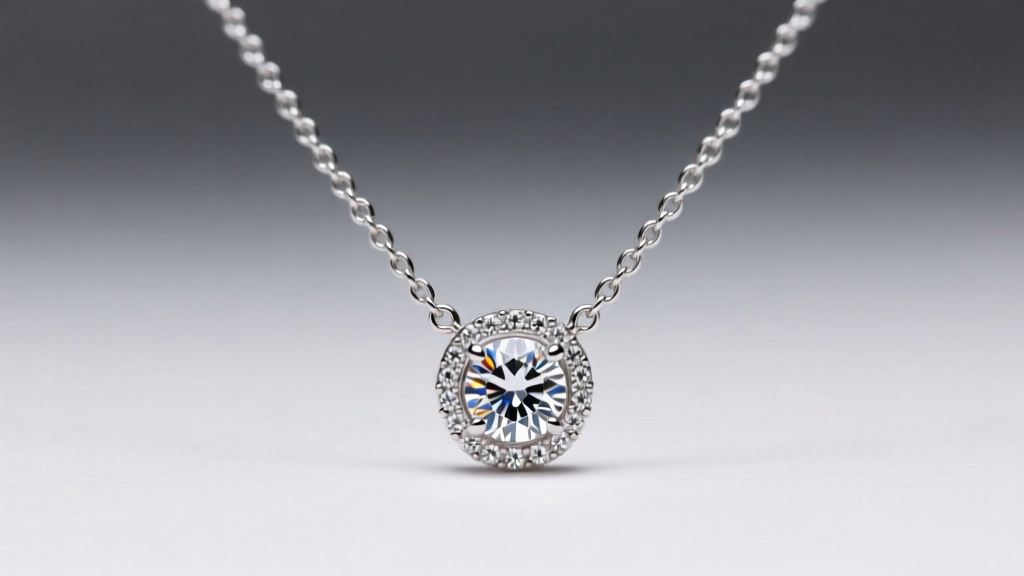
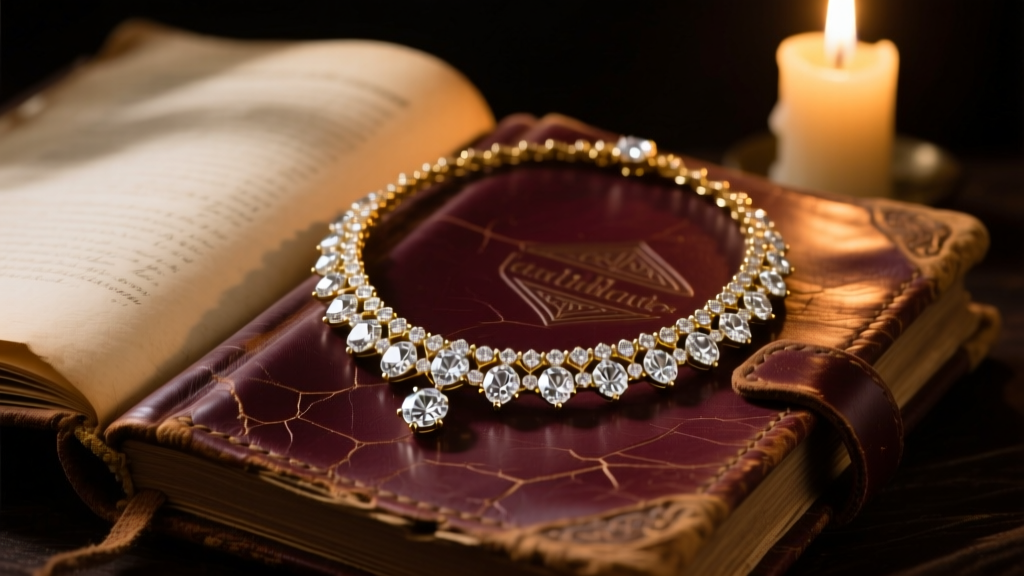
If you have ever studied classic French literature or taken a high school humanities course, you have likely encountered the ultimate cautionary tale of jewelry borrowing. But beyond the literary tragedy, this story holds profound, actionable lessons for modern jewelry collectors, borrowers, and buyers. In this troubleshooting guide, we bridge classic literature with modern gemological science to help you avoid catastrophic financial mistakes.
The Literary Trap: Who Is Mme Loisel in The Necklace?
To answer the question directly: who is mme loisel in the necklace? Mathilde Loisel (often referred to as Mme Loisel) is the tragic protagonist of Guy de Maupassant’s 1884 short story, The Necklace (La Parure). In the story, Mathilde borrows what she believes to be an exquisite diamond necklace from her wealthy friend, Madame Forestier, to wear to a high-society ball. After losing the necklace, Mathilde and her husband secretly purchase a nearly identical real diamond replacement for 36,000 francs, plunging themselves into a decade of grueling poverty to pay off the debt. The devastating twist? When she finally returns the replacement, Forestier reveals the original was merely "paste" (costume jewelry) worth at most 500 francs.
You can read the original public domain text via Project Gutenberg. While the story is a 19th-century critique of vanity and pride, for today's jewelry enthusiast, it represents a massive failure in gemological authentication and borrowing protocol. Let's troubleshoot how to ensure you never repeat the Loisel mistake in 2026.
Troubleshooting the "Paste" Problem: Spotting Fake Diamonds
Madame Forestier’s necklace was described as "paste," a historical term for leaded glass cut to imitate gemstones. Today, the market is flooded with advanced simulants like Cubic Zirconia (CZ) and Moissanite. If you are borrowing, inheriting, or buying an unverified "diamond" pendant, you must authenticate it before making any financial commitments.
Thermal Conductivity vs. Optical Tests
The most common mistake amateur buyers make is relying solely on a standard thermal diamond tester. While these devices accurately distinguish diamonds from CZ and glass by measuring heat dispersion, they fail completely on Moissanite. Moissanite is thermally conductive, meaning a basic thermal tester will beep and identify it as a real diamond. To troubleshoot this, you must use a dual-tester that measures electrical conductivity, as diamonds are electrical insulators while moissanite is slightly conductive.

The 10x Triplet Loupe Inspection
Before spending thousands on a replacement or purchase, examine the piece under a 10x triplet loupe. According to the Gemological Institute of America (GIA), simulants reveal distinct physical flaws:
- Paste/Glass: Look for spherical air bubbles trapped inside the stone or a "melted" appearance on the facet junctions.
- Cubic Zirconia: CZ is softer (Mohs 8.5) than diamond (Mohs 10). Over time, the girdle and facet edges of CZ become abraded and chipped, giving the stone a fuzzy, worn appearance under magnification.
- Moissanite: Exhibits double refraction. When you look through the crown facets, the pavilion facets will appear doubled or "ghosted."
Simulant Comparison Chart
| Material | Mohs Hardness | Specific Gravity | Key Identifier |
|---|---|---|---|
| Natural/Lab Diamond | 10 | 3.52 | Single refraction, sharp facet edges, electrical insulator. |
| Moissanite | 9.25 | 3.22 | Double refraction, passes thermal tests, electrically conductive. |
| Cubic Zirconia (CZ) | 8.5 | 5.6 - 6.0 | Heavy weight, abraded facet junctions, high dispersion (rainbow flashes). |
| Paste / Leaded Glass | 5 - 6 | 2.8 - 3.5 | Air bubbles, scratched facets, extremely low thermal conductivity. |
The Borrower’s Dilemma: Protocol for Wearing Loaned Jewelry
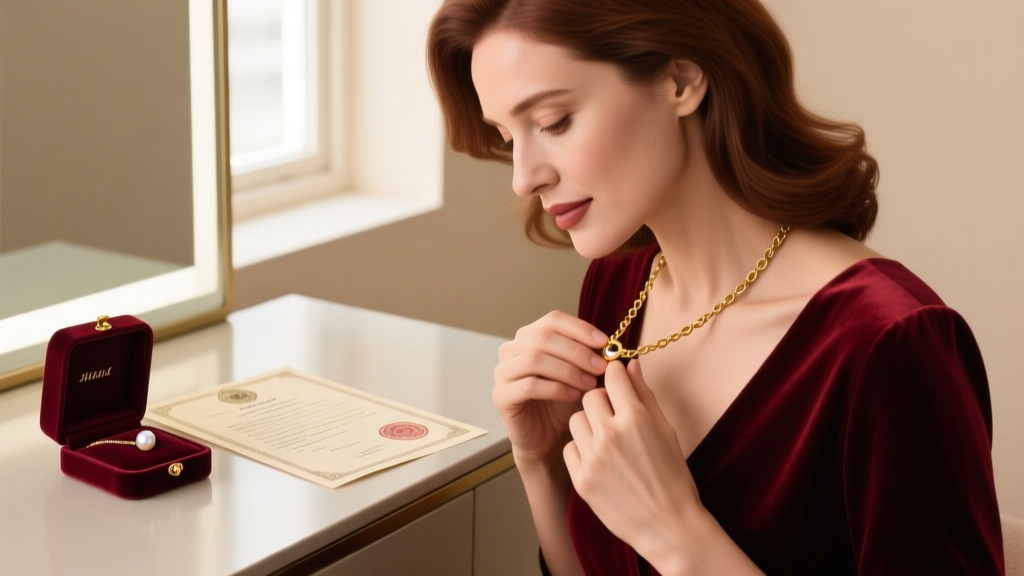
Mathilde Loisel’s fatal error wasn't just losing the necklace; it was her assumption of its value and her refusal to communicate with the lender. If a friend or family member loans you a high-end necklace for an event in 2026, follow this strict troubleshooting protocol to protect your finances:
- Demand an Appraisal: Politely ask the owner for the most recent insurance appraisal or GIA/AGS grading report. If they don't have one, the piece is likely costume jewelry or uninsured.
- Verify the Hallmarks: Check the clasp and jump rings. Real gold or platinum chains will bear stamps like "18K", "750", "14K", or "PT950". A lack of hallmarks, or stamps like "925" (sterling silver) on a piece claiming to have massive diamonds, is a red flag for simulated stones.
- Document the Condition: Take high-resolution macro photos of the clasp, the chain links, and the center stone's girdle before leaving the lender's presence.
Damage Control: What to Do If You Lose or Break a Necklace
If the worst happens and the chain snaps or the piece goes missing, do not secretly buy a replacement. This is the exact psychological trap that ruined the Loisel family. Instead, execute the following damage control steps:
Immediate Disclosure and Insurance Checks
Inform the owner immediately. Most high-value jewelry is covered under a Scheduled Personal Property Endorsement (often called an inland marine policy). According to the Insurance Information Institute, standard homeowner's policies typically cap jewelry theft or loss coverage at $1,500, which is rarely enough for fine diamonds. A scheduled endorsement covers the full appraised value and often includes "mysterious disappearance" (losing it without evidence of theft).
If the necklace was stolen, you must file a police report within 24 hours. Insurance providers require the police report number, a detailed description of the chain style (e.g., cable, curb, or rope), the clasp type (lobster, spring ring, or toggle), and the exact carat weight and clarity grades of any center stones.
"The greatest risk in borrowing fine jewelry is the asymmetry of information. The borrower assumes the piece is a high-value asset, while the lender may be fully aware it is a sentimental, low-value replica. Always establish the replacement value in writing before the piece changes hands." — Modern Gemological Troubleshooting Guidelines
The "Paste" Revelation
If the owner confesses the piece was a simulant (like Mme Forestier did), verify the brand. High-end costume jewelers (like Chanel or Dior) or specialized lab-created brands still hold secondary market value, whereas unbranded glass paste holds virtually zero. You are only liable for the actual cash value of the lost item, not the imaginary diamond equivalent.
Modern Alternatives: Embracing High-Quality Lab-Grown & Paste
In 2026, the stigma around "paste" or non-mined diamonds has entirely evaporated. Lab-grown diamonds (LGDs) possess the exact same chemical, physical, and optical properties as mined diamonds but cost 70-85% less. If you are looking to build a necklace collection that gives the illusion of Mme Forestier's wealth without the Loisel-level financial risk, consider these modern alternatives:
- Lab-Grown Diamond Riviere: Opt for a graduated LGD tennis necklace. A 10-carat total weight mined diamond necklace might cost $45,000, while the identical LGD version retails for roughly $6,000 to $8,000.
- High-End Moissanite Pendants: For a fraction of the cost, a well-cut moissanite pendant on a solid 14K white gold chain offers immense brilliance and will pass casual visual inspections.
- Heritage Costume Jewelry: Vintage rhinestone and paste necklaces from the Art Deco era (1920s-1930s) are highly collectible. They offer historical prestige and beautiful craftsmanship without the anxiety of wearing a $50,000 asset to a crowded ballroom.
Furthermore, the secondary market for vintage paste jewelry has surged. Collectors actively seek out unsigned 1920s Art Deco sautoir necklaces featuring foiled glass stones, recognizing the artistry of the era. When buying these pieces, inspect the stringing material; original silk thread indicates authentic period construction, whereas modern nylon wire suggests a later restrung reproduction.
Conclusion: Don't Let a Necklace Ruin Your Decade
So, who is Mme Loisel in the necklace? She is the ultimate symbol of what happens when vanity overrides due diligence. By understanding the gemological differences between diamonds, moissanite, CZ, and paste, and by enforcing strict borrowing and insurance protocols, you can enjoy the beauty of fine pendants and chains without the haunting fear of a 36,000-franc mistake. Always test, always appraise, and never let pride prevent you from asking the right questions.


