Moana Necklace Buying Guide: Materials, Styles & Authenticity
Discover how to choose the perfect Moana necklace. Compare official merch, artisan Polynesian designs, metal grades, and chain sizing in our expert guide.

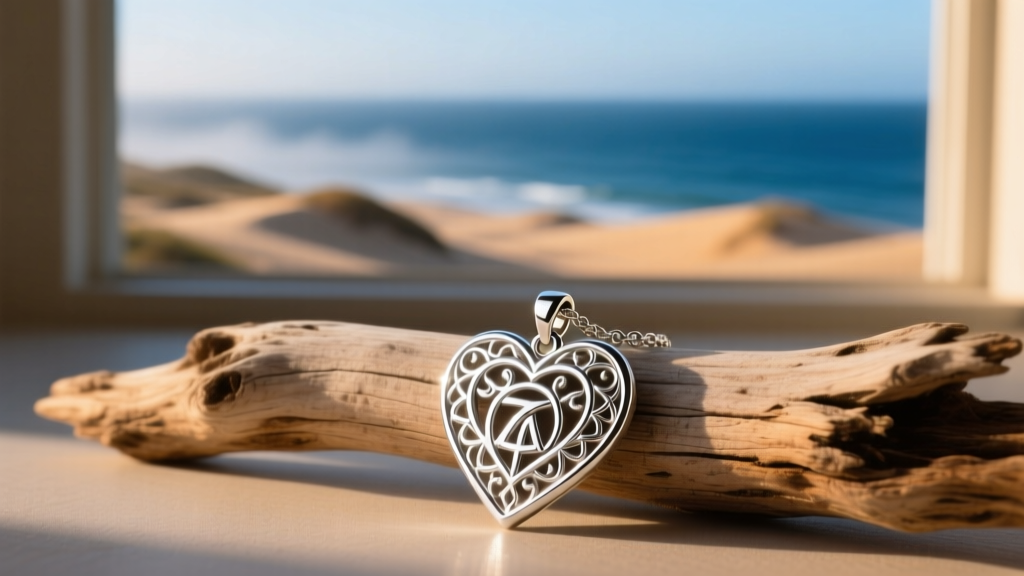
Whether you are hunting for an authentic piece of Disney park merchandise or seeking a high-end, Polynesian-inspired artisan jewel, the moana necklace market is vast and often confusing. From the iconic Heart of Te Fiti to intricate oceanic wave motifs, these pendants capture the spirit of the ocean. But how do you separate cheap, mass-produced costume jewelry from a piece that will actually last?
As a senior jewelry analyst, I have evaluated hundreds of oceanic and tribal-inspired pendants. This comprehensive buying guide breaks down exactly what to look for in 2026 regarding metallurgy, chain mechanics, and cultural authenticity.
Decoding the Moana Necklace: Official Merch vs. Artisan Tributes
The first decision you must make is whether you want licensed merchandise or an artisan-crafted tribute. Official pieces, typically found via the Disney Store or at theme parks, are primarily designed for fans and collectors. They often utilize base metals, zinc alloys, and epoxy enamels. While visually accurate to the film, they lack the metallurgical integrity for daily, lifelong wear.
Conversely, independent jewelers and Polynesian artisans create "oceanic" or "tribal" necklaces that capture the essence of the film's aesthetic using fine jewelry standards. When shopping for these, you must look for specific hallmark stamps and material disclosures.
Material Grades: Beyond the Costume Jewelry
If you plan to wear your necklace near water—a common desire given the oceanic theme—material selection is critical. Here is a breakdown of the metals and materials you will encounter:
| Material | Durability & Water Resistance | Price Range | Best For |
|---|---|---|---|
| Zinc Alloy / Brass | Poor. Will oxidize and turn skin green when exposed to sweat or saltwater. | $15 - $35 | Cosplay, occasional wear |
| 316L Surgical Steel | Excellent. Highly resistant to rust and tarnish. Hypoallergenic. | $40 - $80 | Beachgoers, daily wear |
| 925 Sterling Silver | Good. Will tarnish over time but can be easily polished. Avoid prolonged saltwater exposure. | $60 - $150 | Fine jewelry collectors |
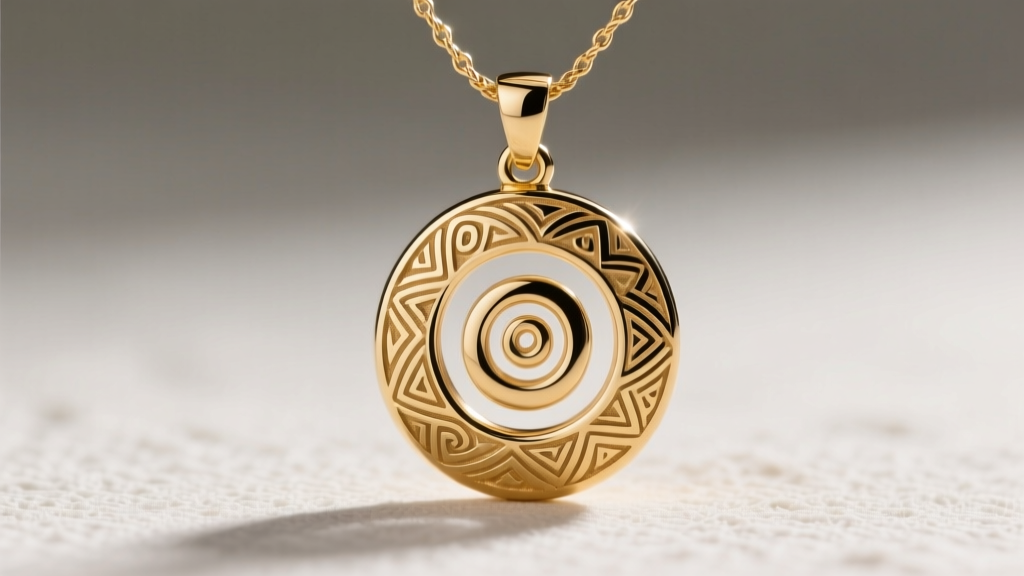
| 14k Gold Vermeil | Very Good. Requires a minimum of 2.5 microns of gold over sterling silver. Superior to standard plating. | $120 - $250 | Luxury gifting, heirloom pieces |
| Carved Bone / Pounamu | Excellent. Traditional, organic materials that age beautifully with skin oils. | $150 - $400+ | Cultural appreciation, authenticity |
When evaluating gold-toned pieces, beware of the term "gold plated." According to the Gemological Institute of America (GIA), standard gold plating can be as thin as 0.175 microns and will rub off within months. Always demand gold vermeil (pronounced ver-may), which guarantees a thick layer of 14k or 18k gold over a solid sterling silver base.
Chain Mechanics: Gauges, Clasps, and Jump Rings
A stunning pendant is useless if the chain snaps. The weight of your specific moana necklace dictates the chain gauge (thickness) you need:
- Lightweight Pendants (Under 8 grams): A 1.2mm to 1.5mm cable or box chain is sufficient. These offer a delicate, feminine look that doesn't distract from the pendant.
- Medium Pendants (8 - 15 grams): Upgrade to a 1.8mm to 2.0mm rope or wheat chain. The woven structure provides immense tensile strength.
- Heavy Carvings (15+ grams): If you are buying a solid bone or greenstone Heart of Te Fiti replica, you need a 2.5mm+ chain, preferably paired with a reinforced, soldered jump ring.
The Weak Point: Jump Rings and Clasps
Always inspect the jump ring (the small loop connecting the pendant to the chain). If it has a visible slit that hasn't been soldered shut, the pendant will eventually slip off and be lost. Additionally, avoid spring ring clasps for heavy oceanic pendants; they are notoriously fragile. Opt for a sturdy lobster clasp.
The Heart of Te Fiti and the Real-World Koru
The iconic spiral design of the Heart of Te Fiti is not merely a fictional invention; it is heavily inspired by the Koru, a profoundly significant symbol in Māori art and carving. The Koru represents the unfurling silver fern frond, symbolizing new life, growth, strength, and peace.
"When purchasing tribal-inspired jewelry, understanding the lineage of the motif transforms a simple accessory into a meaningful talisman."
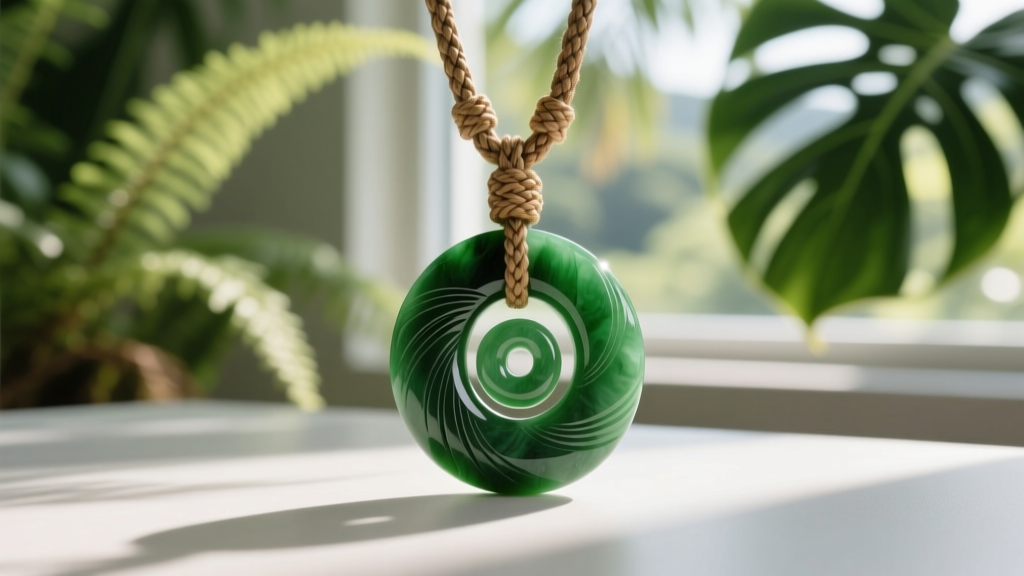
If you want a piece that honors the real-world cultures that inspired the film's aesthetic, look for authentic New Zealand pounamu (greenstone) or hand-carved bone koru pendants. These are traditionally strung on woven flax or adjustable macramé cords rather than metal chains, allowing the organic stone to sit directly against the sternum.
Sizing and Neckline Pairing
Oceanic motifs often feature intricate, sprawling designs that require the right canvas (your neckline) to shine. Use this framework to select your chain length:
16-Inch (Choker / Collarbone)
Best for smaller, minimalist wave or shell pendants. This length draws the eye upward and pairs perfectly with V-neck tops or off-the-shoulder tropical dresses.
18-Inch (Princess Length)
The universal standard. An 18-inch chain allows a medium-sized Heart of Te Fiti pendant to rest right on the sternum. This is the most versatile length for both casual t-shirts and formal wear.
20 to 24-Inch (Matinee Length)
Reserved for large, heavy statement pieces or authentic carved bone pendants. This length allows the necklace to hang over high-neck shirts, turtlenecks, or flowy bohemian garments without tangling in the fabric.
Layering Techniques for Oceanic Motifs
The ocean is all about depth, and your jewelry styling should reflect that. Layering a moana necklace requires a strategic approach to prevent the pendants from tangling or scratching one another.
- The Anchor Piece: Start with your heaviest, most intricate pendant (like a detailed Heart of Te Fiti or large carved shell) on an 18-inch chain.
- The Mid-Layer: Add a 16-inch chain featuring a simpler motif, such as a minimalist gold wave bar or a tiny sea turtle silhouette.
- The Texture Layer: Introduce a 20-inch matte-finish chain or a dark woven cord to provide visual contrast against the metallic shine of the upper layers.
Crucially, ensure there is at least a 2-inch difference in length between each chain. This spacing prevents the clasps and jump rings from catching on each other, which is the primary cause of chain breakage in layered setups.
Care and Maintenance for Oceanic Jewelry
Given the thematic nature of these necklaces, owners frequently wear them to the beach or pool. This is a massive mistake for certain materials. Chlorine will permanently damage the molecular structure of 925 sterling silver, causing it to become brittle. Saltwater will accelerate the tarnishing process and degrade the epoxy resins often used in official merchandise to create "water" effects.
The Golden Rule: Always remove your necklace before swimming. If it does get exposed to saltwater or sunscreen, rinse it immediately with lukewarm fresh water and dry it thoroughly with a microfiber cloth.
Final Verdict: Choosing Your Oceanic Heirloom
The perfect moana necklace depends entirely on your intent. If you are buying a gift for a young fan or completing a cosplay, official zinc-alloy merchandise is perfectly adequate. However, if you are seeking a sophisticated, enduring piece of jewelry that captures the Polynesian spirit of the ocean, invest in 14k gold vermeil, 316L surgical steel, or authentic carved pounamu. Pay attention to chain gauges, demand soldered jump rings, and respect the cultural origins of the motifs you wear.


