How to Choose a High-Quality Moana Necklace That Opens
Discover how to choose the perfect Moana necklace that opens. Compare materials, hinge types, and official replicas in our expert jewelry buying guide.

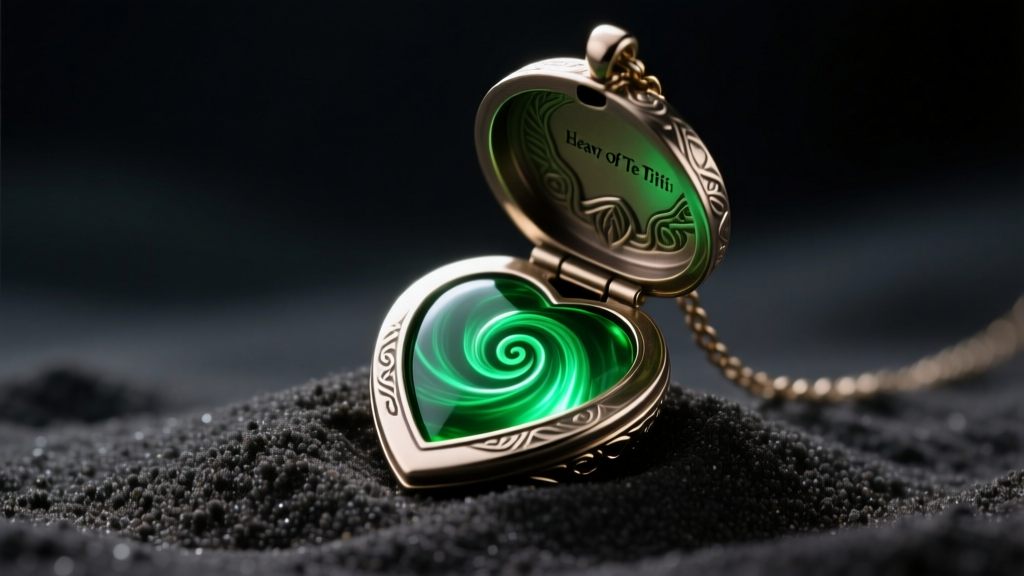
The Magic Behind the Moana Necklace That Opens
When fans and collectors search for a moana necklace that opens, they are typically hunting for one of two distinct jewelry styles. The first is a functional locket inspired by the Heart of Te Fiti, designed to open and reveal a hidden photograph, inscription, or secondary gemstone. The second is a high-end, screen-accurate prop replica that splits apart to expose the intricate inner spiral stone. Both styles require specialized jewelry engineering to ensure the moving parts do not degrade, snap, or tarnish over time. In this comprehensive buying guide, we break down the exact materials, hinge mechanics, and chain specifications you need to evaluate before making a purchase.
Material Breakdown: What Makes a Durable Locket?
The outer casing of an opening pendant dictates its weight, skin-safety, and longevity. Cheap mass-produced necklaces often use low-grade alloys that cause skin discoloration, while premium artisan pieces utilize precious metals. Here is a detailed comparison of the materials you will encounter on the market.
| Material Grade | Durability & Traits | Price Range | Best For |
|---|---|---|---|
| Zamak (Zinc Alloy) | Low. Heavy but prone to flaking and oxidation. | $15 - $35 | Cosplay & short-term wear |
| Rhodium-Plated Brass | Medium-High. Excellent for detailed ocean motif casting. | $45 - $85 | Daily wear & mid-tier budgets |
| 925 Sterling Silver | Very High. Hypoallergenic, durable, and easily polished. | $120 - $250+ | Heirloom gifts & sensitive skin |
| Epoxy Resin Inlay | Medium. Used for the 'glowing' spiral, but UV sensitive. | Included in pendant | Vibrant color effects |
If you have sensitive skin or nickel allergies, strictly avoid unmarked 'base metal' or Zamak pendants. Always look for a '925' stamp for sterling silver or verify that brass pieces are heavily plated in rhodium, which acts as a hypoallergenic barrier.
Hinge and Closure Mechanics: The Make-or-Break Factors
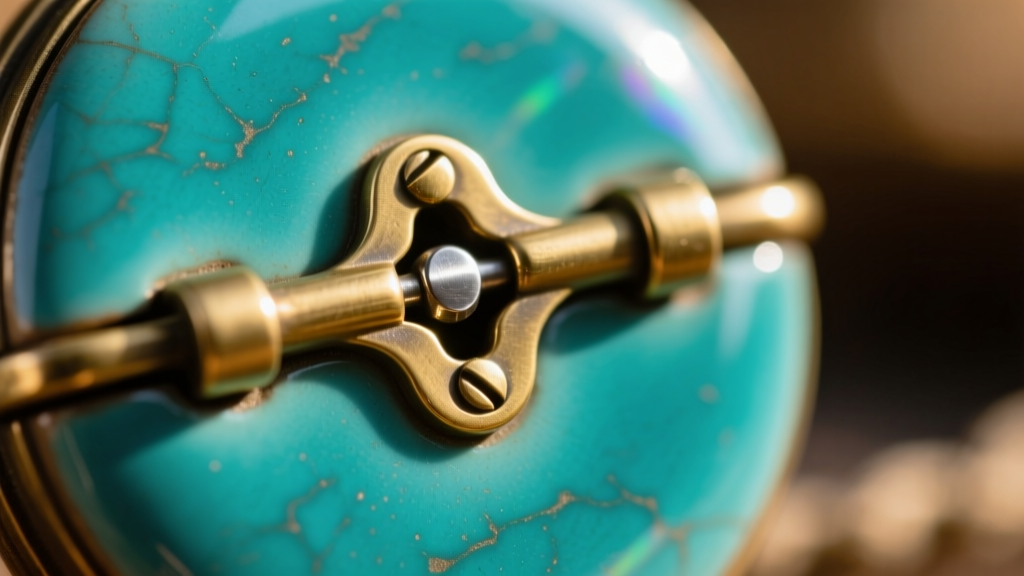
The most critical component of any moana necklace that opens is the closure mechanism. A poorly engineered hinge will warp within weeks, leaving the locket stuck permanently open or shut. According to jewelry manufacturing standards outlined by Rio Grande, a quality locket relies on precision-machined findings rather than glued-on hardware.
Barrel Hinges vs. Friction Fits
- Barrel Hinges: The gold standard for traditional lockets. This involves interlocking metal knuckles secured by a steel or brass pin. Look for a hinge that offers slight resistance when opened; if it swings completely loose, the pin is too thin or the knuckles are poorly aligned.
- Magnetic Friction Fits: Common in prop replicas that split completely in half rather than swinging on a hinge. High-end replicas use N52-grade neodymium micro-magnets embedded flush within the metal casing. This provides a satisfying 'snap' closure without visible exterior hardware.
- Friction Catch (Snap Lock):strong> Used in budget lockets where a small metal tab snaps into a groove. These are prone to wearing down over time, eventually failing to keep the pendant closed.
Chain and Clasp Engineering for Heavy Pendants
Opening pendants are inherently heavier than solid cast charms due to the hollow cavities, hinge hardware, and thicker metal walls required for structural integrity. Pairing a heavy brass or silver locket with a delicate chain is a recipe for a broken necklace.
Choosing the Right Chain Profile
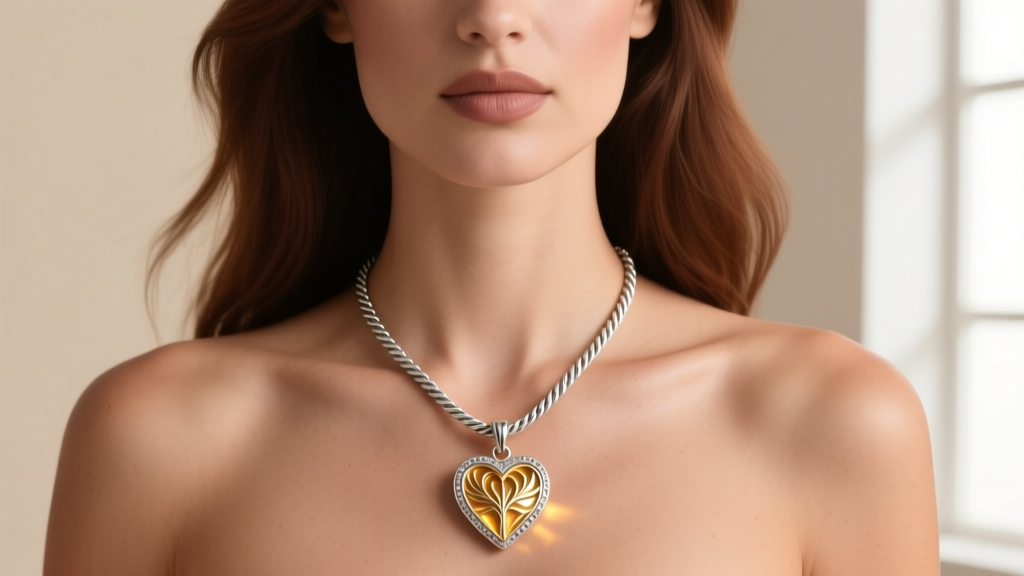
For pendants weighing over 15 grams, avoid standard 1mm cable chains. Instead, opt for a 2mm to 3mm rope chain or a box chain. Rope chains offer superior tensile strength and distribute the dynamic weight of a swinging pendant much more evenly across the links. Furthermore, the clasp must be a lobster claw rather than a spring ring. Spring rings are notorious for failing under the stress of heavy pendants, whereas lobster clasps feature a secure, spring-loaded locking mechanism that prevents accidental drops.
Official Merchandise vs. Artisan Replicas
When shopping, you will generally encounter two distinct categories of merchandise. The Disney Store and official park vendors sell licensed jewelry that prioritizes brand accuracy and safety standards, typically utilizing enamel and rhodium-plated brass. These are excellent for younger fans and casual wearers.
Prop replicas crafted by independent artisans on platforms like Etsy often prioritize screen-accuracy over mass-market safety standards, utilizing raw brass, cast resin, and neodymium magnets to achieve a 1:1 scale match with the film's original props.
If you want a piece that functions as a high-end collectible or cosplay prop, artisan replicas are the way to go. If you want a durable, everyday piece of jewelry with a warranty, stick to officially licensed merchandise.
Care and Maintenance for Opening Pendants
Maintaining a necklace with moving parts requires specific care routines to prevent debris from jamming the hinges or ruining the interior inlays. The Gemological Institute of America (GIA) warns against using ultrasonic cleaners on jewelry featuring epoxy resin, enamel, or glued gemstones, as the high-frequency vibrations can shatter the inlay or dissolve the adhesives.
Step-by-Step Cleaning Guide
- Dust Removal: Use a soft-bristled makeup brush to gently sweep out dust and skin cells from the interior cavity and hinge knuckles.
- Washing: Mix a few drops of mild, phosphate-free dish soap with lukewarm water. Dip a microfiber cloth into the solution and gently wipe the metal exterior.
- Drying: Ensure the hinge is completely dry before closing the locket. Use a can of compressed air to blow moisture out of the hinge pin area to prevent internal rusting.
- Resin Care: If your pendant features a green epoxy resin spiral, keep it out of prolonged direct sunlight to prevent UV yellowing over time.
Final Verdict: Which Version Should You Buy?
Finding the perfect moana necklace that opens comes down to understanding your primary use case. For daily wear and gifting, a rhodium-plated brass locket with a traditional barrel hinge and a 20-inch rope chain offers the best balance of durability, price, and aesthetic appeal. For hardcore collectors and cosplayers, investing in an artisan-crafted, 1:1 scale magnetic prop replica made from raw brass and cast resin will provide the ultimate screen-accurate experience. Always inspect the hinge tension, verify the metal grade, and ensure the chain is rated for the pendant's weight before finalizing your purchase.


