How To Style A Grandma Necklace With Grandkids Names (2026)
Discover 2026 trends for the grandma necklace with grandkids names. Learn how to choose modern fonts, premium metals, and chic layering.

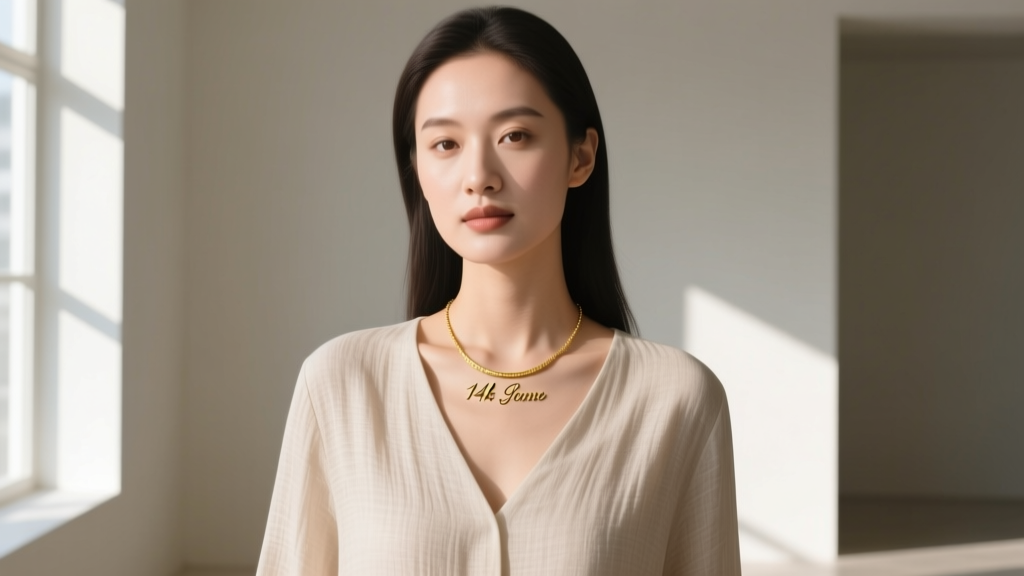
The concept of the grandma necklace with grandkids names has undergone a radical transformation. Gone are the days of bulky, tangled charm bracelets and heavy, heart-shaped lockets that scream 'kitsch.' In 2026, sentimental jewelry has been reclaimed by modern design houses and independent jewelers, evolving into a sophisticated category that blends deep emotional resonance with high-end, minimalist aesthetics. Today's matriarchs are styling personalized pieces that rival luxury runway jewelry, proving that sentimentality and high fashion are no longer mutually exclusive.
The Evolution of Sentimental Jewelry: From Kitsch to Couture
Historically, personalized jewelry for grandmothers relied on visual clutter—multiple dangling discs, oversized birthstones, and heavy script fonts. The modern approach, however, champions negative space, micro-typography, and architectural silhouettes. According to trend forecasts from the Vogue fashion archives, the shift toward 'quiet luxury' has heavily influenced personalized pieces. The modern grandma necklace with grandkids names now features sleek horizontal bars, hidden engravings, and interlocking geometric links that subtly incorporate names without broadcasting them to the room.
'The most striking sentimental jewelry in 2026 doesn't look sentimental at first glance. It operates as a high-end minimalist piece that reveals its intimate meaning only upon closer inspection.' — Contemporary Jewelry Design Symposium, 2025.
Material Grades & Metal Choices for Everyday Wear
When investing in a piece meant to be worn daily—and eventually passed down as an heirloom—understanding metallurgy is non-negotiable. The base metal dictates the necklace's longevity, tarnish resistance, and skin compatibility.
14k vs. 18k Solid Gold
According to the Gemological Institute of America (GIA), pure 24k gold is too soft for daily wear. 18k gold (75% pure) offers a rich, buttery yellow hue but is slightly more prone to scratching. 14k gold (58.5% pure) is the industry standard for durability, offering superior resistance to the micro-abrasions of daily life. For an active grandmother who gardens, travels, and plays with toddlers, 14k solid gold is the optimal choice.
The Truth About Gold Vermeil
Many affordable name necklaces are marketed as 'vermeil,' but buyers must be cautious. The Federal Trade Commission (FTC) strictly defines gold vermeil as a sterling silver base plated with at least 2.5 microns of 10k gold or higher. Anything less is simply gold-plated and will wear through to the silver base within months of daily friction. Always demand a micron-thickness specification from your jeweler.
Typography & Engraving Techniques: What to Ask Your Jeweler
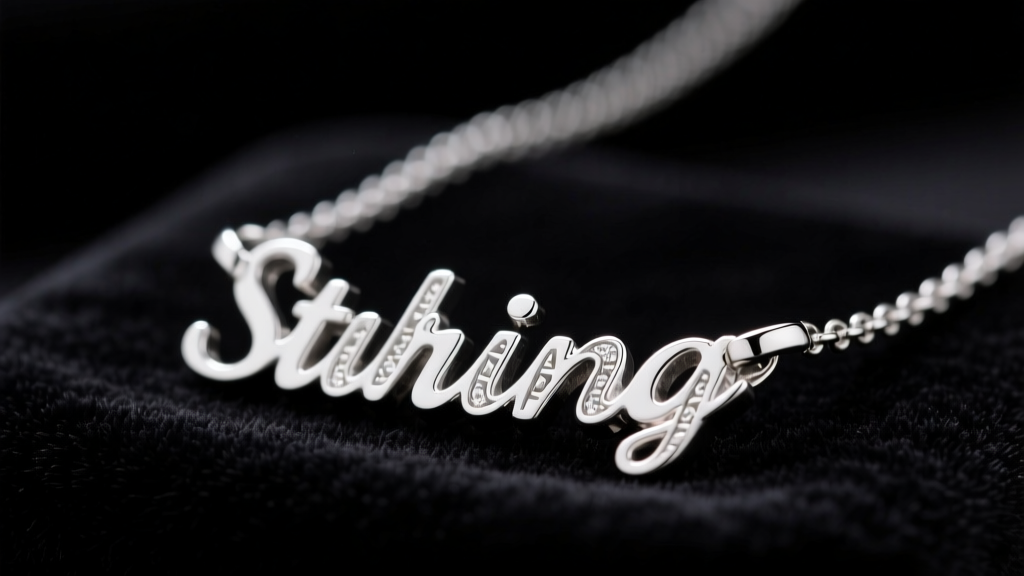
The typography of a name necklace can make or break its aesthetic. The bulky, cursive 'script' fonts of the early 2000s have been entirely replaced by refined, bespoke typography.
- Fiber Laser Engraving: This technology allows for 0.01mm precision. Jewelers can now take a grandchild's actual handwritten note, digitize it, and laser-etch the exact pen strokes onto a 1.2mm thick gold bar. This creates a deeply personal, one-of-a-kind heirloom.
- Hand Stamping: For a more organic, artisanal look, individual steel stamps are struck with a hammer. This results in slight variations in depth and alignment, giving the piece a rustic, wabi-sabi charm.
- Cut-Out Lettering: Instead of engraving, the names are physically cut out of a solid sheet of metal using a micro-jeweler's saw or CAD/CAM milling. This requires a thicker gauge (minimum 1.5mm) to maintain structural integrity, especially for names with enclosed loops like 'o', 'e', or 'a'.
Chain Styles & Lengths: A Data-Driven Guide
The chain is the structural backbone of any pendant. A delicate 0.8mm chain might look elegant, but it is highly susceptible to snapping if tugged by a toddler. Below is a structural analysis of popular chain types for personalized pendants.
| Chain Style | Width Recommendation | Durability Rating | Repair Difficulty | Best For |
|---|---|---|---|---|
| Cable Chain | 1.0mm - 1.5mm | High | Easy | Everyday wear, active lifestyles |
| Box Chain | 1.2mm - 2.0mm | Medium | Very Difficult | Heavier pendants, formal wear |
| Rope Chain | 1.5mm - 2.5mm | Very High | Medium | Layering, standalone statement |
| Saturn (Beaded) | 1.0mm | Low | Impossible | Occasional wear, delicate aesthetics |
Expert Tip: Avoid box chains for grandmothers with young grandchildren. The interlocking square links are notorious for kinking irreparably when pulled, and most local jewelers cannot solder them without leaving a visible scar.
Layering Frameworks: Integrating Sentimental Pieces
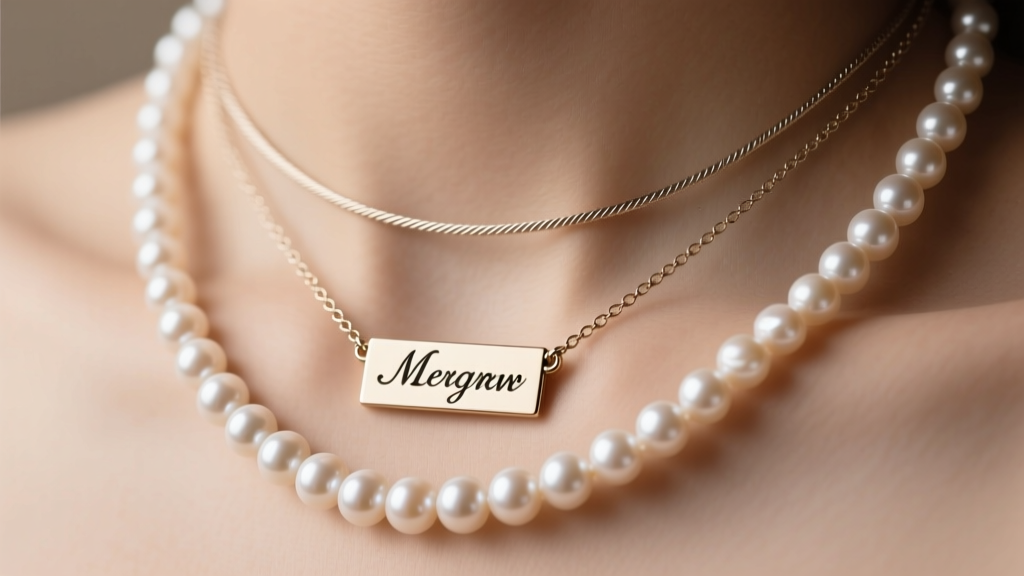
A modern grandma necklace with grandkids names should not exist in a vacuum. The 2026 styling ethos relies on 'textural juxtaposition'—pairing the hard, geometric lines of an engraved metal bar with organic, classic elements.
The 2-Inch Drop Rule
When layering, tangling is the primary enemy. To prevent chains from wrapping around each other, maintain a strict minimum 2-inch length difference between necklaces. For example, pair a 16-inch personalized name necklace with an 18-inch strand of baroque freshwater pearls and a 20-inch delicate lariat.
Mixing Metals Intentionally
The outdated rule of 'never mix gold and silver' has been entirely discarded. A 14k yellow gold name bar layered with a white gold or platinum diamond solitaire pendant creates a curated, collected-over-time aesthetic that feels deeply personal and highly fashionable.
Pricing Tiers & Where to Invest
Understanding the pricing landscape helps you avoid overpaying for brand names or underpaying for subpar materials. Here is what you should expect to pay for a high-quality custom name necklace in 2026:
- Entry-Level ($80 - $150): Sterling silver or 14k gold vermeil (2.5+ microns). Machine laser-engraved with standard fonts. Usually features a 0.8mm to 1.0mm cable chain.
- Mid-Tier ($250 - $600): Solid 14k gold. Custom handwriting replication via fiber laser. 1.2mm pendant thickness with a robust 1.2mm chain. Includes a secure lobster clasp with a custom soldered jump ring.
- Heirloom/Bespoke ($800 - $2,000+): Solid 18k gold or platinum. Hand-forged and hand-stamped by an independent artisan. May incorporate flush-set diamond accents (representing each grandchild's birth month) and custom-milled geometric links.
Future-Proofing Your Heirloom: Care & Maintenance
To ensure the necklace survives for the next generation, proper maintenance is critical. Lotions, perfumes, and harsh cleaning chemicals are the enemies of both precious metals and the micro-crevices of laser engravings. Over time, soap scum can build up inside the engraved letters, dulling the contrast.
Clean the piece monthly using a soft-bristled baby toothbrush, a drop of mild dish soap, and warm water. Gently brush the engraved areas to dislodge debris, rinse thoroughly, and dry with a microfiber cloth. Store the necklace flat or hung vertically in a climate-controlled environment; tossing it into a jewelry box will cause the chain to knot and the pendant to scratch against harder gemstones.
By prioritizing premium metallurgy, precise typography, and intelligent layering, the modern grandma necklace with grandkids names transcends its sentimental roots to become a cornerstone of a sophisticated, contemporary wardrobe.