Theme of the Story The Necklace by Guy de Maupassant: Spotting Fakes
Explore the theme of the story the necklace by Guy de Maupassant through a gemologist's lens. Learn how to troubleshoot fake diamonds and avoid ruin.

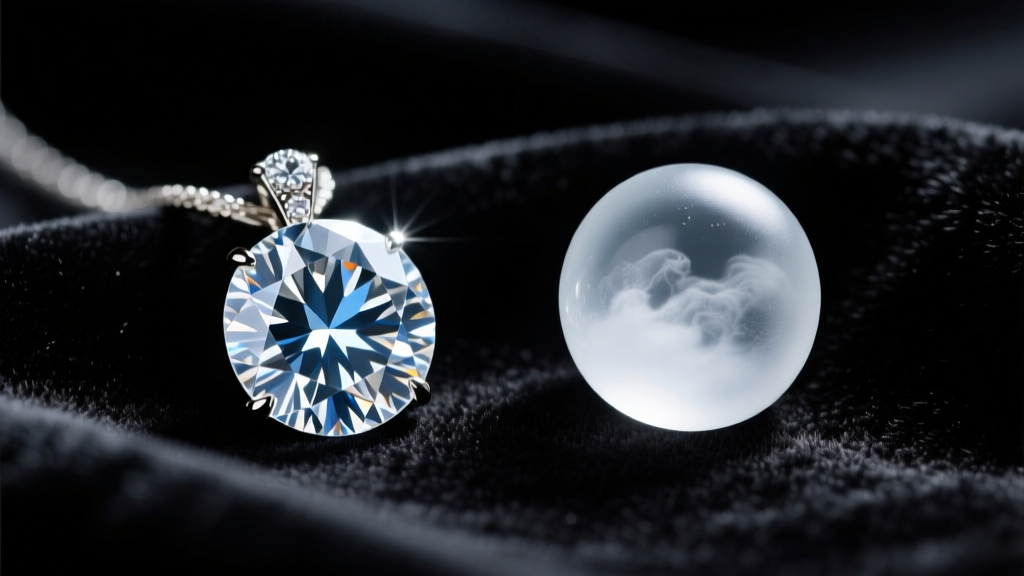
When literary scholars analyze the theme of the story the necklace by guy de maupassant, they frequently highlight the devastating consequences of vanity, the illusion of wealth, and the cruel irony of fate. Mathilde Loisel, the protagonist, spends a decade in grueling poverty to replace a borrowed diamond necklace she lost, only to discover the original was a mere paste replica. From a modern gemological and jewelry troubleshooting perspective, Mathilde’s tragedy was not just a moral failing; it was a catastrophic failure in authentication. She lacked the fundamental knowledge to distinguish between a high-carat natural diamond and 19th-century leaded glass.
In 2026, the market is flooded with hyper-realistic simulants, advanced cubic zirconia (CZ), and lab-grown diamonds that make visual identification nearly impossible for the untrained eye. Whether you are borrowing a piece for a gala, buying an estate pendant, or evaluating a family heirloom, understanding how to troubleshoot diamond authenticity is essential to avoiding your own financial tragedy. This guide bridges literary history with modern gemological science to help you spot the fakes.
The Core Theme of the Story The Necklace by Guy de Maupassant: Visual Deception
The central theme of the story the necklace by guy de maupassant hinges on the fact that human eyes are easily fooled by brilliance. In the 1880s, "paste" jewelry—high-lead-content glass cut to mimic diamond facets—was incredibly common among the Parisian bourgeoisie. The high refractive index of leaded glass allowed it to sparkle convincingly in the dim, warm light of gas-lit ballrooms. Today, the illusion is far more sophisticated. Modern simulants like Cubic Zirconia (CZ) and Moissanite possess optical properties that closely rival natural diamonds, making the "eyeball test" an unreliable troubleshooting method.
"How little a thing it takes to ruin us or to save us!" — Guy de Maupassant. In jewelry, that "little thing" is the refractive index and thermal conductivity of the stone.
To avoid a Loisel-esque disaster, we must move beyond subjective visual assessments and rely on objective physical properties. The troubleshooting process requires understanding how light and heat interact with different crystal lattices.
At-Home Troubleshooting: Separating Diamonds from Glass and CZ
If you find yourself in a situation where you must evaluate a diamond pendant or tennis necklace without professional equipment, several at-home troubleshooting tests can help you identify blatant simulants like glass or standard CZ.
1. The Thermal Fog Test
Diamonds are exceptional thermal conductors. They dissipate heat almost instantaneously. If you hold a suspected diamond necklace close to your mouth and exhale a short burst of warm breath onto the stone, a natural diamond will remain clear or clear up in less than one second. Cubic Zirconia and glass are thermal insulators; the condensation will linger on the surface for three to five seconds, creating a persistent fog.
2. The Read-Through (Transparency) Test
This test is highly effective for loose stones or pendants that can be laid flat. Place the stone table-down (flat side) on a piece of paper with printed text. Because a brilliant-cut diamond is engineered to bend light back up through the crown (total internal reflection), you will not be able to read the text through the stone. If you can clearly see the letters or dark smudges, the stone is likely glass, CZ, or a poorly cut synthetic.
3. The 10x Loupe Inclusion Check
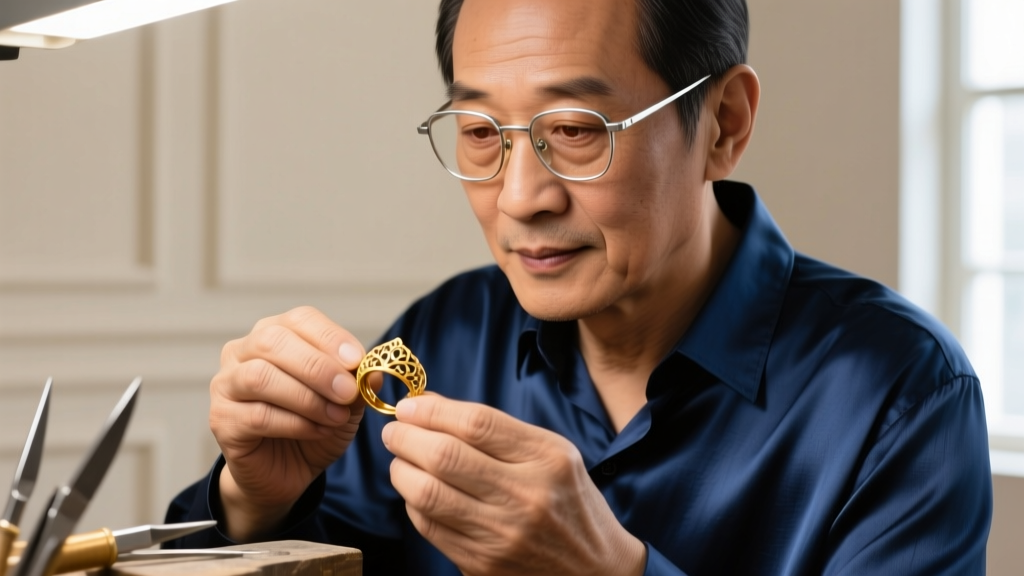
Using a standard 10x triplet jeweler's loupe, inspect the interior of the stone. Natural diamonds are formed under extreme heat and pressure deep within the Earth's mantle, resulting in internal characteristics called inclusions (e.g., carbon spots, feathering, or crystalline needles). Conversely, CZ and glass are manufactured in sterile environments and are typically "loupe-clean," meaning they are entirely flawless internally. If a stone is completely devoid of inclusions, it is highly suspect and requires professional testing.
Professional Diagnostics: Thermal and Electrical Conductivity
While at-home tests can rule out glass and basic CZ, they cannot differentiate between a natural diamond and Moissanite, a silicon carbide simulant that has surged in popularity due to its intense "fire" (dispersion). According to the Gemological Institute of America (GIA), professional jewelers rely on advanced electronic testers to troubleshoot these complex cases.
The Diamond vs. Moissanite Problem
Early thermal testers measured heat conductivity. Because Moissanite is also an excellent thermal conductor, older testers would falsely identify it as a diamond. Modern troubleshooting requires a dual-tester that measures both thermal and electrical conductivity. Diamonds are electrical insulators (with the rare exception of blue boron-doped diamonds), while Moissanite is slightly electrically conductive. A modern dual-tester will trigger an electrical alert for Moissanite, saving the buyer from a costly mistake.
Gemological Comparison Chart
| Material | Refractive Index (Brilliance) | Dispersion (Fire) | Specific Gravity | Thermal Conductivity |
|---|---|---|---|---|
| Natural Diamond | 2.42 | 0.044 | 3.52 | Extremely High |
| Moissanite | 2.65 - 2.69 | 0.104 (Very High) | 3.21 | High |
| Cubic Zirconia (CZ) | 2.15 - 2.18 | 0.058 | 5.60 - 6.00 | Low (Insulator) |
| Leaded Glass (Paste) | 1.50 - 1.70 | 0.010 - 0.030 | 2.50 - 4.00 | Low (Insulator) |
Note: Moissanite's dispersion (0.104) is more than double that of a diamond, giving it a "disco-ball" effect with rainbow flashes, which is a key visual troubleshooting clue under direct LED lighting.
The 2026 Market Reality: Lab-Grown Diamonds vs. Simulants
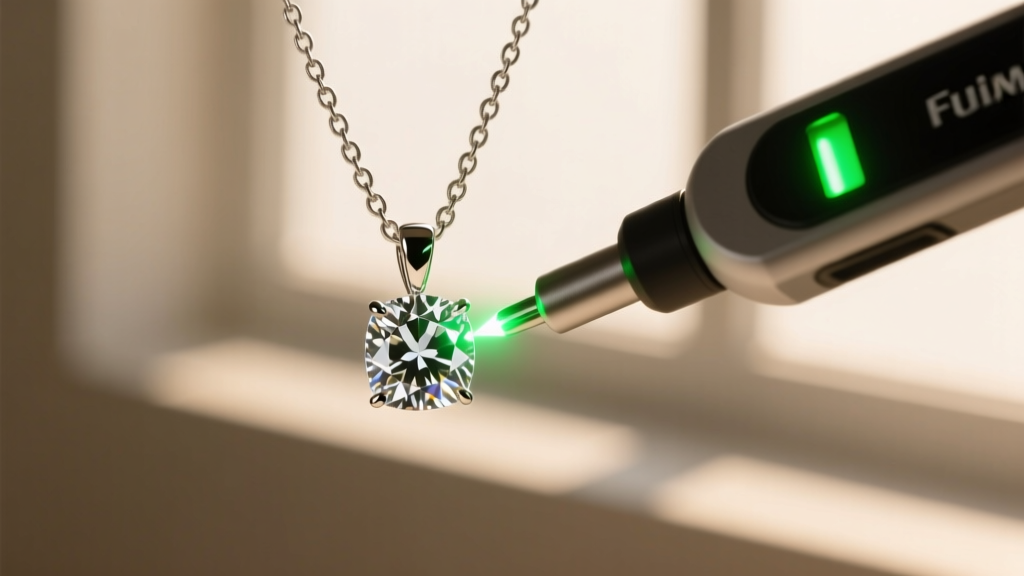
As we navigate the jewelry market in 2026, the definition of "fake" has evolved. Lab-grown diamonds (created via CVD or HPHT methods) are chemically, physically, and optically identical to mined diamonds. A thermal tester will identify a lab-grown diamond as a "diamond" because it is a diamond. The Federal Trade Commission (FTC) strictly regulates how these stones can be marketed, requiring sellers to clearly disclose their lab-grown origin.
The troubleshooting issue here is not authenticity, but value and insurance replacement. A 5-carat natural diamond river necklace might appraise for $150,000, while an identical lab-grown version might retail for $15,000. If you are borrowing, insuring, or buying an estate piece, you must verify whether the stones are earth-mined or lab-created. This cannot be done with a loupe or a thermal tester. It requires advanced spectroscopy (like the GIA DiamondCheck) to analyze the stone's crystal growth patterns and trace element impurities.
Preventing a Loisel-Tragedy: Certification and Documentation
The ultimate lesson from the theme of the story the necklace by guy de maupassant is the danger of assuming value based on appearance and social context. Mathilde assumed her wealthy friend's necklace was made of real diamonds because of the friend's social status. In modern jewelry troubleshooting, provenance and documentation are your only true safeguards.
- Demand a Grading Report: For any diamond pendant or necklace featuring stones over 0.50 carats, insist on a grading report from a top-tier laboratory like the GIA or IGI. The report will specify whether the stone is natural, lab-grown, or treated (e.g., fracture-filled).
- Verify the Laser Inscription: Most certified diamonds have a microscopic laser inscription on the girdle matching the report number. Use a 30x loupe or a digital microscope to verify this inscription against the paperwork.
- Update Insurance Appraisals: If you own high-value diamond necklaces, ensure your insurance appraisal explicitly states "Natural Earth-Mined Diamond" (if applicable) and includes a detailed description of the mounting, metal purity (e.g., 18k vs 14k gold), and exact carat weight. This prevents the insurance company from replacing a lost natural diamond with a lab-grown equivalent.
Conclusion: Authenticity in the Modern Age
The theme of the story the necklace by guy de maupassant remains a masterclass in the perils of deception and the superficial pursuit of status. Today, the stakes of jewelry authentication are just as high, but the tools at our disposal are vastly superior to those of the 19th-century Parisian elite. By understanding the optical physics of simulants, utilizing thermal and electrical testing, and relying on independent gemological certification, you can confidently navigate the complexities of the modern diamond market. Do not let a lack of knowledge cost you a decade of hard labor; always verify the stones before you sign the check or accept the loan.


