Nipple Necklace Trends 2026: How to Style Chest Chains
Explore the 2026 nipple necklace trend. Learn how to style avant-garde chest chains, choose hypoallergenic metals, and wear body harnesses confidently.
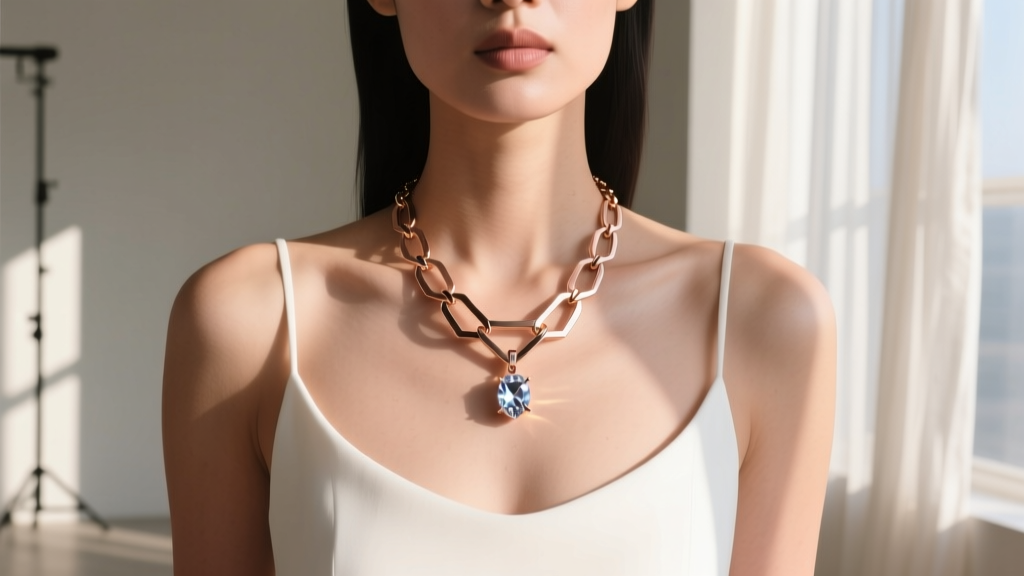

The landscape of body-adjacent jewelry has undergone a radical transformation as we move through 2026. Once relegated to underground club scenes and niche burlesque wardrobes, the nipple necklace—often referred to in high-fashion editorial circles as an apex-drape harness or chest-chain lariat—has firmly cemented its place in avant-garde street style and festival couture. This is no longer merely a shock-value accessory; it is a meticulously engineered piece of body jewelry that demands an understanding of weight distribution, material science, and sartorial balance.
In this comprehensive style and trend analysis, we deconstruct the modern nipple necklace. From the precise wire gauges required to prevent skin tension to the latest runway-inspired styling techniques, this guide provides the actionable expertise needed to wear this daring trend with confidence and comfort.
The Evolution of the Chest Harness in High Fashion
To understand the 2026 iteration of the nipple necklace, we must look at its trajectory from subculture to the global runway. Historically, body chains were popularized in the 1990s and early 2000s, but they were often heavy, poorly constructed, and reliant on crude clasping mechanisms. Today, luxury houses and independent body-jewelry artisans have reimagined the silhouette. The modern piece is less about literal coverage and more about architectural framing of the décolletage.
Designers are now utilizing the 'illusion drop' technique, where a structured choker or collarbone-length chain features a central or bifurcated drop that rests precisely at the bust apex. This creates a striking visual line that draws the eye downward, mimicking the elegance of a 1920s lariat but with the edgy, industrial undertones of modern cyberpunk and gothic-revival aesthetics.
Material Science and Gauge Specifications
The most critical failure point of any chest-draping necklace is material fatigue and skin irritation. Because the bust area is highly sensitive and prone to perspiration, the metal composition and chain gauge (thickness) are paramount. According to standards outlined by organizations like ASTM International, jewelry that rests against sensitive tissue or interacts with body modifications must meet strict biocompatibility guidelines.
Decoding Chain Gauges
In wire jewelry, the lower the gauge number, the thicker the metal. A standard necklace might use a delicate 20-gauge (0.8mm) chain, but a nipple necklace requires a hybrid approach to balance structural integrity with aesthetic delicacy.
- The Collar/Choker Base: Should be constructed from 14-gauge (1.5mm) or 12-gauge (2.0mm) chain to bear the weight of the drops without twisting or snapping.
- The Apex Drops: Best crafted from 18-gauge (1.0mm) or 16-gauge (1.2mm) chains. This ensures the metal drapes fluidly like fabric rather than hanging stiffly.
Material Comparison Chart
| Material Grade | Chain Gauge | Price Range (USD) | Best Application |
|---|---|---|---|
| ASTM F-136 Titanium | 1.2mm (16g) | $85 - $180 | Direct skin contact, sensitive skin, piercing integration |
| 316L Surgical Steel | 1.5mm (14g) | $45 - $95 | Structural harness frameworks, heavy draping |
| 18k Gold Vermeil | 1.0mm (18g) | $120 - $280 | Editorial styling, delicate layering over fabrics |
| Niobium (Anodized) | 1.2mm (16g) | $60 - $130 | Custom colorwork, hypoallergenic alternative to steel |
Note: For 2026, 18k Gold Vermeil must feature a sterling silver base with a minimum gold thickness of 2.5 microns to withstand the friction of body movement and cosmetic products.

Structural Engineering: Security and Adhesives
A common misconception is that chest chains simply hang freely. In practice, a well-designed nipple necklace incorporates subtle tension mechanics or adhesive integration to prevent the metal from swinging awkwardly or catching on outerwear.
Integrated Silicone and O-Ring Systems
Many high-end harnesses now feature medical-grade silicone pasties or shields with embedded stainless steel O-rings. The chain drops terminate in micro-lobster clasps that attach directly to these O-rings. This anchors the jewelry securely to the body, allowing the wearer to move, dance, or walk briskly without the chain shifting out of place. The Gemological Institute of America (GIA) and other material experts frequently note that integrating non-porous silicone with polished metals is the gold standard for wearable body art, as it prevents bacterial buildup.
Tension and Magnetic Breakaways
For pieces that do not use direct adhesive anchors, the 2026 standard employs magnetic breakaway clasps at the nape of the neck and the mid-back. If the chest chain snags on a garment or an object, the magnets release instantly, preventing severe whiplash or skin tearing—a vital safety innovation that has moved the trend from niche to mainstream retail.
Wardrobe Integration: Styling the Apex Drape
Styling a nipple necklace requires a deliberate approach to necklines and fabric weights. The goal is to frame the jewelry, not compete with it.
The Plunging Lapel
A structured, tailored blazer with a deep plunging V-neckline offers a striking contrast to the delicate, chaotic drape of a chest chain. The rigid shoulders and sharp lapels of the blazer provide a 'frame' that elevates the harness from clubwear to high-fashion power dressing. Opt for a matte black or charcoal wool blazer to allow a gold vermeil or anodized niobium chain to pop.
Sheer Organza and Mesh
The 'naked dressing' trend of the mid-2020s has evolved into more structured sheer layering. Wearing a fine-gauge titanium nipple necklace beneath a semi-sheer organza button-down or a tight micro-mesh turtleneck creates a sophisticated, layered illusion. The fabric softens the visual impact of the metal while maintaining the avant-garde edge.
What to Avoid
- Busy Patterns: Floral prints or heavy tartans will visually clash with the geometric lines of the chain links.
- Heavy Ruching: Fabrics with excessive gathering or ruffles around the bust will catch the chain links, causing tension and potential damage to both the garment and the jewelry.
- Competing Statement Necklaces: The chest chain is the statement. Keep the ears and wrists relatively minimal, opting for simple huggie hoops or sleek cuff bracelets.

Maintenance, Hygiene, and Longevity
Because chest chains rest against areas of the body that naturally produce more sebum and perspiration, rigorous maintenance is non-negotiable to preserve the metal's finish and protect your skin.
The Post-Wear Protocol
- Immediate Wipe Down: After wearing, use a lint-free microfiber cloth dampened with warm water and a drop of pH-neutral castile soap to wipe down the chains, paying special attention to the O-rings and clasps where dead skin cells accumulate.
- Drying: Never store a body chain while damp. Use a hairdryer on the 'cool' setting to blast moisture out of the tiny crevices between chain links. Trapped moisture is the primary cause of verdigris (green tarnish) in lower-grade alloys.
- Adhesive Removal: If your piece uses silicone anchors, remove any residual body adhesive using a dedicated medical adhesive remover or pure jojoba oil. Avoid alcohol-based solvents, which will degrade the silicone and cause it to become brittle and tear.
Storage Solutions
Do not toss a multi-point harness into a standard jewelry box; the drops will inevitably tangle into a frustrating knot. Instead, hang the choker base on a velvet-lined jewelry hook, allowing the apex drops to hang freely downward. For travel, lay the piece flat in a hard-shell EVA case, separating the chain layers with sheets of anti-tarnish tissue paper.
Final Thoughts on the 2026 Silhouette
The nipple necklace has transcended its provocative origins to become a legitimate study in wearable architecture. By prioritizing implant-grade materials, respecting the physics of wire gauges, and thoughtfully integrating the piece into structured wardrobes, you can master this bold trend. As fashion continues to blur the lines between traditional jewelry and body modification, the chest harness stands as a testament to the modern desire for personalization, edge, and unapologetic self-expression.
"True avant-garde styling isn't about shocking the observer; it's about demonstrating absolute mastery over the materials and the silhouette. The chest chain is the ultimate test of that mastery." — Editorial Fashion Stylist, 2026