The Jalebi Necklace Trend: 2026 Style Guide & Motif Evolution
Discover how the traditional jalebi necklace motif is evolving in 2026. Explore styling tips, metal trends, and modern adaptations for everyday wear.

The Anatomy of the Jalebi Motif: Beyond the Sweet
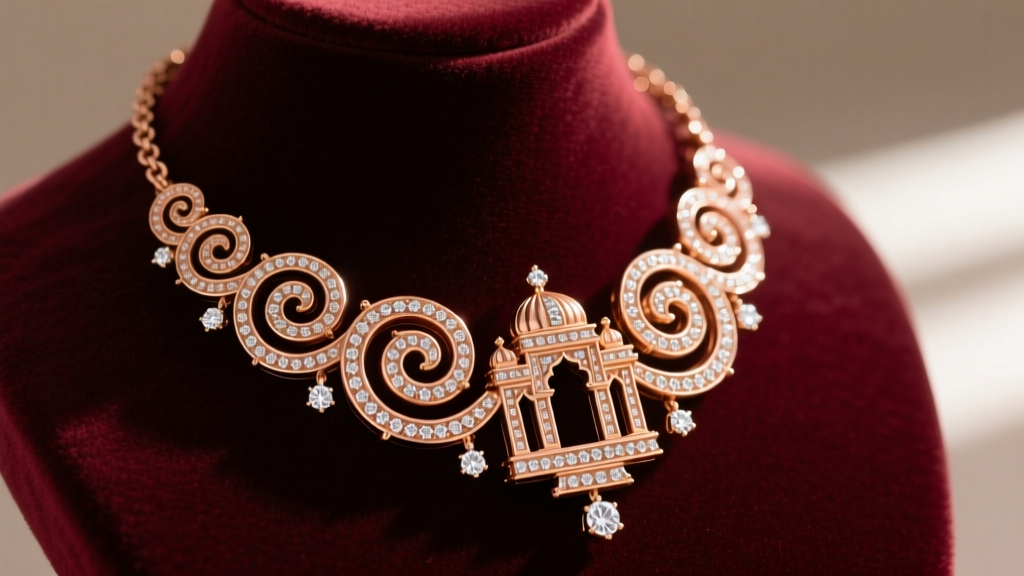
When discussing iconic Indian jewelry designs, the jalebi necklace holds a uniquely revered position. Inspired by the concentric, looping spirals of the beloved South Asian dessert, the jalebi motif in goldsmithing is far more than a culinary homage. It is a masterclass in continuous-line geometry. Historically, crafting a traditional jalebi necklace required artisans to draw uniform gold wires, meticulously coil them into interlocking, unbroken spirals, and solder them without disrupting the fluid symmetry. In cultural contexts, this unbroken loop symbolizes eternity, good fortune, and the cyclical nature of life, making it a staple in bridal trousseaus across India.
However, as we navigate the jewelry landscape of 2026, the jalebi necklace has transcended its heavy, heritage-bound roots. Today's style radar is tracking a massive shift toward architectural lightness, mixed-metal alloys, and the integration of precision-cut lab-grown diamonds. The modern jalebi necklace is no longer confined to the bridal vault; it has been re-engineered for the contemporary, global wardrobe.
2026 Trend Forecast: How the Jalebi Necklace is Evolving
The transition from heirloom-heavy pieces to dynamic, everyday luxury is being driven by three distinct manufacturing and design trends this year.
1. CNC Milling and Hollow-Form Casting
Traditionally, a authentic 22-karat gold jalebi choker could easily weigh between 60 and 90 grams, making it a rigid, heavy piece reserved for short ceremonial windows. In 2026, advanced CNC (Computer Numerical Control) milling and 3D-printed lost-wax casting techniques have revolutionized the motif. Jewelers are now producing hollow-form, 18-karat gold jalebi necklaces that retain the exact visual volume and intricate swirl density of their solid predecessors but weigh a mere 12 to 18 grams. This weight reduction—often exceeding 75%—allows the necklace to drape fluidly against the collarbone without causing neck fatigue, a critical factor for the modern consumer who values all-day wearability.
2. The Rose Gold and Copper-Alloy Dominance
While yellow gold remains the standard for traditional polki and kundan interpretations, 2026 has seen a definitive surge in 18k rose gold for the jalebi motif. The copper content in rose gold not only provides a warmer, more contemporary skin-tone contrast but also increases the tensile strength of the alloy. This metallurgical advantage is crucial for the jalebi design, as the intricate swirls and thin connecting bridges between the spirals require a metal that resists bending and warping under daily stress.
3. Lab-Grown Diamond Melee Integration
The most significant disruption to the jalebi necklace market is the integration of lab-grown diamond (LGD) melee. Artisans in Surat are now supplying micro-pave LGDs (typically 0.01 to 0.03 carats, F-G color, VS1-VS2 clarity) specifically calibrated for the curved channels of the jalebi swirl. Unlike traditional flat pavé settings, setting stones along a continuous, three-dimensional spiral requires advanced micro-prong techniques to ensure the diamonds catch light from multiple angles without interrupting the fluid gold line. According to the Gemological Institute of America (GIA), the optical properties of these precision-cut lab diamonds are identical to mined stones, allowing for high-impact brilliance at a fraction of the cost.
Material & Weight Matrix: Choosing Your Jalebi Piece
Understanding the structural differences across various jalebi necklace categories is essential for making an informed investment. The matrix below breaks down the current market offerings based on material composition, weight, and price ranges.
| Style Category | Metal / Karat | Average Weight | Gemstone Accent | Price Range (USD) | Best Occasion |
|---|---|---|---|---|---|
| Heritage Bridal | 22k Yellow Gold | 60g - 90g | Uncut Polki / Emerald | $4,500 - $9,000+ | Wedding Ceremonies |
| Festive Kundan | 18k Gold Plated Silver | 30g - 45g | Glass / Foiled CZ | $400 - $900 | Festivals / Parties |
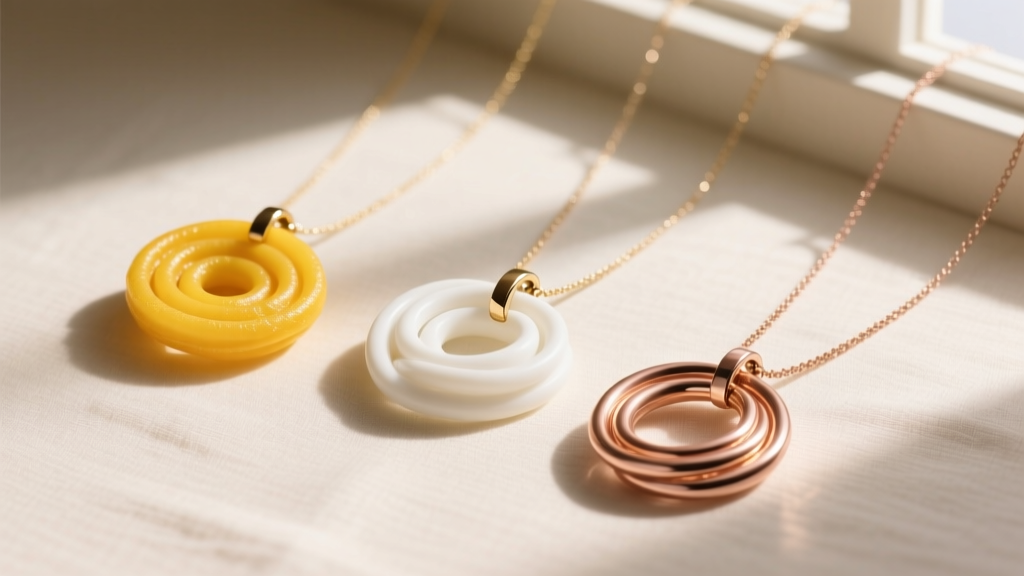
| Modern LGD Swirl | 18k Rose / White Gold | 12g - 20g | Lab-Grown Micro-Pave | $1,800 - $3,500 | Evening / Cocktail |
| Minimalist Pendant | 14k Solid Gold | 3g - 6g | Single Accent Diamond | $350 - $650 | Daily Office Wear |
Data regarding gold demand and jewelry manufacturing shifts aligns with reports from the World Gold Council, which highlights a persistent consumer pivot toward lighter, technologically advanced gold jewelry that balances traditional motifs with modern ergonomics.
Styling the Swirl: Neckline Pairings & Layering
The continuous, circular geometry of the jalebi necklace demands strategic styling to prevent visual clutter. The key to mastering this motif in 2026 lies in understanding negative space and chain layering.
Mastering the Neckline Pairings
- The Sweetheart Neckline: This is the ultimate pairing for a 16-inch jalebi choker. The downward dip of the sweetheart cut perfectly cradles the central, largest swirl of the necklace, creating a harmonious frame that draws the eye directly to the craftsmanship.
- The Halter Neck: Opt for a slightly longer, 18-inch matinee jalebi piece. The high collar of a halter top restricts collarbone exposure, so a longer pendant-style jalebi that rests on the upper sternum provides the necessary elongation.
- The Boat Neck (Bateau):strong> Avoid chokers here, as they will compete with the horizontal line of the neckline. Instead, choose a minimalist jalebi pendant suspended on a delicate 20-inch box chain to break the horizontal block with a focal point of vertical movement.
The Art of the Layered Swirl
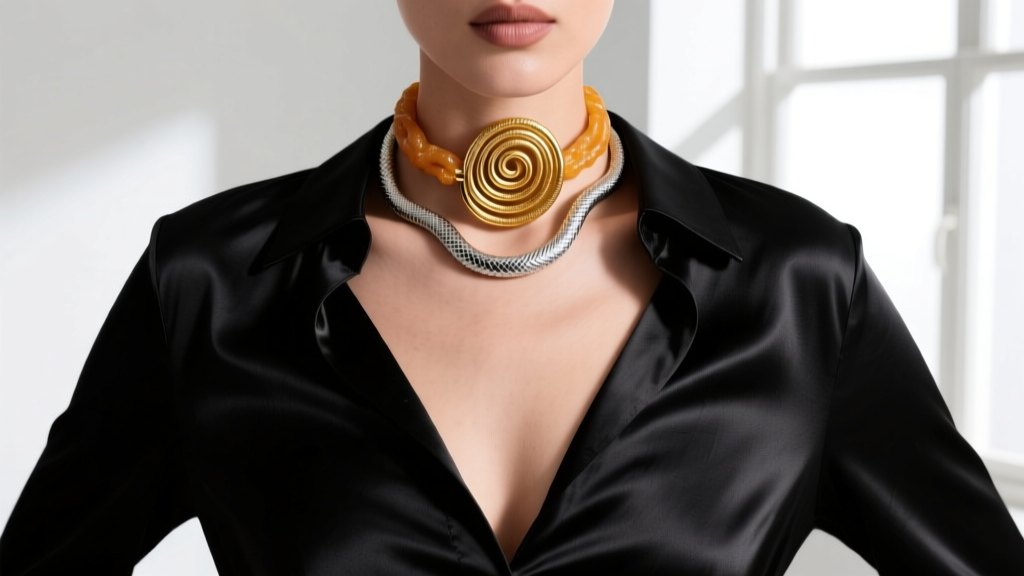
Layering a jalebi necklace requires balancing its inherent visual weight. The golden rule for 2026 is the 'Texture Contrast' method. If you are wearing a 15-gram, diamond-encrusted jalebi choker, pair it with an 18-inch, 2mm plain snake chain or a minimalist pearl strand. The smooth, unbroken lines of the secondary chains will amplify the intricate, swirling complexity of the jalebi motif without overwhelming the décolletage. Never layer two jalebi necklaces together; the competing spiral geometries will create a chaotic, tangled appearance.
Care and Maintenance for Intricate Swirls
The very architecture that makes the jalebi necklace beautiful—its tight coils and overlapping loops—also makes it a magnet for dust, skin oils, and cosmetic residue. Proper maintenance is non-negotiable to preserve the piece's structural integrity and brilliance.
For Solid Gold and Lab-Grown Diamond Pieces: Create a lukewarm bath of distilled water and a few drops of pH-neutral dish soap. Submerge the necklace for 10 minutes to loosen debris trapped within the inner spirals. Use a soft-bristled baby toothbrush to gently agitate the micro-pave settings, brushing strictly in the direction of the swirl to avoid catching the micro-prongs. Rinse with distilled water and dry with a microfiber cloth.
For Traditional Polki and Kundan Pieces: Never submerge these in water. The uncut diamonds and glass stones are often set using natural lac (a tree resin) and silver foil, which will degrade, cloud, or detach upon contact with moisture. Instead, use a dry, soft makeup brush to gently sweep dust out of the crevices, and store the necklace flat in a padded, acid-free box to prevent the heavy gold loops from crushing one another under their own weight.
Conclusion
The jalebi necklace in 2026 is a triumph of heritage design meeting modern engineering. By shedding the prohibitive weight of traditional casting and embracing the brilliance of lab-grown diamonds and durable 18k rose gold alloys, this iconic spiral motif has secured its place in the contemporary jewelry lexicon. Whether you are investing in a lightweight, diamond-studded choker for evening wear or a subtle 14k pendant for the office, the jalebi necklace offers a timeless symbol of eternity, re-engineered for the modern era.


